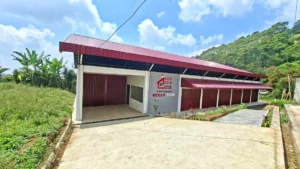
PATI, Central Java – The effective empowerment of local fishermen, encompassing enhanced skills, robust institutional frameworks, and comprehensive social protection, has been identified as a critical determinant for the successful implementation of the Kampung Nelayan Merah Putih (KNMP) program. Beyond essential infrastructure development, a holistic approach integrating human capital development is deemed indispensable to ensure the enduring benefits of the program reach and uplift coastal communities. This consensus emerged from a pivotal discussion forum titled "Ngobrol Bareng Nelayan: Penguatan Nelayan Pati dalam rangka Mendukung Program Prioritas KNMP di Jawa Tengah" (Dialogue with Fishermen: Strengthening Pati Fishermen to Support the KNMP Priority Program in Central Java), held at the KNMP Banyutowo in Dukuhseti District, Pati Regency, on Sunday, July 19, 2026. The event garnered significant participation, drawing hundreds of fishermen and residents from the surrounding coastal areas, underscoring the community’s keen interest in and reliance upon sustainable fisheries development.
The dialogue served as a crucial platform for stakeholders, including government officials, corporate representatives, and community leaders, to articulate strategies for fostering a resilient and prosperous fishing community. The overarching message emphasized that while physical infrastructure provides the foundation, the true success of initiatives like KNMP hinges on the human element – the capacity, knowledge, and well-being of the fishermen themselves. This holistic perspective aims to transition coastal communities from mere beneficiaries to active participants and stewards of their own development, aligning with Indonesia’s broader national agenda for maritime economic growth and social equity.
The Kampung Nelayan Merah Putih Program: A National Imperative
The Kampung Nelayan Merah Putih (KNMP) program, an initiative spearheaded by the Indonesian government, is a strategic national program designed to revitalize and modernize fishing villages across the archipelago. Launched with the vision of transforming traditional fishing communities into modern, prosperous, and resilient hubs, KNMP goes beyond mere aesthetic improvements. Its core objectives are multifaceted: enhancing the quality of life for fishermen and their families, improving economic productivity through advanced fishing techniques and value-added processing, strengthening community institutions, and ensuring environmental sustainability of coastal resources. The program typically involves a range of interventions, from improving port facilities, cold storage, and processing units to providing access to capital, training, and social security.
Pati Regency, strategically located on the northern coast of Central Java, is a region with a significant reliance on its maritime sector. Its extensive coastline and rich fishing grounds support a substantial population of traditional and small-scale fishermen. Consequently, the implementation of the KNMP program in areas like Banyutowo holds immense potential to significantly impact local livelihoods and contribute to regional economic development. The program’s success in Pati could serve as a model for other coastal areas in Central Java and beyond, demonstrating the efficacy of integrated development approaches tailored to the unique challenges and opportunities of fishing communities.
Pillars of Fishermen Empowerment: Skills, Institutions, and Protection
The discussions at the Banyutowo forum meticulously dissected the various dimensions of empowering fishermen, highlighting a three-pronged approach: skill enhancement, institutional strengthening, and comprehensive social protection.
Skill Enhancement and Quality Improvement
Hadi Santosa, Head of the Marine and Fisheries Agency of Pati Regency, underscored the imperative for fishermen to continuously upgrade their skills and the quality of their catches. "We encourage fishermen to continuously improve the quality of their catch and actively participate in available training programs," Santosa stated, emphasizing that better quality produce directly translates to higher market value and improved income. These training programs are designed to cover a spectrum of crucial areas, including sustainable fishing practices, improved handling and preservation techniques, basic navigation and safety at sea, and even rudimentary business management skills. The aim is not just to increase catch volume but to enhance the value chain, enabling fishermen to access better markets and fetch premium prices for their products.
For instance, training in proper fish handling immediately after capture, utilizing appropriate cooling methods, and adhering to hygiene standards can significantly reduce post-harvest losses and extend the shelf life of the catch. Furthermore, introducing fishermen to basic processing techniques, such as making salted fish, fish crackers, or other value-added products, can open new revenue streams and buffer against market fluctuations for raw fish. The agency, in collaboration with provincial and national bodies, regularly facilitates such workshops, striving to make them accessible and relevant to the daily realities of local fishermen.
Institutional Strengthening and Community Participation
Beyond individual skills, the forum also highlighted the critical role of robust community institutions. Subaskoro, a prominent youth figure and fisheries entrepreneur from Banyutowo, passionately articulated that the success of KNMP in Banyutowo transcends mere financial allocation. "The success of KNMP Banyutowo is not just about the budget, but also about our collective solidarity and active participation in managing the potential of this coastal area," Subaskoro remarked. This sentiment underscores the need for strong fishermen cooperatives, community groups, and local governance structures that can effectively manage resources, advocate for their members’ interests, and collectively leverage program benefits.
Well-organized fishermen’s cooperatives, for example, can play a pivotal role in facilitating access to capital, bulk purchasing of fishing gear, collective marketing of catches, and even operating community-owned processing facilities. These institutions foster a sense of shared ownership and responsibility, ensuring that initiatives are not only implemented but also sustained by the community itself. They also serve as vital conduits for information dissemination, feedback mechanisms, and collective bargaining, giving individual fishermen a stronger voice in policy-making and market negotiations. The emphasis on participation aligns with broader development theories that posit that community-led initiatives are more sustainable and equitable.
Social Protection and Risk Mitigation
A significant and often overlooked aspect of empowering fishermen is ensuring their social welfare and protection against the inherent risks of their profession. Hadi Santosa reiterated this point, stressing the importance of social protection through BPJS Ketenagakerjaan (Workers’ Social Security Agency). "Social protection through BPJS Ketenagakerjaan is also important, considering the high risks of working at sea," he added. Fishing, by its very nature, is a hazardous occupation, involving exposure to unpredictable weather, potential accidents, and the physical demands of working long hours at sea.
Access to social security programs provides a crucial safety net, offering protection against work-related accidents, disability, and death. It also contributes to the overall well-being of fishermen and their families by mitigating financial hardship during unforeseen circumstances, thereby fostering greater economic stability and peace of mind. While the government has made strides in expanding BPJS Ketenagakerjaan coverage, significant gaps remain, particularly among informal sector workers like many traditional fishermen. Efforts to socialize and facilitate enrollment in these programs are ongoing, recognizing that a secure fisherman is a more productive and resilient one.
Collaborative Action: The Role of SPHC and Government Agencies
The "Ngobrol Bareng Nelayan" forum itself was a testament to the power of multi-stakeholder collaboration, with PT Sarana Patra Hulu Cepu (SPHC) playing a significant role. Barri Pratama, Director of SPHC, highlighted the company’s long-term commitment. "Strengthening fishermen is not just about increasing skills, but also about building a healthy, competitive, and sustainable ecosystem. SPHC is committed to continuously being present through concrete support for activities that provide direct benefits to the community," Barri stated in a press release dated Monday, July 20, 2026. This commitment is channelled through the company’s Corporate Social and Environmental Responsibility (TJSL) program, which actively supports the development of coastal communities in Central Java.
SPHC’s involvement exemplifies the growing recognition that private sector engagement, beyond mere philanthropy, is vital for sustainable development. By investing in community capacity building, companies like SPHC contribute to the stability and prosperity of their operational areas, creating a more conducive environment for their own business while fulfilling their social obligations. Their support for the forum and other related initiatives demonstrates a strategic alignment with national development goals, particularly those focused on empowering local economies.
Complementing corporate efforts, government agencies play a crucial facilitative role. Driyanto, Head of the Juwana Fisheries Port, provided practical guidance for fishing groups seeking assistance. He encouraged them to prepare and submit proposals for fishing gear aid to the Provincial Marine and Fisheries Agency of Central Java, adhering to established mechanisms. This directive is critical for ensuring equitable distribution of resources and streamlining the process for communities to access much-needed equipment, which can range from improved nets and engines to navigation tools and safety equipment. Such assistance directly addresses immediate operational needs, allowing fishermen to operate more efficiently and safely. The provincial agency, in turn, assesses these proposals based on criteria such as community need, potential impact, and adherence to sustainable fishing practices, ensuring that resources are allocated effectively.
Pati’s Fisheries Landscape: Potential and Challenges
Pati Regency’s coastal area stretches for approximately 70 kilometres, boasting rich marine biodiversity and a vibrant fishing industry. It is home to thousands of traditional and small-scale fishermen who primarily operate in the Java Sea. The regency is renowned for its diverse marine products, including various types of fish, shrimp, and crabs, which contribute significantly to the local economy. The Juwana area, in particular, is a well-known centre for marine product processing and trade, attracting buyers from across Indonesia.
Despite this rich potential, Pati’s fishing communities face several persistent challenges. These include fluctuating fish prices, increasing operational costs (fuel, equipment), competition from larger commercial vessels, environmental degradation (e.g., plastic pollution, mangrove destruction), and the impacts of climate change, such as unpredictable weather patterns and rising sea levels. Many traditional fishermen also lack access to modern technology, adequate cold storage facilities, and direct market access, often relying on middlemen who dictate prices. These challenges underscore the urgent need for comprehensive intervention and support programs like KNMP, which aim to address these systemic issues through a multi-pronged strategy. The success of KNMP in Pati will not only elevate the livelihoods of its fishermen but also help preserve the region’s marine ecosystems for future generations.
Broader Implications and Future Outlook
The strategic focus on strengthening fishermen’s capacity within the KNMP framework carries significant broader implications for Indonesia’s maritime sector and national development. Firstly, successful implementation promises substantial improvements in the livelihoods of coastal communities, directly contributing to poverty reduction and economic equity. By enhancing skills, providing better tools, and ensuring social protection, the program can transform fishing from a subsistence activity into a more prosperous and sustainable profession.
Secondly, increased capacity and improved fishing practices can bolster national food security. A more efficient and sustainable fisheries sector means a more consistent and higher-quality supply of marine protein for the domestic market, reducing reliance on imports and strengthening the resilience of the national food system. The emphasis on value addition, such as processing and packaging, can also contribute to economic diversification within coastal areas, creating jobs beyond just fishing.
Furthermore, the collaborative model, involving government, private sector (like SPHC), and community organizations, sets a precedent for integrated development. This multi-stakeholder approach is crucial for tackling complex challenges that no single entity can address alone. It fosters shared responsibility and leverages diverse resources and expertise, leading to more robust and sustainable outcomes. The analysis of implications also suggests that effective implementation could lead to better resource management and environmental stewardship. When fishermen are empowered with knowledge and a stake in the long-term health of their fishing grounds, they are more likely to adopt sustainable practices, preventing overfishing and protecting marine ecosystems.
However, the path forward is not without its challenges. Ensuring consistent funding, effective coordination among various agencies, and maintaining sustained community engagement will be critical. Monitoring and evaluation mechanisms must be robust to track progress, identify bottlenecks, and adapt strategies as needed. The ongoing education of fishermen about new technologies, market dynamics, and environmental conservation will also be a continuous endeavour.
Calls to Action and Ongoing Commitment
The "Ngobrol Bareng Nelayan" forum in Pati culminated in a resounding call to action, reinforcing the commitments of all parties involved. From the government’s side, there is a clear directive to continue providing training, facilitating access to social security, and streamlining processes for equipment aid. Corporate partners like SPHC have pledged ongoing support through their TJSL programs, focusing on sustainable and impactful community development initiatives. Most importantly, the active participation and solidarity of the fishermen and coastal communities themselves are recognized as the ultimate drivers of success.
The vision for KNMP Banyutowo and other similar initiatives in Central Java is clear: to cultivate resilient, prosperous, and self-sufficient fishing communities that are equipped to navigate the complexities of modern fisheries while preserving their cultural heritage and natural environment. As Indonesia continues to assert its identity as a maritime nation, the empowerment of its fishermen remains a fundamental pillar of its developmental aspirations. The dialogue in Pati serves as a vital reminder that true progress in the maritime sector begins with investing in the people who are its heart and soul.