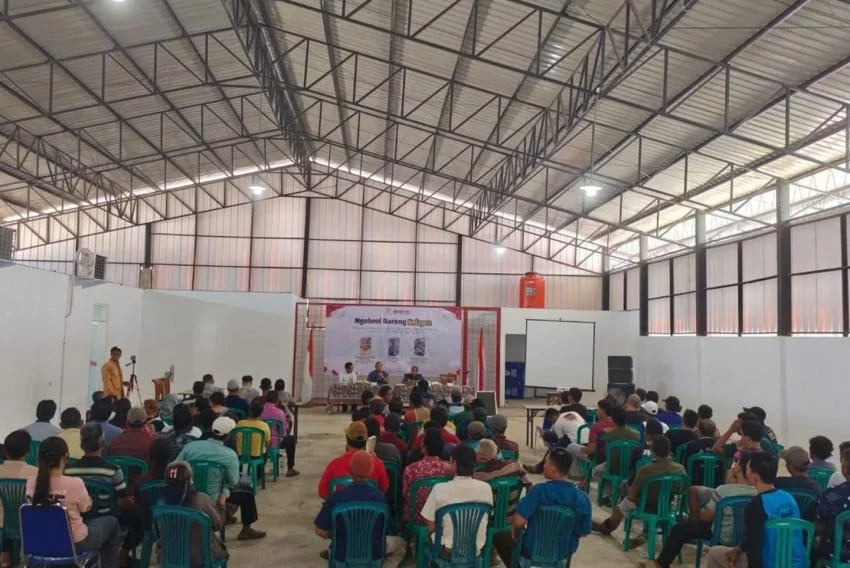
Pati, Central Java – PT Sarana Patra Hulu Cepu (SPHC), a subsidiary of PT Jateng Petro Energi (JPEN), the provincial state-owned enterprise (BUMD) of Central Java, has reaffirmed its unwavering commitment to supporting the Kampung Nelayan Merah Putih (KNMP) program. This ambitious national priority initiative, championed by President Prabowo Subianto, aims to empower fishing communities across Indonesia. SPHC, a company primarily involved in the management of Participating Interest (PI) in upstream oil and gas, demonstrated its dedication by actively participating in a crucial dialogue forum titled "Ngobrol Bareng Nelayan: Penguatan Nelayan Pati dalam rangka Mendukung Program Prioritas KNMP di Jawa Tengah" (Talking with Fishermen: Strengthening Pati Fishermen in Support of the KNMP Priority Program in Central Java). The significant event took place on Sunday, July 19, 2026, at the KNMP Banyutowo center in Dukuhseti District, Pati Regency, serving as a pivotal platform for stakeholder collaboration and strategic planning.
The Kampung Nelayan Merah Putih (KNMP) program represents a cornerstone of President Subianto’s administration’s efforts to revitalize and modernize Indonesia’s vital fisheries sector. Launched in late 2024, shortly after the commencement of the new presidential term, the program was conceived as a comprehensive, multi-faceted initiative designed to uplift the welfare of fishing communities, enhance their productivity, and ensure the sustainable management of marine resources. The overarching goal of KNMP is to transform traditional fishing villages into modern, self-sufficient, and economically robust hubs, equipped with improved infrastructure, advanced technology, better access to financing, and enhanced human resource capabilities. This national mandate underscores the critical importance of the fisheries sector not only for food security but also for its substantial contribution to the national economy and the livelihoods of millions of coastal residents. Key pillars of the KNMP program include the development of modern fishing infrastructure, such such as integrated fishing ports and cold storage facilities, the provision of modern fishing equipment, the introduction of sustainable fishing practices, improved market access for fish products, and comprehensive training and education programs for fishermen and their families.
Pati Regency, strategically located on the northern coast of Central Java, boasts a rich maritime heritage and a significant fishing population. The regency is renowned for its diverse marine resources and vibrant coastal communities that have historically relied on fishing for their sustenance and economic well-being. However, like many coastal areas in Indonesia, Pati’s fishing communities face a myriad of challenges, including fluctuating fish stocks due to environmental factors and unsustainable practices, limited access to modern technology, inadequate post-harvest handling facilities, market access barriers, and vulnerability to the impacts of climate change. The KNMP program, therefore, offers a beacon of hope, promising to address these systemic issues and unlock the full potential of Pati’s fishing industry. The support from entities like PT SPHC is crucial in translating these national aspirations into tangible local benefits.
The Role of PT SPHC and Regional State-Owned Enterprises (BUMDs)
PT Sarana Patra Hulu Cepu (SPHC) operates as a key player in Central Java’s regional economic development, particularly through its mandate to manage the Participating Interest (PI) in upstream oil and gas activities. As a subsidiary of PT Jateng Petro Energi (JPEN), the provincial BUMD, SPHC embodies the government’s strategy to leverage natural resource revenues for broader regional development. Participating Interest refers to the share of ownership and responsibility an entity holds in an oil and gas exploration or production project. By managing this PI, SPHC ensures that a portion of the wealth generated from these strategic national assets directly benefits the people of Central Java. This revenue is then strategically reinvested into various sectors, including infrastructure, education, health, and, significantly, the empowerment of key economic sectors such as fisheries.
The involvement of BUMDs like SPHC in programs like KNMP is a testament to the evolving role of regional state-owned enterprises. Beyond their core business functions, BUMDs are increasingly expected to act as catalysts for social and economic progress within their respective regions. Their financial capacity, institutional structure, and understanding of local contexts position them uniquely to bridge the gap between national policies and local implementation. SPHC’s commitment to KNMP is not merely an act of corporate social responsibility but rather a strategic alignment with the provincial government’s development agenda and the national priority to strengthen grassroots economies. By directing resources and expertise towards the fisheries sector, SPHC contributes directly to improving the livelihoods of thousands of families, fostering sustainable economic growth, and enhancing regional resilience. This collaborative model, involving national government initiatives, regional BUMDs, and local communities, is seen as a highly effective approach to achieving comprehensive and equitable development.
Detailed Account of the "Ngobrol Bareng Nelayan" Forum
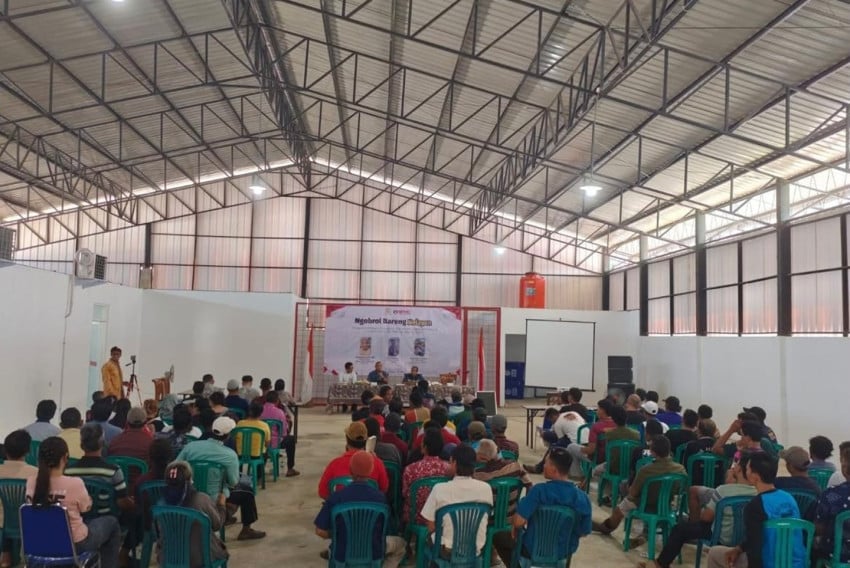
The "Ngobrol Bareng Nelayan" forum in Banyutowo, Pati, was a meticulously organized event, jointly hosted by Yayasan Literasi dan Karakter Indonesia (Indonesian Literacy and Character Foundation) and PT SPHC. The gathering successfully attracted hundreds of fishermen and coastal community members from Banyutowo and surrounding areas, underscoring the keen interest and pressing need for such dialogues within the local fishing populace. The atmosphere was one of eager anticipation and active engagement, as participants sought solutions and opportunities to improve their challenging profession.
The forum featured a distinguished panel of four key speakers, each bringing a unique perspective and expertise to the discussions:
- Barri Pratama, Director of PT SPHC: Representing the corporate sector and the provincial BUMD, Mr. Pratama articulated SPHC’s vision for supporting the fisheries sector and highlighted the importance of collaborative efforts.
- Hadi Santosa, Head of the Pati Regency Marine and Fisheries Office (DKP): As the chief local government official responsible for fisheries, Mr. Santosa provided insights into regional policies, available government support, and the specific challenges and opportunities within Pati’s marine and fisheries landscape.
- Driyanto, Head of Juwana Fishing Port: Mr. Driyanto offered a crucial perspective from the operational hub of the local fishing industry, discussing port facilities, logistical support, and the infrastructure necessary for efficient fish landing and distribution.
- Subaskoro, Young Figure and Fisheries Entrepreneur: Representing the entrepreneurial spirit and the younger generation, Mr. Subaskoro shared his experiences and vision for innovation, sustainable business models, and the potential for growth within the local fisheries sector.
The forum was designed as a strategic dialogue space, fostering open communication between stakeholders. It aimed to achieve several critical objectives: strengthening the capacity of local fishermen through knowledge sharing and skill development, encouraging the optimal utilization of existing facilities and resources, and cultivating a strong spirit of collaboration among all parties involved in the development of the marine and fisheries sector in the region. The interactive nature of the event allowed fishermen to directly voice their concerns, share their experiences, and contribute to the formulation of practical solutions, ensuring that the development strategies are genuinely responsive to their needs.
Perspectives from Key Stakeholders
Barri Pratama, Director of PT SPHC, emphasized the critical need for sustainable and continuous empowerment of fishermen. "The strengthening of our fishing communities must be a continuous process, built upon the pillars of strong collaboration, consistent capacity building, and tangible support from the business sector," Pratama stated. He elaborated that such an integrated approach is essential to ensure that the benefits of national programs like KNMP are directly felt and experienced by the coastal communities who are at the heart of the initiative. Pratama further underscored SPHC’s commitment to not only provide financial backing but also to facilitate knowledge transfer and foster partnerships that can drive long-term resilience and prosperity for Pati’s fishermen. He highlighted that SPHC’s involvement is part of a broader mandate to ensure that the wealth generated from natural resources is reinvested into sustainable community development.
Hadi Santosa, Head of the Pati Regency Marine and Fisheries Office (DKP), provided a comprehensive overview of the local government’s efforts and the challenges faced. "Pati Regency is blessed with abundant marine resources, but maximizing their potential requires concerted effort," Santosa remarked. He detailed the DKP’s ongoing programs, which include efforts to combat illegal fishing, promote environmentally friendly fishing gear, and provide basic training on fish processing and quality control. Santosa also stressed the importance of data collection for sustainable resource management and urged fishermen to actively participate in reporting their catches. He acknowledged the limitations of local government resources and expressed profound gratitude for SPHC’s partnership, recognizing it as a vital component in amplifying the DKP’s reach and impact. "Collaboration with BUMDs and other private entities is indispensable for accelerating the realization of our local development goals and aligning them with national priorities like KNMP," he added, outlining plans for further infrastructure development and enhanced market linkages.
Driyanto, Head of Juwana Fishing Port, focused on the logistical and infrastructural aspects crucial for the fishing industry. "The Juwana Fishing Port serves as a critical artery for Pati’s fisheries, facilitating landing, processing, and distribution," Driyanto explained. He highlighted recent improvements at the port, including enhancements to cold storage facilities and docking areas, but also pointed out the need for further modernization to handle larger volumes and improve efficiency. Driyanto emphasized the importance of proper port management, hygiene, and safety protocols to ensure the quality of fish products and the well-being of fishermen. He called for better coordination between fishermen and port authorities to optimize services and reduce post-harvest losses, which can significantly impact fishermen’s incomes. He also discussed the potential for Juwana Port to become a regional hub for fish processing and export, given the right investments and support.
Subaskoro, a prominent young figure and fisheries entrepreneur, offered an inspiring vision for the future of Pati’s fishing industry. "Innovation and entrepreneurial spirit are key to unlocking new opportunities for our fishermen," Subaskoro asserted. He shared insights from his own ventures, which focus on value-added fish products and direct marketing to consumers, bypassing traditional intermediaries to secure better prices for producers. Subaskoro advocated for the adoption of modern technologies, such as improved fish finding equipment and efficient processing techniques, and encouraged young people to view fishing not just as a traditional livelihood but as a dynamic business sector. He stressed the importance of financial literacy and access to capital for fishermen looking to upgrade their operations or diversify their income streams. His message resonated strongly with the audience, offering practical examples of how local initiative, combined with external support, can lead to significant economic upliftment.
Empowering Local Fishermen: Capacity Building and Resource Utilization
The core of the "Ngobrol Bareng Nelayan" initiative revolves around the tangible empowerment of local fishermen. Capacity building efforts are designed to equip fishermen with a diverse range of skills and knowledge that extend beyond traditional fishing methods. These include training in sustainable fishing practices to preserve marine ecosystems and ensure long-term viability of fish stocks. This is particularly crucial given global concerns over overfishing and environmental degradation. Workshops on modern navigation techniques, use of updated fishing equipment, and safety at sea are also paramount, aiming to enhance efficiency and reduce risks. Furthermore, a significant component of capacity building focuses on post-harvest handling, fish processing, and value addition. By learning to properly sort, clean, preserve, and even process their catch into higher-value products (e.g., smoked fish, fish crackers, frozen fillets), fishermen can significantly increase their income and reduce waste.
The forum also placed a strong emphasis on the optimal utilization of existing facilities and resources. Many fishing communities possess infrastructure, such as basic landing sites, small cold storage units, or community processing centers, that are often underutilized due to lack of knowledge, coordination, or supplementary resources. Through collaborative discussions, SPHC and the DKP aim to identify these underutilized assets and devise strategies to maximize their benefit. This could involve providing training on equipment maintenance, facilitating access to market information to guide production decisions, or establishing cooperatives to enable collective use of facilities and bulk purchasing of supplies. The goal is to create a more efficient and integrated local fishing economy where resources are not only available but also effectively deployed to generate maximum economic returns for the community.
Broader Implications and Future Outlook
The partnership between PT SPHC and the KNMP program in Pati carries significant broader implications for regional development and national policy. Firstly, it exemplifies a successful public-private partnership model where a state-owned enterprise actively contributes to a national priority program, demonstrating how BUMDs can transcend their primary business functions to become powerful agents of social and economic change. This model could serve as a blueprint for other regions and other sectors, fostering a more integrated approach to development across Indonesia.
Secondly, the initiative directly contributes to national food security. By strengthening local fisheries, increasing fish production, and improving the efficiency of the supply chain, the program helps ensure a stable and affordable supply of protein for the Indonesian population. This is particularly vital in a country with a vast coastline and a high per capita consumption of fish.
Thirdly, the focus on sustainable practices and environmental stewardship is critical for the long-term health of Indonesia’s marine ecosystems. By promoting responsible fishing methods and educating fishermen on conservation, the program helps mitigate the negative impacts of human activity on marine biodiversity, ensuring that future generations can also benefit from these vital resources.
Looking ahead, the success of the KNMP program in Pati will be measured not only by economic indicators but also by improvements in the overall quality of life for fishing communities. This includes better access to education, healthcare, and clean water, all of which are indirectly supported by increased economic stability. The commitment of PT SPHC is expected to catalyze further investments and collaborative efforts, potentially attracting other private sector partners and NGOs to join the cause. The "Ngobrol Bareng Nelayan" forum marks a crucial step in this journey, laying the groundwork for a more prosperous, sustainable, and empowered future for the fishermen of Pati Regency and, by extension, for fishing communities across Indonesia. The ongoing monitoring and evaluation of the program’s impact will be essential to refine strategies and ensure its continued relevance and effectiveness in the years to come, solidifying its legacy as a transformative national endeavor.