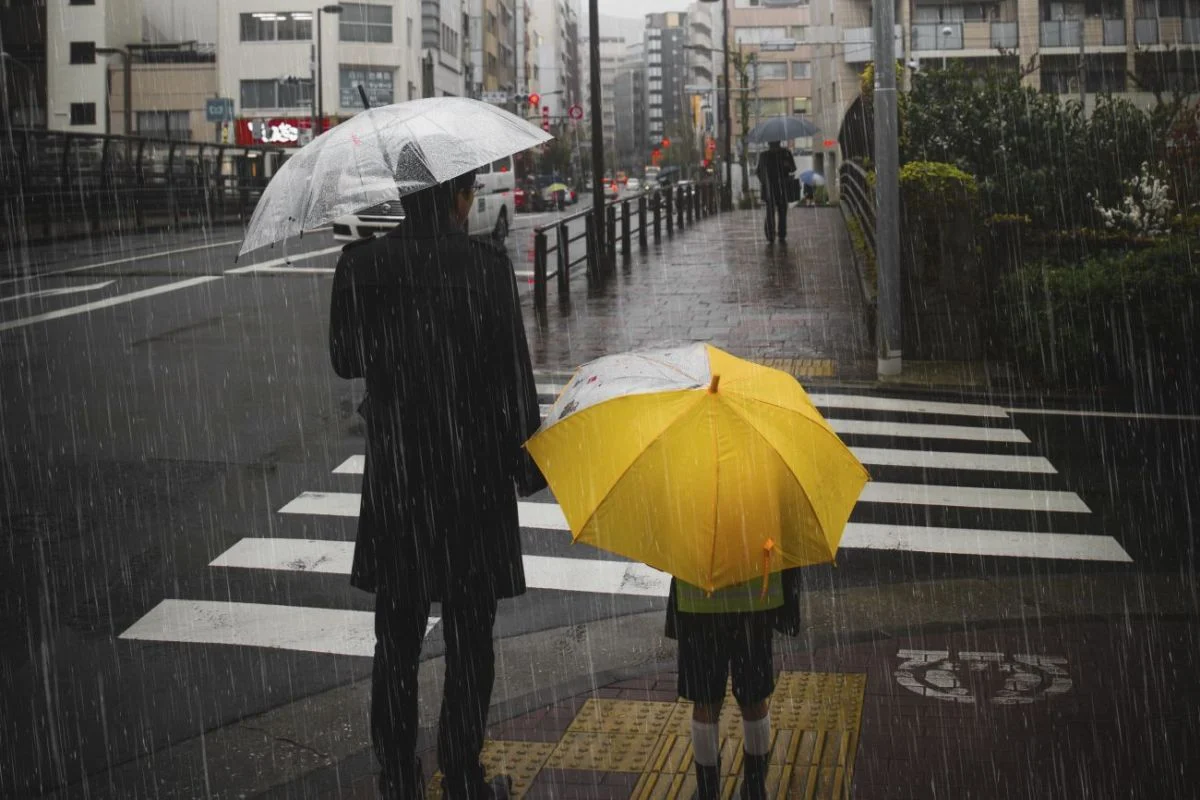
The Meteorology, Climatology, and Geophysics Agency (BMKG) has released its comprehensive weather outlook for the Greater Jakarta area, or Jabodetabek, for Sunday, October 25, 2026. As the region navigates the transitional period between seasons, residents are advised to prepare for a day of mixed meteorological conditions, ranging from overcast skies and hazy conditions to localized light rainfall across several administrative districts.
Meteorological Overview for the Greater Jakarta Area
For Sunday, October 25, 2026, the atmospheric pressure patterns surrounding the Indonesian capital indicate a stabilization period, though localized convective activity remains prevalent. In the heart of the capital, the weather will be characterized by inconsistency. According to the latest data from the BMKG, regions such as the Thousand Islands (Kepulauan Seribu), Central Jakarta, and North Jakarta are expected to experience either cloudy skies or thick haze throughout the morning and afternoon.
The phenomenon of "haze" or "udara kabur" in these areas is often attributed to high humidity levels trapped near the surface, which, when combined with urban pollutants, creates a visibility-reducing blanket. Meanwhile, Jakarta Selatan (South Jakarta) stands out as the primary metropolitan district likely to receive light rainfall, necessitating that residents in these areas carry umbrellas or rain gear if they have outdoor commitments scheduled for the day. East Jakarta, conversely, is slated for hazy conditions similar to the central and northern districts.
Regional Breakdown of Precipitation Patterns
Moving beyond the capital’s administrative boundaries, the satellite observations for the surrounding satellite cities—Bogor, Depok, Tangerang, and Bekasi—reveal a more active weather profile.
In Bogor, which often serves as a barometer for potential flooding risks in the capital due to its higher elevation and rainfall intensity, both the regency and the city are predicted to experience light rain. This precipitation is consistent with the typical late-October weather patterns for West Java, where afternoon showers are frequent as moisture-laden air masses move inland.
The eastern corridor, encompassing the regency and city of Bekasi, as well as the bustling commuter city of Depok, is also expected to see light rain. For the population of these areas, which rely heavily on transport infrastructure connecting to Jakarta, this implies potentially slick road conditions for those traveling on arterial routes such as the Jakarta-Cikampek Toll Road or the various commuter rail lines.
In the western sector, the situation is more nuanced. The regency and city of Tangerang are projected to remain mostly cloudy throughout the day. However, South Tangerang (Tangerang Selatan) breaks this trend with a forecast for light rain, mirroring the conditions seen in the southern parts of Jakarta. This spatial variability is a hallmark of tropical weather, where convective clouds develop rapidly over specific urban heat islands.
Understanding the Transitional Season (Pancaroba)
The weather conditions observed this Sunday are indicative of the "Pancaroba" or transitional period in Indonesia. This phase is defined by the shift from the dry season to the wet season, which usually sees the strengthening of the monsoon winds.
Meteorologists note that during this transition, the sun’s intensity—which remains high—causes rapid evaporation from the surface, leading to the formation of towering Cumulonimbus clouds in the afternoon. These clouds are often responsible for the localized, short-duration, but high-intensity rainfall that has become common in the Jabodetabek region during this time of year.

The implications for public health and urban planning during this period are significant. The BMKG consistently warns that during the transition, the risk of extreme weather events, such as microbursts and lightning, increases. Furthermore, the combination of humidity and fluctuating temperatures can lead to an uptick in seasonal ailments, such as respiratory issues or common colds among the population.
Data-Driven Perspectives and Urban Infrastructure
The Jabodetabek area is home to over 30 million people, making accurate weather forecasting a critical component of daily urban management. The reliance on BMKG data is not merely for personal planning but for the operation of critical infrastructure.
For instance, the Jakarta Provincial Government monitors these forecasts to manage drainage systems and flood mitigation efforts. Even light rain, when sustained over several hours in high-density areas, can lead to localized pooling if urban drainage channels are obstructed. The current forecast of "light rain" suggests a manageable scenario, but authorities remain on high alert.
Furthermore, the transportation sector, including the TransJakarta bus rapid transit system and the Jabodebek Light Rail Transit (LRT), adjusts its service delivery based on these meteorological trends. Slippery road surfaces during light rain often lead to a reduction in average traffic speeds, which can cause significant congestion during peak commuting hours on Sunday evenings.
Official Guidance and Public Safety Recommendations
In response to the current outlook, the BMKG has issued general advisories for the public. Citizens are encouraged to:
- Monitor Real-Time Updates: Weather in the tropics can change rapidly. Residents are urged to check the BMKG website or mobile application for real-time radar updates, especially before embarking on long-distance travel.
- Road Safety: Motorists, particularly motorcyclists, should exercise increased caution. The onset of light rain after a period of dry weather often lifts oil and grime from road surfaces, creating hazardous, slippery conditions.
- Health Precautions: With the presence of haze and humidity, those with pre-existing respiratory conditions are advised to minimize prolonged outdoor exposure if the air quality index shifts unfavorably.
- Hydration and Shelter: Given the potential for unexpected showers, carrying portable rain protection is highly recommended for those moving between the satellite cities and the city center.
Analyzing the Broader Environmental Impact
The current climate trends in 2026 reflect a global pattern of increasing meteorological volatility. While the rainfall predicted for this Sunday is relatively mild, the frequency of such events serves as a reminder of the need for robust urban resilience.
Urban planners and policymakers in the Jabodetabek area have been focusing on the "Sponge City" concept—a strategy involving the creation of more permeable surfaces and retention basins to absorb rainfall. These initiatives are essential because, as seen in the current forecast, even light rain distributed across a massive, concrete-heavy metropolitan area like Jakarta requires efficient water management to prevent localized inconveniences.
Moreover, the "hazy" conditions reported in central and northern Jakarta highlight the ongoing challenge of air quality management. The interaction between atmospheric stability and urban emissions remains a priority for environmental agencies. As the region moves deeper into the transition toward the wet season, it is expected that rainfall will become more frequent and intense, which may help to naturally scrub pollutants from the atmosphere, though this comes with the trade-off of higher flood risks in low-lying districts.
Conclusion
As of Sunday, October 25, 2026, the weather across the Jabodetabek region remains relatively settled but unsettled enough to warrant caution. With localized light rain expected in key districts like South Jakarta, Bogor, Depok, and South Tangerang, the day will likely be defined by the typical humidity and cloud cover characteristic of late October.
Residents are reminded that while the forecast is generally mild, the nature of tropical weather necessitates flexibility. By staying informed through official channels and adhering to safety precautions, the public can navigate the day’s changing conditions with minimal disruption. The BMKG continues to monitor the atmospheric conditions around the clock, ensuring that the millions of residents in this vital economic hub are provided with the most accurate information to plan their activities effectively. As the day progresses, the focus remains on the potential for localized intensification of rain, and the public is encouraged to keep a watchful eye on the skies.