Hotel Salak The Heritage stands as a premier testament to Indonesia’s complex colonial past and its evolution into a modern diplomatic hub, maintaining its position as one of the most historically significant accommodations in the city of Bogor, West Java. Located strategically at Jalan Ir. H. Juanda Number 8, this four-star establishment is more than just a place of rest; it is a cultural monument that has witnessed the transition of power from the Dutch East Indies to the Japanese occupation and, finally, to the independence of the Republic of Indonesia. Its architectural grandeur, characterized by the distinct "Indische" style of the Dutch colonial era, offers guests a rare opportunity to step back into the 19th century while enjoying the comforts of contemporary luxury. The hotel’s proximity to the Bogor Presidential Palace and the world-renowned Bogor Botanical Gardens makes it a focal point for both domestic tourism and international diplomatic missions.
A Chronological History: From Bellevue to The Heritage
The origins of Hotel Salak The Heritage date back to 1856, a period when Bogor—then known as Buitenzorg—served as the favored summer retreat for the Dutch colonial elite seeking relief from the sweltering heat of Batavia (modern-day Jakarta). The establishment was originally founded as the Bellevue-Dibbets Hotel, owned and managed by the family of Governor-General Charles Ferdinand Pahud. During this era, the hotel functioned primarily as an exclusive accommodation for high-ranking officials of the Vereenigde Oostindische Compagnie (VOC) and European dignitaries visiting the Governor-General at the nearby Buitenzorg Palace.
The hotel’s early years were defined by its exclusivity and its role as a social center for the colonial administration. However, the mid-20th century brought significant upheaval. During the Japanese invasion of the Dutch East Indies in 1942, the hotel was requisitioned by the Imperial Japanese Army. Throughout World War II, the building was utilized as a military headquarters, specifically serving the "Kenpeitai" (military police), a period that added a somber layer to its storied history. Following Japan’s surrender and Indonesia’s subsequent struggle for independence, the property was nationalized.
In 1948, the hotel was handed over to the Indonesian government and officially renamed Hotel Salak, inspired by the towering Mount Salak that dominates the city’s skyline. Over the following decades, the hotel underwent several phases of renovation and management changes. In the late 1990s, a major revitalization project was undertaken to restore its colonial aesthetic while integrating modern amenities, leading to its current branding as Hotel Salak The Heritage. This rebranding was a strategic move to emphasize its historical value as a "heritage" site, distinguishing it from the burgeoning number of modern glass-and-steel hotels in the region.
Architectural Significance and the Indische Style
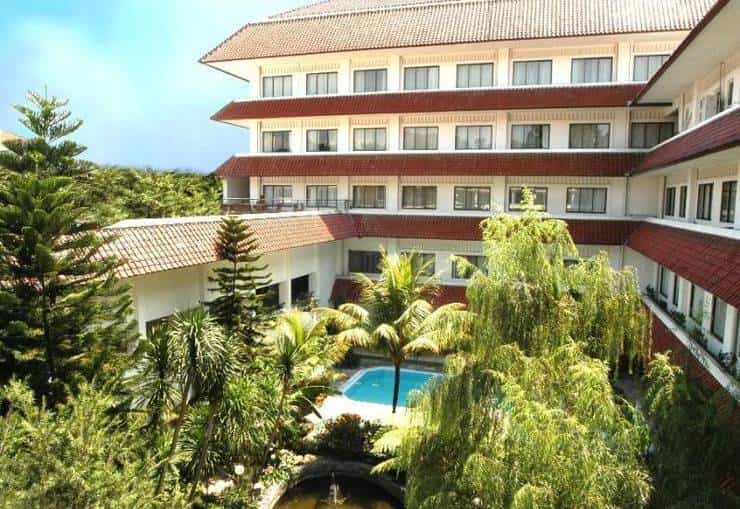
The architecture of Hotel Salak The Heritage is a prime example of the "Indische Empire" style, a fusion of European neoclassical elements and local adaptations designed to suit the tropical climate. The building features thick masonry walls, high ceilings, and large windows, which were essential for natural ventilation before the advent of modern air conditioning. The facade is marked by symmetry and stately pillars, evoking the prestige of 19th-century European estates.
Inside, the preservation of the original layout and certain decorative elements allows visitors to experience the atmosphere of "Buitenzorg" in its prime. The use of marble flooring, ornate chandeliers, and dark wood accents in the common areas pays homage to its Dutch roots. Architectural historians note that the hotel is one of the few remaining structures in Bogor that has successfully maintained its original character despite the rapid urbanization of the surrounding area. The preservation of such sites is considered vital for Indonesia’s urban identity, providing a physical link to the architectural innovations of the colonial period.
Modern Facilities and Capacity
While its exterior speaks of history, the interior of Hotel Salak The Heritage is equipped to meet the demands of the 21st-century traveler. The hotel currently offers 140 guest rooms, ranging from Superior and Deluxe rooms to Colonial Presidential Suites. Each room is designed to blend classic elegance with modern convenience, featuring high-speed internet, satellite television, and luxury bedding.
Beyond its role as a tourist hotel, the establishment is a major player in the MICE (Meetings, Incentives, Conferences, and Exhibitions) sector. It boasts 16 meeting rooms and several large ballrooms, making it a preferred venue for government seminars, corporate retreats, and high-society weddings. The facilities are supported by an array of leisure amenities, including:
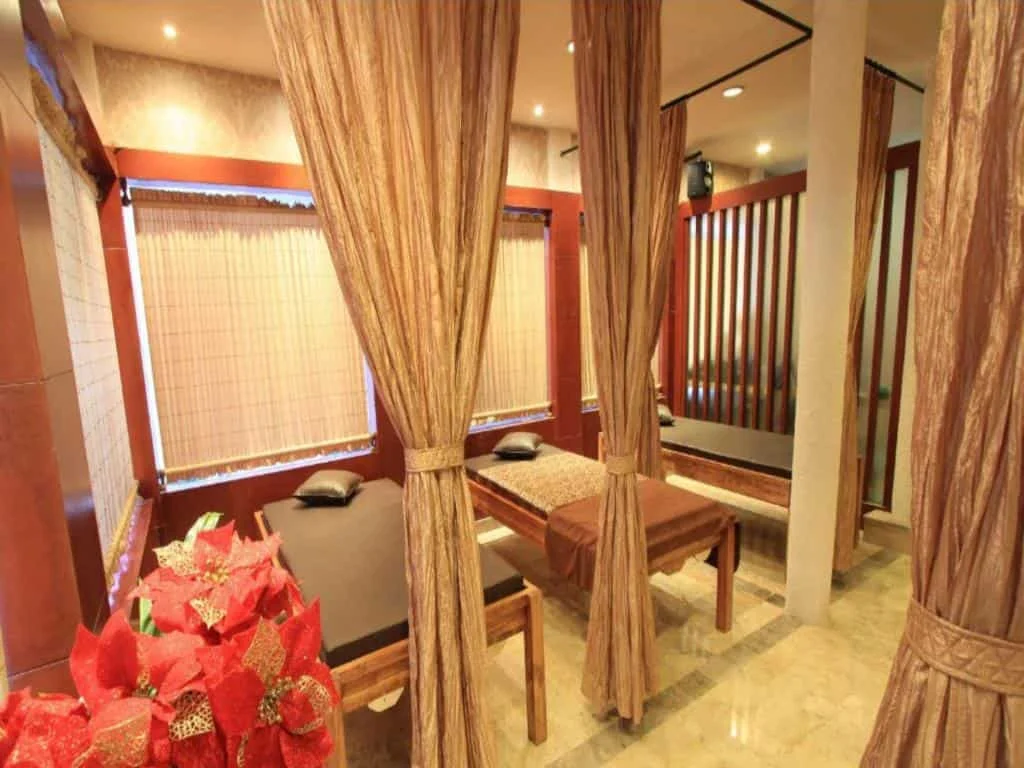
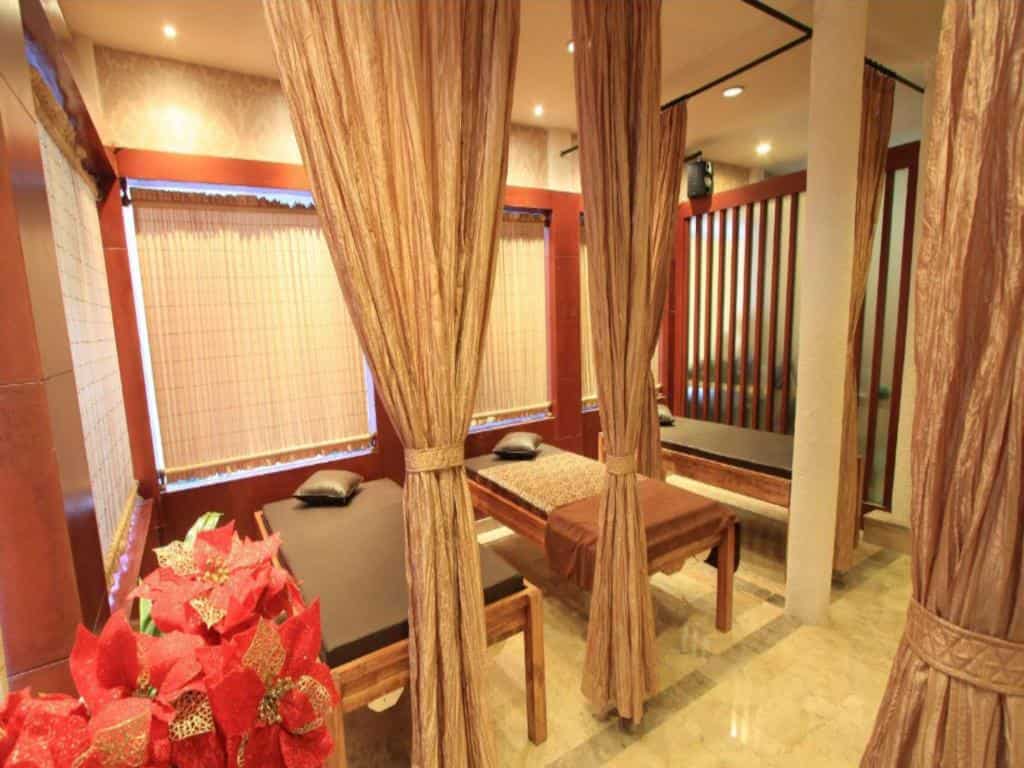
- Fitness Center and Spa: Providing wellness services that incorporate traditional Indonesian treatments.
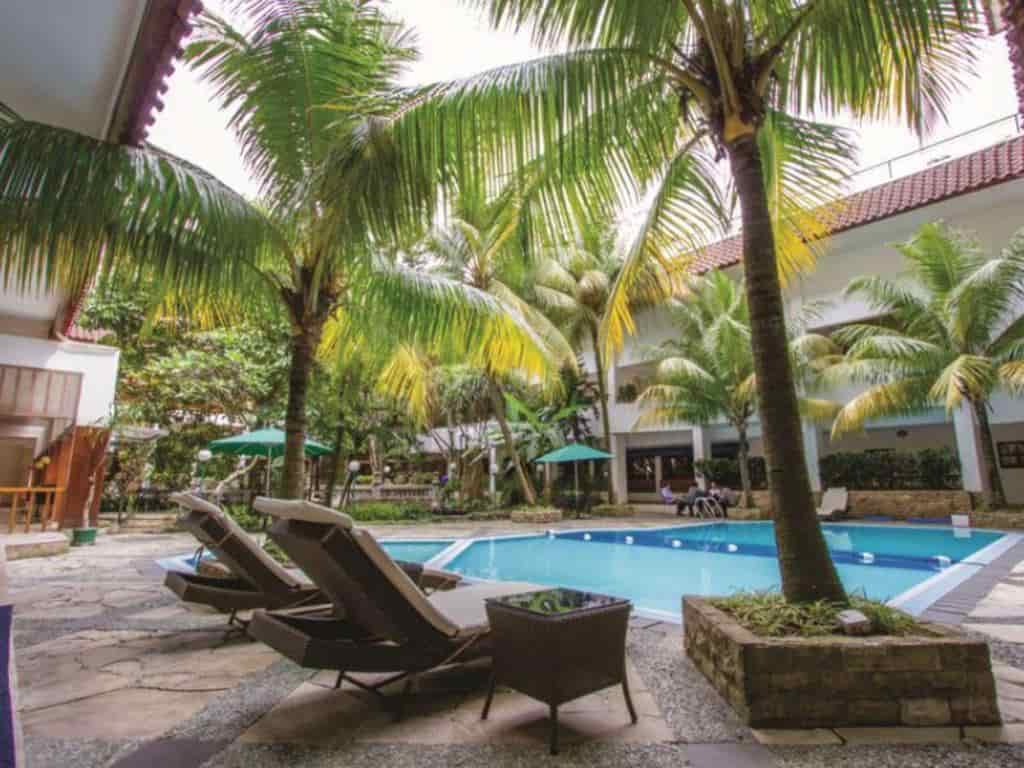
- Swimming Pool: Designed with a courtyard layout that offers privacy and a view of the hotel’s classic wings.
- Dining Options: The hotel features multiple culinary outlets, including the Kanari Cafe, which serves a mix of Indonesian and international cuisine, and the Raffles Food Court.
- Recreational Spaces: A library, karaoke rooms, and billiards facilities provide diverse entertainment for long-stay guests.
A Hub for International Diplomacy: The 2006 Bush Visit
One of the most significant milestones in the modern history of Hotel Salak The Heritage occurred in November 2006. During the official state visit of U.S. President George W. Bush to Indonesia, the hotel was selected to host members of the American delegation and provide essential logistical support. The visit was a high-stakes security operation, as Bogor was transformed into a fortified zone to ensure the safety of the visiting heads of state.
Hotel Salak’s performance during this period earned it a "Certificate of Appreciation" from the White House Communications Agency. This recognition was not merely for its hospitality but for its ability to meet the rigorous security and technical requirements of the United States Secret Service and the White House staff. This event solidified the hotel’s reputation as a world-class facility capable of handling high-profile international events, proving that its "heritage" status did not come at the expense of modern efficiency.
Strategic Location and Tourism Impact
The hotel’s location on Jalan Ir. H. Juanda places it at the epicentre of Bogor’s historical and natural attractions. Its proximity to key landmarks is a major draw for visitors:
- Bogor Palace (Istana Bogor): Located only 550 meters away, the palace is the primary residence of the President of Indonesia for many state functions.
- Bogor Botanical Gardens (Kebun Raya Bogor): At 710 meters, these gardens are the oldest in Southeast Asia and serve as a center for botanical research and conservation.
- Museum of Zoology: Situated 630 meters from the hotel, it houses one of the most extensive collections of preserved fauna in Asia.
- Mount Halimun Salak National Park: While further away (approximately 520 meters to the nearest access points or park offices), the hotel serves as a gateway for tourists wishing to explore the rugged terrain and biodiversity of the Salak mountain range.
This strategic positioning has allowed Hotel Salak to remain economically resilient. While many heritage hotels struggle with the costs of maintaining aging structures, Hotel Salak has leveraged its location to capture the steady stream of government officials and weekend tourists from Jakarta.
Analysis: The Role of Heritage Hotels in National Identity
The continued success of Hotel Salak The Heritage reflects a broader trend in Indonesia’s tourism industry: the monetization and preservation of colonial history. For decades after independence, colonial buildings were often viewed with ambivalence, representing a period of foreign subjugation. However, in the contemporary era, there is a growing recognition of these buildings as part of Indonesia’s multi-layered heritage.
From a socio-economic perspective, Hotel Salak contributes significantly to the local economy of Bogor. It employs hundreds of local staff and supports surrounding businesses, from transport providers to local artisans. Furthermore, its commitment to maintaining Dutch architectural standards serves as an educational tool for architecture students and history enthusiasts, providing a "living museum" environment that a textbook cannot replicate.
The hotel’s ability to balance its historical narrative with the requirements of a four-star rating is a model for heritage conservation in Southeast Asia. By integrating high-tech conference facilities and modern luxury into a mid-19th-century shell, the management has ensured that the building remains a functional, profit-generating asset rather than a decaying relic.
Conclusion and Future Outlook
As Bogor continues to develop as a satellite city to Jakarta and a hub for international research and diplomacy, Hotel Salak The Heritage is well-positioned to maintain its status. The challenges of the future—including the need for sustainable energy retrofitting and the increasing competition from international hotel chains—will require the establishment to continue its path of innovation.
However, the "Salak Experience" remains unique. It is the only place in Bogor where a guest can enjoy a morning coffee overlooking the same grounds where Dutch Governor-Generals once walked, while simultaneously benefiting from the infrastructure that supported a 21st-century U.S. Presidential visit. With its deep historical roots and proven track record of excellence, Hotel Salak The Heritage remains an indispensable chapter in the story of Bogor and a crown jewel of Indonesian hospitality. For travelers seeking more than just a room, but a connection to the past, the hotel remains a destination of choice, offering a timeless elegance that modern establishments find impossible to manufacture.