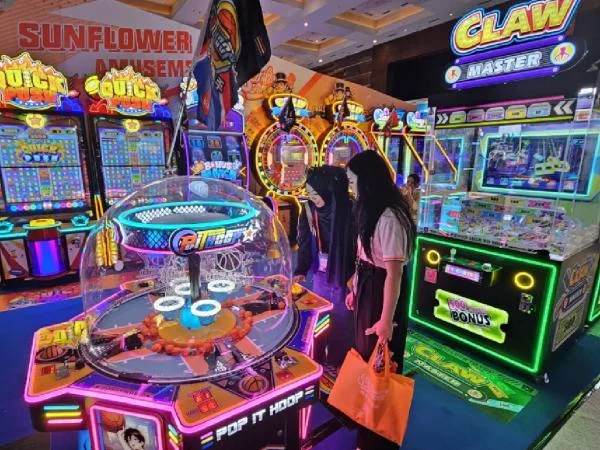
The landscape of family tourism in Indonesia is undergoing a profound structural shift, moving away from traditional amusement park models toward sophisticated, technology-driven, and safety-centric destinations. This evolution reflects a broader change in consumer behavior across Southeast Asia, where visitors are no longer satisfied with static attractions but instead demand immersive, interactive, and high-standard experiences. As the nation prepares for the 6th Fun Asia Expo Indonesia 2026, scheduled to take place from August 5 to 6, 2026, at the Jakarta International Expo (JIEXPO) in Kemayoran, the industry is bracing for a new era of innovation that integrates global technological advancements with local cultural nuances.
The Shift in Consumer Preferences and the Rise of Interactive Leisure
Historically, the Indonesian recreational park sector was dominated by conventional mechanical rides and simple water attractions. However, the modern Indonesian traveler—particularly the growing middle-class demographic—has become more discerning. Today’s tourists prioritize "experience" over mere "visitation." This trend is driven by the rapid penetration of digital technology and a globalized standard of entertainment that has raised expectations for local venues.
Modern visitors are actively seeking destinations that offer interactive elements, where they can be participants rather than just spectators. This includes the integration of Augmented Reality (AR), Virtual Reality (VR), and gamified environments that allow for a personalized journey through a theme park. Furthermore, the "Instagrammability" of a location remains a significant driver, but it is now being supplemented by a demand for substantive engagement. The shift is not merely aesthetic; it encompasses a demand for better facilities, seamless digital ticketing, and, most importantly, a transparent commitment to international safety protocols.
The 6th Fun Asia Expo 2026: A Global Convergence in Jakarta
The upcoming 6th Fun Asia Expo serves as a critical barometer for these industry changes. By bringing together more than 150 companies from across the globe, the event highlights Indonesia’s growing importance as a hub for the leisure and attraction industry in the Asia-Pacific region. The participation of exhibitors from leading industrial nations—including China, Canada, Italy, Malaysia, Singapore, Australia, the United States, and the United Arab Emirates—underscores the international interest in the Indonesian market.
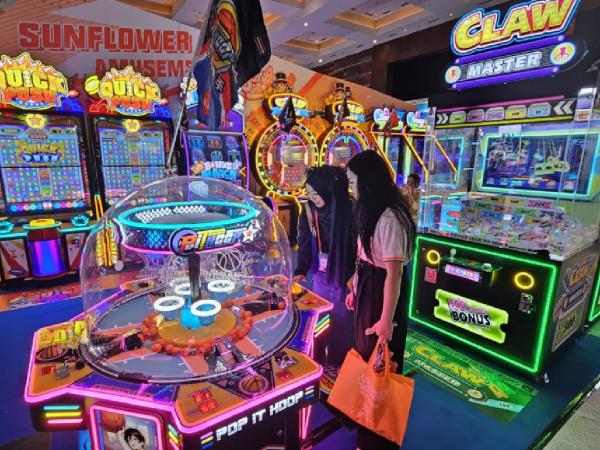
This expo is not merely a trade show; it is a strategic platform where global manufacturers of high-tech rides, water park designers, and operational management experts converge to showcase the future of play. For Indonesian park owners and developers, the event provides direct access to the latest innovations in "artificial tourism"—man-made destinations that utilize cutting-edge engineering to create environments that were previously impossible to build.
Chronology of Industry Development and Event Significance
The journey toward the 2026 expo has been marked by several years of steady recovery and modernization within the Indonesian tourism sector. Following the global disruptions of the early 2020s, the domestic tourism market became the primary engine of growth. By 2024 and 2025, investment in "Artificial Tourism Objects" (Obyek Wisata Buatan) saw a significant uptick as developers realized that indoor, weather-proof, and technologically integrated parks offered a higher return on investment and more consistent footfall.
The timeline leading to the August 2026 event involves a series of preparatory phases where the Indonesian government, through the Ministry of Tourism and Creative Economy, has been aligning domestic standards with international safety benchmarks. The 6th Fun Asia Expo acts as the culmination of these efforts, providing a venue to finalize contracts, share knowledge on sustainable park management, and introduce the next generation of "smart parks" to the Indonesian public.
Supporting Data: The Economic Weight of Recreational Tourism
Data from industry analysts suggest that the theme park and amusement sector in Indonesia is projected to grow at a compound annual growth rate (CAGR) of over 7% through 2030. The demand is fueled by a young population, with over 50% of the country’s inhabitants under the age of 30, a group that is the primary consumer of high-tech recreational activities.
Furthermore, the participation of over 150 international companies at the expo reflects a high level of confidence in Indonesia’s ease of doing business and its tourism potential. In previous years, similar expos have resulted in millions of dollars in direct investment and procurement of equipment. The presence of major players from China and Italy is particularly noteworthy, as these nations represent the two poles of the industry: China as the powerhouse of large-scale manufacturing and cost-effective innovation, and Italy as the leader in bespoke, high-concept design and engineering.

Prioritizing Safety and Operational Excellence
One of the most critical themes of the upcoming expo and the current industry shift is the non-negotiable nature of safety and operational management. In the past, the Indonesian amusement industry faced challenges regarding the maintenance of aging equipment and inconsistent safety oversight. However, the modern era of the industry is defined by "Safety First" branding.
Developers are now investing heavily in international certifications, such as those provided by IAAPA (International Association of Amusement Parks and Attractions). The 6th Fun Asia Expo will feature dedicated seminars and workshops on risk management, ride inspection, and crowd control technologies. This focus on the "back-end" of the park experience—the parts the visitor never sees—is what ultimately determines the longevity and reputation of a destination. Efficient queue management systems, AI-driven maintenance scheduling, and rigorous staff training are now viewed as essential components of the product, rather than optional overheads.
The Synergy of Modernity and Heritage: The Case of Spiritual Tourism
While the Fun Asia Expo focuses largely on man-made and technological attractions, it does not exist in a vacuum. The broader Indonesian tourism strategy involves a "blended" approach where modern infrastructure supports the revitalization of cultural and spiritual sites. A prime example is the ongoing restoration and transformation of the Prambanan Temple complex into a world-class spiritual and cultural destination.
The visit of high-profile international figures, such as the Prime Minister of India, to sites like Prambanan, reinforces the importance of these locations on the global stage. The connection between the Fun Asia Expo and heritage sites lies in the technology used for visitor management and preservation. The same interactive technologies and safety standards showcased at the expo are increasingly being applied to historical sites to create "Digital Museums" or "Augmented Heritage Trails," allowing ancient stories to be told through modern mediums. This synergy ensures that Indonesia’s tourism portfolio is diverse, offering both the thrills of a modern theme park and the profound depth of its historical landmarks.
Broader Implications and Future Outlook
The implications of the 6th Fun Asia Expo extend beyond the confines of the exhibition hall. By attracting global innovators, Indonesia is positioning itself as a leader in the Southeast Asian leisure market, potentially rivaling established hubs like Singapore and Malaysia. The growth of this sector creates a multiplier effect on the local economy, generating thousands of jobs in engineering, hospitality, digital content creation, and facility management.

Furthermore, the emphasis on innovation encourages local Indonesian firms to move up the value chain. While many rides are currently imported, the expo provides an opportunity for domestic companies to partner with international giants, leading to technology transfers and the eventual development of home-grown Indonesian recreational technology.
As the industry moves toward 2026, the focus will likely shift toward sustainability and "green" parks. The global exhibitors at the expo are expected to showcase energy-efficient ride systems, water recycling technologies for water parks, and eco-friendly construction materials. This aligns with the Indonesian government’s commitment to sustainable tourism development.
In conclusion, the 6th Fun Asia Expo Indonesia 2026 is more than just a trade event; it is a manifestation of the country’s ambition to modernize its tourism infrastructure. By embracing technology, prioritizing safety, and understanding the evolving psychology of the modern traveler, Indonesia is set to redefine the family vacation experience. The convergence of international expertise and local market potential in Jakarta will undoubtedly set the stage for a new decade of growth in the recreational industry, ensuring that the nation remains a top-tier destination for both domestic and international visitors.