The celebrated careers of motorcycle racers often involve ambitious leaps between premier racing series, with the World Superbike Championship (WSBK) and MotoGP representing the pinnacles of two-wheeled motorsport. While both disciplines demand exceptional skill and bravery, the machinery and racing dynamics are fundamentally different, creating a challenging transition for many. This article delves into the experiences of four prominent Superbike riders who, despite achieving significant success in their original discipline, found themselves unable to replicate that dominance upon entering the demanding world of MotoGP. Their journeys highlight the complexities of adapting to a new technological landscape and a fiercely competitive environment, offering valuable insights into the factors that contribute to success or stagnation in professional motorcycle racing.
The allure of MotoGP, with its factory-backed teams, cutting-edge prototypes, and global spotlight, is undeniable. For riders who have conquered the Superbike scene, the step up often represents the ultimate career aspiration. However, the technical disparities between WSBK machines, based on production motorcycles, and MotoGP prototypes, which are bespoke racing machines with advanced electronics and aerodynamics, present a steep learning curve. The nuances of chassis design, tire management, braking systems, and the sheer aerodynamic efficiency of MotoGP bikes require a different riding style and a deep understanding of intricate electronic aids.
Colin Edwards: The "Texas Tornado" Struggles to Find Traction
One of the most prominent figures to experience this challenging transition was Colin Edwards. Known affectionately as "The Texas Tornado," Edwards carved out a legendary career in World Superbike, securing two World Championship titles in 2000 and 2002. His aggressive riding style and innate talent made him a formidable force in the WSBK paddock, earning him widespread admiration and a reputation as one of the era’s most exciting racers.

Following his Superbike triumphs, Edwards made the highly anticipated move to MotoGP, joining Yamaha. His tenure in MotoGP, which spanned from 2003 to 2014, saw him compete for several prominent teams, including a significant period as teammate to Valentino Rossi at the factory Yamaha team from 2005 to 2007. Despite his pedigree and undeniable skill, Edwards was unable to translate his Superbike championship-winning form to the premier class. While he secured podium finishes and demonstrated flashes of brilliance, he largely remained a consistent, yet not consistently front-running, competitor. The championship challenges that defined his Superbike career eluded him in MotoGP, and he ultimately retired from Grand Prix racing without achieving a MotoGP premier class victory. His experience exemplifies how even a rider of immense talent can struggle to adapt to the unique demands of MotoGP prototypes and the competitive landscape of the series.
Toprak Razgatlıoğlu: A Modern-Day Enigma
More recently, the Superbike world has been captivated by the phenomenal talent of Toprak Razgatlıoğlu. The Turkish sensation has been a dominant force in WSBK, clinching the World Championship title in 2021 and continuing his winning ways in subsequent seasons (as per the article’s implied future successes in 2024 and 2025). His electrifying riding style, characterized by audacious overtakes and a remarkable ability to extract the maximum from his machine, has earned him a legion of fans and the moniker "El Turco."
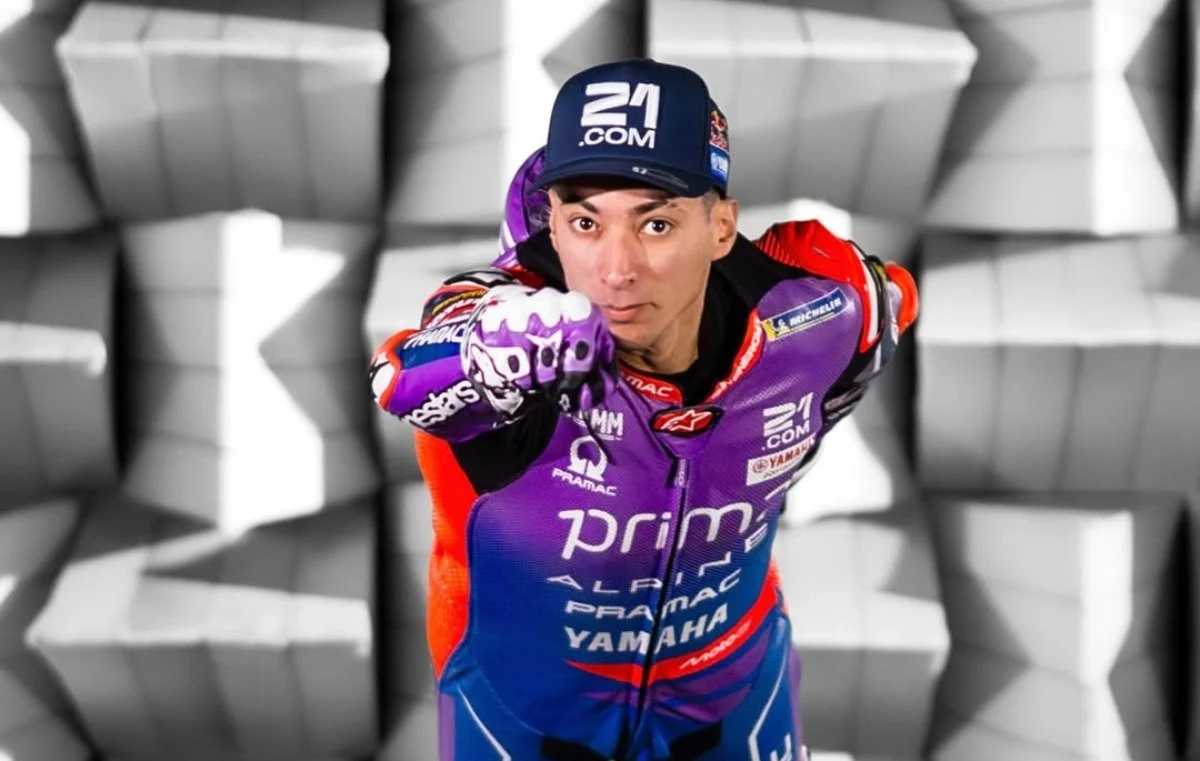
Razgatlıoğlu’s anticipated move to MotoGP in 2026 with the Pramac Racing team, a satellite Yamaha outfit, has been a major talking point in the motorsport community. While his Superbike achievements are undeniable, his initial foray into MotoGP testing has, as indicated by the source article, suggested a difficult start. Reports from shakedown tests have painted a picture of a rider struggling to adapt to the MotoGP prototype, finding himself frequently battling in the rear of the field rather than challenging for podiums or victories. This early indication, though preliminary, echoes the struggles of past Superbike champions. The complexity of the MotoGP electronics, the aerodynamic forces, and the sheer pace of the premier class are formidable challenges that even a rider of Razgatlıoğlu’s caliber must overcome. His performance will be closely scrutinized as he navigates his inaugural MotoGP season, with many hoping he can defy the trend of riders who peaked in Superbike.
The Broader Context: Bridging the Divide
The transition from Superbike to MotoGP is not solely a matter of individual rider adaptation; it is also influenced by the evolution of both championships. For decades, the two series have maintained distinct identities. World Superbike, often seen as a breeding ground for raw talent and a platform for manufacturers to showcase their road-going machines in a racing context, emphasizes close racing and rider skill. MotoGP, on the other hand, represents the absolute cutting edge of motorcycle technology, with teams investing astronomical sums in research and development to gain even fractions of a second.

The technical differences are stark. WSBK bikes are built around production chassis, with engines and components modified for racing, adhering to strict homologation rules. This means riders are more directly connected to the feedback of a production-based motorcycle. MotoGP prototypes, conversely, are purpose-built racing machines. They feature advanced chassis designs, sophisticated aerodynamics that generate significant downforce, and complex electronic rider aids that manage engine power, traction, wheelie control, and cornering grip. These systems, while offering performance advantages, can also mask rider input and require a different feel and understanding to exploit fully.
Factors Contributing to Transition Challenges
Several key factors contribute to the difficulties faced by Superbike riders moving to MotoGP:
- Electronics Complexity: MotoGP bikes are laden with highly sophisticated electronic control units that manage everything from engine mapping to rider aids. Learning to effectively utilize, and sometimes override, these systems requires a deep understanding and a different riding approach compared to the more mechanically-focused WSBK machines. The "feel" of the bike can be significantly altered by these interventions.
- Aerodynamics: The advanced aerodynamic fairings on MotoGP bikes generate substantial downforce, allowing for higher cornering speeds. However, this also means riders must contend with different aerodynamic forces and braking characteristics. The sensitivity to rider input in this area can be profound.
- Tire Management: While tire management is crucial in both series, the specific characteristics and degradation patterns of MotoGP tires, developed in conjunction with Michelin, differ from those used in WSBK. Riders must adapt their riding style to optimize tire life and performance over race distances.
- Rider Aids and Feedback: The extensive suite of rider aids in MotoGP can, for some, create a disconnect between the rider’s physical inputs and the bike’s reactions. While designed to enhance performance and safety, these aids can sometimes mask subtle feedback that experienced riders rely on. A rider accustomed to feeling every nuance of a less electronically managed machine might struggle to re-establish that connection.
- Competitive Intensity: MotoGP is arguably the most competitive motorcycle racing series in the world. The margins for error are incredibly small, and the level of talent is exceptionally high. Even minor adjustments in setup or rider performance can result in significant changes in race position.
Other Notable Transitions
While the article specifically mentions Edwards and Razgatlıoğlu, the history of motorcycle racing is replete with examples of riders who, while successful in one discipline, found the transition to another challenging. These narratives underscore the unique demands of each series and the exceptional talent required to excel at the highest level in either. Exploring these cases can provide a richer understanding of the transferability of skills and the impact of technological evolution on racing performance.
The fundamental difference in philosophy between the two championships—WSBK celebrating the pinnacle of production-based racing versus MotoGP pushing the boundaries of prototype technology—means that a rider’s mastery of one does not automatically guarantee success in the other. The transition is a testament to the adaptability, technical understanding, and sheer determination of a racer. As Razgatlıoğlu embarks on his MotoGP journey, the motorsport world watches with keen interest, hoping he can forge a path to success and add his name to the list of those who have successfully navigated this demanding career crossroads. The stories of those who have faced these challenges serve as compelling reminders of the ever-evolving and intensely competitive nature of professional motorcycle racing.