National Sports Day, widely recognized as Hari Olahraga Nasional or Haornas, stands as one of the most significant commemorations in the Indonesian calendar, observed annually on September 9. Beyond serving as a historical reminder of the nation’s athletic milestones, Haornas has evolved into a vital nationwide initiative aimed at fostering public health, driving the sports economy, and embedding physical fitness into the daily lives of millions of citizens. As Indonesia marks the 43rd anniversary of its official proclamation in 2026, the history of Haornas remains deeply intertwined with the nation’s broader struggle for international recognition, resilience, and sovereignty following its independence.
The Historical Roots of Indonesian Sports: The 1948 Solo PON
The genesis of National Sports Day traces back to a time of immense geopolitical turbulence and national rebuilding: the inaugural National Games, or Pekan Olahraga Nasional (PON), held in Surakarta, Central Java, from September 9 to September 12, 1948. Just three years after proclaiming independence on August 17, 1945, the newly formed Republic of Indonesia faced severe diplomatic isolation and administrative hurdles orchestrated by colonial powers seeking to reassert control.
One of the primary catalysts for organizing the domestic games stemmed from Indonesia’s earnest aspiration to participate on the global stage, specifically at the XIV Olympic Games held in London in 1948. However, the international community, largely influenced by post-World War II geopolitical dynamics and the absence of widespread diplomatic recognition of the young republic, refused to recognize the Indonesian Olympic Committee (KOMITE OLAIMPIADE INDONESIA) or accept passports issued by the revolutionary government. Furthermore, the International Olympic Committee (IOC) insisted that Indonesian athletes compete under the Dutch flag—a humiliating compromise that the sovereign nation vehemently rejected.
Refusing to compromise national dignity, Indonesian sports pioneers, led by visionary figures such as Sri Sultan Hamengkubuwono IX and R. Maladi, pivoted inward. They resolved to showcase the nation’s organizational capacity, unity, and physical prowess by hosting a monumental multi-sport event on home soil. Solo, chosen for its strong infrastructural readiness and secure republican territory, welcomed over 600 athletes competing across nine sports disciplines. The successful execution of the first PON served as a powerful political statement: despite military blockades and economic hardships, Indonesia functioned as an independent, organized state capable of uniting its diverse populace through the universal language of sport. September 9, the opening day of those historic games, was indelibly etched into the national consciousness as the spiritual foundation of Indonesian sports.
Institutionalization and the Formalization of Haornas in 1983
While the spirit of September 9 lived on through subsequent editions of the PON, it took more than three decades for the date to be officially codified into the national calendar. The formal establishment of National Sports Day took place on September 9, 1983, when then-President Soeharto officially proclaimed Haornas during a ceremony marking the revitalization and modernization of the historic Sriwedari Stadium in Surakarta—the very cradle of the 1948 PON.
The 1983 proclamation served a dual purpose: honoring the historical sacrifices of the 1948 generation and creating a structured, top-down policy framework to elevate the standard of sports across the archipelago. The government recognized that a healthy populace was indispensable for national development, industrialization, and defense.
To give the commemoration permanent legal standing, the government enacted Presidential Decree (Keppres) Number 67 of 1985 concerning National Sports Day. This legal instrument formally designated September 9 of each year as Haornas, mandating state institutions, educational facilities, and civil society organizations to promote physical education and athletic development on a continuous, institutionalized basis.
From Elite Medals to Public Wellness: The Evolving Meaning of Haornas
In contemporary Indonesia, the paradigm surrounding National Sports Day has undergone a profound transformation. While early decades placed a heavy emphasis on elite athletic performance and the accumulation of international medals—such as triumphs at the Asian Games, Southeast Asian (SEA) Games, and the Olympic Games—modern interpretations championed by the Ministry of Youth and Sports (Kemenpora) emphasize holistic sports culture, or memasyarakatkan olahraga dan mengolahragakan masyarakat (popularizing sports and making society athletic).
According to strategic guidelines issued by Kemenpora, Haornas acts as an annual catalyst to combat sedentary lifestyles, address non-communicable diseases related to lack of physical activity, and instill core values such as discipline, teamwork, resilience, and national pride among the younger generation. Sport is no longer viewed merely as a competitive arena for professional athletes, but as a fundamental pillar of human capital development.
Furthermore, the scope of sports development in Indonesia has expanded to encompass the burgeoning field of sport tourism and the creative economy. Modern policy frameworks recognize that major sporting events, ranging from national multi-sport spectacles like the upcoming PON events to specialized competitions such as beach sports festivals, act as powerful magnets for regional economic stimulation.
Economic and Health Implications in the Modern Era
Recent statements from government leadership, including the Ministry of Youth and Sports, underline the significant macroeconomic impact of the sports sector. The convergence of sports, tourism, and health has unlocked new avenues for local economic resilience. Major sporting events generate substantial multiplier effects for micro, small, and medium-sized enterprises (MSMEs), hospitality sectors, transportation networks, and local artisan industries.
To sustain this momentum, substantial capital investments are continuously demanded. For instance, recent strategic proposals by Kemenpora, which have sought significant funding allocations in the range of trillions of rupiah to construct modern training academies and elite regional training centers, highlight the state’s long-term commitment to professionalizing athletic infrastructure. Concurrently, regional initiatives—such as leveraging future PON events to position regions like East Sumba as premier sport tourism destinations or hosting specialized beach games in urban coastal zones like Ancol—demonstrate a decentralized approach to sports development that benefits diverse economic landscapes.
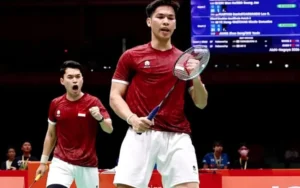
Despite these advancements, structural challenges persist. Disparities in sports infrastructure between major urban centers and remote regions, inconsistent funding for grassroots talent identification, and the need for science-based athletic conditioning remain critical areas for improvement. Analysts note that while Indonesia consistently produces world-class talent in traditional strongholds like badminton, expanding this success to a broader array of Olympic disciplines requires sustained, transparent, and professionally managed institutional frameworks.
Observing Haornas in the 21st Century
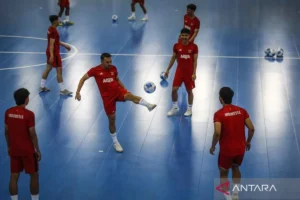
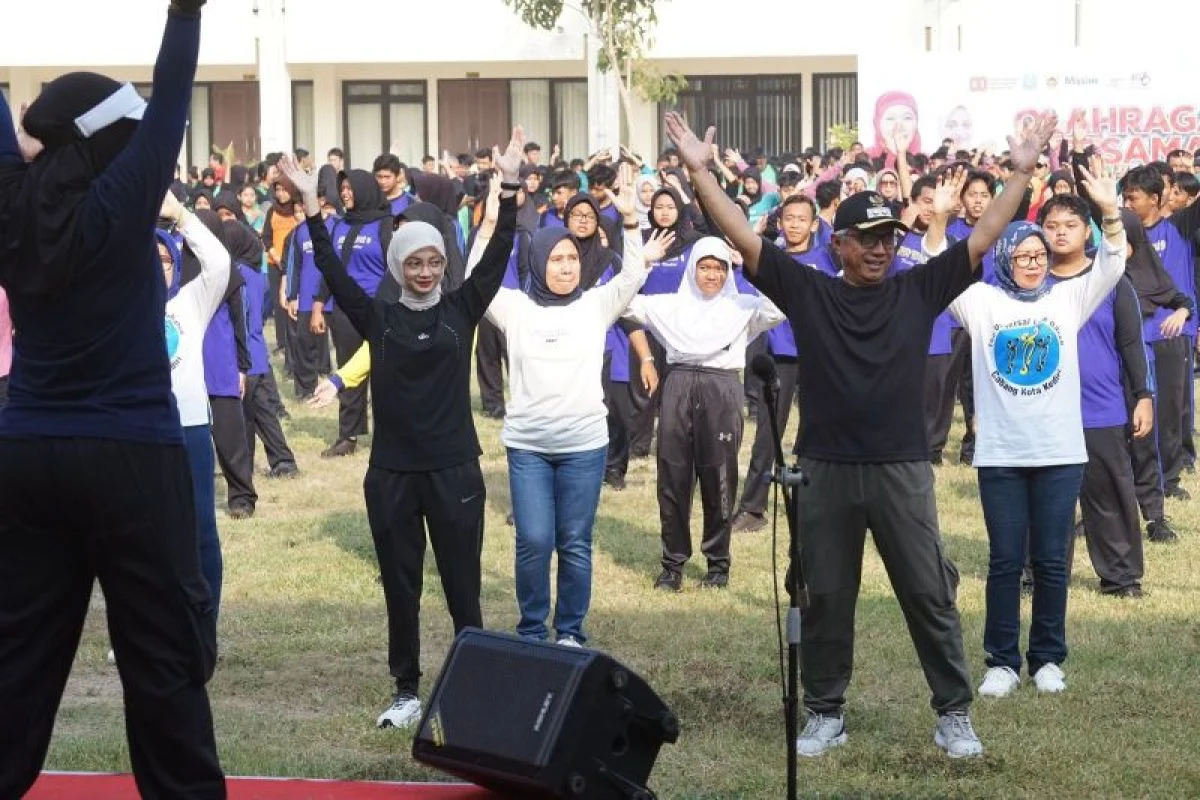
As the nation observes the 43rd anniversary of the proclamation of Haornas, the commemoration serves as both a reflection of past achievements and a call to action for the future. The modern celebration is marked by mass calisthenics, community running events, school sports festivals, and digital campaigns encouraging citizens of all ages to integrate at least 30 minutes of moderate physical activity into their daily routines.
Communities, families, and educational institutions play a pivotal role in honoring the spirit of September 9. By fostering an environment where physical education is prioritized and athletic achievements are celebrated without compromising academic or social responsibilities, society helps build a more resilient and dynamic generation.
Ultimately, National Sports Day transcends the ceremonial raising of flags or the issuance of official statements. It remains a living tribute to the resilient spirit of the 1948 pioneers who proved that a nation’s strength is measured not only by its political sovereignty, but by the vitality, unity, and wellness of its people. Through every stride run on a community track, every youth training session in a provincial academy, and every international podium finish, the legacy of the Solo PON lives on, propelling Indonesia toward a healthier, more competitive future.