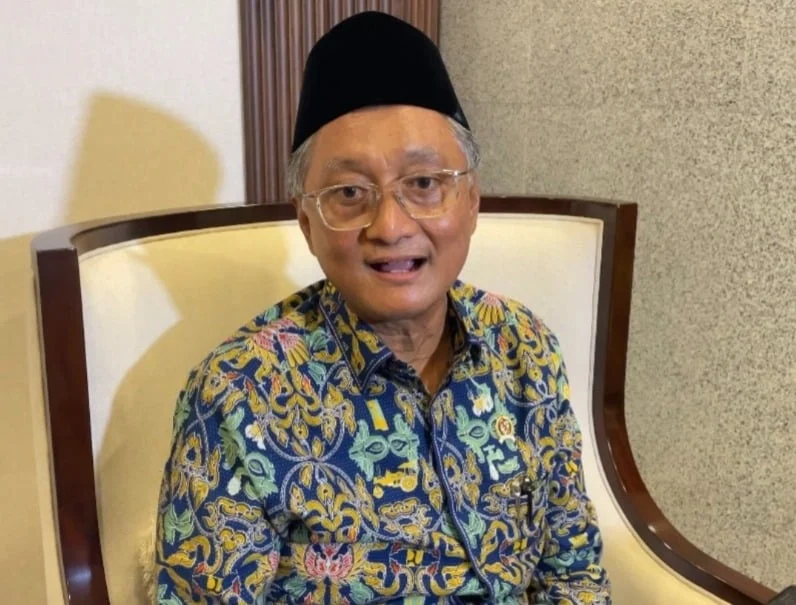
Minister of Public Works (PU) Dody Hanggodo has abruptly cancelled his planned official visit to the United States following a significant public controversy ignited by the inclusion of his wife and children’s names in the visa application documents. The incident, which quickly drew widespread criticism over the potential misuse of state funds for private family travel, prompted the minister to clarify the situation, asserting that the family’s names were listed purely for administrative purposes during the visa process and did not entail any financial burden on the state budget. The cancellation underscores the heightened scrutiny on public officials in Indonesia regarding accountability and the ethical use of state resources, particularly in the context of overseas travel.
Minister Dody Hanggodo’s Defense and Clarification
Addressing the media at the Ministry of Public Works office in Jakarta on Wednesday, July 22, 2026, Minister Dody Hanggodo expressed his bewilderment at the accusations of misusing state funds. He vehemently denied that his family’s travel expenses were to be covered by the state budget (APBN), explaining that the inclusion of their names was part of a standard, albeit perhaps overly broad, administrative procedure for visa applications for official delegations. "That was just a visa request process. I am quite confused as to why I am being accused of using state funds," Dody stated. He further emphasized, "Because I read that the Secretary-General had sent another letter to the Minister of State Secretariat, listing the names of individuals whose travel was to be funded by the APBN, and my name wasn’t even on it." This statement was intended to clarify that even his own travel, let alone his family’s, was not earmarked for state funding in the circulated official documents regarding financing.
The minister elaborated that he was not personally involved in the intricate details of preparing the visa application documents that eventually leaked to the public. According to him, the compilation of such paperwork is a routine administrative task coordinated directly between the Ministry of Public Works and the Ministry of Foreign Affairs, bypassing his direct approval. This procedural flow, he suggested, meant that he was unaware of the specific details regarding his family’s inclusion until the matter became a public issue. Dody also revealed that he had not yet discussed the polemic with the Secretary-General of the Ministry of Public Works, Apri Artoto, stating that such a discussion was now moot given the cancellation of his trip. "I am no longer going, so what else is there to discuss with the Secretary-General? There’s no point anymore, is there?" he remarked, signaling a desire to put the controversy to rest.
Chronology of the Visa Controversy
The controversy unfolded rapidly, beginning with the routine preparations for Minister Dody Hanggodo’s official visit to the United States. While the exact date of the initial visa application submission remains undisclosed, it is understood to have occurred several weeks prior to the public outcry.
- Early July 2026: Preparations for Minister Dody Hanggodo’s official visit to the United States begin, involving inter-ministerial coordination for travel logistics and visa applications.
- Mid-July 2026: A document, identified as a visa application request or a supporting letter for the visa process, is circulated or leaked to the public. This document explicitly lists Minister Dody Hanggodo’s wife and children alongside his name as part of the delegation or beneficiaries of the visa request.
- Immediately Following Leak: The public, civil society organizations, and media outlets swiftly pick up on the information. Criticism mounts over the perceived impropriety of including family members in an official delegation’s visa request, especially given the common assumption that such inclusions imply state-funded travel. Social media platforms become a hotbed of discussion, with #DodyHanggodo and #APBNFamily trending.
- July 22, 2026: Faced with intense public pressure and media scrutiny, Minister Dody Hanggodo issues a public statement at the Ministry of Public Works office. He clarifies that the family’s names were for administrative purposes only and denies any misuse of state funds, citing internal documents that do not list him (or his family) as APBN-funded travelers for this specific trip. Simultaneously, he announces the cancellation of his entire US visit.
Background Context: Public Scrutiny on Official Travel and Ethics
The incident involving Minister Dody Hanggodo is not an isolated case but rather symptomatic of a broader, long-standing public sensitivity in Indonesia regarding the conduct of government officials, particularly concerning the use of state funds for overseas travel. Indonesian citizens, especially in an era of increasing transparency and anti-corruption campaigns, are highly vigilant about how taxpayer money is spent. There is a deeply ingrained public perception, often fueled by past scandals, that official trips are sometimes exploited for personal gain or leisure, with family members frequently accompanying officials at state expense.
Indonesia has robust regulations governing official overseas travel, primarily outlined in Presidential Decree No. 50 of 2018 concerning Official Travel and various Ministry of Finance regulations (e.g., PMK No. 113/PMK.05/2012 on State Budget Expenditure for Official Trips). These regulations stipulate strict conditions under which officials can travel, the types of expenses covered, and limitations on who can accompany them at state cost. Generally, only officials directly involved in the mission are eligible for state funding, with provisions for accompanying spouses or family members being extremely limited and subject to specific, high-level approvals, usually for state visits by the President or Vice President. Any deviation or perceived bending of these rules often triggers immediate public backlash.
The role of the Minister of Public Works (PU) is crucial for national development, encompassing infrastructure projects from roads and bridges to water resources and housing. International engagements are often necessary for securing investments, learning best practices, and fostering collaborations. However, even legitimate official travel faces intense scrutiny, making administrative precision and ethical conduct paramount. This latest controversy highlights the ongoing challenge for Indonesian officials to navigate their duties while maintaining an impeccable public image and adhering to the highest standards of accountability.
Statements and Reactions from Related Parties (Inferred)
While direct quotes from other high-ranking officials or institutions were not provided in the original snippet, the nature of the controversy allows for logical inference of typical reactions from various stakeholders:
- Ministry of Foreign Affairs (Kemenlu): It is plausible that the Ministry of Foreign Affairs, which plays a pivotal role in facilitating visas for Indonesian officials, would issue a statement clarifying its standard operating procedures. They would likely emphasize that their role is primarily facilitative, based on requests from other ministries, and that they process documents as submitted. They might reiterate that the responsibility for ensuring compliance with financial regulations regarding state-funded travel lies with the requesting ministry.
- Presidential Secretariat (Mensesneg): As the body that oversees the administrative aspects of state officials’ activities, including overseas travel, the Presidential Secretariat would likely reiterate the importance of adherence to existing regulations on official travel and the use of the state budget. They might confirm receipt of various letters regarding travel funding requests from different ministries, underscoring their role in maintaining oversight and transparency, as referenced by Minister Dody.
- Civil Society Organizations and Anti-Corruption Watchdogs: Groups like Indonesia Corruption Watch (ICW) or Transparency International Indonesia would almost certainly issue strong statements. They would likely call for a thorough internal investigation within the Ministry of Public Works to ascertain the exact circumstances of the visa application, emphasize the need for greater transparency in official travel budgets, and demand stricter enforcement of regulations to prevent any future ambiguities regarding family inclusions in official delegations. They would underscore the importance of public trust and accountability.
- House of Representatives (DPR): Members of parliamentary commissions overseeing public works or state finances would likely voice concerns. They might call for Minister Dody Hanggodo to provide a detailed explanation to the relevant commission, potentially initiating a review of the Ministry of Public Works’ administrative procedures for overseas travel. This is a common response from legislative bodies seeking to exercise their oversight functions.
Supporting Data: Official Travel Regulations and Budgetary Oversight
Indonesia’s government has established a robust framework for managing official overseas travel. Government Regulation No. 50/2018 on Official Travel mandates that all foreign trips by state officials must be for official purposes and contribute to national interests. Furthermore, Ministry of Finance Regulation No. 113/PMK.05/2012 specifies the types of expenses covered by the state budget for official trips, including transportation, accommodation, per diem allowances, and visa fees. Critically, these regulations generally do not permit the financing of family members for routine official visits unless under very specific, high-level circumstances such as presidential or vice-presidential state visits, where the spouse plays a ceremonial role.
Any deviation from these regulations, or even the appearance of deviation, is met with severe public scrutiny. The public finance system is designed with checks and balances, requiring approval from various layers, including the Ministry of Finance for budget allocation and the Ministry of State Secretariat for travel permits. The fact that Minister Dody’s name was not on the list of APBN-funded travelers, as he claimed, suggests a potential administrative misstep in the initial visa application process rather than a deliberate attempt to defraud the state. However, the administrative oversight itself highlights a need for tighter internal controls and clearer communication within ministries regarding travel protocols.
Broader Impact and Implications for Public Trust
The Dody Hanggodo controversy, despite the minister’s swift cancellation and explanation, carries significant broader implications for public trust in government institutions.
- Erosion of Public Trust: Incidents like this, even if clarified, can chip away at public confidence in the integrity of government officials and the efficiency of bureaucratic processes. Citizens expect transparency and accountability, and any perceived ambiguity or impropriety can fuel cynicism.
- Need for Administrative Reform: The controversy underscores the critical need for a review and potential overhaul of administrative procedures within government ministries, especially concerning sensitive matters like official travel and visa applications. Clearer guidelines, automated checks, and mandatory ministerial sign-offs for all travel-related documents could prevent similar incidents.
- Heightened Scrutiny on Officials: This event serves as a stark reminder to all public officials in Indonesia that their actions, even seemingly minor administrative details, are subject to intense public and media scrutiny. The digital age facilitates rapid dissemination of information, making transparency not just a policy goal but a practical necessity.
- Political Repercussions: While Minister Dody quickly diffused the immediate crisis by cancelling his trip, such incidents can have long-term political repercussions, affecting an official’s reputation and potentially hindering future career prospects or policy initiatives if not handled with utmost care and genuine commitment to reform.
- Reinforcement of Accountability Culture: Paradoxically, such controversies, when met with swift responses and commitments to address underlying issues, can also reinforce the culture of accountability within the Indonesian government. The public outcry and subsequent ministerial action demonstrate that public opinion holds significant sway and can compel officials to uphold ethical standards.
In conclusion, Minister Dody Hanggodo’s cancellation of his US trip following the visa controversy, while framed as an administrative oversight, serves as a potent reminder of the high standards of ethics and accountability expected from public officials in Indonesia. The incident highlights the delicate balance between official duties and public perception, underscoring the imperative for rigorous administrative controls, transparent processes, and unwavering commitment to the prudent use of state resources to maintain and build public trust. The outcome will likely prompt internal reviews within ministries and reinforce the public’s vigilance over government conduct.