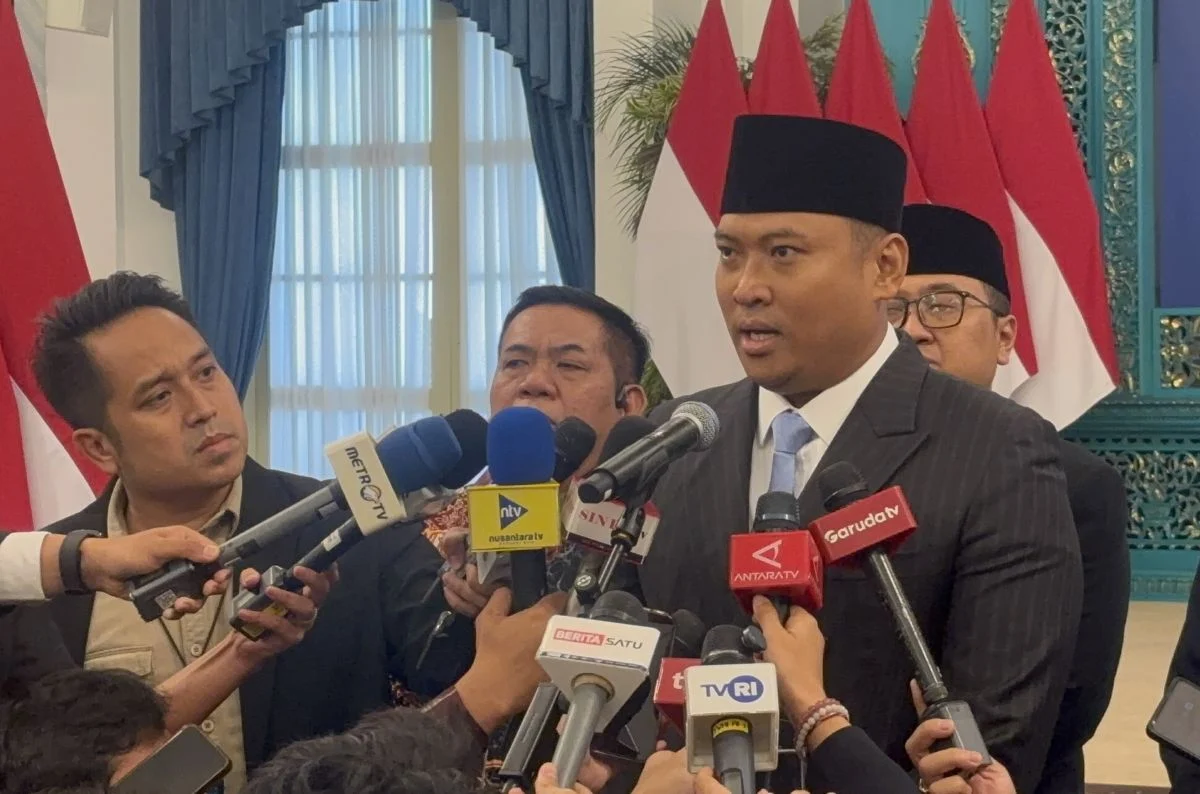
JAKARTA – In a significant move signaling a firm commitment to clean governance and effective public service, Sudaryono was officially inaugurated as the Head of the National Nutrition Agency (BGN) by President Prabowo Subianto at the State Palace in Jakarta on Wednesday, July 22, 2026. Following his formal appointment to lead a critical national initiative, Sudaryono immediately utilized the platform to issue a stark warning against corruption and influence peddling, emphatically denying any personal or familial involvement in the Satuan Pelayanan Pemenuhan Gizi (SPPG), or Nutrition Fulfillment Service Units, and their associated "kitchens" responsible for the Makanan Bergizi (MBG) program. This proactive declaration underscores the new administration’s intent to safeguard the integrity of vital public welfare programs from the outset.
A Strong Stance on Integrity from Day One
Speaking to a gathered press corps shortly after his oath-taking ceremony, Sudaryono left no room for ambiguity regarding his stance on potential conflicts of interest within the BGN’s operations. "There is absolutely no involvement on my part with the SPPG, and I do not own any SPPG units, nor do I possess any ‘kitchens.’ Crucially, no member of my family is involved in owning any such ‘kitchens’ related to the MBG program," Sudaryono stated unequivocally. This pre-emptive declaration is seen as a strategic move to insulate the nascent agency and its crucial programs from the pervasive risks of corruption, particularly in large-scale procurement and distribution initiatives.
His warning extended to any individuals who might attempt to leverage his new position for illicit gains. "On this auspicious occasion, being covered by all media, I want to convey that becoming the head of this agency is a significant responsibility. I wish to use this medium to emphasize to the public that I have a family, friends, colleagues, and various associates, including alumni. Therefore, if anyone attempts to offer services, perhaps with certain incentives, by claiming to be close to me—my family, friends, colleagues, or alumni—and such offers are deemed inappropriate or unauthorized, I assure you that such claims are unequivocally false," Sudaryono asserted. He further committed to a robust crackdown on any abuse of authority in the implementation of the MBG program, promising to eradicate practices that undermine its effectiveness and integrity. This strong opening statement sets a clear precedent for accountability and transparency under his leadership, signaling zero tolerance for corruption within the BGN.
The Genesis and Mandate of the National Nutrition Agency (BGN)
The establishment, or significant elevation, of the National Nutrition Agency (BGN) reflects a deepened national commitment by the Indonesian government to address critical public health challenges, most notably stunting and malnutrition. While the exact date of BGN’s initial formation might predate Sudaryono’s appointment, its prominence and renewed focus under the current administration underscore a strategic pivot towards a more coordinated and impactful approach to national nutrition. President Prabowo Subianto has consistently highlighted human capital development, particularly the health and well-being of future generations, as a cornerstone of his presidency. The BGN is envisioned as the central coordinating body responsible for formulating, implementing, and monitoring national nutrition policies and programs.
Its mandate is broad, encompassing not only the direct provision of nutritious food but also educational campaigns, maternal and child health interventions, and the coordination of various stakeholders across government ministries, local administrations, and civil society organizations. The BGN is tasked with driving down stunting rates, improving dietary diversity, enhancing food security at the household level, and ensuring that all Indonesians, especially vulnerable groups like pregnant women and young children, have access to adequate and quality nutrition. This makes the BGN a pivotal agency in shaping the future health and economic productivity of the nation.
Indonesia’s Battle Against Stunting: A National Priority
Indonesia has long grappled with the pervasive issue of stunting, a condition characterized by impaired growth and development due to poor nutrition, repeated infection, and inadequate psychosocial stimulation. According to the Indonesian Ministry of Health data, while significant progress has been made over the past decade, stunting rates remain a critical concern. As of recent surveys (e.g., prior to 2026, data might show rates around 20-25%), the national prevalence of stunting has been a persistent challenge, with government targets aiming for a drastic reduction, potentially to as low as 14% by 2024 or setting new, ambitious benchmarks for the subsequent five-year term under President Prabowo’s administration.
The socio-economic implications of stunting are profound and far-reaching. Stunted children are more susceptible to illness, perform poorly in school, and have reduced cognitive abilities, ultimately leading to lower productivity and earning potential in adulthood. This creates a cycle of poverty and underdevelopment that can hinder national progress for generations. Recognizing this, the Indonesian government has allocated substantial resources and implemented multi-sectoral programs to combat stunting, including improved access to clean water and sanitation, promotion of exclusive breastfeeding, supplementary feeding programs, and nutritional education. The BGN’s role is to streamline and amplify these efforts, ensuring that interventions are targeted, efficient, and reach those most in need. Sudaryono’s appointment comes at a critical juncture where the political will and programmatic infrastructure are aligning to make a decisive impact on this national health crisis.
Unpacking the SPPG and MBG Programs: The Operational Frontline
The Satuan Pelayanan Pemenuhan Gizi (SPPG), or Nutrition Fulfillment Service Units, and the Makanan Bergizi (MBG) program, or Nutritious Meals program, represent the operational backbone of the BGN’s direct intervention strategy. The SPPGs are likely decentralized units responsible for the on-the-ground implementation of nutrition initiatives, particularly the provision of nutritious meals to target populations. These units would be instrumental in identifying beneficiaries, coordinating with local health centers, and ensuring the efficient delivery of food aid. The "kitchens" Sudaryono referred to are presumably the facilities or networks responsible for preparing and distributing the meals under the MBG program.
Large-scale meal provision programs, while vital for addressing immediate nutritional needs, are inherently complex and susceptible to various forms of corruption and inefficiency. These include:
- Procurement Irregularities: The process of sourcing ingredients or prepared meals can be vulnerable to inflated prices, substandard quality, or favoritism towards certain suppliers.
- Distribution Leakages: Diversion of food items, incomplete deliveries, or targeting errors can undermine the program’s effectiveness.
- Quality Control Issues: Lack of oversight can lead to the provision of unhygienic or nutritionally inadequate meals, potentially harming beneficiaries.
- Influence Peddling: Individuals or entities with political connections might seek to secure contracts or preferential treatment, compromising the program’s integrity and value for money.
Sudaryono’s immediate and explicit denial of any personal or familial ties to these operational units or "kitchens" serves as a crucial pre-emptive measure against these very risks. By publicly disavowing such connections, he not only sets a personal example of integrity but also sends a strong message to potential wrongdoers that the BGN will operate under strict ethical standards, free from personal enrichment schemes. This transparency is vital for building public trust, which is essential for the success of any large-scale public welfare program.
A Pre-Emptive Strike Against Influence Peddling and Nepotism
Sudaryono’s detailed warning against individuals claiming proximity to him to offer "special services" with "incentives" is a direct confrontation of a pervasive issue in public administration: influence peddling and the abuse of power for personal gain. He explicitly listed various categories of individuals who might attempt such schemes, including family members, friends, colleagues, and even alumni. This broad warning reflects a deep understanding of how corrupt networks often operate, leveraging personal relationships and perceived access to power to extract illicit benefits.
The modus operandi of such schemes typically involves:
- False Claims of Influence: Individuals pretend to have direct access or decision-making power due to their relationship with the official.
- Offering Expedited Services: They promise faster approvals, preferential treatment, or inside information for a fee.
- Soliciting Kickbacks: They demand a percentage of contracts or payments in exchange for "facilitating" business with the agency.
- Monopolizing Opportunities: They attempt to funnel contracts or resources to favored companies or individuals, sidelining legitimate and qualified vendors.
By publicly discrediting such potential intermediaries, Sudaryono aims to cut off these avenues of corruption before they even materialize. This proactive approach is critical for several reasons:
- Protecting Program Resources: It ensures that funds allocated for national nutrition programs are utilized efficiently and effectively, reaching the intended beneficiaries rather than being siphoned off.
- Leveling the Playing Field: It promotes fair competition among potential service providers, ensuring that contracts are awarded based on merit, quality, and cost-effectiveness, not connections.
- Upholding Public Trust: It reinforces the public’s confidence in the integrity of government institutions and their commitment to serving the common good.
- Deterring Corruption: It sends a strong deterrent message to those contemplating illicit activities, signaling that such actions will not be tolerated and will be met with severe consequences.
This decisive move by Sudaryono aligns with broader efforts within the Indonesian government to promote good governance, transparency, and accountability across all sectors, recognizing that corruption is a significant impediment to national development and public welfare.
Broader Implications for Governance and Public Trust
Sudaryono’s inaugural declaration carries significant implications for both governance practices and public trust in Indonesia. His immediate and forceful stance against corruption and conflicts of interest sets a powerful precedent for his tenure and, by extension, for the new administration’s approach to public service.
Firstly, it signals a proactive rather than reactive approach to integrity. Instead of waiting for allegations to emerge, Sudaryono has taken the initiative to draw clear boundaries, preempting potential issues that could undermine the BGN’s credibility. This can foster a culture of integrity within the agency itself, encouraging staff to adhere to ethical standards and report any suspicious activities without fear.
Secondly, it addresses a critical concern among the populace: the fear that vital social programs, particularly those involving large budgets and widespread distribution, often become fertile ground for corruption. By directly confronting this fear, Sudaryono seeks to rebuild or strengthen public confidence in the government’s ability to deliver services effectively and equitably. When the public perceives that resources are being managed honestly, they are more likely to support government initiatives and participate in their implementation.
However, the challenge lies in translating this strong rhetorical commitment into consistent action across a vast and complex bureaucratic landscape. Monitoring and enforcing integrity standards across a national program like MBG, which involves numerous stakeholders from central government to local communities, will require robust oversight mechanisms, transparent reporting, and effective grievance redressal systems. The success of Sudaryono’s pledge will ultimately be measured by the BGN’s ability to demonstrate tangible results in both stunting reduction and clean governance over time.
President Prabowo’s Vision for National Nutrition: A Pillar of Development
Sudaryono’s appointment and his immediate focus on integrity are deeply rooted in President Prabowo Subianto’s broader vision for Indonesia’s future. President Prabowo has consistently emphasized that human capital is the most valuable asset of any nation, and that investing in the health and education of its youth is paramount for long-term sustainable development. Combatting stunting and ensuring universal access to nutritious food are not merely health objectives but strategic national security and economic imperatives.
The President’s emphasis on nutrition stems from the understanding that a healthy, well-nourished population is more resilient, productive, and capable of contributing to national prosperity. It directly impacts cognitive development, educational attainment, and ultimately, the competitiveness of Indonesia’s workforce on the global stage. Sudaryono’s role as Head of BGN is therefore not just administrative but strategically vital to realizing this overarching national development agenda. His commitment to eliminating corruption within the agency is a direct reflection of the President’s desire for an efficient and ethical government that can effectively deliver on its promises to the people. This synergy between the President’s vision and the BGN Head’s operational commitment creates a powerful impetus for change in the national nutrition landscape.
The Road Ahead: Challenges and Opportunities for BGN
The National Nutrition Agency under Sudaryono’s leadership faces a myriad of challenges and opportunities.
Challenges:
- Logistical Complexities: Delivering nutritious meals and interventions across Indonesia’s vast archipelago, with diverse geographical and socio-economic conditions, presents immense logistical hurdles.
- Data-Driven Interventions: Ensuring accurate data collection on stunting prevalence, nutritional status, and program effectiveness will be crucial for targeted and evidence-based interventions.
- Inter-Agency Coordination: Effective collaboration with other ministries (Health, Social Affairs, Education, Agriculture) and local governments is essential to avoid duplication and maximize impact.
- Community Engagement: Successful nutrition programs require active community participation, behavior change communication, and empowerment at the grassroots level.
- Financial Sustainability: Securing adequate and sustainable funding for long-term nutrition initiatives, and ensuring transparent and accountable expenditure, remains a constant challenge.
Opportunities:
- Strong Political Will: The high-level political commitment from President Prabowo provides a strong mandate and support for the BGN’s mission.
- Technological Integration: Leveraging digital platforms for data management, supply chain monitoring, and nutritional education can enhance efficiency and reach.
- Public-Private Partnerships: Collaborating with private sector entities, NGOs, and international organizations can bring in additional resources, expertise, and innovative solutions.
- Capacity Building: Investing in the training and development of nutritionists, healthcare workers, and community cadres can strengthen the human resources needed for program implementation.
- Long-Term Impact: Successfully addressing stunting and malnutrition offers the opportunity to fundamentally transform the health and economic trajectory of millions of Indonesian children, laying the foundation for a stronger, more prosperous nation.
Sudaryono’s initial declaration serves as a foundational step, emphasizing that integrity and accountability are not just buzzwords but non-negotiable prerequisites for the BGN to achieve its ambitious goals. The successful implementation of the MBG program and the broader national nutrition strategy will depend heavily on the BGN’s ability to maintain these high standards of governance while navigating the complex operational realities of improving the health of a nation. His proactive stance aims to ensure that every rupiah allocated to improving the nutrition of Indonesian children truly benefits them, without being siphoned off by corrupt practices. The journey ahead for BGN is challenging, but with a clear mandate and a firm commitment to integrity, it holds the promise of making a profound and lasting positive impact on Indonesia’s future.