The discourse surrounding the potential merger of PT Pertamina Gas (Pertagas) and PT Perusahaan Gas Negara Tbk (PGN) has taken a significant turn as State-Owned Enterprises (SOE) Minister Dahlan Iskan clarified that the proposal was primarily a strategic maneuver to discipline the two state-linked entities. Speaking at the Mandiri Institute event at the Four Seasons Hotel in Jakarta on Monday, May 12, 2014, Minister Iskan revealed that the threat of a merger was utilized as a "shock therapy" to end years of counterproductive competition and internal friction between the two giants of Indonesia’s gas sector. According to the Minister, the intense rivalry between Pertagas, a subsidiary of the state oil firm Pertamina, and PGN, a publicly listed but government-controlled gas distributor, had reached a point where it was detrimental to national interests and the development of critical energy infrastructure.
The Roots of the Rivalry: A Conflict of Interests
For years, the Indonesian gas sector was defined by a duopoly that often struggled to find common ground. PGN, which serves as the primary transporter and distributor of natural gas in Indonesia, and Pertagas, which operates as Pertamina’s midstream arm, frequently found themselves at odds over infrastructure projects and market share. Minister Dahlan Iskan noted that the history of these two companies was marred by "unhealthy competition," which often resulted in the state becoming the ultimate victim of their inability to cooperate.
One of the most prominent examples of this friction was the construction of the gas pipeline connecting Cirebon to Semarang. The project, which is vital for the integration of the Trans-Java pipeline network, remained stalled for a significant period because both companies were locked in a stalemate over who should execute the project and how the investment should be structured. Before the merger threat was issued, the two entities were reportedly unable to reach a consensus, with each side prioritizing its corporate ego and individual profit margins over the national mandate to provide affordable and accessible energy.
Dahlan Iskan admitted that he had previously summoned the boards of directors from both companies in an attempt to mediate their differences. However, those meetings failed to produce a shift in behavior. It was only after the Ministry of SOEs introduced the credible threat of a full corporate merger—effectively stripping one or both entities of their independent operational status—that the management teams began to show a willingness to compromise.
Chronology of the Gas Sector Consolidation Discourse
The narrative of merging Indonesia’s gas entities has undergone several iterations over the past decade. In late 2013 and early 2014, the government initially floated the idea of Pertamina acquiring PGN. This proposal was met with significant resistance from PGN’s minority shareholders and various market analysts who feared that absorbing a transparent, publicly listed company like PGN into the larger, more bureaucratic Pertamina would erode shareholder value and operational efficiency.
When the acquisition plan stalled, the Ministry of SOEs pivoted the discourse toward a "merger of equals" or the integration of Pertagas into PGN. By May 2014, the narrative shifted again as the Minister signaled that the urgency for such a drastic structural change had subsided. The timeline of this strategic "threat" can be broken down as follows:
- Late 2013: Initial discussions regarding Pertamina’s acquisition of PGN to create a unified energy giant.
- Early 2014: Intense public and political debate over the acquisition, leading to a temporary shelving of the plan due to market volatility and PGN’s status as a listed company.
- March-April 2014: The Ministry of SOEs suggests merging Pertagas into PGN as a more viable alternative to consolidate the midstream and downstream gas sectors.
- May 2014: Minister Dahlan Iskan declares that the two companies have begun to cooperate on key infrastructure projects, such as the Cirebon-Semarang pipeline, rendering the immediate merger unnecessary.
Data and Infrastructure Landscape
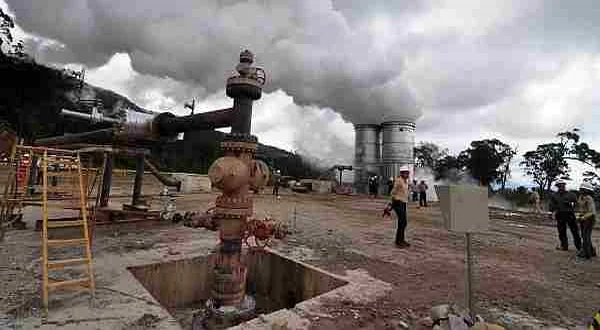
The scale of the two companies highlights why their cooperation is essential for Indonesia’s energy security. As of 2014, PGN operated over 6,000 kilometers of gas pipelines, controlling roughly 80% of the country’s downstream gas distribution. Meanwhile, Pertagas possessed a significant network of transmission pipelines and was aggressively expanding its reach to support Pertamina’s upstream assets.
In the 2013 fiscal year, PGN reported a net profit of approximately USD 805 million, demonstrating its financial prowess. Pertagas, while smaller in terms of distribution volume, remained a highly profitable subsidiary for Pertamina, contributing significantly to the parent company’s non-oil revenue. The overlap in their business models—where both companies acted as both transporters (toll-fee based) and traders (margin-based)—created a fundamental conflict of interest.
The Indonesian government’s "Open Access" policy, regulated under Minister of Energy and Mineral Resources Regulation No. 19/2009, further complicated the relationship. The policy required pipeline owners to allow third parties to use their infrastructure for a fee. PGN, which owned the majority of the distribution pipes, was often accused of resisting open access to protect its trading margins, while Pertagas and other traders pushed for greater transparency and access.

Expert Reactions and Market Implications
The announcement that the merger was merely a disciplinary tool drew mixed reactions from energy analysts. Sofyano Zakaria, Director of the Center for Public Policy Studies (Puskepi), expressed concern over the inconsistency of government policy. Zakaria argued that the plan to merge Pertagas into PGN contradicted the broader roadmap of the Ministry of SOEs, which had previously aimed to create a powerful energy holding company with Pertamina at the helm.
"This plan is quite surprising because it deviates from the strategy of building a strong holding company for similar business concepts," Zakaria stated. He emphasized that in a logical business structure, the gas sector should be integrated under a single "National Gas Holding" to eliminate the very inefficiencies and "unhealthy competition" that Dahlan Iskan lamented.
From a market perspective, the "merger threat" created significant volatility for PGN’s stock (ticker: PGAS) on the Indonesia Stock Exchange. Investors were wary of the uncertainties regarding corporate governance and the potential for a forced valuation that might not favor minority shareholders. The Minister’s recent statement that the merger is no longer urgent may provide some relief to the capital markets, though it leaves the long-term structural issues of the gas sector unresolved.
The Cirebon-Semarang Pipeline: A Case Study in Cooperation
The breakthrough in the Cirebon-Semarang (Cisem) pipeline project serves as the primary evidence for the Minister’s claim that his strategy worked. The 285-kilometer pipeline is a critical link intended to transport gas from East Java to the industrial hubs in Central and West Java. For years, the project was a symbol of bureaucratic and inter-company gridlock.
Under the new agreement reached after the "merger threat," the two companies have reportedly defined their respective roles. This cooperation is expected to accelerate the construction timeline, which is vital for reducing the industrial sector’s dependence on expensive imported fuels and shifting toward domestic natural gas. Minister Dahlan Iskan noted that once the "threat" was on the table, the two companies stopped "glancing at each other with suspicion" and began to align their technical teams.
Broader Implications for National Energy Policy
While the immediate crisis of cooperation appears to have been averted, the underlying issues of Indonesia’s gas market remain. The "unhealthy competition" described by the Minister is a symptom of a regulatory environment where the roles of "aggregator," "transporter," and "trader" are not clearly separated.
The decision to stall the merger suggests that the government is currently prioritizing immediate infrastructure progress over long-term structural reform. However, analysts warn that without a formal integration or a clearer regulatory framework, the rivalry between Pertagas and PGN could resurface once the political pressure from the current ministry subsides.
The implications of this "threat-based" management style are significant:
- Infrastructure Efficiency: If the cooperation holds, Indonesia could see a faster expansion of its domestic gas grid, benefiting the manufacturing and power sectors.
- SOE Governance: The use of mergers as a disciplinary tool rather than a purely economic or strategic move raises questions about the long-term stability of SOE planning.
- Energy Prices: Improved coordination between the two largest gas entities could lead to more efficient supply chains, potentially lowering the cost of gas for end-consumers.
Conclusion
Minister Dahlan Iskan’s revelation that the Pertagas-PGN merger was an "empty threat" highlights the unique challenges of managing state-owned enterprises in a competitive market. By leveraging the possibility of a corporate takeover, the Ministry of SOEs successfully forced a truce between two of the country’s most powerful energy players.
As of mid-2014, the focus has shifted from corporate consolidation to project execution. The "urgency" for a merger may have vanished in the eyes of the Minister, but the mandate for these two companies to serve the national interest remains. Whether this newfound spirit of cooperation will survive the transition of government or the complexities of the global energy market remains to be seen. For now, the "Energy War" between Pertagas and PGN has entered a period of ceasefire, driven by the pragmatic realization that in the eyes of the state, cooperation is not an option, but a requirement for survival.