JAKARTA – In a significant stride towards bolstering digital security and consumer protection, Indonesia’s Ministry of Communication and Digital (Komdigi) has announced the successful capture of over 10 million biometric data points from mobile subscribers within a mere 22 days of the official implementation of biometric-based subscriber registration. This milestone marks the early success of the Ministerial Regulation (Permen) Komdigi Number 7 of 2026, which mandates the utilization of biometric technology in the registration process for telecommunications services.
The regulation, initially issued in January 2026 and taking full effect on July 1, 2026, mandates that all new and existing SIM card registrations must undergo facial recognition verification. This policy represents a pivotal shift in how subscriber identities are managed, aiming to create a more robust and secure digital ecosystem.
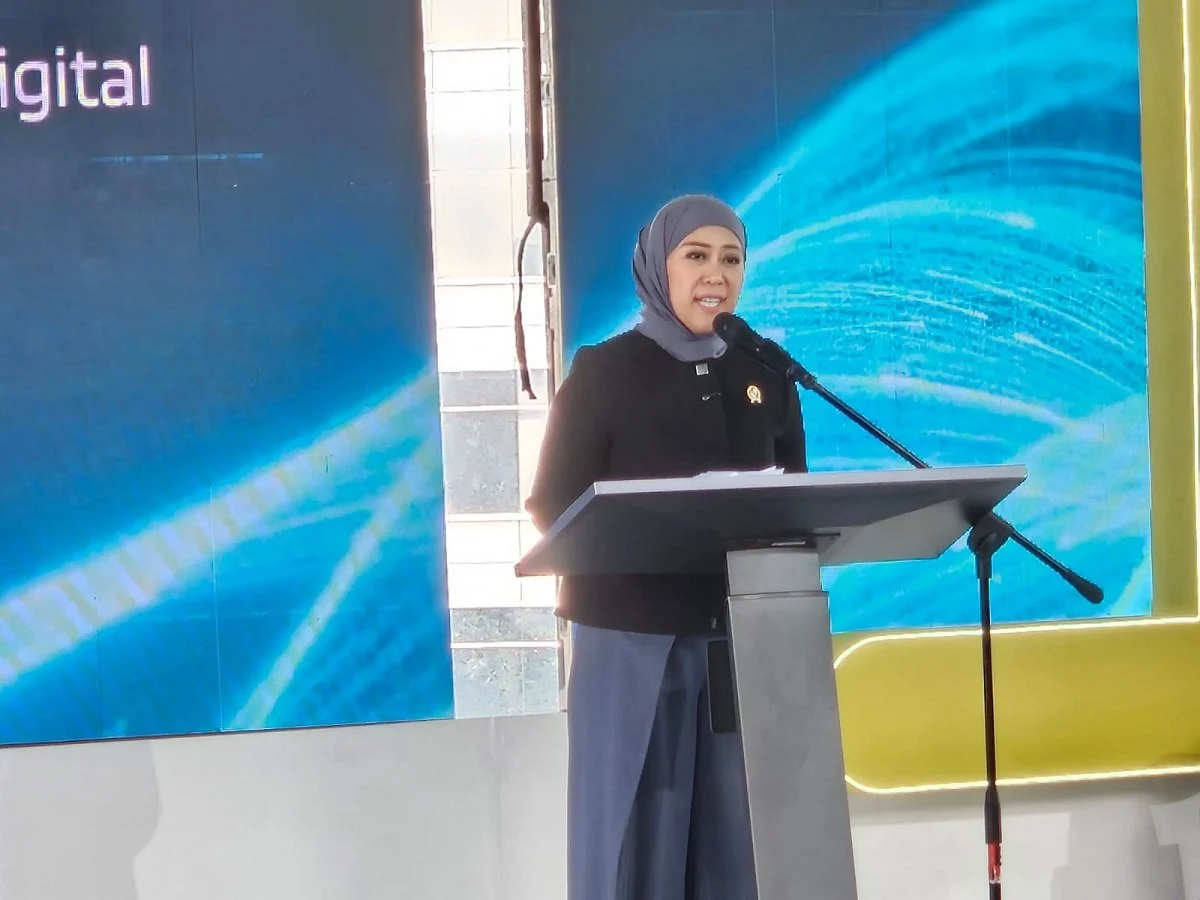
"Within this timeframe, over 10 million biometric data points from cellular operator subscribers have been collected," stated Minister of Communication and Digital (Komdigi) Meutya Hafid during a joint commitment event for the implementation of biometric data-based subscriber registration, held at the Garuda Spark Innovation Hub in Central Jakarta on Thursday, July 23, 2026.
Background and Rationale Behind Biometric Registration
The introduction of mandatory biometric registration stems from a growing concern over the misuse of mobile numbers for illicit activities. In an increasingly digital world, unregistered or falsely registered SIM cards have become a common tool for perpetrators of fraud, scams, cyberbullying, and even more serious criminal offenses. These activities often exploit the anonymity afforded by untraceable phone numbers, making it challenging for law enforcement to identify and apprehend those responsible.
Minister Meutya Hafid emphasized that the primary objective of this biometric registration policy is to significantly enhance consumer protection against various digital crimes. These crimes frequently leverage mobile numbers that are either linked to fake identities or have not undergone proper verification. The government’s intervention, she explained, is a necessary measure to safeguard citizens from the escalating threats of digital malfeasance.
"The state needs to be present to secure the public from digital crimes, especially those that arise from the use of mobile numbers without real identities or by employing fake National Identification Numbers (NIK)," Minister Meutya stated, underscoring the government’s commitment to creating a safer online environment.
A Timeline of Implementation and Progress
The journey towards biometric registration began with the issuance of Permen Komdigi Number 7 of 2026 in January 2026. This period allowed for the necessary preparations, including the development of technological infrastructure, the training of personnel, and the communication of the new regulations to both telecommunications operators and the public.
- January 2026: Permen Komdigi Number 7 of 2026 is officially published, outlining the framework for biometric subscriber registration.
- January – June 2026: Telecommunications operators and relevant government agencies undertake preparatory work, including system development, testing, and public awareness campaigns.
- July 1, 2026: The regulation officially comes into effect. All new SIM card registrations and re-registrations are mandated to include facial recognition verification.
- July 1 – July 22, 2026 (22 days): Over 10 million biometric data points are successfully captured.
- July 23, 2026: Minister Meutya Hafid announces the initial success and sets a new target for the coming month.
The rapid pace at which over 10 million data points were collected in just over three weeks suggests a relatively smooth rollout and a high degree of public cooperation. This efficiency is likely attributable to the widespread adoption of smartphones and the existing familiarity with SIM card registration processes, albeit with a new technological layer.
Supporting Data and Technological Framework
The success of this initiative is underpinned by advanced biometric technology, specifically facial recognition. This technology works by capturing unique facial features of an individual and converting them into a digital template. This template is then compared against existing databases, such as the national identity database, to verify the authenticity of the subscriber.
While specific figures on the number of registered users versus the total active mobile subscriber base in Indonesia were not provided in the initial announcement, industry reports indicate that Indonesia has one of the largest mobile markets in Southeast Asia, with hundreds of millions of active SIM cards. Capturing 10 million biometric data points in the first 22 days represents a substantial percentage of new registrations and re-registrations, demonstrating the policy’s immediate impact.
To put this into perspective, if we consider a conservative estimate of the total active SIM cards in Indonesia (often cited as being well over 300 million), the initial 10 million biometric records represent a significant portion of the active subscriber base that has likely undergone a recent registration or re-registration process. The target of an additional 10 million in the next month suggests an expectation of continued high engagement.
Government’s Ambitious Targets and Future Outlook
Komdigi is not resting on its initial laurels. The ministry is actively encouraging the acceleration of the biometric registration implementation. Minister Meutya Hafid expressed the government’s expectation that the number of collected biometric data points will increase by another 10 million within the next month. This ambitious target signals a strong commitment to rapidly achieving comprehensive biometric coverage of the mobile subscriber base.
This aggressive push is driven by the understanding that the sooner a complete and verified database is established, the sooner the benefits of enhanced security and crime prevention can be fully realized. It also implies a confidence in the scalability and efficiency of the current system.
Broader Implications and Analysis
The widespread adoption of biometric registration has several significant implications for Indonesia’s digital landscape:
- Enhanced National Security: By linking mobile numbers to verified identities, the government gains a powerful tool to combat terrorism, organized crime, and other activities that rely on anonymous communication channels. This can lead to more effective investigations and a reduction in the incidence of crimes committed via mobile phones.
- Reduced Fraud and Scams: Many phishing attempts, SMS scams, and online fraud schemes originate from untraceable numbers. Biometric registration makes it significantly harder for fraudsters to operate anonymously, thereby protecting citizens from financial and personal loss.
- Improved Consumer Protection: Beyond crime prevention, verified identities can also streamline customer service for telecommunications providers. It can also help in resolving disputes and ensuring that users are who they claim to be when accessing various digital services.
- Foundation for Digital Identity: This initiative can serve as a foundational step towards a more comprehensive national digital identity system. As more citizens become accustomed to biometric verification for their mobile services, it could pave the way for the adoption of similar technologies for other essential services.
- Privacy Concerns and Data Security: While the benefits are substantial, the collection of sensitive biometric data also raises privacy concerns. Komdigi, alongside telecommunications operators, will be under scrutiny to ensure the robust security of these databases against breaches and unauthorized access. Clear policies on data usage, retention, and protection are paramount. The government has assured the public that the collected data will be handled with the utmost confidentiality and security, in compliance with existing data protection laws.
- Digital Divide: While Indonesia has high mobile penetration, there might still be segments of the population, particularly in remote areas or among older demographics, who may face challenges in accessing or utilizing biometric registration. Efforts to ensure inclusivity and provide alternative support mechanisms will be crucial.
Reactions from Related Parties (Inferred)
While direct quotes from telecommunications operators or consumer advocacy groups were not included in the initial report, it is logical to infer certain reactions:
- Telecommunications Operators: Likely welcomed the clear regulatory framework, which provides them with a defined path for compliance. The initial success suggests that the technological integration and operational adjustments have been manageable. They would be keen to see the long-term benefits of a more secure subscriber base, potentially leading to reduced instances of SIM card fraud impacting their operations.
- Law Enforcement Agencies: Would view this initiative as a significant boon, providing them with a more direct and reliable means of tracing and apprehending individuals involved in digital crimes. The ability to quickly link a mobile number to a verified identity would dramatically speed up investigations.
- Consumer Advocacy Groups: While generally supportive of measures that enhance consumer protection, these groups would likely be vigilant regarding data privacy and security. They would advocate for transparency in how biometric data is collected, stored, and used, and ensure that individuals have recourse in case of data misuse or breaches. They might also push for clear guidelines on how individuals can access or correct their biometric data if needed.
Conclusion
The Indonesian Ministry of Communication and Digital’s successful capture of over 10 million biometric data points in just 22 days is a testament to the nation’s commitment to advancing its digital security infrastructure. The biometric registration policy, driven by Permen Komdigi Number 7 of 2026, represents a proactive and necessary step in combating digital crime and safeguarding its citizens. With an ambitious target to double this figure in the coming month, Indonesia is clearly prioritizing the rapid establishment of a secure and verifiable mobile subscriber base. As this initiative progresses, continued focus on data security, privacy, and inclusivity will be critical to ensuring its long-term success and the trust of the Indonesian public.