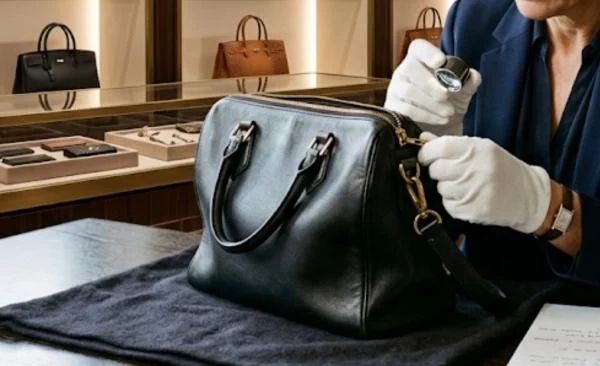
The landscape of luxury consumption in Indonesia is undergoing a profound transformation as the preloved or second-hand high-end goods market matures into a sophisticated ecosystem. Once a niche segment relegated to small circles of collectors, the trade of pre-owned luxury items—particularly designer handbags—has evolved into a significant economic pillar within the nation’s retail sector. This growth is driven not only by a desire for more accessible price points but also by a shift in consumer perception, where luxury items are increasingly viewed as liquid assets rather than mere discretionary purchases. Central to this evolution is the emergence of advanced consignment systems, known locally as "titip jual," which are now incorporating innovative financial features such as early payout options to meet the growing demand for liquidity among the country’s affluent and middle-class demographics.
The Shift Toward a Circular Luxury Economy
In recent years, Indonesia has emerged as one of Southeast Asia’s most vibrant markets for luxury goods. However, the traditional model of buying new from primary boutiques is being challenged by a robust circular economy. This shift is fueled by several factors, including the rising prices of new luxury items—often outpacing inflation—and the increasing awareness of sustainable fashion. For many Indonesian consumers, purchasing a pre-owned Hermès, Chanel, or Louis Vuitton bag is no longer just a lifestyle choice; it is a strategic investment.
The "titip jual" or consignment model has become the preferred method for many owners looking to divest their collections. Under this arrangement, the owner of a luxury item entrusts it to a professional service provider or boutique. The provider takes on the responsibility of authenticating the item, marketing it through established channels, and managing the final transaction. This model offers a significant advantage over direct peer-to-peer selling, which often involves high risks regarding payment security and the tedious process of dealing with potential buyers.
Innovation in Liquidity: The Early Payout Mechanism
A significant pain point in the traditional consignment model has always been the waiting period. Owners typically had to wait until a buyer was found and the transaction finalized before receiving their funds. In a market where luxury goods are often used as a form of "emergency fund" or a way to quickly pivot capital into new investments, this delay can be a deterrent.
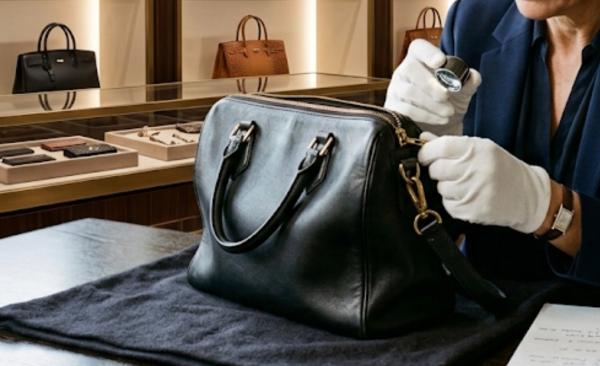
Addressing this gap, several prominent players in the Indonesian luxury market, such as deGaiya, have introduced "early payout" or "dana cepat" facilities. Silvia Lie, a luxury bag expert from deGaiya, notes that this trend has emerged from a specific need for speed without sacrificing the asset’s market value. Under this new scheme, after a bag undergoes a rigorous multi-stage authentication and valuation process, the consignment platform offers the owner a portion of the estimated sale price upfront.
"The primary challenge for customers in the past was the uncertainty of the timeline. They wanted the best price, which consignment offers, but they also needed immediate funds," Lie explained. By providing dana lebih awal (early funds), platforms allow sellers to maintain the potential for a high sale price while gaining immediate liquidity. This hybrid model combines the benefits of a direct "buy-out" (where the store buys the item at a lower wholesale price) and "consignment" (where the owner waits for a higher retail price).
Chronology of the Preloved Market Development in Indonesia
The journey of Indonesia’s preloved luxury market can be traced through several distinct phases:
- The Informal Era (Early 2000s – 2010): Luxury resale was largely informal, conducted through word-of-mouth among socialites or through small, unverified classified ads. Trust was the only currency, and the risk of counterfeits was high.
- The Forum and Social Media Boom (2011 – 2017): The rise of platforms like BlackBerry Messenger (BBM), Instagram, and Facebook groups allowed sellers to reach a wider audience. This period saw the birth of "Personal Shoppers" and the first wave of specialized Instagram-based luxury resellers.
- Professionalization and Physical Boutiques (2018 – 2022): The market saw the establishment of professional entities with physical showrooms in major cities like Jakarta and Surabaya. These businesses invested in professional photography, climate-controlled storage, and basic authentication services.
- The Fintech and Institutional Era (2023 – Present): The current phase is characterized by the integration of financial technology. Authentication is now often backed by AI-driven technology (like Entrupy), and consignment services are offering sophisticated financial products like the early payout systems mentioned by Silvia Lie.
Supporting Data: Market Valuation and Consumer Behavior
Global market data supports the trends observed in Indonesia. According to reports from Bain & Company, the global pre-owned luxury market reached approximately €45 billion in 2023, growing significantly faster than the market for new luxury goods. In Indonesia, the growth is particularly pronounced among Gen Z and Millennial consumers, who represent over 50% of the luxury resale market activity.
Data from local Indonesian resale platforms indicates that "Investment Grade" bags—specifically the Hermès Birkin, Kelly, and certain Chanel Classic Flap models—retain between 80% to 120% of their original retail value in the secondary market. The introduction of early payout systems is expected to increase the volume of transactions in this sector by an estimated 25% annually, as more owners feel comfortable using their wardrobes as a rotating source of capital.

The Critical Role of Authentication and Trust
The bedrock of this multi-billion rupiah industry is authenticity. As the market grows, so does the sophistication of "super-fakes"—counterfeit items that are nearly indistinguishable from the originals. For consignment platforms, the appraisal process is exhaustive. It involves checking leather quality, stitching patterns, hardware weight, date codes, and brand-specific "hallmarks."
The shift toward early payout systems places even more pressure on these platforms. Since the platform is essentially advancing its own capital to the seller, the risk of miscalculating an item’s authenticity or market value falls squarely on the service provider. This has led to an increased reliance on third-party verification and a professionalization of the "appraiser" role in Indonesia, creating new career paths within the fashion-finance intersection.
Official Responses and Economic Implications
Financial analysts in Jakarta suggest that the formalization of the luxury resale market has broader economic implications. By turning luxury goods into more liquid assets, the market encourages higher velocity of money within the retail sector. Furthermore, it creates a "wealth effect" among the middle class, who feel more secure in their high-end purchases knowing there is a guaranteed "exit strategy" for their assets.
While there is currently no specific regulation governing the luxury resale market beyond general consumer protection and trade laws, industry leaders are calling for more standardized practices. The move by experts like Silvia Lie to publicize these new consignment models is seen as a step toward more transparent and consumer-friendly market standards.
Broader Impact and Future Outlook
The evolution of the preloved luxury market in Indonesia is a testament to the country’s maturing consumer culture. It reflects a transition from "conspicuous consumption" to "conscious and strategic ownership." As the year 2026 approaches, the integration of digital platforms and financial services within the luxury sector is expected to deepen.

Future trends may include the use of Blockchain for digital certificates of authenticity (NFTs) and the expansion of luxury "rental" services that complement the consignment model. For the average Indonesian luxury enthusiast, the message is clear: the designer bag in their closet is no longer just a fashion statement; it is a versatile financial instrument. With the help of professional consignment services and the innovation of early payout systems, the "circular economy" is not just a buzzword—it is a functional, profitable reality for thousands of collectors across the archipelago.
As the market continues to expand, the focus will likely remain on enhancing the "trust infrastructure." The ability of platforms to provide quick, secure, and fair valuations will determine the winners in an increasingly competitive landscape. For now, the rise of "dana cepat" in the luxury bag sector marks a significant milestone in how Indonesians manage their high-value personal assets, blending the worlds of high fashion and retail finance more seamlessly than ever before.