The tourism landscape in the Pandeglang Regency, specifically within the Tanjung Lesung Special Economic Zone (SEZ), remains largely unaffected by the current geological status of Mount Anak Krakatau. While the volcanic island situated in the Sunda Strait continues to maintain a Level III (Siaga/Alert) status, local authorities and industry stakeholders have confirmed that operations, visitor arrivals, and recreational activities are proceeding as scheduled. The prevailing consensus among experts and local officials is that the distance between the volcanic site and the mainland coast of Banten provides a significant buffer, ensuring that the primary tourism hubs in Pandeglang remain safe for travelers.
Contextualizing the Volcanic Activity of Mount Anak Krakatau
Mount Anak Krakatau, a volcanic cone that emerged from the caldera of the legendary 1883 Krakatoa eruption, has been a focal point of geological monitoring by the Indonesian Center for Volcanology and Geological Hazard Mitigation (PVMBG) for decades. The current Level III (Siaga) status indicates that the volcano is undergoing increased seismic and magmatic activity, necessitating a restricted zone around the summit. According to official guidelines, residents, tourists, and fishermen are strictly prohibited from entering a radius of five kilometers from the active crater.
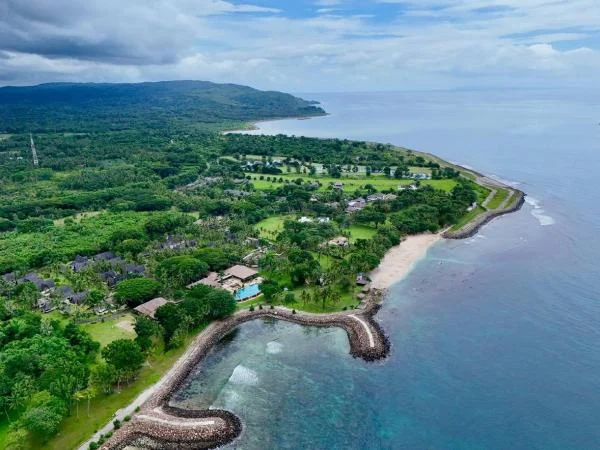
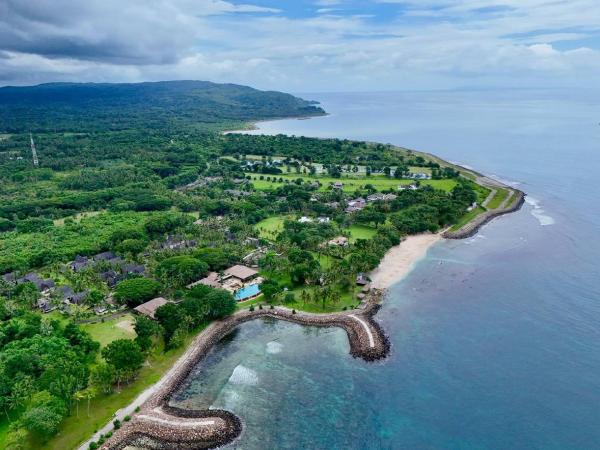
However, it is crucial to distinguish between the restricted maritime area surrounding the volcano and the coastal regions of the Banten province. Tanjung Lesung, a premier destination known for its white sand beaches and sport tourism facilities, is situated well outside the danger zones defined by the geological agency. The geographical separation serves as the primary safeguard for the regional tourism sector, preventing the volcanic activity from disrupting the local economy.
Visitor Sentiment and Operational Continuity
Despite the headlines surrounding the volcanic alert, the day-to-day operations at Tanjung Lesung have demonstrated remarkable resilience. Interviews with tourists arriving in the area suggest that the majority of travelers are performing due diligence by verifying information through official channels before proceeding with their itineraries.
Yanuar, a 39-year-old traveler from Jakarta who recently visited the region with his family, noted that the initial concern regarding volcanic news was quickly mitigated by the realization of the physical distance involved. "Before we finalized our travel plans, we took the time to check the official advisories and maps. Once we understood that Tanjung Lesung is geographically removed from the immediate hazard zone of Anak Krakatau, we felt confident in moving forward," Yanuar stated. He added that upon arrival, the atmosphere was tranquil, with children enjoying the coastal facilities and the hospitality sector operating without any visible signs of distress.
This sentiment is echoed by local hospitality operators who have observed that while inquiries regarding safety are common during periods of volcanic activity, actual cancellations remain minimal. The consistent flow of visitors highlights the success of effective public communication strategies, which have helped distinguish between genuine safety threats and routine volcanic monitoring updates.
The Economic Significance of Tanjung Lesung
Tanjung Lesung holds a strategic position in Indonesia’s national tourism strategy. Designated as a Special Economic Zone, the area is designed to integrate world-class recreational facilities, sustainable marine tourism, and professional sports infrastructure. The destination has increasingly pivoted toward "sport tourism," offering activities such as fishing tournaments, water sports, and endurance racing, which have helped diversify its appeal beyond traditional leisure tourism.
The stability of this zone is critical for the regional economy of Pandeglang. The tourism sector here supports thousands of jobs, ranging from hospitality staff and tour operators to local vendors and artisans. Any unfounded fear regarding volcanic safety poses a risk to these livelihoods, making the clear and objective dissemination of geological information a priority for both the government and the private sector.
Monitoring and Safety Protocols: A Multi-Agency Approach
The safety of coastal regions in the Sunda Strait is managed through a sophisticated network of monitoring stations. The PVMBG, in coordination with the National Disaster Management Agency (BNPB) and the Meteorology, Climatology, and Geophysics Agency (BMKG), operates continuous observation systems. These include seismic sensors, tiltmeters, and satellite imagery analysis, which provide real-time data on the volcanic island.

This data is used to inform the public and regional governments, allowing for evidence-based decision-making. Official protocols require that if activity levels shift, immediate notifications are disseminated through SMS alerts, community leaders, and official social media channels. As of the current reporting, no changes in the status of the coastal regions have been mandated. The authorities continue to emphasize that as long as the public remains outside the designated five-kilometer exclusion zone of the crater, daily life and tourism activities in coastal Banten can proceed normally.
Addressing Misconceptions and the Role of Information
In the digital age, the rapid spread of information—and occasionally, misinformation—can significantly impact travel patterns. When news of a volcanic eruption breaks, international and domestic media outlets often report on the event in a way that may lead casual readers to believe an entire region is affected.
Industry experts suggest that the "fear factor" associated with the name "Krakatau" is often more significant than the actual risk to the mainland. By providing clear context, such as the specific distance of the volcano from population centers and the precise nature of the alert level, stakeholders have been able to maintain a steady influx of tourists. Educational efforts are now being integrated into travel packages, where guests are provided with verified information on the geology of the region, turning a moment of uncertainty into an opportunity for geological education.
Future Outlook and Resilience
The long-term resilience of the tourism industry in Tanjung Lesung is underpinned by robust infrastructure and a proactive approach to crisis management. The development of early warning systems and the training of tourism personnel in emergency response have created a framework where safety is treated as a foundational element of the visitor experience.
Looking ahead, the focus for the region remains on sustainable growth. By promoting diverse activities—such as the emerging sport tourism market, which includes competitive fishing and professional water sports—Tanjung Lesung is building a multifaceted economy that is less susceptible to single-point disruptions. The authorities continue to monitor the situation at Mount Anak Krakatau with vigilance, ensuring that any shifts in data are translated into actionable, transparent, and accurate guidance for the public.

For travelers planning their trips to Banten, the message remains consistent: the region is open, safe, and ready to welcome visitors. By relying on official government portals and verified news sources, tourists can enjoy the unique natural beauty of the Tanjung Lesung coastline with full confidence in their safety. The interplay between the dynamic geological nature of the Indonesian archipelago and the development of the tourism industry continues to be a testament to the region’s ability to thrive in harmony with its natural environment.
In conclusion, the situation at Mount Anak Krakatau serves as a reminder of the necessity of maintaining a balanced perspective. While the volcano remains an active geological entity that demands respect and constant observation, it does not preclude the normalcy of daily life in the surrounding districts. The resilience displayed by both the tourism sector and the traveling public in Tanjung Lesung is a clear indicator that informed caution, rather than alarmism, is the best approach to navigating the unique challenges of a volcanic landscape.