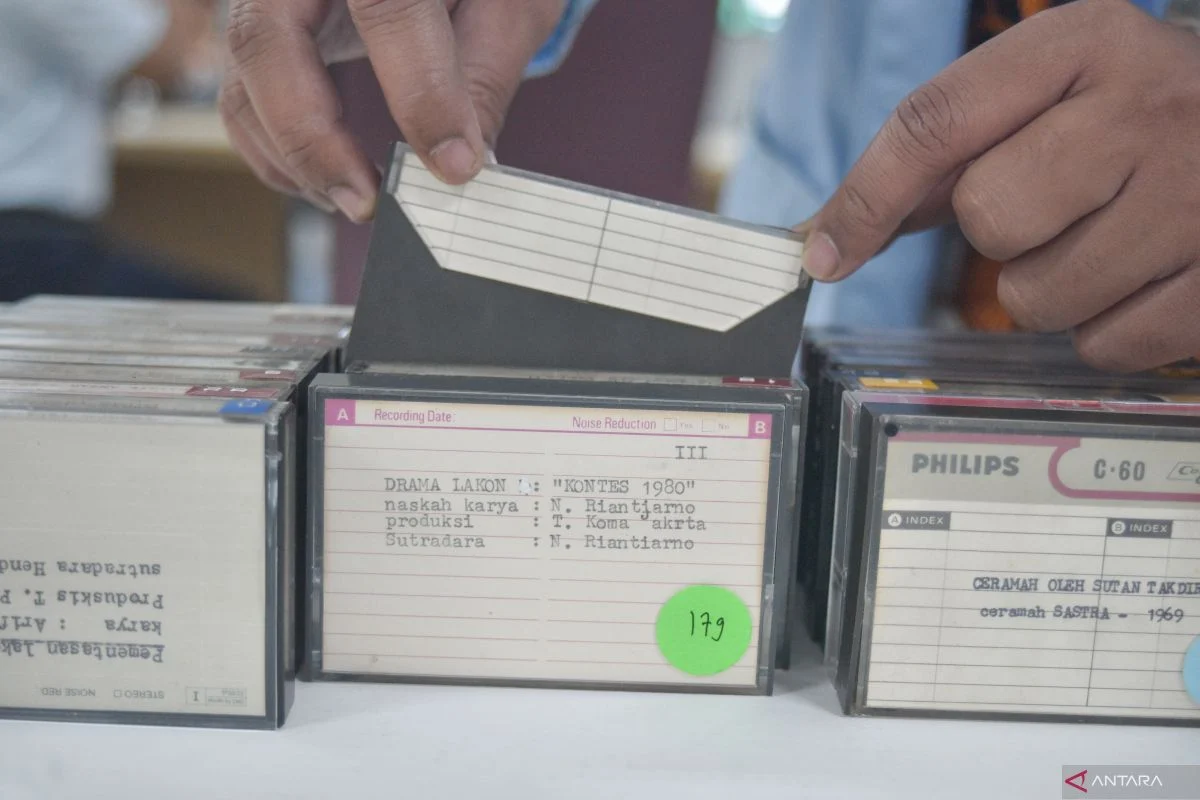
The dominance of digital streaming in the modern music landscape faces an unexpected counter-movement as Generation Z and younger consumers increasingly embrace analog formats, turning compact discs, cassette tapes, vinyl records, and vintage cameras into sought-after cultural commodities. Far from being a fleeting novelty, this revival is reshaping global music consumption patterns, proving that tangible media offers psychological and aesthetic rewards that algorithms and cloud-based libraries simply cannot replicate.
Recent data from the Recording Industry Association of America (RIAA) highlights this physical renaissance. In the first half of 2026, compact disc sales in the United States surged to 17.5 million units, marking a substantial increase from approximately 12 million units during the same period in the previous year. Concurrently, vinyl record sales sustained their multi-year growth trajectory, while the broader "other physical" category—which encompasses cassette tapes and niche formats—experienced an explosive year-over-year jump exceeding 70 percent. Despite streaming services retaining their status as the primary revenue engine for the global music industry, the parallel ascent of physical media signals a fundamental shift in how younger demographics interact with art.
The Evolution of a Cultural Phenomenon: A Timeline of the Analog Revival
The return of physical music formats did not happen overnight; it represents a gradual cultural correction spanning over a decade. The resurgence began earnestly in the early 2010s with the unexpected revival of the vinyl record, initially driven by independent record stores and older audiophiles. However, the movement entered a new phase between 2018 and 2022, as mainstream pop acts and K-pop groups began leveraging physical albums as collectible visual artifacts, incorporating intricate packaging, randomized photocards, and limited-edition colorways.
By 2024 and 2025, this trend expanded beyond vinyl to encompass cassette tapes and compact discs, spearheaded by both independent alternative bands and major pop superstars. Independent labels and legacy acts worldwide began issuing limited cassette pressings to cater to dedicated fanbases. By mid-2026, the movement solidified into a recognized consumer demographic shift, where younger buyers—many of whom grew up entirely in the smartphone era—actively sought out physical items not merely as playback devices, but as tangible anchors in an increasingly virtual world.
Dissecting the Appeal: Seven Drivers Behind the Physical Music Boom
Market analysts and cultural observers attribute the enduring popularity of analog formats among digital natives to several distinct psychological, aesthetic, and economic factors.
1. The Quest for Intentional Listening Experiences
Digital streaming platforms offer unprecedented convenience, allowing users to stream tens of millions of tracks instantly via a smartphone and an internet connection. Yet, this extreme accessibility often leads to passive consumption, where music serves as mere background noise. In contrast, physical formats demand deliberate engagement. The ritual of handling a CD jewel case, sliding out liner notes, inspecting artwork, and physically placing the disc into a tray transforms listening into an active, mindful ceremony. Observers note that this desire for intentionality reflects a broader psychological pushback against perpetual digital multitasking.
2. Tangible Ownership and Personal Identity
In an era where music exists purely as digital files licensed through cloud services, consumers technically own nothing; they merely rent access. Physical albums restore a genuine sense of ownership. Furthermore, a physical music collection serves as an outward projection of personal identity and taste. Displaying vinyl records, cassettes, or CDs on shelves or bedroom walls allows young consumers to curate their physical environments and visually signal their artistic affinities. This identity-driven consumption has been heavily amplified by K-pop fandom culture, where multi-version CD releases encourage collectors to display entire sets as interior design elements.
3. Retro Aesthetics and the Allure of Nostalgia
Curiously, much of the demand for 1990s and early 2000s artifacts—including cassette tapes, vintage digital cameras, and transparent electronic devices—comes from consumers who were either infants or entirely unborn during the original heyday of these technologies. For this younger demographic, retro hardware does not evoke personal childhood memories; rather, it represents a striking visual aesthetic. The physical heft, tactile buttons, and mechanical imperfections of analog devices contrast sharply with the hyper-minimalist, glass-and-metal uniformity of modern smartphones.
4. Combating Digital Fatigue
Modern life is mediated almost entirely through glowing screens. From professional communication and education to entertainment, financial management, and socializing, virtually every daily activity occurs within the confines of digital interfaces. The embrace of analog devices acts as a form of digital detox. By engaging with non-connected hardware, consumers can enjoy leisure activities without the constant distraction of push notifications, algorithm-driven recommendations, and pop-up advertisements.
5. Distinct Visual and Fashion Appeal
Beyond their primary function as audio containers, analog formats possess high visual and material value. Intricate gatefold sleeves, typography choices, cassette shell colors, and vintage industrial designs function as wearable or displayable art. Consequently, physical media has successfully integrated into modern fashion and lifestyle subcultures. Items once discarded during the early digitization wave are now styled as retro accessories, props for social media content, and prominent elements of contemporary interior decor.
6. Direct Financial Support for Artists
In the contemporary streaming economy, artists frequently voice concerns over microscopic per-stream royalty payouts, which often leave independent and mid-tier musicians struggling to sustain their careers. Purchasing a physical record, CD, or cassette provides a direct, impactful revenue stream for creators. For dedicated fans, buying physical merchandise is viewed as an ethical transaction—a tangible way to directly subsidize the continued output of their favorite artists while securing a collectible memento in return.
7. The Thrill of the Hunt and Collecting as a Hobby
As physical music ownership becomes less ubiquitous, the act of collecting transforms into an engaging hobby. Sourcing rare pressings, hunting for vintage releases in thrift stores, cleaning vinyl grooves, and maintaining specialized audio equipment offer a gamified, tactile satisfaction. Intriguingly, market data reveals that a notable percentage of young CD and cassette buyers do not even own functional playback equipment; they acquire the items purely for their collectible value, treating music albums much like traditional art prints or trading cards.
Industry Implications and the Coexistence of Digital and Analog
Despite the impressive statistical growth of compact discs, vinyl, and cassettes, industry analysts emphasize that physical formats are not poised to overthrow digital streaming. The economic disparity remains vast; streaming platforms continue to account for the overwhelming majority of global music consumption and revenue generation. Instead of a zero-sum replacement war, the current market represents a pluralistic ecosystem where analog and digital formats comfortably coexist.
For major record labels and independent distributors alike, the physical revival offers a lucrative diversification strategy. By offering limited-edition vinyl variants, nostalgic cassette releases, and deluxe CD packages alongside standard digital availability, the music industry can successfully monetize different segments of the consumer base.
Ultimately, the resurgence of analog media in the mid-2020s transcends a simple longing for antiquated technology. It reflects a deeper cultural evolution: a generation seeking tangible connection, aesthetic individuality, and deliberate engagement in a world dominated by invisible data. Whether spinning a vinyl record or displaying an unopened cassette on a shelf, modern music consumers are demonstrating that the physical manifestation of art still holds irreplaceable value.