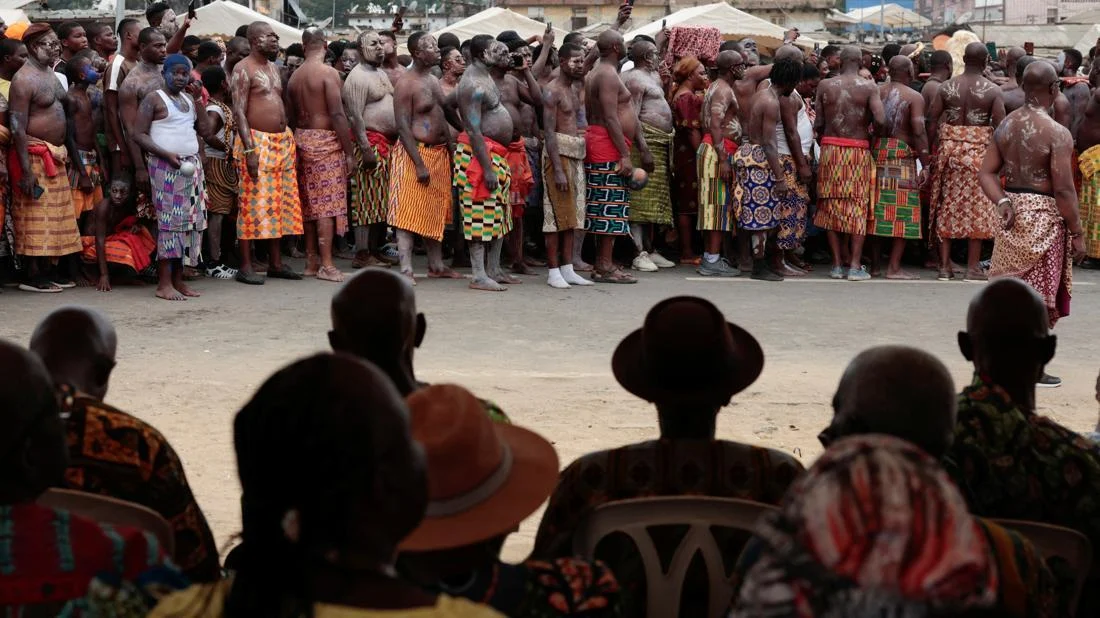
The Fatchue tradition, a profound cultural phenomenon celebrated by the Atchan people in Adjamé, Abidjan, Côte d’Ivoire, once again captured the world’s attention between August and September 2026. This elaborate festival is far more than a mere public gathering; it serves as a cornerstone of the Atchan social fabric, functioning as both a coming-of-age rite and a meticulously structured mechanism for intergenerational leadership succession. As modernization rapidly alters the landscape of West African societies, the persistence of Fatchue offers a window into the resilience of indigenous governance and the preservation of ancestral identity.
The Socio-Cultural Significance of Fatchue
The Atchan people, also known as the Ébrié, have inhabited the region around the Ebrié Lagoon for centuries. Their social structure is defined by a complex generational system known as the "Age-Grade" system. Fatchue acts as the public manifestation of this system. It is during this period that the baton of leadership—symbolic and administrative—is transferred from the outgoing generation to the incoming one.

In the context of the Atchan, a "generation" is not merely a chronological cohort but a political and social unit that holds power for a specific, predetermined duration. The Fatchue festival marks the moment when these cohorts transition into their new roles. For the youth participating in these rites, it is a period of intense cultural education. They are instructed in the values of bravery, communal responsibility, and the intricate rules of social conduct that maintain harmony within the village.
A Chronology of the 2026 Rituals
The 2026 iteration of the festival followed a traditional timeline that has been refined over centuries. Preparation began months in advance, involving clandestine meetings among village elders to coordinate the logistics of the transition.
By mid-August, the atmosphere in Adjamé began to shift as participants donned ceremonial attire. The early phase of the festival focuses on purification and spiritual preparation, ensuring that those assuming new leadership roles are spiritually aligned with the ancestors. As the festival progressed into late August, the focus shifted to public displays of strength and discipline. Young men, dressed in elaborate warrior regalia, performed dances that mimicked historical battles and ancestral maneuvers. These performances are not mere entertainment; they serve as a visual history lesson for the community, reinforcing the warrior ethos of the Atchan people.

By September, the rituals reached their climax. This is the period of the official "handover," where the older generation formally steps back and the younger cohort is integrated into the decision-making councils of the village. This transition is marked by communal feasting, prayers, and the formal recognition of new leaders by the village patriarchs.
The Symbolism of Warrior Regalia and Dance
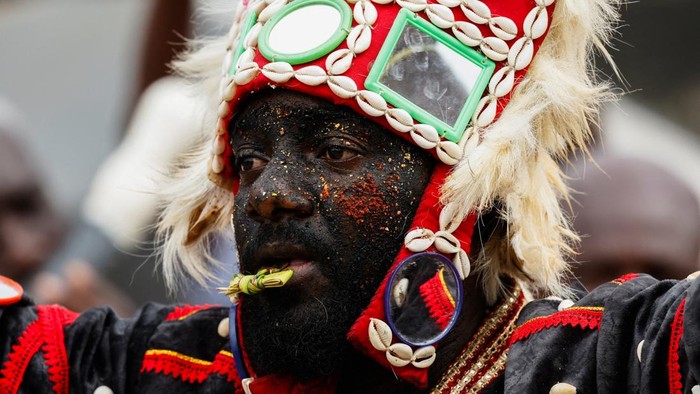
The visual language of Fatchue is rich with symbolism. The clothing worn by the participants often includes elements that harken back to the era of tribal defense and territorial integrity. By wearing these garments, the youth are reminded of their primary duty: to protect the community, both physically and culturally.
The dances performed during the festival are highly choreographed and require months of practice. Each movement is a codified expression of the community’s history. For the Atchan, these performances act as a "living library." In an oral society, where written records of governance were historically absent, the physical manifestation of these rituals ensures that the lessons of the past are not lost to time. The rhythmic beating of drums, the specific patterns of movement, and the chants used during the festivities all serve to synchronize the community, fostering a collective identity that transcends individual family interests.

Data and Demographic Context
While specific statistical data regarding the number of participants in the 2026 Fatchue are gathered by local tribal councils rather than central government agencies, observers from the region note a significant increase in youth participation compared to the last decade. This surge is attributed to a growing "return to roots" movement among the urbanized Atchan youth living in Abidjan.
Approximately 40% of the population in the Abidjan metropolitan area consists of people who identify with local indigenous groups, including the Atchan. As the city continues to expand, the pressure on traditional land and customs has intensified. However, the 2026 festival saw unprecedented levels of engagement, suggesting that the Fatchue tradition is not dying out, but rather evolving to fit the context of a modern, cosmopolitan environment.
Official Perspectives and Community Sentiment
Local community leaders have emphasized that Fatchue is essential for maintaining social order in an era of rapid urbanization. "The Fatchue is our constitution," remarked a village elder during the September proceedings. "Without these rituals, we lose our compass. When a young man participates in Fatchue, he learns that his life is not his own; it belongs to the community. He learns that he has duties before he has rights."
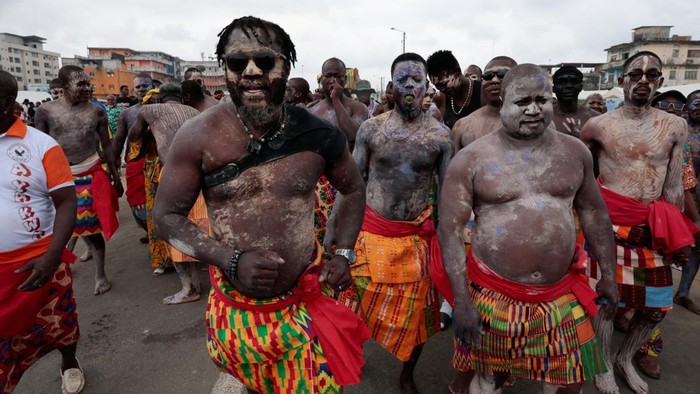
From the perspective of regional authorities in Côte d’Ivoire, such cultural festivals are viewed as valuable assets for national heritage. The government has historically supported the preservation of these rituals, recognizing that they contribute to the stability of the local population by providing a clear framework for conflict resolution and leadership legitimacy. By keeping the youth engaged in these traditions, the community effectively mitigates some of the social issues often associated with urban youth unemployment and disillusionment.
Implications for Modern Governance
The Fatchue tradition offers a fascinating case study in political science and anthropology. It demonstrates how traditional gerontocracy (rule by elders) can coexist with, and even complement, modern administrative structures. In many villages where the Atchan reside, the "official" municipal government and the "traditional" tribal council operate in parallel.
The implications of this are significant. When young people go through the Fatchue, they develop a sense of discipline and respect for hierarchy that often translates into better civic engagement. However, critics sometimes point to the rigid nature of such traditions as a potential barrier to individual freedom or gender equality, given that many of these roles are historically gendered. Despite these critiques, the Atchan people continue to prioritize the festival as a means of ensuring that power is transferred peacefully and according to established social norms.
Preserving Identity in a Changing World
As 2026 draws to a close, the aftermath of the Fatchue festival leaves a lasting impact on the social landscape of Adjamé. The newly transitioned leaders are now tasked with navigating the challenges of the coming years, including land rights disputes, economic shifts, and the integration of new technologies into their traditional lifestyles.
The success of the 2026 Fatchue demonstrates that culture is not a static relic, but a dynamic force. By adapting the rituals to include modern participants—many of whom are professionals, students, or business owners in the heart of a bustling African metropolis—the Atchan are ensuring that their traditions remain relevant.
Ultimately, the Fatchue is a testament to the human need for belonging and continuity. In a world characterized by digital fragmentation and globalized culture, the ability of the Atchan to gather, perform, and transfer the weight of history from one generation to the next remains a powerful example of human resilience. The festival is not merely a celebration of the past; it is a calculated investment in the future of a people determined to maintain their distinct identity while navigating the complexities of the 21st century.
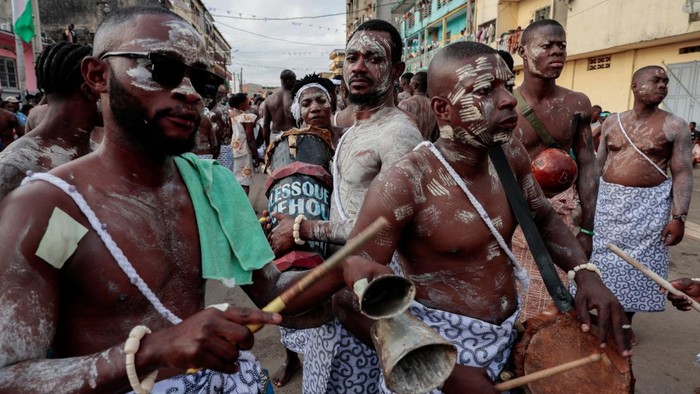
The images from the 2026 event, capturing the vibrant colors of the traditional attire and the focused expressions of the young initiates, serve as a historical record of a community that refuses to fade into the background. As long as the drums continue to sound in the streets of Adjamé during the months of August and September, the Suku Atchan will continue to assert their place in the world, anchored by a tradition that turns the passage of time into a bridge between the ancestors and the descendants yet to come.