Turning 17 is universally recognized in Indonesia as a crucial milestone of transition into legal adulthood, marked by the acquisition of a national identity card (KTP) and an increased capacity for civic and personal independence. Building upon this foundational rite of passage, the Indonesian government is currently formulating a sweeping economic policy designed to automatically grant a formal bank account to every citizen upon reaching their seventeenth birthday. Announced in September, this ambitious initiative aims to bridge historical gaps in financial accessibility, streamline government subsidy distributions, and instill prudent monetary habits among the nation’s burgeoning youth population.
While the overarching framework has been formally introduced by high-ranking economic officials, the operational protocols remain under intensive inter-ministerial review. The policy represents a significant paradigm shift in how the state approaches financial literacy and inclusion, moving from voluntary adoption models to a more integrated, systemic approach that leverages existing demographic data architectures.
Strategic Objectives and the Push for Financial Inclusion
At the heart of the initiative is a concerted drive to expand financial inclusion across the archipelago. Despite significant strides made by regulatory bodies over the past decade, a portion of Indonesia’s vast population remains unbanked or underbanked, particularly in remote regions and among lower-income demographics. By synchronizing national population registry data with formal banking infrastructure, the government intends to eliminate traditional administrative barriers—such as initial deposit requirements, cumbersome paperwork, and geographical distance from bank branches—that often deter young citizens from entering the formal financial system.
This policy builds upon previous cooperative efforts between the government and the Financial Services Authority (OJK), notably the "Satu Rekening Satu Pelajar" (KEJAR) program. The KEJAR initiative was engineered to cultivate early savings habits among school-aged children. Data from the OJK highlights the relative success of these preparatory measures, showing that by 2025, approximately 88 percent of Indonesian students—equating to 58.32 million individuals—had established savings accounts under the program, accumulating a collective savings volume exceeding Rp34 trillion. The new automatic 17-year-old account policy acts as a natural progression from these student-focused savings campaigns into full-fledged adult financial participation.
Implementation Framework and Institutional Roles
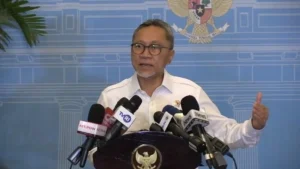
The orchestration of this large-scale rollout involves key state-owned financial institutions and sovereign wealth management entities. According to statements delivered by Coordinating Minister for Economic Affairs Airlangga Hartarto, the execution strategy relies heavily on state-owned banking giants PT Bank Rakyat Indonesia (Persero) Tbk (BRI) and PT Bank Syariah Indonesia Tbk (BSI).
Under the planned distribution matrix, BRI will shoulder the responsibility of handling account openings across the vast majority of Indonesian territories, leveraging its extensive rural and urban branch networks. Meanwhile, BSI has been designated to manage the operational rollout specifically within the Special Autonomy Region of Aceh, aligning the policy with regional regulatory frameworks.
Technical coordination is also being overseen by Danantara, the newly established state investment management body. Chief Executive Officer Rosan Roeslani noted that while the institutional responsibilities are mapped out, critical operational components—including digital activation pathways, data-sharing protocols, and inter-bank integration—are still being refined alongside Bank Indonesia (BI) and the OJK.
State-Backed Initial Deposits and Regulatory Safeguards
To ensure that the newly created accounts are immediately functional rather than remaining dormant, the government has proposed seeding each account with an initial startup balance of Rp35,000 to Rp50,000. Financing for this initial monetary injection is slated to originate from the State Revenue and Expenditure Budget (APBN).
Recognizing past consumer grievances regarding administrative fees eroding small-scale balances, policymakers are simultaneously drafting specific regulatory protections. These rules are intended to shield the state-provided opening balance from being diminished or entirely depleted by standard bank maintenance fees, dormant account penalties, or unexpected administrative deductions. The precise regulatory language governing these protections is currently being harmonized among fiscal authorities and central banking regulators.
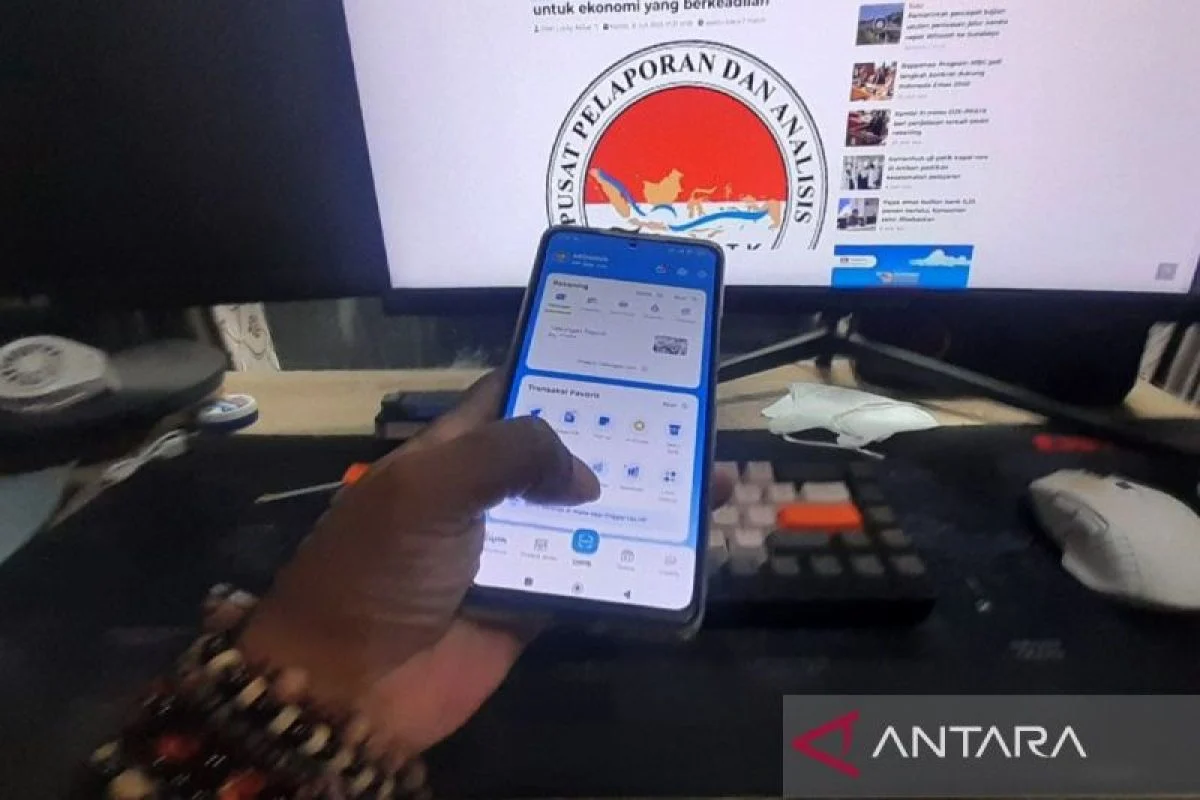
Beyond serving as a basic savings receptacle, the accounts are structurally designed to integrate seamlessly with the nation’s expanding digital payment ecosystems. Plans include incorporating the Quick Response Code Indonesian Standard (QRIS) framework under specialized, low-cost or fee-free promotional structures tailored for young adults. This integration is expected to accelerate familiarity with cashless transactions, reduce reliance on physical cash, and foster a tech-savvy consumer base capable of navigating modern digital economies.
Streamlining Government Subsidies and Social Assistance
A secondary, yet equally vital, dimension of the policy involves the rationalization of government welfare and social assistance programs. Minister Airlangga emphasized that the automated accounts will be architected to interface directly with government databases and disbursement systems.
Historically, the distribution of targeted financial aid, educational scholarships, and conditional cash transfers has occasionally suffered from leakage, administrative delays, or infrastructural friction due to the absence of formal bank accounts among recipient families or maturing dependents. By ensuring that every citizen possesses an active, verified bank account upon reaching adulthood, the state aims to establish a direct pipeline for future targeted interventions. This infrastructure could theoretically facilitate everything from youth-oriented employment grants to broader national economic stimulus distributions with heightened transparency and minimized intermediary costs.
Addressing Existing Accounts and Consolidation Challenges
A complex logistical hurdle currently facing the task force involves citizens who have already opened bank accounts independently prior to their seventeenth birthday—whether through the aforementioned KEJAR program or via commercial digital banking applications.
Rather than issuing redundant accounts that could clutter national financial registries and inflate institutional administration costs, the government is developing a comprehensive data consolidation protocol. Minister Airlangga indicated that existing account profiles will be audited and cross-referenced against the civil registration database (Dukdukcapil). Technical teams are currently determining whether pre-existing accounts will simply be upgraded and integrated into the new state framework or if a unified secondary account will be maintained alongside existing personal assets. This deduplication process is considered paramount to maintaining systemic integrity and preventing financial fraud or identity duplication.
Timeline, Public Guidance, and Future Outlook
As the regulatory framework undergoes final inter-departmental drafting, the target implementation window has been set for completion before the end of the year. Despite ministerial projections pointing toward initial rollouts, comprehensive operational mechanisms have yet to be formally gazetted.
Consequently, financial regulators and banking authorities have issued advisories urging the public—particularly parents and teenagers approaching adulthood—to refrain from visiting commercial bank branches with expectations of immediate enrollment. Official announcements regarding activation procedures, documentation requirements, and distribution timelines will be disseminated exclusively through official government and regulatory channels once the legal foundation is fully enacted.
The initiative to automatically provision bank accounts for 17-year-olds transcends a mere administrative convenience; it represents a structural intervention aimed at embedding financial literacy into the baseline of Indonesian citizenship. By combining state-funded seed capital, digital payment integration, and streamlined welfare delivery, the policy holds the potential to permanently alter the financial landscape for millions of young Indonesians. However, the ultimate success of the program will heavily depend on robust data privacy safeguards, seamless inter-institutional coordination, and long-term user engagement to ensure that these newly minted accounts transition from passive ledger entries into active tools for personal economic empowerment.