
The Indonesian automotive landscape is currently undergoing a significant transformation as the transition toward electrified vehicles gains momentum. Amidst the rising prominence of Chinese manufacturers introducing diverse hybrid and plug-in hybrid electric vehicle (PHEV) models, industry giant Toyota has maintained a firm stance, asserting that its market position remains secure. During the recent Toyota Journalist Media Test Drive event held in Yogyakarta, leadership from PT Toyota-Astra Motor (TAM) emphasized that the competitive surge in the electrified segment has not disrupted their sales performance or their established market share in the archipelago.
The Evolving Landscape of Indonesian Electrification
The arrival of various automotive brands from China, many of which are aggressively marketing hybrid and PHEV technology, has been a defining trend in the Indonesian automotive sector throughout 2026. These manufacturers have capitalized on the growing consumer demand for fuel-efficient vehicles that bridge the gap between traditional internal combustion engines and full battery electric vehicles (BEVs).
For many Indonesian consumers, the primary barrier to adopting fully electric vehicles has been infrastructure concerns and the psychological "range anxiety" associated with charging networks. Consequently, hybrid and PHEV technologies serve as a practical compromise. While these newer market entrants have certainly captured consumer interest, Toyota views this development as a natural evolution of the market rather than a competitive threat.
Toyota’s Strategic Response: Competition as a Catalyst
Bansar Maduma, Marketing Director of PT Toyota-Astra Motor (TAM), addressed the growing competition during the media event on September 14, 2026. He framed the influx of new electrified models as a positive development that benefits the broader automotive ecosystem.
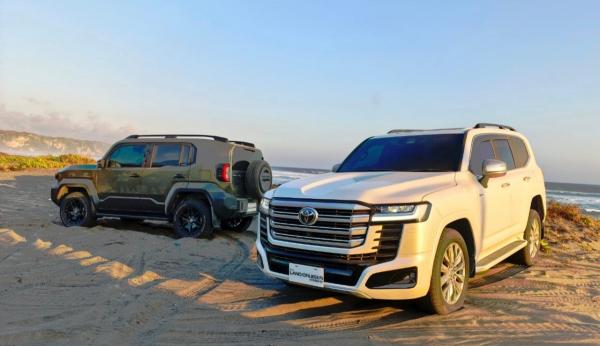
"On a fundamental level, we are grateful that competitors are entering the market with their flagship products. It fosters a healthy environment of competition that drives us to continue presenting the best possible products for our customers," Maduma stated.
Toyota’s leadership suggests that the current market dynamics are not necessarily "zero-sum." Instead, they believe that the diverse range of technologies offered by different manufacturers helps to educate the Indonesian public, thereby accelerating the overall transition toward lower-emission mobility. By increasing the variety of available options, the collective market presence of various brands is helping to normalize the concept of electrification among Indonesian drivers.
Analyzing Market Performance and Consumer Preferences
Despite the heightened activity from competitors, Toyota points to the consistent performance of its conventional and hybrid portfolios as evidence of brand loyalty and product resilience. Specifically, the Toyota Veloz—a staple of the brand’s offerings in the multi-purpose vehicle (MPV) segment—continues to demonstrate strong monthly sales figures, often exceeding 2,000 units.
This data point is critical for understanding Toyota’s market position. The Veloz operates in a segment that is directly targeted by many of the new, budget-conscious hybrid and conventional models introduced by Chinese manufacturers. However, the stability of these sales figures suggests that Toyota’s established reputation for durability, after-sales service, and high resale value remains a significant competitive advantage that newer entrants have yet to fully erode.
The company maintains that the target demographics for Toyota’s hybrid lineup—which includes models like the Yaris Cross Hybrid, Innova Zenix Hybrid, and Corolla Cross Hybrid—differ significantly from the specific segments being targeted by the latest PHEV arrivals. This segmentation allows Toyota to maintain its sales trajectory while the market grows as a whole.

A Timeline of Electrification in Indonesia
To understand the current state of the market, one must look at the timeline of Indonesia’s push toward "Green Mobility."
- 2019-2020: The Indonesian government began formalizing its support for the EV ecosystem through Presidential Regulation No. 55 of 2019, which provided a legal framework for the development of battery-based electric vehicles.
- 2021-2022: Toyota intensified its electrification strategy in Indonesia, focusing heavily on hybrid technology as a pragmatic solution for the country’s unique geography and infrastructure, leading to the local production of hybrid vehicles.
- 2023-2024: The market saw a surge in interest as Chinese manufacturers, including Wuling, BYD, and Chery, introduced affordable EV and PHEV models, leveraging tax incentives and competitive pricing strategies.
- 2025-2026: The current period is defined by a shift toward high-tech hybrid and PHEV options. The consumer base has become more sophisticated, moving beyond simple vehicle ownership to evaluate battery life, charging cycles, and integration with existing infrastructure.
Implications for the Future of the Industry
The presence of multiple brands competing in the electrified segment carries several long-term implications for the Indonesian automotive industry. Firstly, the "democratization" of hybrid technology is likely to lead to lower price points across the board. As supply chains become more efficient and local manufacturing increases, the cost of entry for electrified vehicles will likely continue to drop, further stimulating demand.
Secondly, the infrastructure demand will intensify. As more PHEVs and hybrids enter the streets of major cities like Jakarta, Surabaya, and Yogyakarta, the requirement for localized charging points—even for vehicles that do not require constant charging—will become a point of public policy focus.
Thirdly, the competition is forcing established players to innovate faster. Toyota’s commitment to "multi-pathway" technology, which includes hybrids, PHEVs, and full EVs, is a direct result of this competitive pressure. By not pinning its future solely on one type of technology, Toyota aims to provide a solution for every consumer segment, regardless of their readiness to switch to full electric power.
Conclusion: A Market in Maturity
The assertion by Toyota that its market share remains intact despite the arrival of new competition highlights a maturing Indonesian automotive market. Consumers are no longer just looking at a vehicle’s engine type; they are evaluating the total cost of ownership, the reliability of the brand, and the convenience of the service network.

While the new players from China are undeniably making strides in capturing the attention of tech-savvy buyers and those looking for high-spec, cost-effective alternatives, Toyota is betting on the long-term strength of its brand equity and its deep-rooted service network. As the Indonesian government continues to incentivize the transition to greener vehicles, the market will likely see continued growth in both volume and variety. For Toyota, the strategy moving forward is clear: maintain a diverse portfolio that caters to the varied needs of the Indonesian populace, while relying on their established market dominance to weather the winds of change.
Ultimately, the competition is likely to result in a "rising tide" scenario. As more Indonesian drivers experience the benefits of hybrid and electrified mobility—whether through a Chinese PHEV or a Toyota hybrid—the broader adoption of these technologies will only accelerate, paving the way for a more sustainable automotive future in Southeast Asia’s largest economy.