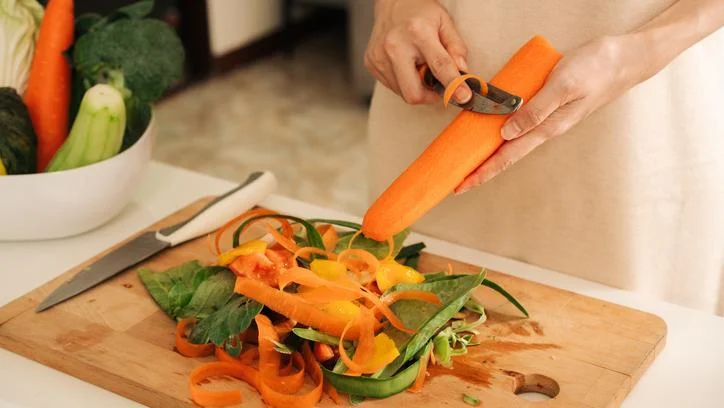
For decades, the prevailing nutritional wisdom suggested that consuming vegetables in their raw state was the gold standard for health. The argument was rooted in the preservation of heat-sensitive vitamins, particularly vitamin C and certain B-complex vitamins, which can degrade when exposed to high temperatures. However, recent nutritional science has begun to challenge this monochromatic view. A growing body of research indicates that for many vegetables, the application of heat—whether through steaming, sautéing, or roasting—is not a destructive process, but rather an essential catalyst that enhances the bioavailability of key phytonutrients.
The scientific consensus now points to a more nuanced approach: while some nutrients are indeed lost during cooking, others are unlocked. Heat acts as a culinary chemist, breaking down the tough cellulose walls of plant cells that the human digestive system often struggles to penetrate. By softening these structures, the body gains easier access to internal compounds such as beta-carotene, lycopene, and essential minerals. Understanding which vegetables undergo this positive transformation is essential for optimizing a modern diet.
The Science of Bioavailability and Thermal Processing
To understand why cooking is beneficial for specific vegetables, one must look at the concept of bioavailability. Bioavailability refers to the proportion of a nutrient that is digested, absorbed, and metabolized through the normal pathway. Many plants protect their seeds and genetic material with complex, fibrous cell walls that contain antinutrients—natural compounds that inhibit the absorption of vitamins and minerals.
When heat is applied, it denatures these structures. For instance, carotenoids, which are responsible for the vibrant colors in many vegetables, are often trapped within a matrix of protein and fiber. Moderate cooking releases these pigments, making them significantly more potent. Furthermore, the application of heat can neutralize substances like oxalic acid, which acts as a mineral blocker. By understanding this process, nutritionists and culinary experts are shifting away from a "raw-only" dogma toward a strategy that balances raw consumption for heat-sensitive enzymes with cooked preparation for nutrient density.
1. The Transformation of Carrots: Unlocking Vitamin A
Carrots are perhaps the most prominent example of the benefits of heat. In their raw state, the beta-carotene within carrots is tightly bound to the plant’s cellular structure. According to dietitian Lauren Manaker, MS, RDN, LD, the application of heat—specifically through roasting, steaming, or boiling—softens these rigid cell walls. This process increases the concentration of bioavailable beta-carotene, which the body subsequently converts into Vitamin A.
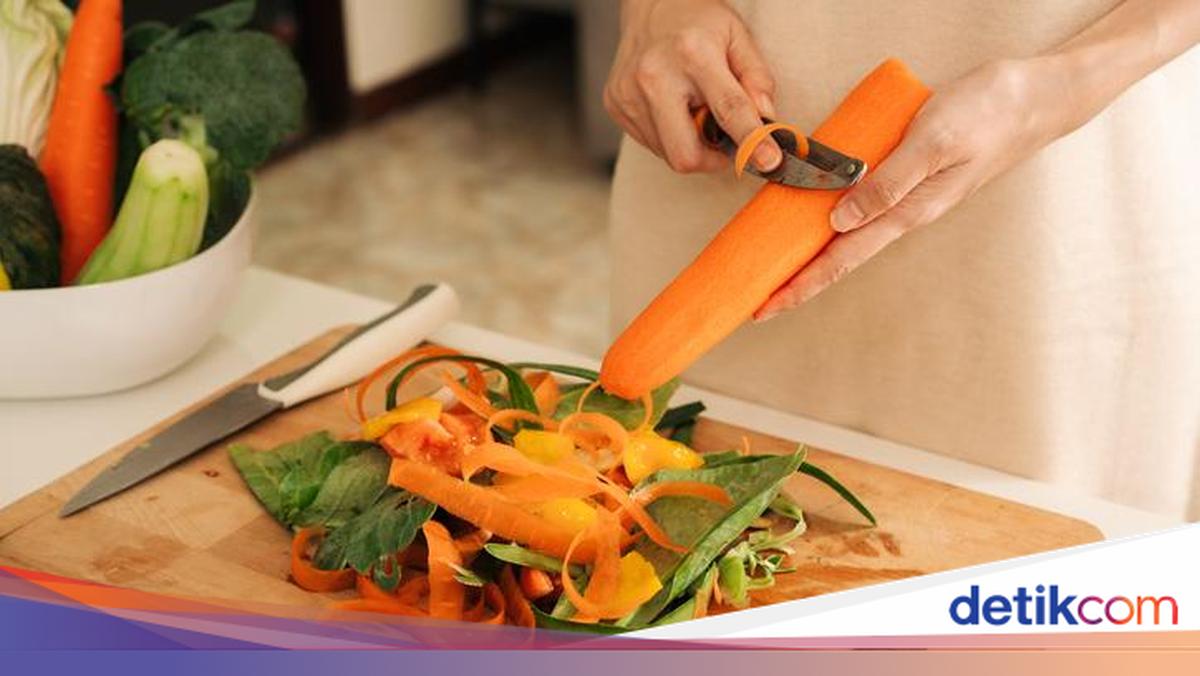
Vitamin A is critical for ocular health, immune system regulation, and skin cellular turnover. Interestingly, beta-carotene is fat-soluble. Therefore, the traditional practice of roasting carrots with a drizzle of olive oil or a small amount of healthy fat is not merely a culinary choice for flavor, but a physiological necessity to ensure the nutrient is absorbed by the digestive tract.
2. Mushrooms: Breaking Down Complex Cell Walls
Mushrooms present a unique challenge to the human digestive system due to their thick, chitin-rich cell walls. While mushrooms are celebrated for their anti-inflammatory properties and immune-boosting beta-glucans, these compounds remain largely inaccessible if the mushroom is eaten raw. Dietitian Victoria Whittington, RDN, emphasizes that the structural complexity of mushrooms acts as a barrier to the antioxidants contained within.
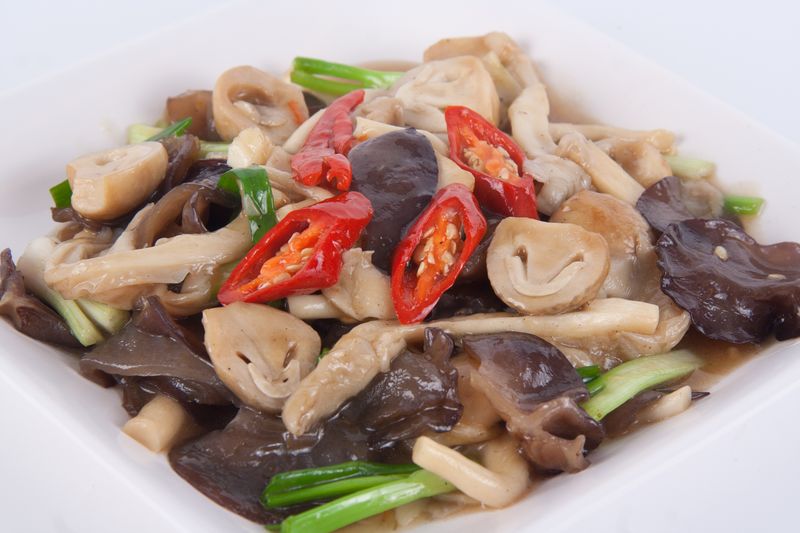
Cooking mushrooms—whether through sautéing or grilling—breaks down this structural chitin. This transformation significantly increases the bioaccessibility of both antioxidants and vitamin D. From a culinary standpoint, this also improves the texture and flavor profile, as heat allows for the Maillard reaction, which creates the deep, savory notes associated with well-prepared mushrooms.
3. Tomatoes: The Lycopene Factor
The case of the tomato is one of the most widely cited examples in nutritional science. Lycopene, a potent antioxidant associated with reduced risks of heart disease and systemic inflammation, becomes significantly more effective after thermal processing. Unlike many other vitamins, lycopene is heat-stable. In fact, heat alters the molecular structure of lycopene, changing it from a form that is difficult for the body to absorb into a "cis-form" that is highly bioavailable.
While boiling or roasting tomatoes may lead to a reduction in vitamin C levels, the gain in lycopene concentration is statistically significant enough to outweigh this loss. To maximize the benefit, nutritionists recommend consuming cooked tomato products—such as sauces or stews—that incorporate healthy fats to facilitate the absorption of this powerful carotenoid.
4. Asparagus: Enhancing Structural Integrity and Vitamin Profile
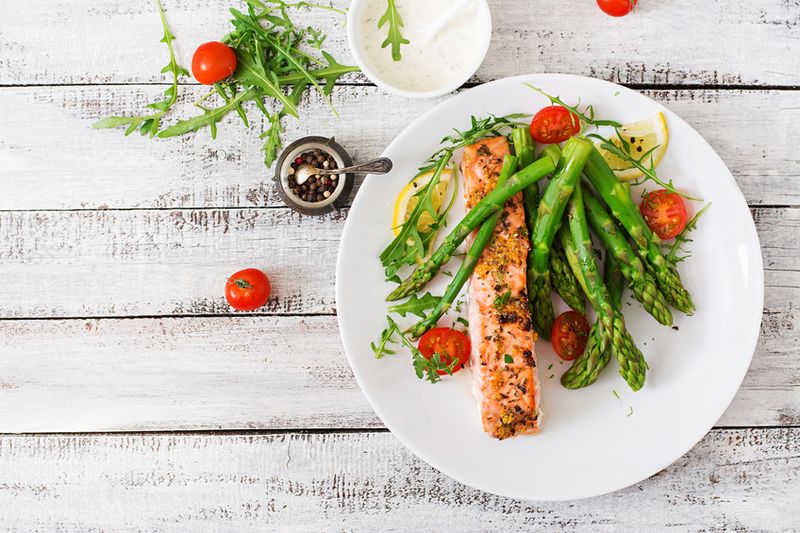
Asparagus is a nutrient-dense vegetable that benefits from both improved digestibility and increased antioxidant activity when cooked. The vegetable is a rich source of vitamins A, E, and K, as well as ferulic acid, an antioxidant that helps combat oxidative stress.
When asparagus is cooked, the heat softens the tough, fibrous stalks, which not only makes the vegetable more palatable but also increases the availability of these vitamins. Vitamin K, in particular, is vital for blood coagulation and bone health. By gently steaming or roasting asparagus, the consumer ensures that the plant’s structural fiber is broken down just enough to release its micronutrient cargo without resorting to excessive heat that might destroy the more delicate vitamins.
5. Kale: Mineral Release and Digestive Ease
Kale has long been lauded as a "superfood," yet its raw state can be difficult for many individuals to process. The plant contains high levels of calcium and magnesium, but these minerals are often locked behind stubborn fibers that require significant energy to break down. For individuals with sensitive digestive tracts, raw kale can lead to bloating and discomfort.
Cooking kale—specifically by steaming or light sautéing—helps to liberate these minerals while simultaneously reducing the fibrous load on the digestive system. While excessive boiling can leach out water-soluble nutrients like vitamin C, light steaming provides a "best-of-both-worlds" scenario, where minerals become easier to absorb while preserving a substantial portion of the vitamin profile.
6. Spinach: Neutralizing Antinutrients
Spinach is a powerhouse of iron, folate, and calcium. However, it also contains high concentrations of oxalic acid. This organic compound acts as an antinutrient, binding to iron and calcium in the gut and preventing the body from utilizing them effectively.
When spinach is heated, the oxalic acid content is reduced. This reduction allows for a higher rate of mineral absorption, effectively turning a bowl of wilted spinach into a more nutritionally dense option than its raw counterpart. Nutritionists suggest that steaming or briefly sautéing spinach is superior to boiling, as folate is highly heat-sensitive and water-soluble; keeping the cooking time brief and the liquid content low is key to retaining the integrity of the plant’s health benefits.
Broader Nutritional Implications and Future Directions
The shift in understanding how cooking affects nutrient density has significant implications for public health. Public health campaigns have traditionally focused on "five-a-day" intake, often emphasizing salads and raw vegetables. However, as evidence mounts regarding the benefits of cooking, nutritional guidelines are becoming more sophisticated.
The consensus emerging from clinical dietetics is that a balanced diet should not be binary. It is not a choice between raw or cooked, but rather a strategic combination of both. Raw vegetables offer a high concentration of water-soluble vitamins and natural enzymes, while cooked vegetables provide superior bioavailability of fat-soluble vitamins and essential minerals.
Furthermore, this knowledge helps address the issue of digestive health. As modern diets face increasing scrutiny for their impact on the microbiome, the ability to make plant-based nutrition easier to digest through cooking is a vital tool. By processing vegetables, we are effectively "pre-digesting" them, reducing the metabolic burden on the body and allowing for more efficient nutrient uptake.
In conclusion, the practice of cooking is not a regression in nutritional quality, but an evolution in human dietetics. By recognizing the specific biological changes that occur when heat is applied to vegetables like carrots, tomatoes, and leafy greens, consumers can move beyond simplistic dietary rules. The most effective approach is to treat cooking as a culinary and scientific tool, one that allows us to extract the maximum possible health benefits from the natural world. Future research will likely continue to explore the specific time-and-temperature thresholds for various produce, further refining how we prepare our meals for optimal wellness. For now, the takeaway is clear: do not fear the stove. When used correctly, it is an essential partner in the pursuit of a healthy, nutrient-dense lifestyle.