• Home
  • About Us
  • Contact Us
  • Cookies Policy
  • Disclaimer
  • DMCA
  • Privacy Policy
  • Terms and Conditions
Dara News Media
keep your memories alive
Lifestyle & Fashion

4 Rekomendasi Minuman Sarapan Sehat Selain Smoothie Menurut Ahli Gizi

by Evan Lee Salim September 19, 2026
written by Evan Lee Salim

The practice of skipping breakfast remains a global health concern, with numerous studies linking the habit to metabolic dysregulation, cognitive impairment, and long-term weight management difficulties. While many individuals turn to smoothies as a quick morning solution, nutritionists are increasingly highlighting the importance of alternative beverages that prioritize hydration, stable blood glucose levels, and essential nutrient intake. According to expert guidance, the selection of a morning beverage is as critical as the choice of solid food, as hidden sugars and calorie-dense drinks can trigger insulin spikes that lead to mid-morning fatigue and hunger.

The Science of Morning Nutrition and Hydration

Nutritionist Kelsey Kalenderian, MS, RD, LDN, emphasizes that the primary objective of a breakfast beverage should be to hydrate the body after an overnight fast while providing functional nutrients. Many common breakfast staples, such as sweetened bottled juices or high-calorie coffee shop concoctions, contribute to a cycle of energy crashes. When a beverage is overloaded with added sugars, it triggers a rapid increase in blood glucose. As the body releases insulin to manage this surge, the subsequent drop in blood sugar often leaves individuals feeling lethargic, irritable, and prematurely hungry, undermining the purpose of a nutritious start to the day.

Research suggests that establishing a consistent, nutrient-dense breakfast routine is essential for long-term health. Studies published in various nutrition journals indicate that individuals who consume a balanced breakfast—comprising protein, fiber, and healthy fats—show better mood regulation and improved cognitive performance throughout the work or school day. By replacing high-glycemic beverages with intentional, health-conscious alternatives, individuals can better support their metabolic health and energy sustainability.

Rekomendasi Minuman Sarapan Sehat Selain Smoothie Menurut Ahli Gizi

1. Unsweetened Tea: A Classic Source of Antioxidants

For many, the morning ritual centers on tea. Whether it is green, black, oolong, or white tea, the absence of added sweeteners is the key to maximizing its health benefits. Tea serves as a powerful delivery system for polyphenols, specifically catechins and flavonoids, which are renowned for their anti-inflammatory properties.

"Tea is an exceptional morning choice, provided it is consumed without the addition of syrups, excessive creamers, or high-sugar additives," notes Kalenderian. "Beyond the caffeine that aids in morning alertness, the antioxidants found in tea help mitigate oxidative stress and support immune function." The modest caffeine content in tea is often described as providing a "cleaner" energy boost compared to the sharp spikes associated with concentrated espresso shots, making it a sustainable option for those sensitive to jitters.

2. Drinking Yogurt: Probiotics for Digestive Health

Often overlooked by adults, drinkable yogurt has emerged as a high-efficiency breakfast option for those with busy schedules. Modern advancements in food processing have allowed for the creation of yogurt drinks that maintain the nutritional profile of traditional yogurt while offering a more convenient, portable format.

Katharine Rosenthal, RDN, highlights the nutritional density of these beverages. "Drinkable yogurt is an excellent source of high-quality protein, calcium, and live probiotics," Rosenthal explains. "For individuals who struggle to find time for a sit-down meal, these options provide a functional, pre-portioned breakfast that supports gut health." Probiotics, the beneficial bacteria found in fermented dairy products, are vital for maintaining a healthy microbiome, which has been linked to everything from immune health to mental well-being.

Rekomendasi Minuman Sarapan Sehat Selain Smoothie Menurut Ahli Gizi

3. Matcha Latte: Sustained Energy through L-theanine

Matcha, the finely ground powder of specially grown and processed green tea leaves, has transcended its status as a "trendy" beverage to become a staple in the diets of those seeking balanced energy. Unlike coffee, which provides a sudden surge of caffeine followed by a potential crash, matcha contains a unique amino acid called L-theanine.

L-theanine works in tandem with caffeine to promote a state of "calm alertness." By modulating the absorption of caffeine, it prevents the jitters and anxiety often associated with excessive coffee consumption. When prepared as a latte using fortified plant-based milk or dairy, the addition of protein makes it a more robust breakfast component. Rosenthal suggests that this combination is far superior to consuming caffeine in isolation, as the protein assists in stabilizing blood sugar levels throughout the morning hours.

4. Chia Fresca: The Hydration and Fiber Powerhouse

Originating from Mexico, Chia Fresca—a mixture of water, fresh citrus juice, and chia seeds—is gaining traction among nutritionists for its simplicity and potent nutritional profile. This beverage is an excellent alternative for those who find standard water too plain but wish to avoid the high sugar content of fruit juices.

The primary benefit of Chia Fresca lies in its dual-action effect: the water provides essential hydration, while the chia seeds are packed with soluble fiber and Omega-3 fatty acids. When soaked in liquid, chia seeds expand, creating a gel-like consistency that slows the digestive process. This slow digestion contributes to a prolonged feeling of satiety, effectively curbing mid-morning cravings. Furthermore, the inclusion of citrus provides a boost of Vitamin C, which is essential for collagen production and iron absorption from other breakfast foods.

Rekomendasi Minuman Sarapan Sehat Selain Smoothie Menurut Ahli Gizi

Implications for Public Health

The transition toward these four beverage categories represents a broader shift in public health toward preventative nutrition. As urban lifestyles continue to demand convenience, the food industry has responded with products that, while convenient, are often nutritionally bankrupt. The recommendation to switch to unsweetened teas, probiotic-rich yogurt drinks, matcha, and fiber-heavy Chia Fresca represents a pivot toward "functional convenience."

The long-term implications of these choices are significant. By reducing the intake of added sugars at the start of the day, individuals can potentially reduce the prevalence of type 2 diabetes and obesity-related complications. Moreover, the focus on gut health through fermented products like yogurt indicates a growing awareness of the gut-brain axis, where digestive health directly impacts mental clarity and stress management.

Strategic Recommendations for Implementation

For those looking to adopt these habits, experts suggest a gradual integration. Sudden dietary changes are often difficult to maintain. Starting by replacing one sugary morning beverage with a cup of unsweetened tea or a protein-rich yogurt drink can create a positive feedback loop. Preparation is also key; keeping pre-portioned chia seeds or high-quality matcha powder readily available in the kitchen can reduce the likelihood of reverting to less healthy options during a rushed morning.

Ultimately, while the smoothie remains a popular breakfast choice, it is not the only path to a healthy morning. By understanding the functional benefits of diverse, nutrient-dense beverages, individuals can craft a morning routine that supports sustained energy, cognitive focus, and overall long-term metabolic health. As research continues to evolve, the focus on low-sugar, high-nutrient intake remains the gold standard for nutritional wellness.
September 19, 2026 0 comment
0 FacebookTwitterPinterestEmail
Health & Wellness

Sebelum Tinjau Kilang TPPI, Rini Soemarno Cicipi Semangka Tuban

by Nana Muazin September 19, 2026
written by Nana Muazin

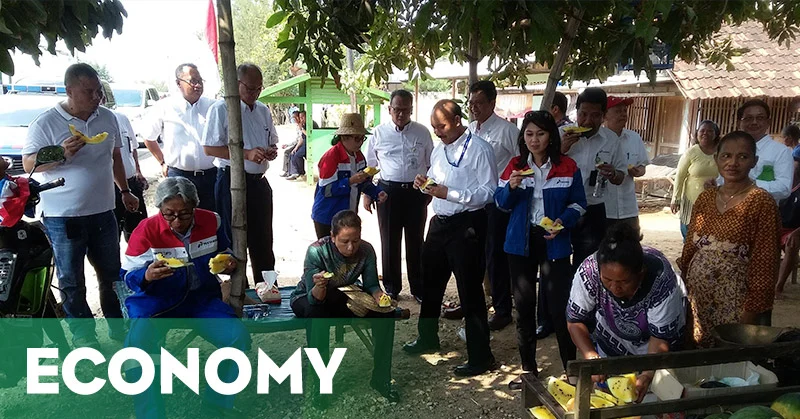
The official working visit to the Trans Pacific Petrochemical Indotama (TPPI) refinery complex in Tuban, East Java, on November 11, 2015, carried immense strategic importance for Indonesia’s energy security. However, before President Joko Widodo and his high-level ministerial delegation formally inspected the long-dormant facility, a moment of spontaneous interaction with local residents highlighted the human element of the high-stakes national project. State-Owned Enterprises (SOE) Minister Rini Soemarno, alongside then-Pertamina President Director Dwi Soetijpto and other key government and corporate officials, paused their journey to engage with the local community, sampling locally grown watermelons at a neighborhood stall near the refinery perimeter. This seemingly modest interlude preceded a critical milestone in Indonesia’s downstream oil and gas sector: the revitalization and reintegration of the TPPI plant into the national energy supply chain under the management of state-owned energy giant Pertamina.

Main Facts of the Presidential Delegation Visit

The delegation visiting the Tuban facility was spearheaded by President Joko Widodo, commonly known as Jokowi, reflecting the federal government’s direct interest in resolving long-standing infrastructural bottlenecks and reviving idle national assets. Accompanying the President were several high-profile officials responsible for steering Indonesia’s economic and energy policies. These included SOE Minister Rini Soemarno, Pertamina President Director Dwi Soetijpto, Pertamina Vice President of Corporate Communication Wianda Pusponegoro, and the Director General of Oil and Gas at the Ministry of Energy and Mineral Resources (ESDM), IGN Wiratmaja Puja.

The primary objective of the visit was to inspect the operational readiness of the TPPI petrochemical and refining complex following years of financial distress, legal complexities, and operational inactivity. Before arriving at the main gates of the complex, the entourage walked through the surrounding residential areas. The unexpected presence of top government officials drew crowds of local residents, many of whom seized the opportunity to interact with the leaders and capture photographs with the ministers and corporate executives. Amidst this warm reception, the delegation stopped at a local stall owned by a resident who sold fresh fruits, specifically locally harvested watermelons cultivated in the agricultural plots surrounding Tuban.

Minister Rini Soemarno actively encouraged her colleagues and the accompanying press corps to partake in tasting the local produce. "Ayo-ayo coba dulu semangkanya. Enak ini semangkanya," remarked Rini, inviting the entourage to sample the sweet fruit grown in the vicinity of the industrial plant. After enjoying several slices of the fresh Tuban watermelons and exchanging pleasantries with the local vendor and residents, the delegation resumed its official itinerary, proceeding directly to the TPPI refinery grounds for a comprehensive technical briefing and physical inspection.

Chronology and Background of the TPPI Facility

The journey of the TPPI refinery to full state control and operational revival is a complex chapter in modern Indonesian industrial history. Established to bolster domestic petrochemical production and reduce the nation’s heavy reliance on imported refined petroleum products, the facility faced severe financial hurdles shortly after its completion. For years, the plant operated below capacity or remained entirely shut down due to debt restructuring disputes, governance issues, and legal uncertainties involving its previous private and consortium stakeholders.

By 2015, the revival of TPPI became an urgent priority for the administration of President Joko Widodo, who had pledged to achieve greater national energy independence and curb costly fuel imports. Pertamina, through its subsidiary and direct corporate intervention, was tasked with taking over the operational management of the plant. The integration process moved swiftly in the months leading up to November 2015, transforming the dormant asset into a vital component of the state’s refining architecture. The November 11 visit served as a symbolic and practical inauguration of the plant’s reintegration, signaling to the public and market stakeholders that the facility was officially back online and contributing to national production.

Supporting Data and Strategic Significance of the Tuban Complex

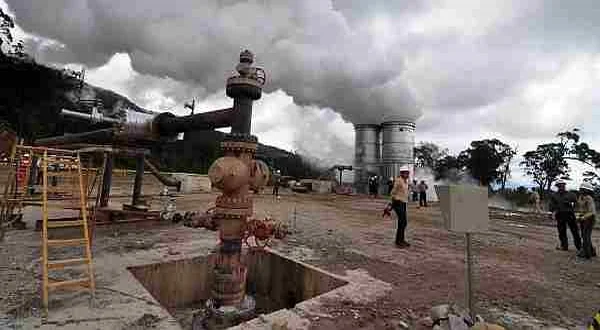
Sebelum Tinjau Kilang TPPI, Rini Soemarno Cicipi Semangka Tuban : Okezone Economy

The Trans Pacific Petrochemical Indotama facility in Tuban is not merely an ordinary refinery; it represents a cornerstone of Indonesia’s petrochemical and fuel supply infrastructure. Strategically located in East Java, the complex possesses a massive processing capacity designed to produce a wide array of petroleum products, including high-octane gasoline, diesel, and essential petrochemical inputs such as paraxylene, benzene, orthoxylene, and liquefied petroleum gas (LPG).

At the time of the 2015 inspection, Indonesia’s domestic fuel consumption heavily outpaced the production capacity of existing state refineries, forcing Pertamina to import substantial volumes of finished gasoline and diesel at immense fiscal costs. The reactivation of TPPI was projected to supply a significant percentage of the country’s daily fuel requirements—specifically producing thousands of barrels of fuel per day—thereby reducing the national current account deficit and easing pressure on foreign exchange reserves. Furthermore, the petrochemical output from the plant serves as raw material for domestic manufacturing industries, creating a multiplier effect across secondary and tertiary sectors of the national economy.

Official Responses and Ministerial Perspectives

The involvement of top-tier leadership during the November 2015 visit underscored the strategic weight placed on the TPPI turnaround. Ministry of SOEs officials, led by Rini Soemarno, emphasized that the state must reclaim control over vital strategic assets to ensure that national energy security is not vulnerable to external market shocks or private mismanagement.

Pertamina’s leadership, spearheaded by Dwi Soetijpto, played a pivotal operational role in executing the takeover and swift restart of the plant. Executives noted that reviving a complex industrial facility that had experienced prolonged dormancy required meticulous engineering assessments, safety audits, and financial restructuring. The smooth resumption of operations at TPPI demonstrated Pertamina’s growing technical capacity to manage distressed industrial assets and integrate them rapidly into its broader refining network, which includes major hubs such as Cilacap, Balongan, Balikpapan, and Dumai.

Meanwhile, Directorate General of Oil and Gas representatives, including IGN Wiratmaja Puja, provided regulatory oversight, ensuring that all licensing, environmental compliance, and safety standards were strictly met during the transition phase. The collaborative approach between the Ministry of SOEs, the Ministry of Energy and Mineral Resources, and Pertamina established a governance model for handling other troubled state-linked infrastructure projects across the archipelago.

Broader Impact and Economic Implications

The successful reactivation of the TPPI Tuban refinery yielded immediate and long-term implications for the Indonesian economy. On a macroeconomic scale, the facility’s output contributed directly to lowering the nation’s dependence on refined fuel imports, a structural vulnerability that had plagued Indonesia’s trade balance for decades. By substituting imported fuel with domestic production generated from the Tuban complex, the Indonesian government achieved notable savings in foreign exchange expenditures.

Regionally, the operation of the plant injected economic vitality into Tuban and the surrounding areas of East Java. The revival stimulated local employment, both directly through technical and administrative jobs at the refinery and indirectly through ancillary service sectors such as logistics, catering, housing, and small-scale commerce—exemplified by the local watermelon vendors who crossed paths with the presidential entourage. The presence of a stable, high-capacity industrial anchor in the region fostered local economic development and strengthened supply chains for regional manufacturing industries dependent on petrochemical derivatives.

In conclusion, while the lighthearted moment of the presidential delegation sampling local Tuban watermelons provided a humanizing window into a high-level state visit, it occurred against the backdrop of a monumental achievement in national energy policy. The inspection of the TPPI refinery on November 11, 2015, marked a decisive turning point in Indonesia’s pursuit of energy self-sufficiency, infrastructural resilience, and macroeconomic stability. Through coordinated governmental action and strategic corporate execution by Pertamina, the once-dormant Tuban complex was successfully transformed into a vital engine of national growth and industrial security.

September 19, 2026 0 comment
0 FacebookTwitterPinterestEmail
Food & Culinary

5 Makanan untuk Pulihkan Otot Lebih Cepat Usai Olahraga

by Siti Muinah September 19, 2026
written by Siti Muinah

Physical activity, while essential for cardiovascular health and metabolic function, imposes significant physiological stress on the human body. During intense exercise, muscle fibers experience microscopic tears, and glycogen stores—the body’s primary fuel source—are rapidly depleted. To optimize athletic performance and ensure long-term musculoskeletal health, the post-workout window is a critical period for nutritional intervention. Experts emphasize that the speed and quality of physical recovery are inextricably linked to the intake of macronutrients and micronutrients immediately following exertion.

The biological necessity for post-workout nutrition stems from the body’s shift from a catabolic state, where energy is expended and tissues are broken down, to an anabolic state, where repair and synthesis occur. By consuming specific nutrient-dense foods, athletes and fitness enthusiasts can accelerate tissue repair, reduce systemic inflammation, and restore metabolic balance. Based on recent nutritional insights, incorporating specific whole foods into a post-exercise regimen can significantly enhance the efficacy of recovery protocols.

The Science of Muscle Protein Synthesis and Glycogen Replenishment

To understand why specific foods are recommended, one must look at the biochemical requirements of the body post-exercise. Muscle protein synthesis (MPS) is the process by which the body repairs damaged muscle fibers using amino acids, the building blocks of protein. Simultaneously, the body requires carbohydrates to replenish glycogen stores within the liver and muscles.

Data from sports nutrition research indicates that a combined intake of high-quality protein and complex carbohydrates within 45 to 60 minutes after exercise produces the most favorable hormonal response. This synergy not only facilitates faster tissue reconstruction but also stabilizes blood glucose levels, preventing the fatigue often associated with post-workout "crashes." Furthermore, micronutrients—specifically vitamins and minerals—act as co-factors in these biochemical reactions, making their presence essential for efficient physiological recovery.

Category 1: High-Biological Value Proteins and Amino Acids

The foundation of muscle repair is protein. Eggs and cottage cheese stand out as top-tier sources due to their complete amino acid profiles. Eggs contain high concentrations of leucine, an essential branched-chain amino acid (BCAA) that acts as a primary trigger for the mTOR pathway, the body’s main regulator of muscle growth.

Cottage cheese, conversely, is unique for its high casein content. Unlike whey protein, which is absorbed rapidly, casein is a slow-digesting protein. This makes it an ideal recovery food, particularly for those training in the evening. By consuming casein before sleep, the body receives a steady stream of amino acids throughout the night, preventing muscle protein breakdown during the fasting period of sleep and fostering continuous repair.

5 Makanan untuk Pulihkan Otot Lebih Cepat Usai Olahraga

Category 2: Electrolyte-Rich Fruits for Metabolic Recovery

Physical activity leads to fluid loss and the depletion of essential electrolytes such as potassium, magnesium, and sodium. Bananas are widely recognized in sports science for their dual-functionality: they provide rapid-acting carbohydrates to replenish glycogen and are rich in potassium, which is critical for muscle contraction and nerve signaling. Furthermore, recent studies suggest that bananas contain bioactive compounds with anti-inflammatory properties, which can help mitigate the delayed onset muscle soreness (DOMS) frequently experienced by athletes after high-intensity training.

Semangka (watermelon) offers a different, yet equally valuable, recovery mechanism. It contains L-citrulline, a non-essential amino acid that serves as a precursor to nitric oxide. Nitric oxide is a vasodilator, meaning it helps relax and widen blood vessels, thereby improving blood flow to fatigued muscles. Improved circulation accelerates the removal of metabolic waste products, such as lactate, from muscle tissue, which may reduce the subjective sensation of soreness and stiffness.

Category 3: Micronutrient Density and Anti-Inflammatory Support

Beyond macronutrients, the role of antioxidants in recovery cannot be overstated. Intense exercise generates oxidative stress, leading to the accumulation of free radicals that can damage cellular structures. Pineapple and blueberries provide a robust defense against this process.

Pineapple contains bromelain, a proteolytic enzyme that aids in the digestion of proteins and has been shown to reduce tissue swelling and inflammation. Paired with the high vitamin C content in blueberries—which is vital for collagen synthesis—these fruits provide the necessary support for connective tissue repair. Antocyanins, the pigments that give blueberries their deep color, also serve as potent antioxidants that neutralize the oxidative stress induced by strenuous physical exertion.

Category 4: Complex Carbohydrates and Sustained Energy

The inclusion of oatmeal and chia seeds in a recovery plan addresses the need for sustained energy and structural support. Oatmeal is a complex carbohydrate that provides a slow, steady release of glucose into the bloodstream, which is essential for replenishing glycogen without triggering the insulin spikes associated with simple sugars. Additionally, oats contain avenanthramides, a unique group of antioxidants that have been shown to dampen inflammatory responses in the cardiovascular and musculoskeletal systems.

Chia seeds, often categorized as a "superfood," are a dense source of omega-3 fatty acids, fiber, and calcium. Omega-3s are renowned for their ability to modulate systemic inflammation, which is a key component of the recovery process. When mixed into oatmeal or smoothies, chia seeds enhance the nutritional profile of a post-workout meal, providing both the structural materials for tissue repair and the anti-inflammatory agents to soothe overstressed systems.

Category 5: Specialized Recovery Foods and Hydration Strategies

The final tier of recovery nutrition involves foods that provide a comprehensive blend of nutrients. Spinach, for example, is a powerhouse of magnesium and potassium, two minerals that are frequently lost through sweat. Magnesium, in particular, is essential for muscle relaxation and preventing cramping.

5 Makanan untuk Pulihkan Otot Lebih Cepat Usai Olahraga

Ikan kembung (mackerel) serves as a superior source of long-chain omega-3 fatty acids, specifically EPA and DHA. Research published in various sports journals has consistently linked higher omega-3 intake to reduced levels of muscle soreness and improved range of motion in the days following strenuous exercise.

Finally, chocolate milk has gained significant traction in the sports nutrition community as an "all-in-one" recovery beverage. Its unique composition—a precise ratio of carbohydrates to protein—is highly effective at replenishing depleted glycogen stores while simultaneously stimulating protein synthesis. The addition of milk proteins (whey and casein) provides both immediate and sustained amino acid delivery, while the fluid content aids in rehydration.

Implications for Long-Term Athletic Performance

The implications of these nutritional strategies extend far beyond immediate post-workout comfort. Consistent adherence to a structured recovery diet helps prevent the accumulation of micro-trauma, which, if left unaddressed, can lead to overuse injuries and chronic fatigue syndrome. By treating food as a strategic tool rather than just a source of calories, individuals can increase the frequency and intensity of their training sessions over time, leading to greater gains in strength, endurance, and overall physical composition.

Professional Guidance and Individualization

While the aforementioned foods are scientifically backed for recovery, it is important to note that individual nutritional needs vary based on body weight, metabolic rate, and the intensity of the exercise performed. Nutritionists recommend that athletes track their recovery markers—such as sleep quality, morning heart rate, and perceived soreness—to determine if their current nutritional intake is sufficient.

Furthermore, hydration remains the cornerstone of all recovery processes. Without adequate water intake, the transport of nutrients to muscle cells is compromised, regardless of the quality of the food consumed. Therefore, a comprehensive recovery strategy must integrate hydration, sleep hygiene, and the targeted consumption of the nutrient-dense foods outlined above.

Conclusion: A Strategic Approach to Physical Longevity

The recovery phase is where the actual adaptation to exercise occurs. Muscle does not grow in the gym; it grows during the rest and recovery period that follows. By prioritizing the intake of proteins, complex carbohydrates, and micronutrient-rich fruits and vegetables, individuals can transform the post-workout period into a highly efficient window for physiological optimization. As scientific understanding of sports nutrition continues to evolve, the integration of these whole-food strategies remains the most sustainable and effective method for ensuring long-term health and athletic performance.

September 19, 2026 0 comment
0 FacebookTwitterPinterestEmail
Travel & Tourism

State-Driven Consolidation Threats and Corporate Rivalry: The Historical Context Behind the Proposed Pertagas and PGN Integration

by Raul Delapena Setiawan September 19, 2026
written by Raul Delapena Setiawan

JAKARTA — The landscape of Indonesia’s state-owned energy sector has long been defined by a delicate balance between corporate autonomy and state intervention. Years after initial discussions regarding the acquisition of PT Perusahaan Gas Negara Tbk (PGN) by state energy giant PT Pertamina (Persero) faded from the forefront of national headlines, a new structural paradigm emerged from the Ministry of State-Owned Enterprises (SOEs). The government floated a strategic policy initiative aimed at merging Pertamina’s midstream subsidiary, PT Pertamina Gas (Pertagas), directly into PGN, the state-backed gas trading and transportation specialist. This potential restructuring sent ripples through the domestic energy market, sparking intense debates regarding corporate governance, strategic roadmaps, and the efficiency of state-owned enterprises operating within the same industrial ecosystem.

The genesis of this merger proposal, however, was not rooted purely in long-term macroeconomic planning or strategic portfolio optimization. According to high-level government admissions, the sweeping consolidation threat was deployed primarily as a high-stakes disciplinary measure to curb years of destructive corporate rivalry between the two entities.

Unhealthy Competition and the Genesis of the Merger Threat

State-Owned Enterprises Minister Dahlan Iskan revealed that the institutional friction between Pertagas and PGN had reached a tipping point, prompting the ministry to wield the threat of forced amalgamation. Speaking at a seminar hosted by the Mandiri Institute at the Four Seasons Hotel in Jakarta, Iskan elucidated the underlying motivations that led the government to contemplate such a radical structural shake-up.

Historically, these two corporate bodies operated with a degree of friction that undermined national efficiency. Instead of complementing each other’s capacities to build a robust domestic gas infrastructure, the firms frequently engaged in counterproductive competition. Iskan pointed out that the historical animosity and turf wars between the management teams of Pertamina’s gas subsidiary and the publicly listed PGN ultimately harmed national interests.

The former president director of state electricity monopoly PT PLN (Persero) noted that he had personally intervened on multiple occasions, gathering the boards of directors from both companies in an attempt to foster cooperative synergies. Despite numerous executive-level meetings, the corporate cultures remained resistant to peaceful coexistence, consistently prioritizing competitive dominance over national energy efficiency.

Faced with a persistent stalemate that risked delaying critical infrastructure projects and squandering state resources, the Ministry of SOEs introduced the merger proposal not as an immediate execution plan, but as a regulatory ultimatum. The message from the government was clear: resolve internal redundancies and coordinate operations, or face a top-down consolidation that would strip away independent corporate identities.

De-escalation and the Removal of Structural Urgency

The high-stakes pressure campaign ultimately yielded the intended behavioral shift. Following the ministry’s stern warnings, executive leadership across both corporations recalibrated their strategic approach, moving away from hostile market positioning toward collaborative operational frameworks.

Dahlan Iskan confirmed that because both entities successfully altered their corporate conduct—demonstrating a newfound willingness to compromise, share market territories, and establish joint operational protocols—the rationale for a forced merger evaporated. The immediate institutional threat was rescinded, as cooperation replaced conflict.

A primary historical casualty of this inter-corporate rivalry was the long-delayed Cirebon-Semarang gas pipeline project. For years, the strategic development of this vital transmission infrastructure languished in regulatory and commercial limbo. Both Pertagas and PGN laid competing claims to the project, resulting in a prolonged standoff characterized by reciprocal hesitation and market posturing.

However, under the shadow of the government’s consolidation ultimatum, both corporate bodies finally reached a commercial consensus. They delineated construction responsibilities and established project parameters without requiring direct structural intervention from the state. Consequently, Iskan emphasized that with the cessation of destructive competition and the successful resolution of infrastructural impasses, the urgency for a forced merger of Pertagas and PGN was entirely neutralized.

Penggabungan Pertagas-PGN Dinilai Ancaman : Okezone Economy

Contrasting Visions: The Debate Over Energy Holding Structures

While the immediate threat of a forced merger was averted through renewed corporate compliance, the policy discourse surrounding the optimal structure of Indonesia’s gas sector remained deeply divided. Independent energy policy analysts and industry observers voiced immediate concerns regarding the consistency of the Ministry of SOEs’ strategic roadmap.

Sofyano Zakaria, a prominent energy policy analyst, described the government’s shifting consolidation signals as a source of market uncertainty. Zakaria pointed out that floating a proposal to merge Pertagas into PGN sharply contradicted prior policy agreements and prevailing structural roadmaps. The established consensus within the energy sector had long favored the reverse trajectory: integrating PGN as a subsidiary beneath a comprehensive Pertamina-led oil and gas holding company.

According to Zakaria, the overarching strategy of the Ministry of SOEs had consistently focused on building consolidated, highly capitalized state-owned holding structures designed to eliminate internal competition, optimize economies of scale, and project a unified national presence in strategic economic sectors. Introducing a counter-proposal that positioned PGN as the dominant entity absorbing Pertagas disrupted this long-term framework.

Energy sector analysts noted that such policy oscillations risked confusing international investors, particularly minority shareholders in publicly traded entities such as PGN. Consistency in state enterprise restructuring is viewed by market participants as vital for maintaining capital market confidence and ensuring predictable regulatory environments.

Broader Implications for Indonesia’s Gas Infrastructure

The episode underscored the complex challenges of managing state-owned commercial entities entrusted with public infrastructure development. In developing economies like Indonesia, the midstream and downstream natural gas sectors require massive capital expenditure, long-term planning, and seamless coordination between exploration, transmission, and distribution networks.

When state-backed entities duplicate infrastructure or compete for the same pipeline concessions, the resulting inefficiencies manifest as delayed energy access, higher operational costs, and suboptimal resource allocation. The Cirebon-Semarang pipeline stalemate served as a prime textbook example of how inter-corporate friction directly impedes national energy security objectives.

Although the immediate crisis was managed through ministerial oversight and enforced diplomacy, structural economists and energy experts have consistently argued that ad-hoc disciplinary measures are insufficient substitutes for comprehensive structural reform. The debate over whether to establish an integrated oil and gas holding company under Pertamina or to maintain distinct operational boundaries for entities like PGN and Pertagas remains a central theme in Indonesia’s state enterprise governance.

Conclusion

The interaction between the Ministry of SOEs, PT Pertamina (Persero), PT Pertagas, and PT Perusahaan Gas Negara Tbk (PGN) in mid-2014 highlights the delicate mechanisms of state-corporate governance in Indonesia. By leveraging the credible threat of a forced structural merger, the government successfully compelled two recalcitrant state enterprises to abandon destructive market competition and agree on vital infrastructure projects such as the Cirebon-Semarang pipeline.

While the immediate merger plan was shelved due to improved corporate cooperation, the underlying strategic dilemmas regarding state enterprise consolidation, holding structures, and regulatory coherence continue to shape the trajectory of Indonesia’s energy sector. The episode remains a notable case study in how state authority is deployed to enforce cooperation, resolve commercial gridlock, and align corporate behavior with national strategic priorities.

September 19, 2026 0 comment
0 FacebookTwitterPinterestEmail
Travel & Tourism

Discover the Tropical Splendor of Thailand with an Exclusive Phuket and Krabi Island Getaway Package by Mister Aladin

by Rifan Muazin September 19, 2026
written by Rifan Muazin

The tourism landscape in Southeast Asia continues to evolve as travelers increasingly seek immersive experiences that balance vibrant urban culture with serene natural landscapes. Thailand remains a primary beneficiary of this trend, consistently ranking among the top global destinations for international visitors. While Bangkok serves as the primary gateway and cultural heartbeat of the nation, the southern provinces of Phuket and Krabi have emerged as essential retreats for those looking to explore the pristine coastline of the Andaman Sea. Mister Aladin, a leading travel service provider, has officially launched a specialized travel package titled Phuket Krabi Island Getaway, offering a four-day, three-night itinerary designed to provide a comprehensive exploration of these two iconic destinations.

The Strategic Shift in Thailand Tourism Trends

Data from the Tourism Authority of Thailand (TAT) indicates a significant shift in post-pandemic travel preferences. International arrivals are increasingly prioritizing “nature-based tourism” over traditional sightseeing. Phuket, the largest island in Thailand, has historically been the cornerstone of this movement, contributing significantly to the nation’s GDP through its sophisticated hospitality infrastructure and diverse maritime offerings. Conversely, Krabi has captured the interest of travelers seeking dramatic karst landscapes and emerald-green waters, offering a more tranquil alternative to the bustling nightlife of Phuket.

By curating the Phuket Krabi Island Getaway package, Mister Aladin addresses a specific market demand for seamless, logistics-heavy travel. The package, priced starting at Rp8,990,000, covers a travel window extending from September 2026 through July 2027. This duration allows for a diverse range of seasonal exploration, from the drier, peak-season months of December to March to the lusher, quieter months of the shoulder season.

Itinerary and Logistical Framework

The four-day, three-night structure is engineered to maximize efficiency without compromising the depth of the visitor experience. Logistical convenience is the primary value proposition, as international travel often entails complex arrangements regarding island-hopping transfers and regional accommodation bookings.

The itinerary begins in Phuket, where participants are introduced to the fusion of Sino-Portuguese architecture and modern beach culture. Phuket’s historical district offers a glimpse into the island’s tin-mining past, which contrasts sharply with the contemporary luxury of Patong and Kata beaches. The transition to Krabi involves a scenic transfer, allowing travelers to witness the limestone cliffs that define the southern Thai coastline. Krabi serves as the entry point to some of the world’s most photographed maritime sites, including the Railay Peninsula and the Phi Phi archipelago.

Liburan Serba Praktis di Thailand: Merasakan Keindahan Phuket dan Krabi

Economic and Industry Implications

The introduction of such bundled travel products is not merely a service offering but a reflection of current economic strategies within the ASEAN tourism sector. Travel agencies are increasingly leveraging "all-in" packages to mitigate the impact of currency fluctuations and rising airfare costs for consumers. By securing group rates and long-term partnerships with hotel operators in Phuket and Krabi, service providers like Mister Aladin are able to offer competitive pricing that would be difficult for individual travelers to replicate independently.

Industry analysts suggest that this segment of the market—short-to-medium-haul island getaways—is highly resilient. Despite global economic uncertainties, the demand for short-duration international luxury travel remains robust. The focus on Thailand is strategic; the country’s infrastructure for tourism is among the most mature in the region, ensuring that the risk of service disruption is low.

The Cultural and Ecological Significance of Southern Thailand

Beyond the aesthetic appeal of the beaches, Phuket and Krabi are centers of significant ecological importance. The region is home to several marine national parks, which are under strict regulation to preserve biodiversity. Travelers opting for structured packages often benefit from organized excursions that adhere to sustainable tourism practices, a requirement that has become increasingly stringent under the Thai government’s environmental protection policies.

Phuket’s Old Town, for instance, represents a multicultural intersection where Thai, Chinese, and Malay influences coalesce. Preservation efforts in this area have been ongoing for over two decades, transforming dilapidated shophouses into galleries, museums, and cafes. Similarly, Krabi’s emphasis on community-based tourism, particularly in the areas surrounding the Ao Nang and Nopparat Thara beaches, has empowered local populations while maintaining the integrity of the natural environment.

Official Perspectives and Traveler Considerations

While Mister Aladin has designed these packages to minimize the stress of trip planning, potential travelers are advised to consider the regional climate variations. The monsoon season, typically occurring between May and October, can impact maritime activities, particularly speed boat excursions to the offshore islands. The inclusion of travel support in the package is intended to provide a buffer for such eventualities, with staff on hand to adjust itineraries as weather conditions dictate.

Furthermore, the price point of Rp8,990,000 reflects a premium tier of service, including not only accommodation and transport but often exclusive access to high-demand tours. As the tourism industry recovers to pre-2020 levels, the availability of these high-value slots is expected to tighten, particularly during major holidays such as the end-of-year festive season and the Thai New Year (Songkran) in April.

Liburan Serba Praktis di Thailand: Merasakan Keindahan Phuket dan Krabi

Comparative Analysis: Why Phuket and Krabi?

When compared to other regional competitors like Bali or Langkawi, the Phuket-Krabi combination offers a unique geological and cultural narrative. The karst topography of Krabi is distinct from the volcanic landscapes of Indonesia, providing a different photographic and recreational profile. Additionally, the ease of connectivity between the two provinces via modern road networks makes a multi-destination itinerary highly feasible within a four-day timeframe.

For the modern traveler, the primary barrier to visiting these sites is the complexity of inter-island logistics. By consolidating these elements, the package effectively removes the "friction" that often prevents tourists from exploring multiple areas during a single trip.

Future Outlook and Sustainability

The trajectory for Thailand’s tourism sector remains positive, with a focus on high-value, low-impact travel. As travelers look toward 2027, the emphasis will likely remain on "slow travel"—the ability to spend meaningful time in a destination rather than rushing through checkpoints. The Phuket Krabi Island Getaway is aligned with this vision, encouraging guests to engage with the environment rather than simply observing it.

As the tourism sector continues to integrate digital transformation with traditional hospitality, the role of travel platforms becomes increasingly critical. By providing transparent, comprehensive, and curated experiences, agencies are bridging the gap between digital discovery and physical reality. The success of this initiative will likely serve as a barometer for how travel agencies approach similar markets in the coming years, emphasizing quality of experience over the mere volume of destinations visited.

For those planning their travel schedules, the window of September 2026 to July 2027 provides ample opportunity for careful planning. Whether one is seeking the cultural depth of Phuket’s heritage sites or the sheer natural beauty of Krabi’s limestone cliffs, the combination of these two provinces offers a balanced perspective on what makes Thailand a perennial favorite on the global travel circuit. The professional oversight provided by established travel brands ensures that, regardless of the seasonal fluctuations, the core elements of safety, comfort, and exploration remain constant throughout the duration of the trip.

September 19, 2026 0 comment
0 FacebookTwitterPinterestEmail
Travel & Tourism

Turning Your Travel Passion Into Profit: Top Business Models for Modern Entrepreneurs

by Siti Muinah September 19, 2026
written by Siti Muinah

The intersection of leisure and commerce has long fascinated professionals seeking alternatives to traditional 9-to-5 office environments. In recent years, the global tourism and travel sector has experienced a profound structural evolution, driven by shifting consumer preferences, digital transformation, and an increasing emphasis on experiential consumption. For individuals possessing a genuine passion for travel, translating this personal interest into a viable, revenue-generating enterprise offers a compelling pathway to financial independence. Rather than viewing travel purely as an expense, modern entrepreneurs are successfully monetizing their geographic mobility, local knowledge, and logistical expertise.

Analyzing the contemporary market reveals that lifestyle businesses rooted in tourism are no longer reserved for large-scale corporations. Independent operators, freelancers, and small business visionaries can leverage localized assets to carve out profitable niches. Whether pursued as a supplemental side hustle to generate secondary income or scaled into a primary livelihood, travel-centric business models align personal fulfillment with economic viability.

Market Evolution and the Rise of Experiential Tourism

To understand the viability of travel-based entrepreneurship, one must examine the broader macroeconomic shifts defining the modern tourism industry. Over the past decade, consumer demand has shifted away from standardized, mass-market package tours toward highly personalized, authentic, and localized experiences. Modern travelers—particularly millennials and Generation Z—prioritize immersion over sightseeing, seeking out hidden gems, cultural engagement, and sustainable travel practices.

This behavioral shift has significantly lowered barriers to entry for independent operators. Consumers increasingly trust peer recommendations, micro-influencers, and specialized local experts over monolithic travel agencies. Consequently, individuals with an intimate understanding of regional geography, a knack for itinerary curation, or underutilized personal assets are uniquely positioned to capture market share. Industry data indicates that the global experiential travel market continues to expand rapidly, providing a fertile ground for agile startups that can deliver tailored, high-touch services.

1. Launching a Vehicle Rental Agency

One of the most pragmatic entry points into the travel business ecosystem is the provision of transportation rental services. The demand for flexible mobility remains consistently high across both domestic and international tourist hubs, as visitors increasingly reject rigid public transit schedules in favor of self-guided exploration.

Rekomendasi Ide Bisnis Travel yang Menguntungkan

Operational Strategies and Asset Management

For entrepreneurs who already own personal assets—such as a reliable car, SUV, or motorcycle—monetizing these vehicles during off-peak personal usage times represents a low-barrier startup strategy. By listing vehicles on peer-to-peer sharing platforms or managing private rentals with comprehensive insurance coverage, owners can offset depreciation and maintenance costs while generating steady cash flow.

For those lacking an existing fleet, alternative pathways exist. Aspiring entrepreneurs can establish strategic partnerships with established local rental companies, operating effectively as independent booking agents or fleet managers. By handling customer acquisition, digital marketing, and localized delivery services, these agents earn lucrative commissions without shouldering the heavy capital expenditure associated with purchasing and maintaining vehicle fleets.

Market Positioning

Success in the rental sector hinges on reliability, transparent pricing, and exceptional customer service. Offering value-added amenities—such as complimentary GPS devices, child safety seats, or localized route maps—can differentiate a small-scale provider from corporate behemoths. Furthermore, targeting niche markets, such as vintage scooter rentals for coastal towns or rugged 4×4 vehicles for mountainous terrain, allows independent operators to command premium pricing.

2. Crafting Curated Tour Packages and Private Itineraries

For individuals gifted in logistics, research, and aesthetic curation, developing specialized tour packages offers an intellectually stimulating and financially rewarding business model. The contemporary tourist is often overwhelmed by the sheer volume of information available online, leading to decision fatigue. Consequently, curated itineraries that promise a curated, hassle-free experience command significant market value.

Identifying Trends and Niche Demands

The modern package tour bears little resemblance to the rigid, flag-following bus tours of the past. Today’s consumers seek bespoke private trips, eco-tourism adventures, culinary trails, and wellness retreats. Entrepreneurs entering this space must possess deep familiarity with emerging destinations, particularly those gaining traction on digital platforms among younger demographics.

To build a competitive edge, tour curators must vet destinations rigorously, ensuring that recommended locations offer not only aesthetic appeal and cultural depth but also robust infrastructure and safety standards. Collaborating with local vendors—such as boutique accommodations, artisanal food producers, and local craftsmen—enables business owners to construct exclusive itineraries that cannot be replicated by automated booking platforms.

Rekomendasi Ide Bisnis Travel yang Menguntungkan

Regulatory and Logistical Considerations

Operating a tour packaging business requires meticulous attention to operational logistics and risk management. Entrepreneurs must navigate local licensing requirements, secure reliable transportation partners, and establish clear cancellation and liability policies. By maintaining high standards of professionalism and safety, tour operators can build long-term brand equity driven by word-of-mouth referrals and positive digital reviews.

3. Establishing Professional Tour Guiding Services

For individuals who thrive on human interaction, storytelling, and cultural exchange, establishing a professional tour guiding service remains a timeless and lucrative enterprise. A knowledgeable guide transforms a passive sightseeing trip into an engaging, educational, and memorable narrative.

The Value of Specialized Knowledge and Linguistic Proficiency

While domestic tourism forms the bedrock of many local guiding businesses, operators who possess fluency in foreign languages unlock access to higher-spending international markets. European, Asian, and American travelers navigating destinations where language barriers exist are often willing to pay premium rates for certified guides who can bridge the communication gap, explain cultural nuances, and navigate local bureaucracies seamlessly.

Beyond linguistic skills, successful tour guides must cultivate deep subject-matter expertise. Whether specializing in historical architecture, geological formations, culinary history, or wildlife conservation, a distinct area of expertise allows a guide to position themselves as an authority rather than a generic escort.

Scaling from Solo Guide to Agency Owner

Initially, this business model often operates on a solo-entrepreneur basis, with the founder conducting tours personally. However, as demand grows, successful operators frequently transition into agency owners. By recruiting, vetting, and training a network of specialized local guides, the business can scale operations, handle multiple tour groups simultaneously, and generate passive or managerial income.

Financial Implications and Risk Management

Entering the travel and tourism sector requires a clear-eyed assessment of financial realities and inherent industry risks. While the upside includes lifestyle flexibility and income diversification, the sector is notoriously sensitive to external shocks.

Rekomendasi Ide Bisnis Travel yang Menguntungkan

Economic Sensitivity and Mitigation

Tourism demand correlates strongly with macroeconomic conditions, consumer confidence, and geopolitical stability. Events such as economic recessions, public health crises, or regional weather anomalies can cause sudden fluctuations in travel behavior. To mitigate these risks, prudent entrepreneurs should maintain diversified revenue streams. For instance, combining a vehicle rental service with tour packaging and guiding allows a business to capture revenue from different segments of the travel lifecycle.

Furthermore, maintaining a lean operational structure during early growth phases prevents excessive debt accumulation. Utilizing digital marketing, social media storytelling, and search engine optimization allows travel entrepreneurs to acquire customers organically without incurring prohibitive advertising costs.

Conclusion and Future Outlook

Building a business around a passion for travel is an achievable ambition for dedicated entrepreneurs willing to combine enthusiasm with disciplined execution. Whether through vehicle rentals, curated tour packages, or professional guiding services, the travel industry offers diverse avenues for economic value creation.

As global mobility continues to recover and evolve, consumer appetite for authentic, human-centric travel experiences will only intensify. By identifying underserved market niches, prioritizing operational excellence, and maintaining adaptability in the face of changing trends, individuals can successfully transform their love for exploration into a sustainable, thriving enterprise.

September 19, 2026 0 comment
0 FacebookTwitterPinterestEmail
National News

Basarnas Extends Search and Rescue Operations for KM Virgo Transport 8 Victims by Seven Days

by Nila Kartika Wati September 19, 2026
written by Nila Kartika Wati

Jakarta — The National Search and Rescue Agency (Basarnas) has officially announced a seven-day extension for the ongoing search and rescue operations dedicated to locating the remaining victims and managing the wreckage of the ill-fated vessel KM Virgo Transport 8. The decision to prolong the mission comes as maritime authorities and specialized salvage teams prepare for a complex, high-risk underwater recovery operation that requires comprehensive coordination and specialized technical expertise.

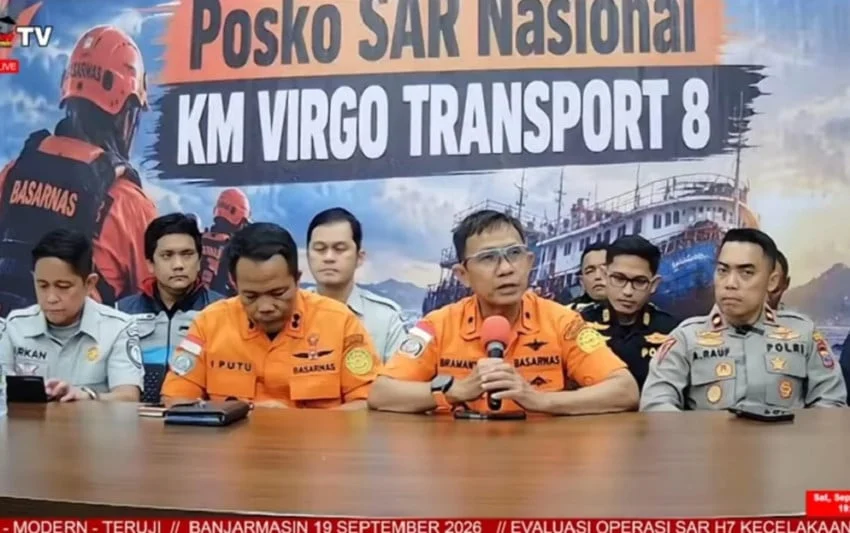
Speaking from the agency’s headquarters in Jakarta on Saturday, September 19, 2026, Basarnas Director of Operations, First Admiral Yudhi Bramantyo Nur Sasongko, confirmed that the emergency response phase has been adjusted to accommodate emerging operational needs on the ground.

"We formally declare that this search and rescue operation will be extended for another seven days moving forward," Admiral Bramantyo stated, emphasizing the agency’s steadfast commitment to ensuring that all potential avenues for locating missing individuals are thoroughly exhausted.

The Primary Catalyst for the Extension: The Arrival of the Salvage Team

A critical determining factor in Basarnas’ decision to grant a seven-week-day extension is the recent arrival of a specialized salvage team at the incident site. The maritime salvage unit has been mobilized to undertake the intricate process of raising and securing the sunken hull of KM Virgo Transport 8, which remains submerged under challenging hydrological conditions.

According to Admiral Bramantyo, the structural integrity of the vessel, combined with the depth at which it rests and the local marine topography, necessitates a cautious, methodical approach. The salvage operation itself is projected to be a protracted endeavor, dictated entirely by the technical complexities involved in safely lifting a commercial vessel of this magnitude.

"The salvage operation that is about to be executed will likely require a significant amount of time and extended effort. We cannot establish a definitive deadline at this exact moment, but what is clear is that the timeline is currently being meticulously evaluated and mapped out by a collective of engineering and maritime experts," Bramantyo explained.

The integration of search and rescue (SAR) protocols with heavy marine salvage operations is a delicate procedure. While surface searches, aerial sweeps, and shoreline monitoring conducted by joint personnel have yielded critical baseline data, the potential presence of trapped victims within the submerged compartments of KM Virgo Transport 8 makes the removal of the vessel a top priority for forensic and humanitarian reasons.

Broader Institutional Response and Humanitarian Aid

As the operational focus expands to include heavy maritime salvage and extended recovery sweeps, institutional support for the affected families and communities continues to run parallel to the physical search efforts. State-owned credit insurance and social security company PT Jasa Raharja has been actively involved in providing financial relief and administrative support to the families of those impacted by the maritime tragedy.

In preceding days, Jasa Raharja formally distributed financial compensation and insurance payouts to the heirs of deceased victims originating from West Java. This expedited delivery of statutory benefits highlights the coordinated multi-agency response to the disaster, ensuring that while Basarnas and its tactical partners focus on the maritime theater, social welfare networks provide immediate relief to grieving households.

Background Context: The Incident Involving KM Virgo Transport 8

Maritime incidents involving commercial cargo and transport vessels in Indonesian waters consistently draw intense scrutiny regarding navigational safety, weather compliance, and cargo management. KM Virgo Transport 8 had been operating within regional shipping lanes prior to encountering the catastrophic event that led to its sinking.

Basarnas Perpanjang Operasi Pencarian Korban KM Virgo Transport 8 selama 7 Hari

While preliminary investigations by the National Transportation Safety Committee (KNKT) and the Ministry of Transportation are ongoing to determine the definitive root cause of the disaster—ranging from sudden adverse weather phenomena and high sea states to potential stability issues or mechanical failures—the immediate aftermath has tested the rapid deployment capabilities of Indonesia’s national rescue framework.

Indonesia, as the world’s largest archipelagic nation, relies heavily on maritime connectivity. However, the vast geographic expanse presents persistent challenges for maritime safety enforcement and rapid emergency response. The deployment of Basarnas to incidents of this scale underscores the vital role played by specialized state apparatuses in safeguarding national waters and maintaining public trust in commercial maritime transportation.

Operational Chronology and Evolution of the Mission

The search and rescue operation for KM Virgo Transport 8 has evolved significantly since the initial distress call was registered by local authorities. The mission chronology can be structured into several distinct phases:

  1. Initial Distress and Emergency Response (Phase 1): Upon receiving notification that KM Virgo Transport 8 was in distress, Basarnas immediately mobilized available assets, dispatching vessel units, rigid-hull inflatable boats, and search teams to the last known coordinates. Initial efforts focused heavily on surface rescue, recovering survivors, and mapping the immediate debris field.
  2. Comprehensive Surface and Sub-Surface Mapping (Phase 2): As the initial 72-hour golden window for survivor rescue transitioned into a recovery operation, joint personnel deployed side-scan sonar and underwater drone technology to pinpoint the exact resting place of the vessel’s hull.
  3. Assessment and Transition to Salvage (Phase 3): Recognizing the physical limitations of divers operating at deep-sea levels without specialized stabilization of the wreck, Basarnas coordinated with commercial and state salvage contractors. This phase culminated in the recent arrival of the specialized salvage team, prompting the operational extension announced on September 19, 2026.
  4. Extended Recovery and Wreck Extraction (Phase 4): The newly enacted seven-day extension represents this current phase, characterized by the synchronization of SAR sweeps with heavy engineering preparations to lift the vessel and conduct a thorough sweep of its interior compartments.

Challenges on the Maritim Front: Environmental and Technical Hurdles

Conducting prolonged search, rescue, and salvage operations at sea involves confronting a myriad of unpredictable environmental variables. Meteorological conditions in the operational area—including sudden shifts in wind velocity, strong undercurrents, and fluctuating visibility levels—continue to test the endurance of joint personnel from Basarnas, the Indonesian Navy (TNI AL), the Water Police (Polairud), and civilian volunteers.

Furthermore, deep-water salvage operations demand absolute precision. The shifting of a sunken vessel’s weight during lifting procedures can introduce secondary hazards, necessitating continuous risk assessments by marine engineers. The decision by Basarnas leadership to refrain from setting a rigid deadline for the salvage phase reflects a safety-first philosophy, prioritizing the well-being of rescue personnel and the structural preservation of evidence needed for the official maritime accident investigation.

Implications for National Maritime Safety Standards

The ongoing incident involving KM Virgo Transport 8 carries broader implications for Indonesia’s national maritime transportation sector. Stakeholders across the industry are closely monitoring the outcomes of both the rescue mission and the subsequent safety inquiries.

Experts suggest that the lessons learned from the structural response, coordination efficiency between Basarnas and salvage contractors, and the execution of passenger and crew manifest verifications will serve as critical benchmarks for future regulatory updates. The Ministry of Transportation is expected to review compliance metrics regarding vessel maintenance schedules, load limits, and mandatory safety equipment carriage requirements once the definitive investigative reports are finalized.

Moreover, the humanitarian aspect of the operation remains paramount. For the families awaiting closure, the extension of the Basarnas operation provides a renewed sense of reassurance that exhaustive measures are being undertaken. The coordinated approach between search authorities, social agencies like Jasa Raharja, and regional governments demonstrates a comprehensive framework designed to mitigate the multifaceted impacts of maritime disasters.

Outlook for the Ensuing Week

As the extended seven-day search window gets underway, Basarnas has reiterated its call for the maritime community—including commercial vessels operating in the vicinity of the incident zone—to maintain heightened vigilance and cooperate fully with on-site rescue coordinators. Any sightings of floating debris or potential evidence related to KM Virgo Transport 8 are to be reported immediately to the command post.

The unified command center will continue to evaluate daily logs, meteorological forecasts, and salvage progress reports to maximize resource allocation. While the operation presents immense technical challenges, the resolute stance of Basarnas leadership ensures that all remaining objectives of the mission will be pursued with uncompromising diligence until the operational parameters of the extended phase are fulfilled.

September 19, 2026 0 comment
0 FacebookTwitterPinterestEmail
National News

Petugas Kesulitan Padamkan Karhutla Gunung Wilis, Medan Curam Jadi Kendala

by Jia Lissa September 19, 2026
written by Jia Lissa

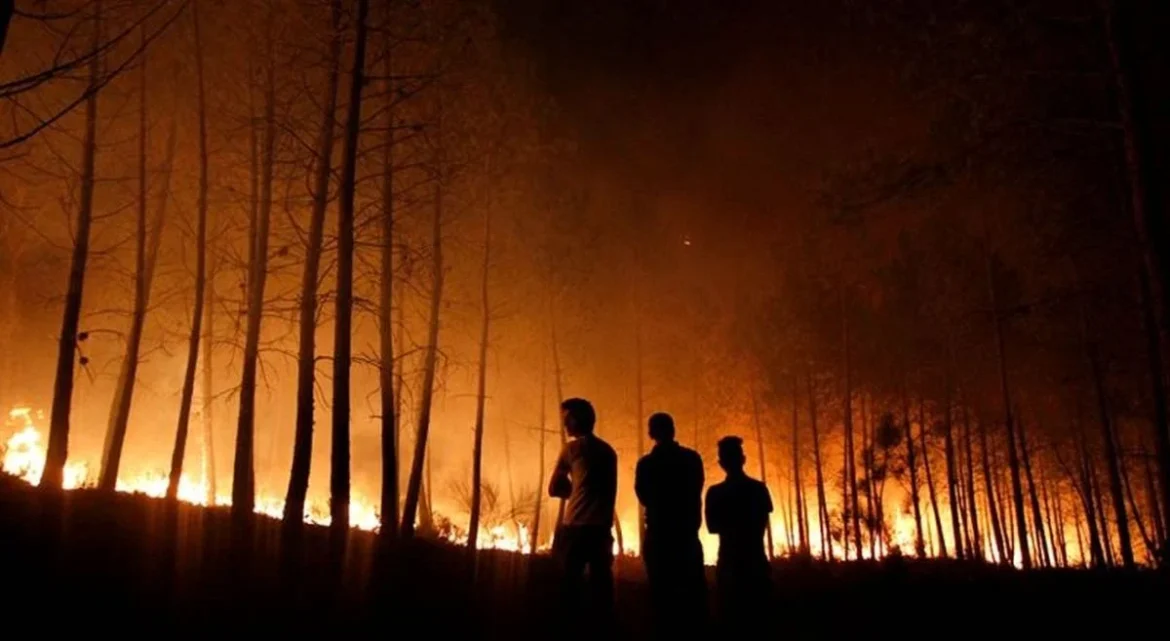
The ongoing forest and land fires (karhutla) engulfing the slopes of Mount Wilis, situated near Ngliman Village in the Sawahan District of Nganjuk Regency, East Java, have entered their fourth consecutive day as of Saturday, September 19, 2026. Despite the relentless efforts of a joint task force consisting of local disaster management agencies, forestry officials, and volunteers, the blaze continues to threaten the ecological stability of the region, hindered significantly by the rugged, high-altitude terrain that characterizes this volcanic landscape.

Chronology of the Incident

The fire was first reported on Wednesday, September 16, 2026. Initial assessments indicated that the ignition occurred in the vicinity of Petak 24, within the Gedangklutuk Forest Management Resort (RPH) under the Pace Forest Management Section (BKPH) of the Kediri Forest Management Unit (KPH). The dry conditions prevalent in late September, coupled with strong mountain winds, allowed the flames to spread rapidly through the underbrush and dry foliage.

By Friday, September 18, 2026, the situation showed signs of improvement in lower-altitude areas. Firefighters successfully extinguished the blaze located in Petak 47B, within the Kare RPH and the North Wilis BKPH. However, the relief was short-lived, as the fire front shifted upward toward the more inaccessible reaches of the Mount Wilis summit. The transition of the fire to higher elevations has complicated tactical planning, as traditional ground-based firefighting equipment is largely ineffective on the steep, rocky slopes.

Tactical Challenges and Mitigation Efforts

Berton SP Panjaitan, Acting Head of the Center for Data, Information, and Disaster Communication at the National Disaster Management Agency (BNPB), confirmed that the current strategy focuses on containment rather than direct suppression. Given the dangerous topography, ground crews have been ordered to establish "sekat bakar" or firebreaks—strips of land cleared of vegetation to prevent the fire from jumping to new sectors.

"The BPBD of Nganjuk, alongside our joint task force, is working under extreme pressure," stated Panjaitan in an official briefing. "Creating these firebreaks is our primary method of limiting the fire’s expansion. We are effectively trying to starve the fire of fuel before it can reach denser, more vulnerable sections of the forest."

In an effort to modernize the response, authorities have deployed drone technology, specifically agricultural spraying drones repurposed for fire suppression. These unmanned aerial vehicles are being utilized to reach hotspots that are physically unreachable by human crews. While drones cannot extinguish a massive wildfire on their own, they provide critical support by wetting down the periphery of the fire and cooling off hot spots, which slows the rate of spread and provides a safer environment for ground personnel to operate.

Environmental Context and Regional Impact

Mount Wilis is a critical watershed area for several regencies in East Java, including Nganjuk, Kediri, Tulungagung, and Madiun. The forest serves as a vital catchment area that sustains local agriculture and provides water to millions of residents in the surrounding plains. The loss of vegetation due to fire increases the risk of soil erosion and landslides, particularly as the region approaches the transition toward the rainy season.

The ecosystem of Mount Wilis, which hosts a variety of endemic flora and fauna, is highly susceptible to anthropogenic and natural fire risks during the peak of the dry season. Historical data on forest fires in the East Java region suggests that the period between August and October consistently sees a surge in thermal anomalies. Climate variability, specifically the influence of the Indian Ocean Dipole (IOD), often exacerbates these conditions by reducing humidity levels in the mountainous regions of Java.

Economic and Societal Implications

The economic impact of the Mount Wilis fire extends beyond the immediate loss of timber and brush. For the local Nganjuk community, particularly those in the Sawahan District, the mountain is a hub for eco-tourism and small-scale agriculture. The smoke haze generated by the fire has prompted local health authorities to issue warnings to residents to wear masks and limit outdoor activities to prevent respiratory distress.

Furthermore, the allocation of state resources to combat these fires represents a significant fiscal burden. The deployment of joint personnel, the maintenance of fire-suppression equipment, and the logistical requirements of operating in a remote mountain range require substantial coordination between the provincial government, the Indonesian Military (TNI), the National Police (Polri), and local volunteer groups.

Comparative Analysis of Fire Management

The difficulties faced in Nganjuk are emblematic of the broader challenges Indonesia faces in forest fire management. While the central government has made significant strides in monitoring hotspots via satellite imagery—such as the SIPONGI system—the "last mile" of firefighting remains a persistent hurdle.

Experts in forestry management note that mountainous fires differ fundamentally from peatland fires, which are common in Sumatra and Kalimantan. While peatland fires require deep-well pumping and massive water bombing, mountain fires require high-mobility teams and logistical precision. The reliance on manual labor to dig firebreaks remains the most reliable, albeit slow, method of suppression in high-altitude terrain.

Future Outlook and Official Response

As of late Saturday, the situation remains fluid. Meteorological reports for the Nganjuk region indicate low humidity and continued moderate winds, suggesting that the risk of the fire reigniting or expanding remains high. Authorities have maintained a state of high alert, with additional personnel on standby to monitor for potential spot fires caused by embers carried by the wind.

The BNPB has urged the public to refrain from activities that could spark further fires, such as clearing land by burning or discarding cigarette butts in forested areas. "The forest is currently at its most vulnerable state," Panjaitan noted. "Even a small spark in these conditions can lead to catastrophic consequences. We urge all stakeholders and local communities to exercise maximum vigilance."

Moving forward, the regional government is expected to conduct a comprehensive post-fire assessment to determine the total hectarage burned and to initiate reforestation efforts once the danger has fully passed. The restoration of the Mount Wilis ecosystem will be a long-term project, necessitating a collaborative approach between the Ministry of Environment and Forestry (KLHK), local administrations, and environmental conservation NGOs to ensure that the mountain regains its function as a stable water tower for East Java.

In the short term, the joint task force will continue to prioritize the protection of residential areas and agricultural zones surrounding the base of the mountain, while attempting to encircle the remaining active flames at the summit. The resilience of the Mount Wilis landscape will be tested in the coming weeks, as the authorities work to bring this persistent threat under control.

September 19, 2026 0 comment
0 FacebookTwitterPinterestEmail
Regional News

TNI Forces Arrest Key TPNPB-OPM Leader Abdon Kisamdu in Yahukimo, Thwarting Illicit Arms Procurement Operation

by Sagoh September 19, 2026
written by Sagoh

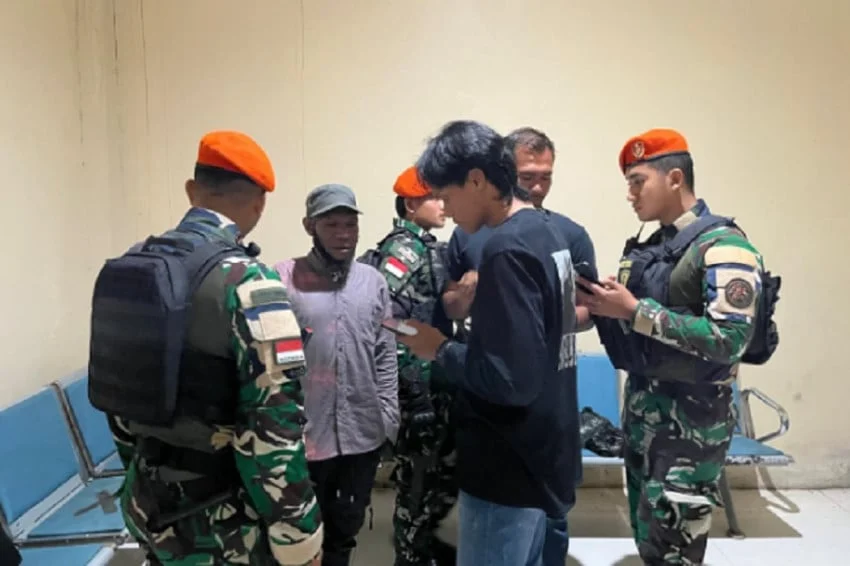
A joint security operation involving the 462nd Commando Battalion of the Indonesian Air Force (Yon 462 Pasgat) and the Mandala Task Force of the Indonesian National Armed Forces Operations Command (Koops TNI Habema), operating under the direct command of the Joint Regional Defense Command III (Kogabwilhan III), has successfully apprehended Abdon Kisamdu, the Deputy Battalion Commander of the West Papua National Liberation Army-Free Papua Organization (TPNPB-OPM) Kodap 35 Bintang Timur. The high-profile arrest took place at Nop Goliat Dekai Airport in Yahukimo Regency, Highland Papua province, on Saturday, September 19, 2026, at precisely 14:59 WIT (Eastern Indonesia Time).

The capture of Kisamdu represents a significant tactical breakthrough in ongoing security and stabilization efforts across Indonesia’s easternmost provinces. Kisamdu had long been designated as a primary fugitive on the Wanted List (DPO) issued by the Indonesian National Police (Mabes Polri) due to his direct involvement in numerous violent incidents, armed assaults, and destabilization campaigns attributed to separatist factions operating in the Highland Papua region.

Precision Operation at Nop Goliat Dekai Airport

The successful apprehension was the result of intelligence-led planning and rigorous inter-agency coordination. According to official briefings, the operation commenced when command elements received actionable intelligence regarding Kisamdu’s travel itinerary. He was tracked boarding a scheduled commercial flight, specifically a Trigana Air Passenger flight (PK-YSC, Boeing 737-500), which was inbound to Dekai from a regional transit hub.

Anticipating the arrival of the high-value target, security personnel from the Yon 462 Pasgat and the Satgas Mandala Koops TNI Habema executed a swift containment protocol. Troops secured all primary access and exit points of Nop Goliat Dekai Airport to prevent any potential escape or armed resistance.

As the aircraft touched down and passengers began disembarking, joint security personnel intercepted Kisamdu the moment he stepped onto the tarmac. Without offering significant physical resistance—largely due to the overwhelming tactical advantage and rapid deployment of the security forces—Kisamdu was immediately detained. To ensure public safety and maintain operational security, he was swiftly escorted to a secure isolation facility within the airport complex for initial interrogation and documentation.

Confession and Seizure of Evidence

During the initial debriefing conducted by military intelligence officers at the airport, Kisamdu made critical admissions regarding the purpose of his clandestine journey to Yahukimo. The suspect explicitly confessed that he had traveled to Dekai to orchestrate and finalize a transaction for the procurement of a substantial cache of illicit firearms.

Kisamdu revealed plans to meet with an unidentified arms broker or supplier located in the Kali Seng area of Yahukimo Regency, Highland Papua. The objective of acquiring these military-grade weapons was to replenish the armaments of the TPNPB-OPM Kodap 35 Bintang Timur faction, thereby enhancing their tactical capabilities for future armed confrontations against state security forces and civilian populations.

To corroborate these statements, military personnel conducted an immediate forensic inspection of Kisamdu’s personal electronic devices. A thorough examination of the suspect’s mobile gadget yielded undeniable digital evidence, including text messages, encrypted chat logs, and call records detailing ongoing negotiations, pricing agreements, and logistical coordination for the illegal arms purchase. This trove of digital intelligence has since been handed over to specialized investigators for further analysis, potentially uncovering broader illicit trafficking networks operating across the provincial borders.

Official Statements and Strategic Assessment

The Commander of the Joint Regional Defense Command III (Pangkogabwilhan III), Lieutenant General TNI Lucky Avianto, formally addressed the media following the successful execution of the operation. He underscored the gravity of the intercepted transaction and commended the vigilance and discipline of the participating military units.

"Abdon Kisamdu terkonfirmasi berada di pesawat Trigana Pax PK-YSC Jenis B737-500, yang akan mendarat pada Pukul 14.59 WIT. Sesaat setelah turun dari pesawat, personel TNI langsung menangkap lalu mengamankan Abdom Kisamdu ke salah satu ruang isolasi Bandara Nop Goliat Dekai Yahukimo. Yang bersangkutan mengaku akan memborong senjata api untuk kelompoknya," stated Lt. Gen. Lucky Avianto, highlighting the precise mechanics of the apprehension.

The Pangkogabwilhan III commander further elaborated on the catastrophic potential of the thwarted arms deal. He emphasized that the successful interception averted a severe escalation of violence in a region that has already suffered immensely from separatist-driven atrocities.

"Tidak dapat terbayangkan apabila yang bersangkutan dapat menyelesaikan transaksi pembelian senjata api tersebut, mengingat TPNPB-OPM Kodap 35 Bintang Timur tercatat telah melakukan serangkaian aksi kekerasan dan tindak kriminal di wilayah Kabupaten Pegunungan Bintang, Provinsi Papua Pegunungan," Lt. Gen. Lucky Avianto added, stressing the relentless reign of terror historically inflicted by Kisamdu’s faction upon local communities.

Background Context: Kodap 35 Bintang Timur and Regional Threat Matrix

To fully comprehend the strategic significance of arresting Abdon Kisamdu, it is essential to examine the operational profile of the TPNPB-OPM Kodap 35 Bintang Timur. This specific armed faction operates primarily within the rugged, mountainous terrain of Bintang Mountains (Pegunungan Bintang) Regency and surrounding districts within Highland Papua. Over recent years, Kodap 35 has been linked to numerous systematic attacks against infrastructure projects, government outposts, security personnel, and unarmed civilians.

Military analysts and intelligence reports indicate troubling operational linkages and ideological alignments between the leadership of Kodap 35 and other notorious insurgent groupings within the Papua region. Specifically, Ananias Ati Mimin, the primary leader of the TPNPB-OPM Kodap 35 Bintang Timur, maintains a close ideological and strategic alignment with Egianus Kogoya, the commander of the West Papua National Liberation Army’s Third Ndugama Regional Defense Command.

Egianus Kogoya remains one of the most wanted insurgent commanders in Indonesia, infamous for orchestrating high-profile acts of terror, including the kidnapping of foreign airmen, attacks on construction workers, and brutal targeted killings of civilians. Most notably, Kogoya’s faction was identified as the primary perpetrator behind the cold-blooded murder of Aris Sanda, an innocent civilian working as a travel vehicle driver, along the strategic Trans Wamena-Nduga roadway. The ideological synergy between figures like Ati Mimin, Kogoya, and operational deputies like Abdon Kisamdu illustrates a coordinated network of violence designed to instill fear, disrupt regional governance, and derail infrastructure development intended to benefit the indigenous population of Papua.

Implications for Security and Future Counter-Insurgency Operations

The neutralization of Abdon Kisamdu carries profound implications for the operational stability of Highland Papua. By cutting off a key logistics and procurement coordinator, Koops TNI Habema and Kogabwilhan III have delivered a crippling blow to the command-and-control structure of the TPNPB-OPM Kodap 35 Bintang Timur.

1. Disruption of Illicit Supply Chains

The primary vulnerability of armed insurgent groups in remote regions lies in their dependency on external supply lines for ammunition, firearms, and logistical support. Kisamdu’s arrest exposes how separatist elements attempt to exploit commercial aviation and remote trading posts to funnel weapons into conflict zones. The seizure of digital evidence from Kisamdu’s device is expected to yield leads that will enable security forces to dismantle the broader underground trafficking ring operating in Yahukimo and surrounding regencies.

2. Deterrence and Morale Shift

The detention of a high-ranking DPO fugitive at a major regional transit hub demonstrates the expanding intelligence reach and operational readiness of state security apparatuses. This serves as a significant morale booster for military and police personnel operating under challenging geographical conditions, while simultaneously inducing strategic panic within the ranks of the TPNPB-OPM, demonstrating that flight networks and safe havens are increasingly compromised.

3. Protection of Civilian Lives

With ongoing military operations spearheaded by Koops TNI Habema—which were recently intensified following a series of brutal attacks that left three civilian residents dead at the hands of OPM elements—the focus remains firmly on civilian protection. The removal of an active procurement officer diminishes the faction’s capacity to execute retaliatory or offensive operations, thereby safeguarding local communities, public servants, and developmental workers striving to improve socioeconomic conditions in Highland Papua.

Conclusion and Next Steps

Following his capture at Nop Goliat Dekai Airport, Abdon Kisamdu is slated to undergo comprehensive joint interrogations involving military investigators, intelligence units, and the Indonesian National Police. Due to his status as a long-standing fugitive on the national police DPO, he will face formal criminal charges related to illegal arms trafficking, association with terrorist and separatist organizations, and complicity in acts of violence resulting in loss of life.

The successful operation underscores the effectiveness of the integrated command structure under Kogabwilhan III and the proactive posture of task forces like Koops TNI Habema and Yon 462 Pasgat. As investigations unfold, state authorities anticipate uncovering further details regarding underground financial networks and external supporters sustaining armed separatism in Papua, paving the way for sustained peace, law enforcement, and regional development.

September 19, 2026 0 comment
0 FacebookTwitterPinterestEmail
Politics

Mengerikan! Bom Mobil Meledak di Masjid Pakistan saat Shalat Jumat, 21 Orang Tewas

by Ali Ikhwan September 19, 2026
written by Ali Ikhwan

Tragedi kemanusiaan yang memilukan melanda Provinsi Khyber Pakhtunkhwa, Pakistan, pada Jumat, 18 September 2026, ketika sebuah serangan teror terkoordinasi menghantam kompleks kepolisian di Kota Kohat. Ledakan bom mobil yang sangat kuat menghancurkan pintu masuk masjid di dalam kompleks tersebut saat jamaah tengah khusyuk melaksanakan ibadah shalat Jumat, menewaskan sedikitnya 21 orang dan melukai lebih dari 100 lainnya. Serangan ini menandai salah satu insiden keamanan paling mematikan di wilayah tersebut dalam beberapa tahun terakhir, menyoroti kerentanan fasilitas publik dan aparat keamanan terhadap taktik militan yang semakin berani.

Kronologi Serangan: Dari Ledakan hingga Baku Tembak

Berdasarkan keterangan pihak berwenang setempat, insiden bermula sekitar pukul 13.15 waktu setempat. Sebuah kendaraan, yang diyakini telah dimodifikasi untuk membawa bahan peledak dalam jumlah besar, menabrak gerbang perimeter kompleks masjid. Dampak ledakan tersebut sangat dahsyat, merobohkan struktur bangunan dan menyebabkan kepanikan massal di antara para jamaah yang sedang beribadah.

Segera setelah ledakan awal, situasi berubah menjadi semakin kacau ketika sekelompok pria bersenjata menyerbu fasilitas tersebut. Para penyerang melepaskan tembakan membabi buta ke arah personel kepolisian yang bertugas di lokasi kejadian, memicu baku tembak sengit antara aparat keamanan dan para militan. Kepala Kepolisian Khyber Pakhtunkhwa, Zulfiqar Hameed, mengonfirmasi bahwa terdapat tujuh penyerang yang terlibat dalam serangan tersebut. Dari jumlah tersebut, enam orang dilaporkan tewas di tempat, baik akibat ledakan yang mereka picu sendiri maupun dalam kontak tembak dengan unit respons cepat kepolisian. Hingga berita ini diturunkan, perburuan terhadap kemungkinan adanya pelaku lain yang melarikan diri masih terus berlangsung di sekitar wilayah Kohat.

Dampak Korban dan Respons Medis

Daftar korban jiwa dalam serangan ini mencakup spektrum yang luas, mencerminkan besarnya dampak ledakan di tengah kerumunan jamaah. Pejabat kesehatan setempat mengonfirmasi bahwa 15 dari 21 korban tewas adalah anggota kepolisian yang sedang bertugas atau ikut beribadah di masjid tersebut. Tragedi ini juga merenggut nyawa warga sipil, termasuk seorang anak berusia empat tahun yang berada di dekat lokasi kejadian.

Lebih dari 100 orang lainnya mengalami luka-luka dengan berbagai tingkat keparahan. Rumah sakit di Kohat dan fasilitas medis pendukung di wilayah sekitar dinyatakan dalam status siaga tinggi. Tim medis bekerja sepanjang waktu untuk menangani korban yang mengalami luka bakar, cedera akibat serpihan bom, dan trauma fisik lainnya. Otoritas provinsi telah mengeluarkan seruan mendesak bagi warga untuk mendonorkan darah guna membantu cadangan rumah sakit yang menipis akibat tingginya jumlah korban.

Konteks Geopolitik dan Keamanan di Khyber Pakhtunkhwa

Provinsi Khyber Pakhtunkhwa, yang berbatasan langsung dengan Afghanistan, telah lama menjadi medan pertempuran bagi berbagai kelompok militan, termasuk faksi-faksi Taliban Pakistan (Tehrik-e-Taliban Pakistan atau TTP) dan kelompok-kelompok separatis lainnya. Wilayah ini memiliki sejarah panjang konflik sektarian dan pemberontakan yang menargetkan aparat negara.

Serangan di Kohat ini dipandang oleh para analis keamanan sebagai upaya terkoordinasi untuk melemahkan moral aparat kepolisian dan menciptakan instabilitas di wilayah yang secara strategis sangat penting bagi Pakistan. Penggunaan taktik bom mobil yang dikombinasikan dengan serangan bersenjata menunjukkan peningkatan kecanggihan taktis para pelaku. Strategi ini bukan hanya bertujuan untuk menimbulkan korban jiwa sebanyak mungkin, tetapi juga untuk melumpuhkan fasilitas pertahanan internal negara melalui serangan terhadap infrastruktur kepolisian yang seharusnya menjadi benteng keamanan bagi warga sipil.

Analisis Keamanan: Tren Serangan Terhadap Aparat

Para ahli keamanan regional mencatat adanya pergeseran dalam pola serangan teroris di Pakistan selama 18 bulan terakhir. Serangan kini cenderung lebih sering menyasar target "hard target" seperti markas kepolisian dan pos-pos militer, bukan sekadar ruang publik terbuka. Hal ini mencerminkan keberanian kelompok militan dalam menantang otoritas negara secara langsung.

Mengerikan! Bom Mobil Meledak di Masjid Pakistan saat Shalat Jumat, 21 Orang Tewas : Okezone News

Kelemahan dalam prosedur operasional standar (SOP) di gerbang masuk kompleks kepolisian diduga menjadi celah yang dieksploitasi oleh para penyerang. Meskipun terdapat protokol keamanan yang ketat, kemudahan kendaraan bermuatan bahan peledak untuk mencapai area masjid menunjukkan perlunya evaluasi menyeluruh terhadap sistem keamanan di seluruh fasilitas pemerintah di Khyber Pakhtunkhwa. Pemerintah Pakistan kini berada di bawah tekanan besar untuk merespons serangan ini dengan tindakan tegas, guna memulihkan kepercayaan publik terhadap kemampuan aparat dalam memberikan perlindungan.

Respons Pemerintah dan Upaya Penyelidikan

Pemerintah Pakistan telah mengeluarkan pernyataan resmi yang mengutuk keras serangan tersebut. Presiden dan Perdana Menteri Pakistan menyampaikan belasungkawa mendalam kepada keluarga korban dan menegaskan bahwa negara tidak akan membiarkan tindakan terorisme semacam ini dibiarkan tanpa hukuman. Tim investigasi gabungan, yang melibatkan badan intelijen nasional dan unit anti-terorisme, telah dikerahkan ke lokasi untuk melakukan olah tempat kejadian perkara (TKP).

Penyelidik saat ini sedang menelusuri asal-usul kendaraan yang digunakan dan mencoba mengidentifikasi jaringan yang memfasilitasi serangan tersebut. Rekaman kamera pengawas (CCTV) di sekitar area kompleks sedang dianalisis untuk melacak rute perjalanan penyerang sebelum mencapai lokasi. Selain itu, otoritas keamanan telah meningkatkan status siaga di seluruh kota besar di provinsi tersebut guna mencegah adanya serangan susulan.

Implikasi Ekonomi dan Sosial

Serangan di Kohat tidak hanya berdampak pada aspek keamanan, tetapi juga membawa implikasi sosial yang signifikan. Ketakutan akan serangan serupa telah memicu kekhawatiran warga untuk berkumpul di ruang publik, termasuk masjid-masjid. Selain itu, trauma psikologis yang dialami oleh masyarakat Kohat pasca-ledakan diperkirakan akan memakan waktu lama untuk pulih.

Secara ekonomi, biaya yang harus dikeluarkan pemerintah untuk memperbaiki infrastruktur yang hancur dan biaya penanganan medis bagi ratusan korban luka akan memberikan beban tambahan bagi anggaran provinsi yang sudah terbatas. Lebih jauh lagi, insiden ini berpotensi menghambat investasi di wilayah tersebut, karena stabilitas keamanan menjadi prasyarat utama bagi pertumbuhan ekonomi dan pembangunan infrastruktur di kawasan Khyber Pakhtunkhwa.

Harapan bagi Pemulihan dan Stabilitas

Di tengah duka yang mendalam, masyarakat Kohat menunjukkan ketahanan yang luar biasa. Aksi solidaritas, mulai dari pengumpulan bantuan bagi keluarga korban hingga doa bersama lintas kelompok, mulai bermunculan di seluruh negeri. Para pemimpin agama dan tokoh masyarakat di Pakistan juga bersatu dalam mengecam tindakan tersebut, menegaskan bahwa kekerasan yang mengatasnamakan apapun tidak memiliki tempat dalam ajaran agama dan nilai-nilai kemanusiaan.

Ke depan, tantangan utama bagi Pakistan adalah bagaimana mengintegrasikan strategi keamanan yang lebih proaktif dengan pendekatan deradikalisasi. Tanpa menyentuh akar permasalahan yang mendorong radikalisasi di wilayah perbatasan, serangan-serangan serupa dikhawatirkan akan terus berulang. Keberhasilan pemerintah dalam mengungkap dalang di balik serangan Kohat dan membawa mereka ke pengadilan akan menjadi ujian krusial bagi kredibilitas aparat penegak hukum Pakistan dalam menegakkan keamanan nasional dan melindungi warganya dari ancaman terorisme yang terus bermetamorfosis.

Tragedi ini menjadi pengingat pahit bahwa perjuangan melawan terorisme adalah maraton, bukan sprint. Keamanan yang berkelanjutan membutuhkan komitmen yang tidak tergoyahkan dari pemerintah, partisipasi aktif dari masyarakat dalam melaporkan aktivitas mencurigakan, dan kerja sama regional yang lebih erat untuk menutup ruang gerak kelompok militan yang beroperasi melintasi batas-batas wilayah. Seluruh mata kini tertuju pada respons pemerintah dalam beberapa hari ke depan, saat prosesi pemakaman para korban dilakukan dan penyelidikan masuk ke tahap yang lebih intensif.

September 19, 2026 0 comment
0 FacebookTwitterPinterestEmail
Newer Posts
Older Posts

Recent Posts

  • 4 Rekomendasi Minuman Sarapan Sehat Selain Smoothie Menurut Ahli Gizi
  • Sebelum Tinjau Kilang TPPI, Rini Soemarno Cicipi Semangka Tuban
  • 5 Makanan untuk Pulihkan Otot Lebih Cepat Usai Olahraga
  • State-Driven Consolidation Threats and Corporate Rivalry: The Historical Context Behind the Proposed Pertagas and PGN Integration
  • Discover the Tropical Splendor of Thailand with an Exclusive Phuket and Krabi Island Getaway Package by Mister Aladin

Recent Comments

No comments to show.
  • Facebook
  • Twitter

@2021 - All Right Reserved. Designed and Developed by PenciDesign


Back To Top
Dara News Media
  • Home
  • About Us
  • Contact Us
  • Cookies Policy
  • Disclaimer
  • DMCA
  • Privacy Policy
  • Terms and Conditions

We are using cookies to give you the best experience on our website.

You can find out more about which cookies we are using or switch them off in .

Dara News Media
Powered by  GDPR Cookie Compliance
Privacy Overview

This website uses cookies so that we can provide you with the best user experience possible. Cookie information is stored in your browser and performs functions such as recognising you when you return to our website and helping our team to understand which sections of the website you find most interesting and useful.

Strictly Necessary Cookies

Strictly Necessary Cookie should be enabled at all times so that we can save your preferences for cookie settings.