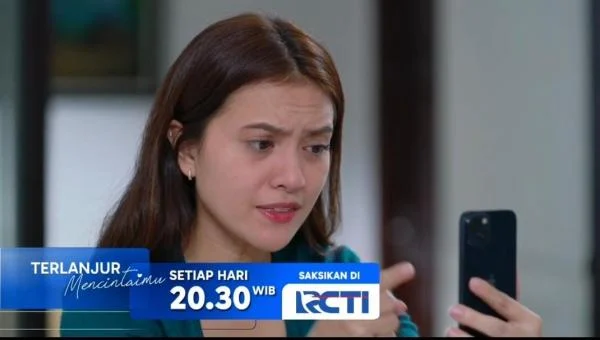
The landscape of Indonesian television drama continues to evolve, offering audiences complex narratives that intertwine romance, psychological suspense, and high-stakes family conflict. Among the prominent offerings capturing prime-time television viewership is the acclaimed sinetron Terlanjur Mencintaimu, broadcast daily on the RCTI network. Airing at 20.30 Western Indonesia Time (WIB) on Channel 28, the series has consistently drawn significant viewership due to its intricate plotting and emotionally charged confrontations. As the storyline progresses into its latest narrative arc, viewers are treated to a masterclass in dramatic tension, where maternal protective instincts are pushed to their absolute limits against a backdrop of betrayal, deep-seated romance, and unresolved mysteries from the past.
Main Facts and Narrative Overview
Terlanjur Mencintaimu has firmly established itself as a staple of contemporary Indonesian entertainment, relying on a sophisticated blend of romance and suspense rather than depending solely on traditional melodramatic tropes. The central premise revolves around a web of deceit, evolving relationships, and psychological warfare orchestrated by characters driven by ambition and vengeance.
At the core of the series is a stellar ensemble cast featuring some of the most recognizable and critically acclaimed talents in the Indonesian television and film industry. The production is spearheaded by Chicco Jerikho in the role of Elio, a character whose stoic exterior often masks deep emotional resonance and unwavering loyalty. Alongside him is Marsha Aruan, who delivers a poignant performance as Arumi, a mother navigating an increasingly hostile environment to protect her child. The cast further boasts Miqdad Addausy portraying the dual-layered persona of Rendi and Alex, Jennifer Eve as the calculating and antagonistic Laura, and industry veterans Sari Nila as Anika and Verlita Evelyn as Celia. The ensemble is rounded out by rising stars including Erdin Werdrayana as Kevin, Elissa Knapp as Via, and Ratu Bijak as Mila, alongside a supporting cast of seasoned actors and actresses who lend depth to the fictional universe.
The current narrative phase has shifted focus toward higher-stakes confrontations, moving away from domestic misunderstandings toward direct threats of physical and psychological harm. This escalation has redefined character motivations, forcing alliances to form and fracture in real-time as the psychological pressure mounts on the protagonists.
Chronology of Escalating Conflict
The trajectory of the recent episodes has been marked by a steep escalation in tension, driven primarily by the antagonistic maneuvers of Laura. The chronology of events began with subtle psychological provocations, designed to destabilize Arumi emotionally and isolate her from potential sources of support. However, these covert tactics quickly gave way to overt and dangerous aggression.
The turning point in the recent broadcast occurred when Laura initiated a calculated video call to Arumi. Eschewing any attempt at dialogue or negotiation, Laura utilized the digital medium to inflict maximum psychological terror. Through the live video feed, Laura revealed the precarious situation of Kenzo, Arumi’s young son, who was shown standing perilously close to the edge of a high-rise balcony. Accompanied by explicit threats to cause physical harm to the child, the action transformed a personal rivalry into an immediate life-or-death crisis.
Overcome by maternal terror and the panic inherent in such a dire situation, Arumi abandoned all caution. The chronology details her immediate departure from her current location, rushing headlong toward the apartment complex where her son was being held hostage to danger. This frantic journey served not only as a physical race against time but also as a narrative device to expose the vulnerabilities of the protagonist.
Amidst this chaos, the narrative introduced a critical turning point regarding the character of Elio. Recognizing the imminent peril facing Arumi and Kenzo, Elio cast aside any lingering emotional reservation or ambiguity, openly revealing his deep-seated care and commitment to Arumi. His intervention marked a transition from a passive observer or distant confidant to an active participant in the protection of the mother and child, fundamentally altering the dynamic between the lead characters.
Supporting Data and Industry Context
The success of Terlanjur Mencintaimu on RCTI is not an isolated phenomenon within the current television ecosystem, but rather part of a broader trend of high-production-value serial dramas capturing prime-time dominance in Indonesia. Prime-time slots, particularly the coveted 20.30 WIB window, are fiercely contested by major national networks striving to capture the highest share of household viewership.
Industry metrics consistently indicate that serials incorporating thriller elements into traditional romance frameworks yield higher audience retention rates. By blending the emotional resonance of family melodrama with the pacing of a suspense thriller, production houses can appeal to a diverse demographic ranging from young adults to older family units. The inclusion of established cinematic actors like Chicco Jerikho alongside television mainstays like Marsha Aruan represents a deliberate strategy by network executives to bridge the gap between big-screen production quality and serial television accessibility.
Furthermore, digital engagement surrounding broadcasts of Terlanjur Mencintaimu demonstrates significant cross-platform synergy. Discussions regarding character motivations, plot predictions, and specific scenes—such as the balcony confrontation—frequently trend across social media platforms during and immediately after the broadcast. This digital footprint amplifies the reach of the program, converting traditional television viewers into active online communities that dissect every narrative twist.
Official Responses and Creative Direction
While direct public statements from individual actors regarding specific daily plot developments are typically governed by promotional schedules, insights into the creative direction of Terlanjur Mencintaimu shed light on the methodology behind its resonant storytelling. Production teams behind leading sinetrons often emphasize the importance of emotional authenticity, even within heightened, dramatic scenarios.
In interviews discussing the broader themes of the series, cast members have frequently highlighted the complexity of their respective roles. Characters like Laura, portrayed by Jennifer Eve, are approached not merely as one-dimensional villains, but as individuals driven by complex psychological backgrounds that justify, within the logic of the narrative, their extreme actions. Similarly, the portrayal of motherhood by Marsha Aruan has been crafted to resonate universally, tapping into the primal protective instincts that viewers can readily empathize with, regardless of the fictional context.
Directors and writers working within this genre utilize pacing as a primary tool to maintain audience investment. The transition from quiet dramatic revelations to explosive confrontations—such as the apartment crisis—is meticulously timed to occur during key commercial break intervals, maximizing suspense and ensuring that viewers return for the resolution of the immediate conflict.
Broader Impact and Societal Implications
The widespread popularity of dramas focusing on intense familial conflict and maternal protection offers a fascinating lens through which to examine contemporary media consumption and cultural values in Indonesia. At the heart of these narratives is the enduring cultural reverence for maternal devotion. Stories that depict a mother overcoming insurmountable odds and confronting direct threats for the sake of her child consistently strike a chord with domestic audiences, reinforcing traditional values of familial sacrifice and resilience.
However, the incorporation of high-stakes psychological suspense and urban thriller tropes also reflects a changing appetite among modern viewers. Audiences increasingly demand narratives that move beyond predictable domestic tropes, favoring characters who exhibit agency, vulnerability, and complex moral dilemmas. The dynamic between Arumi and Elio, for instance, challenges simple romantic archetypes, presenting a partnership forged in crisis rather than convenience.
From an economic perspective, the sustained popularity of prime-time dramas like Terlanjur Mencintaimu drives the stability of the local creative sector. These productions provide consistent employment opportunities for hundreds of cast and crew members, technicians, writers, and administrative personnel within the Indonesian entertainment industry. The rigorous production schedule required to deliver daily content fosters high levels of technical proficiency among local crews, contributing to the overall professionalization of the national television sector.
As Terlanjur Mencintaimu continues its run on RCTI, the trajectory of its characters remains a focal point for evening entertainment across the nation. The convergence of high-tier acting talent, sophisticated narrative structuring, and intense emotional stakes ensures that the series will continue to command significant attention from both devoted fans and industry analysts alike. The unfolding fallout from Laura’s dangerous provocations and the deepening bond between Elio and Arumi promise to deliver further dramatic developments, cementing the series’ place as a notable achievement in contemporary Indonesian serial television.