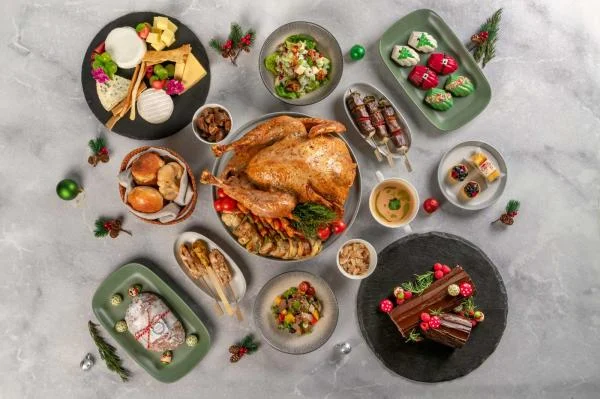
Bali Culinary Landscape: A Fusion of Global Traditions and Indonesian Heritage During the Christmas Season is defining a new paradigm for year-end tourism as visitors increasingly seek a balance between international holiday expectations and the authentic flavors of the Indonesian archipelago. As the island prepares for the 2026 festive season, the hospitality sector in areas like Nusa Dua is pivoting to provide more than just the traditional turkey and pudding, embracing the rich, complex profiles of local cuisine to appeal to a diverse demographic of international and domestic travelers.
The Evolution of the Christmas Brunch in Bali
The concept of the "Christmas Brunch" or festive lunch has long been a staple of the luxury hospitality industry in Bali. Historically, these events were designed to cater to the expatriate community and Western tourists, featuring imported delicacies such as roasted meats, gravlax, and elaborate pastry displays. However, market research over the past five years indicates a significant shift in consumer behavior. Travelers visiting Indonesia during the holiday period are no longer looking for a replicated home experience; they are actively seeking cultural immersion through gastronomy.
In response, major resorts, including The Ritz-Carlton, Bali, have integrated sophisticated Indonesian menus into their holiday offerings. By placing local delicacies alongside traditional Western holiday staples, these establishments are effectively bridging the gap between cultural heritage and global tourism standards. This trend is not merely a preference for local food but a broader movement toward "culinary tourism," where the experience of eating becomes the primary motivator for travel.
Integrating Nusantara Flavors into Festive Menus
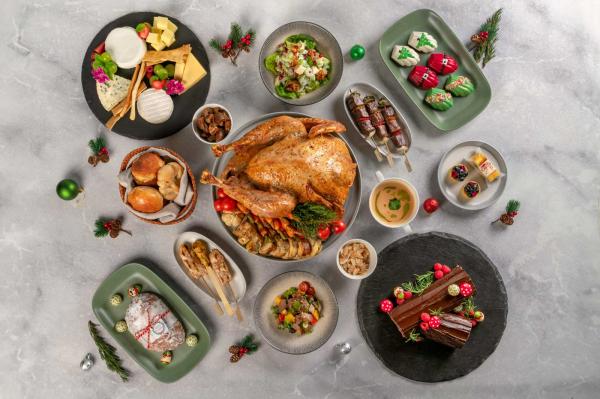
At the forefront of this shift is the "Buffet Indonesia" initiative at Bejana, a restaurant known for its focus on authentic flavors. The integration of Indonesian dishes—such as slow-cooked rendang, aromatic bumbu-based seafood, and traditional sweets like klepon—into a high-end Christmas context represents a strategic elevation of local cuisine.
According to culinary experts, the appeal of incorporating these dishes into a Christmas menu lies in the communal nature of Indonesian dining. The tradition of makan bersama (eating together) aligns perfectly with the ethos of Christmas, which emphasizes family, connection, and shared experience. By offering dishes that require complex preparation and historical knowledge, resorts are providing guests with a narrative-driven dining experience that reflects the heart of the destination.
Chronology of the 2026 Festive Preparations
The planning for the 2026 year-end culinary season began as early as the first quarter of the year, driven by projections of a 15% increase in tourist arrivals compared to 2025.
- Q1 2026: Hospitality groups began assessing feedback from the 2025 season, which highlighted a strong demand for local, plant-based, and authentic Indonesian menu options.
- Q2 2026: Procurement departments prioritized partnerships with local farmers and spice growers to ensure the supply of high-quality, indigenous ingredients.
- Q3 2026: Menu development commenced, with executive chefs collaborating with local culinary historians to refine recipes for a luxury buffet setting.
- Q4 2026: Marketing campaigns were launched, specifically targeting the "culinary explorer" segment, with a heavy emphasis on the fusion of Christmas tradition and Indonesian culture.
Supporting Data and Market Trends
Recent data from the Bali Tourism Board suggests that food and beverage expenditures now account for approximately 35% of the average tourist’s total spending on the island. This is a marked increase from the 22% reported a decade ago. The rise is attributed to the growing reputation of Bali as a global culinary hub.

Furthermore, surveys conducted by regional hospitality associations show that 68% of tourists visiting Bali in December identify "trying authentic local food" as a top-three priority for their stay. This statistic serves as a primary driver for the strategic shift in hotel menus. The inclusion of dishes such as rahang tuna (tuna jaw), which has gained immense popularity among food enthusiasts, demonstrates how even niche, local specialties are being elevated to high-end menu status.
Official Perspectives and Industry Implications
Industry leaders view the diversification of festive menus as a sustainable development strategy. "The goal is to move away from the ‘cookie-cutter’ festive experience," says a spokesperson from a major hospitality group operating in Nusa Dua. "When a guest sits down for a Christmas lunch and finds an array of Indonesian satays, sambals, and local desserts, they feel a deeper connection to the place they are visiting. It turns a meal into a memory."
The implication for the local economy is equally significant. By focusing on indigenous ingredients, resorts are effectively shortening supply chains and supporting small-scale producers. This creates a multiplier effect: the increased demand for high-quality local produce encourages farmers to invest in better practices, ultimately improving the quality of the regional food supply.
A Broader Impact: The Global Visibility of Indonesian Cuisine
The growing international recognition of Indonesian food is not happening in a vacuum. Recent global events and the presence of high-profile figures—such as Miss World 2026, Joheirry Mola, who has publicly praised Indonesian cuisine—have accelerated the global interest in the country’s culinary landscape. When international figures engage with and celebrate local food, it validates the efforts of local chefs and encourages a wider, more diverse audience to explore the depth of Indonesian flavors.

This visibility is crucial for the long-term positioning of Bali as a premier culinary destination. As the island continues to refine its festive offerings, it is setting a benchmark for other tourist regions in Southeast Asia. The transition from being a destination for Western-style holiday celebrations to a center for cultural culinary synthesis is a testament to the adaptability and resilience of the Balinese tourism sector.
Challenges and Future Considerations
While the transition toward more local-centric festive menus is positive, it is not without challenges. Maintaining the authenticity of traditional recipes while adapting them for a large-scale, international buffet environment requires immense skill. Chefs must balance the intense, often spicy, profiles of Indonesian food with the diverse palates of global travelers.
Moreover, the challenge of maintaining supply chain consistency during the peak festive season remains a logistical priority. As the island experiences a surge in demand, ensuring that traditional ingredients—such as specific varieties of chili, lemongrass, and local fish—are available in sufficient quantities is essential to prevent a decline in quality.
Looking ahead, industry analysts predict that the focus will shift even further toward hyper-local sourcing. "Farm-to-table" practices are likely to become the standard for Christmas menus in 2027 and beyond, with resorts potentially partnering with local villages to offer "culinary workshops" as part of the holiday stay package.
Conclusion
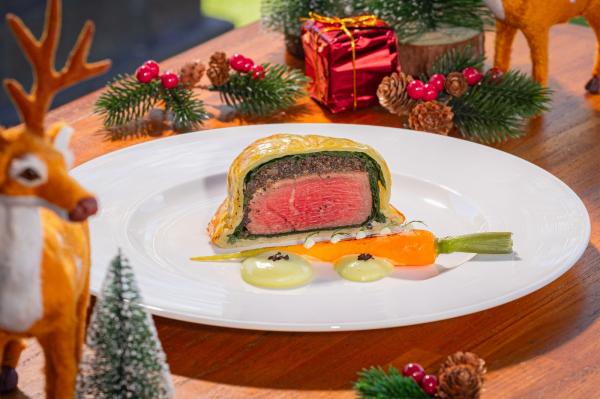
The 2026 Christmas season in Bali is set to be a milestone in the evolution of the island’s hospitality sector. By embracing the complexity and diversity of Indonesian cuisine, resorts are providing a more meaningful and culturally resonant experience for their guests. This shift is not merely about food; it is about honoring the identity of the destination and ensuring that the festive spirit is reflected in the authentic, shared experience of a meal. As travelers become more discerning, the ability to merge the global traditions of the season with the unique, vibrant heritage of Indonesia will remain the ultimate marker of quality in the competitive world of luxury tourism.
For the visitor in Nusa Dua or beyond, this year’s Christmas will be defined by the realization that the best way to celebrate a global holiday is often to lean into the local flavors of the place they have chosen to call home for the season. Whether it is the subtle heat of a freshly prepared sambal or the sweet, textural delight of traditional krispy snacks, the menu this year promises a journey through the heart of Indonesian culture, one bite at a time.