South Korea has firmly established itself as one of the premier outbound travel destinations for global tourists, particularly from Southeast Asia, driven largely by the massive international popularity of Korean wave (Hallyu) culture. Over the past decade, the proliferation of K-dramas, Korean pop music (K-pop), and lifestyle content has transformed ordinary urban streets, historical alleys, and modern architectural marvels into iconic tourist landmarks. Travelers are increasingly seeking out locations that not only offer scenic beauty but also replicate the atmospheric backdrops seen in their favorite television series.
This surging interest has prompted national tourism authorities and city planners to further develop urban tourism infrastructure, blending modern cosmopolitan energy with rich cultural heritage. From bustling entertainment districts to towering architectural achievements, several key locations stand out as must-visit destinations for travelers looking to experience the authentic yet cinematic ambiance of modern South Korea.
The Rise of Hallyu Tourism: Background and Economic Context
The phenomenal growth of South Korea’s tourism sector is heavily intertwined with the global success of its cultural content industry. According to data from the Ministry of Culture, Sports and Tourism, and the Korea Tourism Organization (KTO), Hallyu has served as a primary catalyst for foreign arrivals, shifting travel trends away from traditional sightseeing toward experiential and pop-culture-driven tourism.
Historically, South Korea’s tourism marketing relied on ancient palaces, traditional markets, and natural landscapes such as Jeju Island. However, the advent of globally syndicated television dramas has brought localized urban spots—such as indie theater districts, metropolitan nightlife strips, and avant-garde public spaces—into the global spotlight. International visitors frequently plan their itineraries around specific scenes from dramas, generating sustained economic activity in urban neighborhoods that might otherwise remain off the typical tourist path.

Metropolitan Vibrancy: Experiencing the Urban Pulse at Geonbae
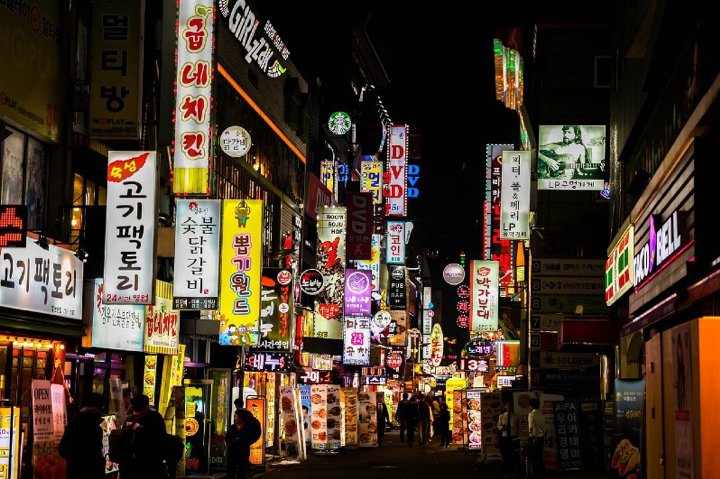
For travelers seeking an authentic taste of South Korea’s modern nightlife and metropolitan energy, the Geonbae district offers a vivid representation of contemporary city life. Characterized by dense clusters of vibrant bars, neon-lit storefronts, and lively pedestrian corridors, Geonbae captures the fast-paced lifestyle frequently depicted in contemporary urban K-dramas.
The area is heavily frequented by both local residents and international visitors, creating a dynamic cultural melting pot. Urban development experts note that districts like Geonbae play a crucial role in Seoul’s nocturnal economy, providing spaces for social interaction, culinary exploration, and entertainment. Beyond its aesthetic appeal, the district reflects South Korea’s broader transition into a 24-hour society where commerce, hospitality, and modern design intersect seamlessly.
Daehakro: The Cultural and Artistic Heart of Seoul
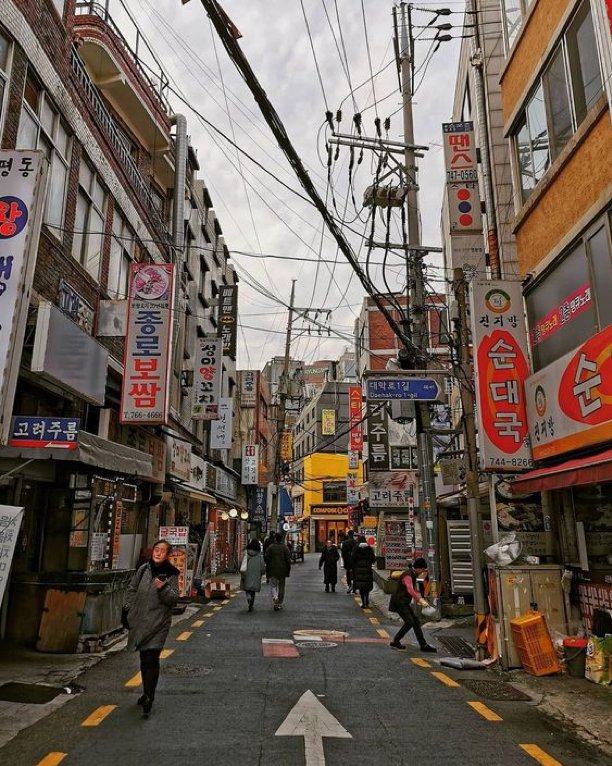
Shifting from commercial nightlife to the performing arts, Daehakro stands as South Korea’s premier hub for theatrical culture. Spanning a 1.6-kilometer stretch, Daehakro is frequently compared to New York City’s Broadway or London’s West End. The district is densely populated with small-to-medium-sized theaters, art galleries, live music venues, and creative studios.
Historical Evolution of Daehakro
The name "Daehakro" literally translates to "University Street," referencing the historical presence of Seoul National University’s main campus in the area before its relocation to Gwanak-daero in the 1970s and 1980s. Following the university’s move, the Korean government designated the district as a special zone for culture and arts.
Today, Daehakro hosts hundreds of theatrical productions annually, ranging from avant-garde plays and musicals to traditional Korean performances and indie concerts. Cultural analysts view Daehakro as a vital incubator for South Korea’s independent artistic community, offering a stark contrast to the commercialized pop culture found in other parts of the capital. For travelers, the district provides a rare opportunity to engage with Seoul’s grassroots creative scene within a pedestrian-friendly environment lined with cafes and public art installations.
Architectural Marvels: The Phenomenon of Starfield Library
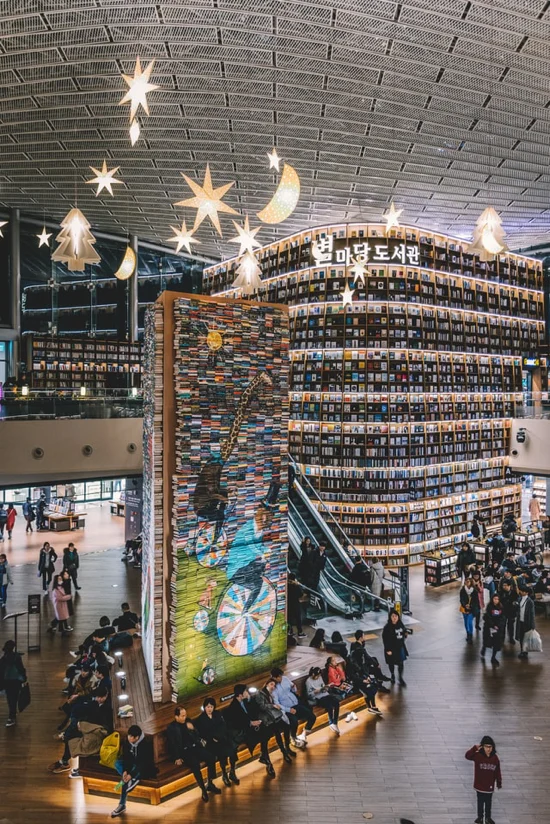
In recent years, modern architectural landmarks have rivaled historical sites in drawing tourist foot traffic. Among these, the Starfield Library, located in the heart of the COEX Mall in Gangnam, Seoul, has become a global sensation on social media and a masterclass in modern public space design.
Design and Scale
Spanning approximately 2,800 square meters, the open-public library is anchored by massive, towering bookshelves that reach an impressive height of 13 meters. Housing tens of thousands of books, magazines, and digital archives, the facility is designed to promote open learning, relaxation, and community engagement rather than quiet, restrictive studying.
The library’s striking glass atrium ceiling floods the interior with natural sunlight during the day, while sophisticated warm lighting accentuates the towering book columns at night. It regularly hosts cultural events, poetry readings, book concerts, and lectures featuring prominent authors and intellectuals.
Economic and Urban Implications
The establishment of the Starfield Library represents a strategic shift in retail and urban design—integrating cultural literacy directly into commercial spaces. Urban planners have praised the initiative for increasing foot traffic to the COEX Mall while providing a free, accessible cultural amenity to the public. For international travelers, it serves as an essential stop that merges architectural innovation with the serene intellectual atmosphere of a modern literary sanctuary.
Broader Implications of Pop-Culture Tourism in South Korea
The continued influx of tourists seeking cinematic and cultural landscapes carries significant economic and social implications for South Korea. Tourism economists emphasize that the diversification of attractions beyond traditional monuments helps distribute visitor congestion across different urban neighborhoods, supporting local small businesses, independent cafes, and regional artists.
However, rapid gentrification and overcrowding in popular districts have presented challenges for local municipal governments. Balancing the commercial benefits of international tourism with the preservation of residential quality of life remains a primary policy objective for the Seoul Metropolitan Government. Measures such as designated pedestrian zones, noise regulations, and support for localized cultural festivals have been implemented to ensure sustainable tourism growth.
Conclusion
South Korea’s unique ability to blend hyper-modern urban development with accessible cultural arts has cemented its status as a top-tier global travel destination. Whether exploring the bustling nightlife of Geonbae, experiencing the theatrical depth of Daehakro, or marveling at the architectural grandeur of the Starfield Library, travelers are offered a multifaceted glimpse into a nation that honors its artistic roots while aggressively innovating its public spaces. As international travel continues to evolve, these cinematic landscapes will undoubtedly remain central to the narrative of modern Korean tourism.