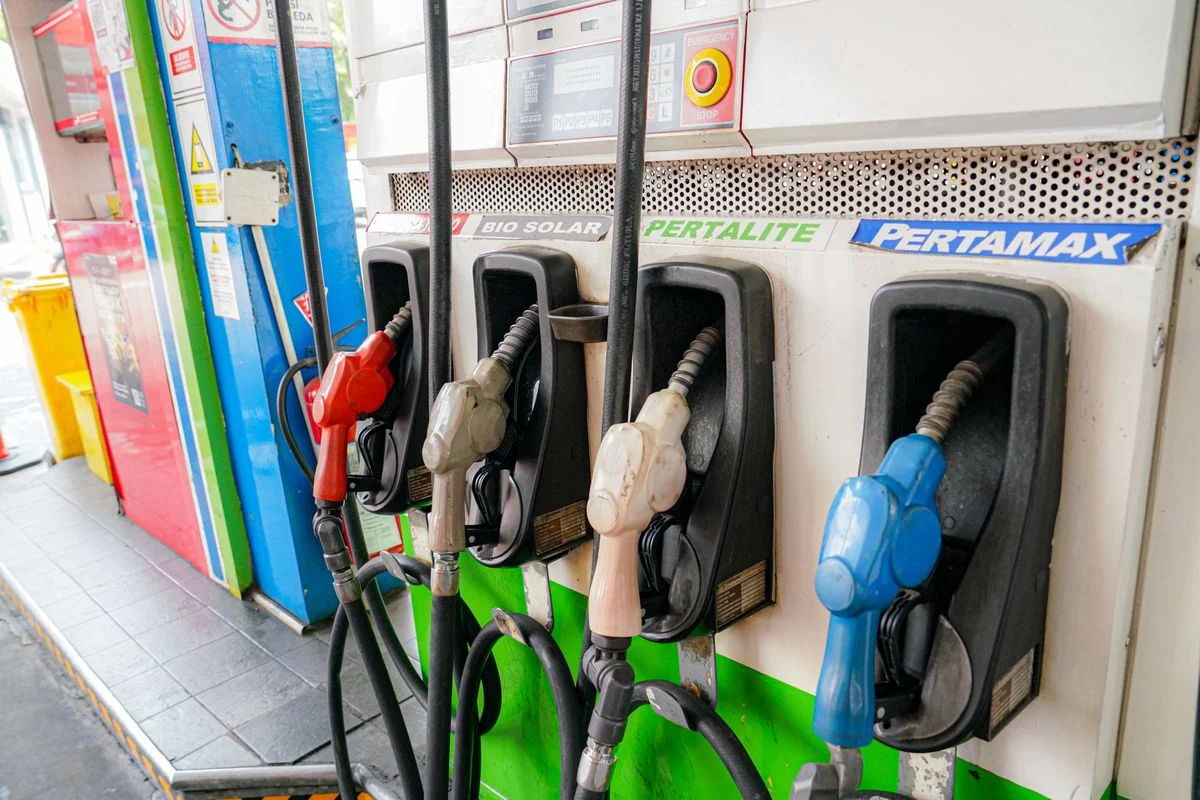
The landscape of Indonesia’s retail fuel market remains characterized by a period of relative price stability as of October 30, 2026. Data collected from major fuel retailers operating across the archipelago—including state-owned PT Pertamina (Persero) and private entities such as Shell, BP, and Vivo Energy—indicates that there have been no significant adjustments to pump prices for both subsidized and non-subsidized products. This trend of stagnation in fuel pricing follows a volatile period in global crude oil markets and serves as a critical indicator for the domestic economy as it balances inflationary pressures with consumer purchasing power.
Stability Amid Global Market Fluctuations
As of the morning of October 30, 2026, motorists across major urban centers in Indonesia are seeing consistent pricing at the pump. This stability is largely attributed to the Indonesian government’s ongoing strategy of managing the Energy Subsidy Budget. By maintaining price caps on essential fuel types, the government aims to mitigate the volatility inherent in global oil pricing, which has been influenced by geopolitical tensions and fluctuating supply-demand dynamics throughout the third and fourth quarters of 2026.
Pertamina, as the primary provider of energy across the nation, continues to maintain its non-subsidized offerings at established price points. Pertamax, the most widely used high-octane fuel for modern passenger vehicles, remains at IDR 15,950 per liter. Its higher-performance counterparts, Pertamax Green and Pertamax Turbo, are priced at IDR 19,150 and IDR 19,600 per liter, respectively. For the logistics and industrial sectors, diesel variants such as Dexlite and Pertamina Dex are holding steady at IDR 23,700 and IDR 25,200 per liter.
The Status of Subsidized Fuels
The bedrock of Indonesia’s retail fuel strategy remains the subsidized segment, which provides essential support to the lower-middle-class economy. Pertalite, the RON 90 fuel staple for millions of motorcycle and car owners, remains priced at IDR 10,000 per liter. Simultaneously, Biosolar, the primary fuel for public transportation and heavy freight, is locked at IDR 6,800 per liter.
The decision to maintain these prices is a deliberate fiscal move. By keeping these rates constant, the Ministry of Energy and Mineral Resources (ESDM) seeks to prevent a sudden spike in the Consumer Price Index (CPI), which would otherwise lead to higher transportation costs and subsequent price hikes in basic food commodities.
Comparative Analysis: Private Sector Pricing
Private retailers, including Shell, BP, and Vivo Energy, have mirrored the stability observed in Pertamina’s network. Competitive pricing remains a hallmark of the private sector, as they strive to balance operational costs—largely determined by international crude benchmark prices like Brent and WTI—with market share retention.
At Shell stations, the V-Power Diesel variant is currently priced at IDR 25,420 per liter. Similarly, BP’s premium offerings, including BP 92 and BP Ultimate, are retailing at IDR 16,130 and IDR 19,330 per liter, respectively, with their Ultimate Diesel variant matching the market trend at IDR 25,420 per liter. Vivo Energy, known for its Revvo series, has maintained its price points at IDR 16,130 for Revvo 92, IDR 19,330 for Revvo 95, and IDR 25,420 for Diesel Primus. This uniform pricing structure across the private sector suggests that these companies have reached a plateau in their pricing adjustments, awaiting further signals from global market trends before initiating any future changes.

Chronology of Price Adjustments in 2026
To understand the current state of stability, it is necessary to look back at the sequence of events throughout 2026. The year began with significant uncertainty due to supply chain disruptions in the Middle East, which forced a temporary hike in non-subsidized fuel prices in the first quarter. By the second quarter, the government initiated a series of reviews, adjusting prices periodically to align with the Indonesian Crude Price (ICP).
However, since August 2026, the government has adopted a more cautious approach, prioritizing economic recovery and domestic stability over immediate price adjustments to international market shifts. This period of sustained pricing from late September through the end of October marks the longest stretch of inactivity in fuel price changes for the calendar year.
Economic Implications and Policy Perspectives
The policy of holding fuel prices steady carries significant implications for the state budget (APBN). While it provides relief to consumers, it increases the fiscal burden on the state if the gap between the retail price and the economic price of fuel widens. Economists suggest that the current government strategy is a "buffer" approach, utilizing savings from previous quarters when oil prices were lower to subsidize the current period.
"The stability we see today is a reflection of the government’s mandate to maintain inflation within the target corridor," notes a senior energy analyst. "However, this is not a permanent state. The government must continue to monitor the global geopolitical situation. If the current stability in crude oil prices persists, we may see this price structure remain until the end of the fiscal year. If, however, there is an exogenous shock, the government will be forced to revisit its subsidy allocations."
Impact on Logistics and Consumer Behavior
The impact of stable fuel prices is most acutely felt in the logistics sector. Transportation costs account for a significant portion of the final price of goods in Indonesia, a nation that relies heavily on road networks for distribution. By keeping Diesel (Biosolar) and premium diesel variants stable, the government has effectively prevented a cascade of price increases for essential goods, ranging from agricultural produce to construction materials.
For the average consumer, the current pricing environment allows for better financial planning. Monthly household budgets are less susceptible to the sudden shocks that characterized the late 2025 period. Nonetheless, there is a noted shift in consumer behavior; while premium fuel demand remains high, more consumers are opting for fuel-efficient vehicles or prioritizing public transit, driven by the long-term goal of reducing household energy expenditures.
Looking Ahead: Factors to Watch
As November 2026 approaches, several variables remain on the horizon that could alter the current landscape:
- Global Crude Oil Benchmarks: Any escalation in regional conflicts affecting the supply of crude oil will immediately impact the landed cost of fuel in Indonesia.
- Exchange Rate Volatility: Since Indonesia imports a significant portion of its crude oil and finished fuel products, the strength of the Indonesian Rupiah against the US Dollar is a critical factor. A weaker Rupiah increases the cost of imports, putting pressure on the current retail price structure.
- Domestic Energy Transition Policy: The government’s push toward renewable energy and the increased adoption of Electric Vehicles (EVs) are beginning to influence the long-term demand forecast for fossil fuels. While this does not impact current prices, it is shaping the infrastructure investment decisions made by both Pertamina and private energy companies.
Conclusion
The fuel price landscape as of October 30, 2026, is one of stability and consolidation. Whether through the state-owned distribution network of Pertamina or the diverse options provided by Shell, BP, and Vivo, the consistency in pricing is providing a necessary period of calm for the Indonesian economy. While market participants remain vigilant regarding global price movements, the current status quo serves as a vital anchor for economic stability. As the nation moves into the final months of the year, both the government and fuel retailers appear committed to maintaining this balance, provided the external factors governing the global oil market do not undergo drastic or unforeseen shifts. Consumers are advised to monitor official channels from the Ministry of ESDM and their respective fuel providers for any updates, as the situation remains dynamic despite the current period of stagnation.