The ongoing transformation of Indonesia’s technological landscape reached a significant milestone in Jakarta on Tuesday, October 27, 2026, as state-owned electricity giant PT PLN (Persero) joined forces with telecommunications leader PT Telkom Indonesia (Persero) Tbk and the newly prominent Badan Pengelola Investasi Daya Anagata Nusantara (Danantara). This high-profile tripartite collaboration is formally designed to accelerate the development of critical national digital infrastructure, with a specialized emphasis on state-of-the-art, artificial intelligence (AI)-ready data centers.
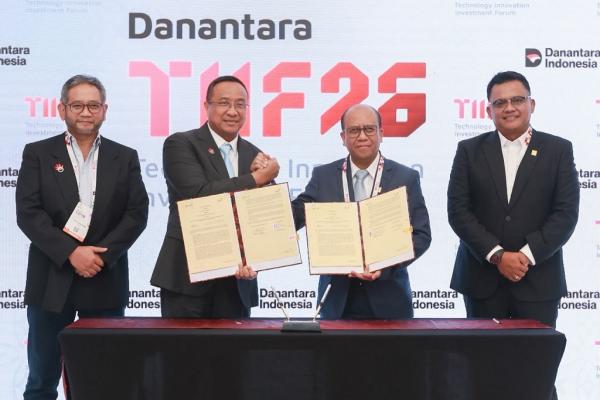
Against the backdrop of a rapidly digitizing global economy, the partnership was officially inaugurated through the signing of a strategic Memorandum of Understanding (MoU) between PLN and Telkom in Jakarta. This agreement establishes a robust framework for aligning the expansive, power-intensive demands of modern digital infrastructure with reliable, scalable electricity supplies and advanced power grids. By bridging the energy and telecommunications sectors under the strategic umbrella of Danantara, the initiative addresses one of the most pressing bottlenecks in modern technology expansion: securing continuous, green, and high-capacity power for heavy computational workloads.
The announcement was a centerpiece of the Danantara Technology Innovation Investment Forum (DTIIF) 2026, a premier gathering held in the capital that convened key leaders from state-owned enterprises (SOEs), top-tier technology firms, strategic international partners, institutional investors, and regulatory stakeholders. The forum served as an intensive collaborative platform dedicated to catalyzing technological adoption, fostering cross-sector synergies, and unlocking high-impact investment opportunities, with AI-centric digital infrastructure emerging as the central pillar of discussion.
Chronology and Strategic Alignment of the Partnership
The genesis of this landmark partnership traces back to Indonesia’s broader macroeconomic objectives of ascending the global value chain through technological self-reliance and digital modernization. Over the preceding years, the Indonesian government—facilitated by strategic state-holding entities like Danantara—recognized that rapid advancements in machine learning, generative AI, cloud computing, and big data analytics would necessitate unprecedented volumes of electrical energy. Data centers equipped with high-performance graphics processing units (GPUs) require massive, uninterrupted power supplies, both for active computation and intensive cooling systems.
Recognizing these compounding infrastructural requirements, preliminary discussions between PLN, Telkom Group, and governmental investment architects commenced in early 2026. The planning phase focused heavily on synchronizing Telkom’s aggressive expansion roadmap for enterprise cloud solutions and hyperscale data centers with PLN’s long-term generation and transmission expansion plans.
The formalization of the partnership at DTIIF 2026 on October 27 marked the transition from exploratory planning to active execution. The scope of the signed MoU is comprehensive, addressing several critical operational pillars:
- Comprehensive Power Provision: Ensuring dedicated, high-reliability electrical supply lines capable of supporting the massive baseline loads demanded by modern hyperscale data facilities.
- Priority Service Products: Establishing streamlined regulatory and technical service tiers to expedite infrastructure deployment for Telkom Group’s expanding operational footprint.
- Integration of Clean Energy: Incorporating green energy solutions—such as geothermal, solar, and hydroelectric power allocations—to ensure that Indonesia’s digital growth remains aligned with national and international carbon-reduction commitments.
- Beyond-kWh Innovations: Exploring value-added services that extend past conventional electricity sales, integrating smart-grid technologies, localized energy storage systems, and advanced facilities management frameworks.
Contextualizing Danantara’s Role in National Technological Investment
The involvement of the Badan Pengelola Investasi Daya Anagata Nusantara (Danantara) underscores the strategic, sovereign importance of the initiative. Danantara functions as a pivotal sovereign wealth and investment management entity designed to optimize state assets and catalyze high-value domestic and foreign investments into strategic sectors.
During the proceedings at DTIIF 2026, Managing Director of Strategic Technology Initiatives at Danantara Indonesia, Irwan Rei, emphasized the critical nature of cross-sector integration in building a competitive digital economy.
"Danantara continues to drive the development of the national AI infrastructure through cross-sector collaborations that seamlessly integrate the roles of state-owned enterprises, infrastructure providers, technology partners, and the broader investment ecosystem," Irwan Rei stated during the forum. He further elaborated that fragmented infrastructure development is no longer viable in an era defined by hyper-connected digital services and artificial intelligence. By unifying the nation’s premier utility provider with its dominant telecommunications network under a unified investment vision, Indonesia is positioning itself as a formidable regional hub for digital innovation.
Technical Implications: Powering the AI Revolution
The exponential rise of generative artificial intelligence has fundamentally altered the operational economics of the telecommunications and data center industries. Traditional data centers, which historically focused on standard enterprise hosting, web applications, and content delivery networks, typically operated at lower power densities. In stark contrast, AI-optimized data centers require dense clusters of specialized processors that generate immense thermal loads, demanding significantly higher electrical capacity per square rack.
For Indonesia, meeting this demand presents both a formidable engineering challenge and a profound economic opportunity. PLN, as the nation’s primary electricity provider, has increasingly focused on upgrading its transmission networks and expanding its generation capacity to absorb heavy industrial loads without compromising grid stability. The partnership with Telkom ensures that PLN can accurately forecast future demand curves, allowing the utility to invest precisely where computational hubs are slated to emerge.
Furthermore, the commitment to incorporating green energy into this technological expansion addresses a critical mandate from global technology giants and institutional investors. Modern multinational corporations seeking to deploy AI models and cloud infrastructure within Southeast Asia face stringent internal environmental, social, and governance (ESG) targets. By integrating renewable energy certificates and direct clean power sourcing into the foundational design of these data centers, PLN and Telkom are significantly enhancing the commercial attractiveness of Indonesia’s digital ecosystem.
Broader Economic and Industrial Impact
The collaboration between PLN, Telkom, and Danantara is expected to cast wide-ranging ripples across Indonesia’s macroeconomic landscape. Beyond the immediate engineering and telecommunications sectors, the development of robust, AI-ready infrastructure serves as an essential catalyst for several adjacent industries:
- Acceleration of the Digital Economy: Reliable, high-speed, and low-latency infrastructure will empower domestic micro, small, and medium enterprises (MSMEs) to adopt advanced digital tools, big data analytics, and automated customer service solutions.
- Job Creation and Talent Development: The construction, operation, and maintenance of high-tech data centers necessitate a highly specialized workforce, driving demand for localized technical education in fields such as data science, cybersecurity, electrical engineering, and AI systems management.
- Foreign Direct Investment (FDI): Global technology titans seeking expansion outside traditional Western and East Asian markets require stable regulatory frameworks, secure power grids, and high-capacity telecommunications backbones. This trilateral initiative directly enhances Indonesia’s competitive standing as a premier destination for international digital capital.
- Support for National Sovereignty in Data: Expanding domestic hyperscale capabilities ensures that sensitive governmental, financial, and consumer data is retained and processed locally, strengthening national cybersecurity and data governance.
Outlook and Future Roadmap
As the partnership transitions from the initial memorandum phase to implementation, joint working groups from PLN and Telkom Group—backed by the strategic oversight of Danantara—will formulate detailed project timelines, technical feasibility studies, and spatial integration plans for upcoming data center sites.
The success of this initiative will largely depend on the seamless execution of infrastructure deployment, particularly regarding the timely construction of dedicated substations and transmission lines capable of serving high-density tech hubs. With strong backing from state investment frameworks and a clear commitment to sustainable, green energy integration, the PLN-Telkom-Danantara alliance marks a decisive chapter in Indonesia’s journey toward becoming a leading digital economy in the Indo-Pacific region.