Purchasing an eco-friendly vehicle such as an electric motorcycle requires careful consideration for first-time buyers. As the Indonesian automotive market undergoes a significant shift toward electrification, driven by government incentives and environmental awareness, the transition from internal combustion engines (ICE) to electric power represents a major lifestyle change. The rapid evolution of battery technology and the expanding infrastructure for electric vehicles (EVs) have made ownership more accessible, yet the nuances of selecting the right model remain complex. Mistakes in selecting vehicle specifications can lead to long-term dissatisfaction, impacting both daily riding comfort and overall financial efficiency.
The Landscape of the Indonesian EV Market
The Indonesian government has set an ambitious target to have two million electric motorcycles on the road by 2025. This objective is supported by the Presidential Regulation (Perpres) No. 55 of 2019, which provides the legal framework for the development of the battery-based electric motor vehicle industry. Since the rollout of these policies, major manufacturers have ramped up production, and the market has seen a surge in both domestic brands and imported units.
For the average consumer, however, the abundance of choices—ranging from entry-level commuter bikes to high-performance electric scooters—can be overwhelming. The economic implication of switching to electric is clear: reduced fuel dependency and lower maintenance costs due to fewer moving parts. Nevertheless, the initial purchase price and the learning curve associated with charging and range management require a strategic approach.
1. Evaluating Daily Range and Route Requirements
The most fundamental aspect of owning an electric motorcycle is understanding the limitation of its energy storage. Unlike conventional motorcycles that can be refueled at any gas station within minutes, electric motorcycles rely on battery capacity, which dictates the total range per charge.
Prospective buyers should conduct a detailed audit of their daily commute. If an individual travels 30 kilometers to work, they should not purchase a bike with a maximum range of 40 kilometers. Industry experts recommend a safety margin of at least 30 to 40 percent beyond the total daily distance to account for road congestion, terrain variations, and battery degradation over time. Traffic jams, often cited as a negative for fuel-based engines due to idling, also impact electric motors, as stop-and-go acceleration drains battery cells faster than steady-speed cruising. Buyers must prioritize models that offer a real-world range that accommodates their lifestyle without inducing "range anxiety."
2. Battery Technology: The Heart of the Vehicle
The battery is the single most expensive and critical component of an electric motorcycle. Buyers must look beyond the capacity (measured in Ampere-hours or Watt-hours) and examine the battery chemistry and management system. Lithium-ion (Li-ion) batteries are the industry standard, offering high energy density and longevity.
A significant trend in the Indonesian market is the adoption of "swap-able" battery systems. This technology allows users to exchange a depleted battery for a fully charged one at designated kiosks, effectively eliminating long charging downtimes. For those who cannot use swap stations, a removable battery system that allows for indoor charging is a necessity. Buyers should inquire about the battery’s warranty period and the manufacturer’s recycling policy, as these batteries have a finite lifespan and will eventually require replacement or specialized disposal.
3. Infrastructure Readiness and Charging Safety
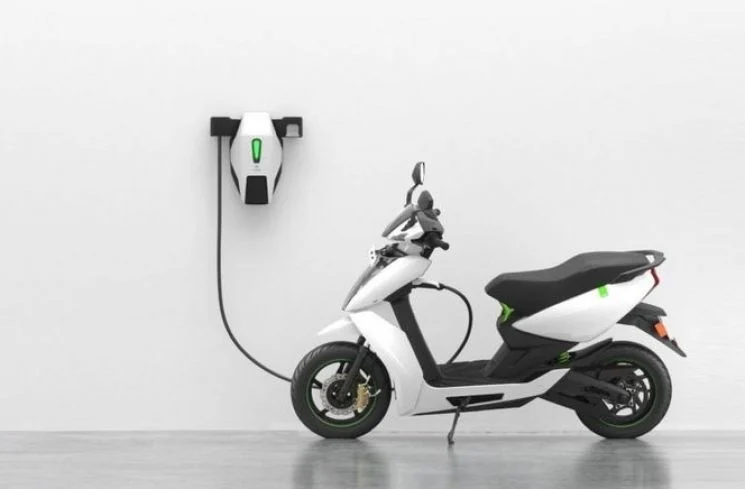
Before finalizing a purchase, the buyer must assess their home or office environment. Unlike internal combustion vehicles, which require no infrastructure at the point of use, electric motorcycles require dedicated electrical access. A standard household power outlet is usually sufficient, but users must ensure that their home’s electrical load (Wattage) can handle the simultaneous draw of an EV charger along with other household appliances.
The government has collaborated with state-owned electricity company PLN to expedite the construction of Public Electric Vehicle Charging Stations (SPKLU) and battery swapping stations. While these networks are growing, they are currently concentrated in major urban centers like Jakarta, Surabaya, and Bandung. Buyers residing in suburban or rural areas must confirm that their daily route is supported by either a robust home charging solution or a network of public charging points.
4. Empirical Assessment via Test Rides
The transition from an ICE motorcycle to an electric model provides a different sensory experience. The most immediate difference is the torque delivery. Electric motors provide 100 percent of their torque instantly upon twisting the throttle, leading to a much sharper and more responsive acceleration than traditional gasoline engines, which require the engine to reach a certain RPM to achieve peak power.
It is highly recommended that potential buyers conduct an extensive test ride. During this session, the rider should focus on three key areas:
- Throttle Sensitivity: Assessing how the bike reacts at low speeds, particularly when maneuvering through tight traffic.
- Braking Feel: Many electric motorcycles incorporate regenerative braking, which slows the bike down while recharging the battery when the throttle is released. This requires a different riding style and can feel jarring to those accustomed to engine braking.
- Ergonomics: Ensuring the weight distribution of the battery pack does not negatively impact the balance of the motorcycle.
5. Prioritizing Safety and Security Features
As the technology is modern, the safety features of an electric motorcycle should reflect that. Essential features include a robust Battery Management System (BMS), which prevents overcharging, short-circuiting, and overheating. Furthermore, given the silent nature of electric motors, pedestrians may not hear the vehicle approaching; therefore, some modern models come equipped with audible alert systems.
Security is another critical concern. Because electric motorcycles are often viewed as premium or high-tech assets, they are attractive targets for theft. Buyers should look for models that include integrated GPS tracking, remote immobilization (the ability to disable the bike via a smartphone app), and alarm systems. These features not only provide peace of mind but can also influence insurance premiums, which are increasingly becoming a standard consideration for EV owners in Indonesia.
Economic and Environmental Implications: A Macro View
The shift toward electric motorcycles is not merely a consumer preference; it is a structural change in the national economy. By reducing reliance on imported fossil fuels, the Indonesian government aims to improve its trade balance. Furthermore, the localization of battery manufacturing—leveraging Indonesia’s vast nickel reserves—positions the country as a potential global hub for EV production.
However, for the individual, the implication is a shift from variable costs (fuel) to fixed, long-term costs (battery replacement). While the electricity cost to charge a battery is significantly lower than the cost of gasoline for the same distance, the long-term maintenance of the battery pack is a cost that must be budgeted for. Industry analysts note that as the second-hand market for electric vehicles develops, the "battery health" of a vehicle will become the primary determinant of its resale value.
Chronology of Adoption and Future Outlook
The journey toward mass adoption began in earnest around 2020, with the introduction of various government subsidies. In 2023, the government streamlined the subsidy process, providing a fixed incentive of IDR 7 million for the purchase of eligible locally manufactured electric motorcycles. This move saw a rapid uptick in sales, with several domestic brands reporting a double-digit percentage increase in orders within the first quarter of the policy’s implementation.
Looking ahead, the focus is shifting toward standardizing battery packs to ensure interoperability between different brands. If achieved, this will resolve one of the biggest hurdles for the average consumer: the fear of being tied to a single manufacturer’s charging ecosystem.
Conclusion: Making the Informed Choice
In summary, buying an electric motorcycle is a decision that requires a blend of technical awareness and practical planning. By focusing on the alignment between battery capacity and daily range, ensuring the accessibility of charging infrastructure, and prioritizing safety technology, buyers can maximize the benefits of this modern mode of transportation. As the market continues to mature, the barriers to entry will continue to lower, but the responsibility remains with the consumer to choose a vehicle that is not only environmentally sustainable but also operationally compatible with their daily needs. Whether for urban commuting or personal mobility, the transition to electric is a significant step toward a cleaner, more efficient future for Indonesian transportation. The diligent buyer who considers these five pillars—range, battery, infrastructure, performance, and security—will be well-positioned to enjoy the long-term rewards of the electric revolution.