A Convergence of Global and Local Powerhouses
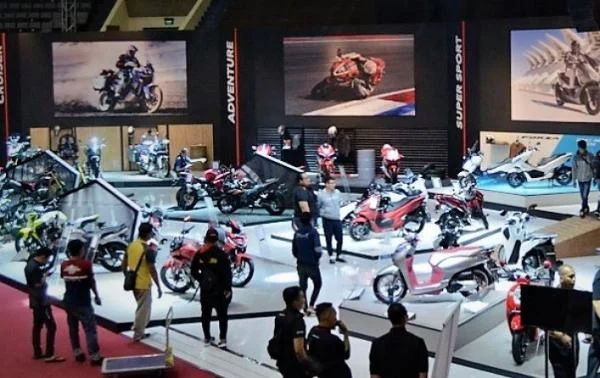
The 2026 edition of the Indonesia Motorcycle Show (IMOS) marks a significant expansion in scale and diversity compared to previous iterations. The lineup of 15 confirmed manufacturers reflects a strategic effort to cater to a wide spectrum of market needs. Domestic giants like Honda, Yamaha, Suzuki, and Kawasaki remain the pillars of the event, ensuring that the mass-market demand for reliable, fuel-efficient, and high-utility motorcycles is met.
However, the inclusion of premium international marques such as BMW Motorrad, Triumph, Harley-Davidson, and Royal Enfield signals a growing appetite for leisure and premium riding experiences within the Indonesian market. These brands are expected to unveil updated models that leverage advanced electronics and refined ergonomics, appealing to the country’s burgeoning enthusiast community.
Furthermore, the integration of specialized and electric-focused brands like Alva, Polytron, Dibao EV, Scomadi, and Italjet underscores a pivotal shift. These manufacturers are no longer fringe players; they are now at the forefront of the industry’s push toward carbon neutrality. By placing these brands alongside established ICE (Internal Combustion Engine) manufacturers, the organizers are fostering a platform where technology comparison is seamless, allowing consumers to evaluate the viability of electric versus conventional propulsion systems in real-time.
The Broader Industrial Ecosystem
Beyond the headline-grabbing motorcycle debuts, IMOS 2026 serves as a massive B2B (business-to-business) and B2C (business-to-consumer) nexus. With over 60 supporting industry brands participating, the exhibition floor will feature a robust display of the supply chain that sustains the automotive sector. This includes advancements in lubricant technology, high-durability apparel, sophisticated navigation and safety systems, and aftermarket components.
The participation of these supporting industries is not merely auxiliary; it is essential for the longevity and maintenance of the millions of motorcycles currently circulating on Indonesian roads. The focus this year appears to be on "digital integration," where manufacturers are showcasing how connectivity—via telematics and smartphone integration—is becoming a standard feature rather than a luxury. This transition is crucial for urban logistics, as fleet managers and individual riders alike look for data-driven ways to optimize their travel efficiency and maintenance schedules.
Contextualizing the Growth of the Two-Wheeler Market
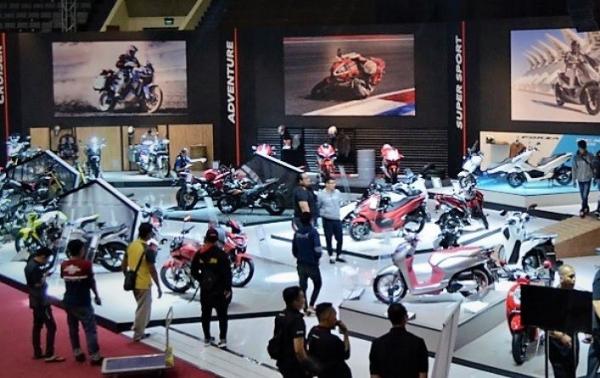
To understand the significance of IMOS 2026, one must look at the historical trajectory of the Indonesian motorcycle industry. For decades, the two-wheeler has been the backbone of Indonesian mobility, providing an affordable and agile solution to the nation’s complex traffic and geographical challenges. According to industry data from the Indonesian Motorcycle Industry Association (AISI), the domestic market has consistently demonstrated resilience even amidst global economic fluctuations.
In recent years, the focus has shifted from mere volume production to value-added manufacturing. The government’s aggressive push toward electric vehicle (EV) adoption—supported by various fiscal incentives and infrastructure development programs—has fundamentally altered the R&D priorities of manufacturers. IMOS 2026 is the physical manifestation of this policy-driven change. It is no longer enough to produce a motorcycle; the industry is now tasked with producing "connected, sustainable, and productive" vehicles.
Official Perspectives on Mobility Solutions
Yosef Utama, Head of the Commerce Division at the Indonesian Motorcycle Industry Association (AISI), emphasized that the exhibition is designed to act as a catalyst for national progress. During a recent press conference, he underscored that the event’s success is measured by its ability to bring professional-grade mobility solutions to the masses.
"IMOS will be the barometer for the development of the motorcycle industry in providing various productive and economical mobility solutions for the community," Yosef stated. "Our objective is to ensure that these advancements are not concentrated in urban hubs, but are accessible to every corner of the archipelago, from Sabang to Merauke."
This perspective highlights a critical aspect of the Indonesian market: the need for motorcycles that can perform in diverse conditions, ranging from the high-density traffic of Jakarta to the challenging terrain of remote regions. By facilitating a dialogue between manufacturers and the public, AISI aims to ensure that the innovations presented at IMOS are not just theoretical, but practical applications that can withstand the rigors of daily Indonesian life.
Analyzing the Impact of Electrification
One of the most anticipated aspects of IMOS 2026 is the tangible progress in electric battery technology. Historically, "range anxiety" and charging infrastructure were the primary barriers to mass EV adoption in Indonesia. However, recent trends suggest a pivot toward modular battery swapping stations and rapid-charging technology.

During the event, it is expected that manufacturers will demonstrate how these technologies are being integrated into their new models. For instance, the collaboration between traditional manufacturers and tech-forward EV brands is expected to produce vehicles that are more cost-competitive. By optimizing battery chemistry and reducing production costs through domestic sourcing of components, the industry is moving closer to a price parity point with combustion engines.
The implication for the average consumer is profound. As electric motorcycles become more affordable and reliable, the economic burden of fuel costs—which can fluctuate based on global oil prices—is reduced. This is a significant factor in the sustainability of the "productive mobility" model mentioned by AISI.
The Role of Lifestyle and Community
The evolution of the motorcycle industry in Indonesia is also deeply tied to the shift in consumer identity. Motorcycles are increasingly viewed as lifestyle products. The presence of premium brands like Scomadi and Italjet, which emphasize design and heritage, points to a consumer segment that values aesthetics and brand prestige as much as utility.
This cultural shift is further evidenced by the growth of motorcycle clubs and professional riding communities. IMOS 2026 is expected to host a variety of interactive events, including test rides, safety riding clinics, and custom motorcycle showcases. These activities serve a dual purpose: they educate the public on the importance of road safety and create a sense of community around the brands.
The Road Ahead: Challenges and Opportunities
While the industry shows significant promise, it is not without its hurdles. Infrastructure remains the primary challenge. The transition to electric mobility requires a massive expansion of the power grid and the establishment of widespread charging networks. Furthermore, the industry must navigate the complexities of global supply chain logistics and the volatility of raw material prices, particularly for lithium and other battery-related minerals.
However, the atmosphere surrounding the preparation for IMOS 2026 is one of cautious optimism. The synergy between government initiatives, such as the subsidy programs for electric motorcycles, and the private sector’s commitment to innovation, creates a favorable environment for growth.

As the date for the exhibition approaches, the focus remains on how these new technologies will be received by the public. The exhibition will likely provide the definitive answer to whether the average Indonesian rider is ready to make the full transition to electric, or if hybrid and high-efficiency combustion technologies will continue to dominate the landscape for the foreseeable future.
Conclusion: A Milestone for the Industry
The Indonesia Motorcycle Show 2026 is more than just a trade exhibition; it is a critical assessment of the nation’s industrial capacity and its future on the global stage. By bringing together the giants of the past and the innovators of the future, the event provides a unique snapshot of a market in flux.
As the industry prepares to open its doors to the public, the spotlight will undoubtedly be on the intersection of innovation and accessibility. Whether through the introduction of high-performance sport bikes or the rollout of affordable, mass-market electric scooters, the impact of IMOS 2026 will be felt in the daily lives of millions of Indonesians. It is here, among the rows of chrome and carbon fiber, that the future of Indonesian mobility will be defined, refined, and set into motion for the years to come.