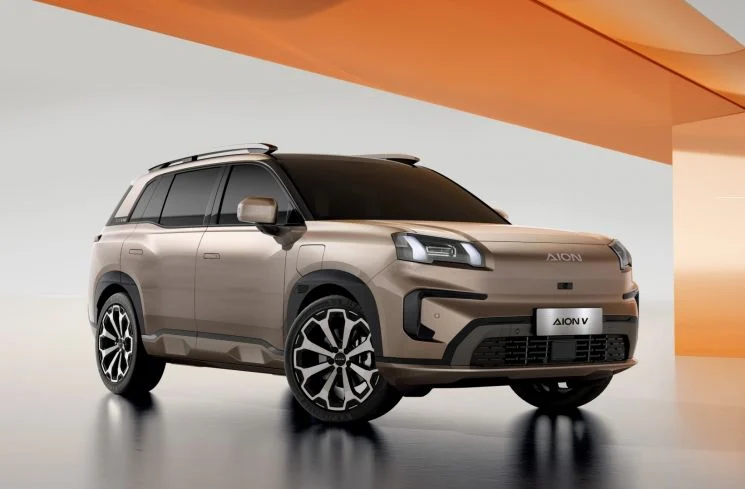
The Indonesian automotive landscape is undergoing a profound transformation as the transition toward electrification shifts from a niche movement to a mainstream preference. Within this evolving market, the AION V has emerged as a significant contender, securing a robust foothold in the C-segment electric SUV category. According to recent wholesale data released by the Association of Indonesia Automotive Industries (GAIKINDO), the model recorded 238 units sold in March 2026, a figure that underscores the growing consumer confidence in domestically assembled electric vehicles (EVs). This milestone represents more than just a volume success; it highlights a strategic victory for GAC AION in positioning itself as a reliable, long-term partner for the modern Indonesian motorist.
The Strategic Importance of Local Assembly
The success of the AION V is intrinsically linked to its production status. By utilizing a Completely Knocked Down (CKD) strategy, GAC Indonesia has successfully navigated the logistical challenges that often plague imported vehicles. Local assembly is not merely a manufacturing decision; it serves as a cornerstone for customer trust, ensuring a steady supply chain that minimizes wait times and stabilizes the availability of replacement parts.
In the current economic climate, where global supply chain volatility remains a lingering concern, the ability to produce vehicles locally provides a buffer against external disruptions. This operational stability has become a primary selling point for potential buyers who are increasingly prioritizing after-sales security over the novelty of a new brand. By investing in local facilities, GAC AION has signaled a long-term commitment to the Indonesian market, effectively mitigating the "risk premium" often associated with newer automotive entrants.
A Chronology of Market Entry and Growth
The trajectory of the AION V in Indonesia follows a calculated roadmap of expansion. Following the brand’s official introduction, the initial phase focused on brand awareness and the establishment of a dealership network. By the end of 2025, the brand had already begun to influence the mid-sized SUV segment, which is historically the most competitive space in the Indonesian market.
The first quarter of 2026 has served as a validation phase. In January and February, the brand focused on scaling its localized production capacity. By March 2026, the ripple effect of these efforts culminated in the 238-unit sales figure. This momentum is expected to persist as the company expands its charging infrastructure and regional service centers, creating an ecosystem that supports the user from the point of purchase through the entire vehicle lifecycle.
Technical Prowess: Balancing Efficiency and Utility
At the core of the AION V’s appeal is a technical architecture that addresses the primary anxieties of EV ownership: range and comfort. The vehicle is powered by a 75.3 kWh Lithium Iron Phosphate (LFP) battery, a chemistry favored for its thermal stability and longevity. This powertrain allows for an impressive range of up to 602 km on a single charge, a critical specification for the Indonesian market where intercity travel and commuting patterns require high endurance.
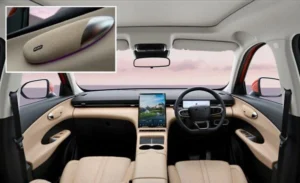
Beyond range, the AION V distinguishes itself through intelligent design. A notable feature that has garnered attention is the integrated cabin refrigerator, which offers three modes: freezing, cooling, and warming. While seemingly a convenience feature, it reflects a deeper understanding of the local consumer’s lifestyle, where long-distance travel with family is a frequent activity. This attention to detail elevates the AION V from a mere appliance of transport to a lifestyle-enhancing asset.
Insights from Leadership
Andry Ciu, CEO of GAC Indonesia, emphasized that the current market shift is driven by a more sophisticated consumer base. "We observe that consumers today are increasingly evaluating the comprehensive value of electric vehicles," Ciu stated on April 16, 2026. "The CKD approach is not just a mechanism for pricing; it is a promise of reliability. It encompasses the ease of service, the availability of components, and the preservation of value over the long term. We are moving away from the era where EV adoption was driven by early-adopter curiosity toward an era defined by rational, long-term economic planning."
Ciu’s perspective suggests that the Indonesian market is maturing. As consumers become more familiar with the total cost of ownership (TCO) for EVs compared to internal combustion engine (ICE) vehicles, the initial purchase price becomes just one factor in a much larger equation of energy efficiency and maintenance savings.
Safety and Competitive Positioning
In the competitive C-SUV segment, safety features are no longer an optional luxury but a baseline expectation. The AION V addresses this with a suite of Advanced Driver Assistance Systems (ADAS) at Level 2, which includes lane-keeping assist, adaptive cruise control, and automated emergency braking. These systems are essential for modern urban driving conditions, where traffic density and unpredictable road behaviors necessitate proactive safety interventions.
Priced at approximately Rp 465 million (On-The-Road Jakarta), the AION V occupies a strategic "sweet spot." It is accessible enough to appeal to the middle-to-upper-class demographic, yet sophisticated enough to compete with established premium marques. This pricing strategy, coupled with the tax incentives and government support for EVs, positions the AION V as a formidable challenger to traditional petrol-powered SUVs that have long dominated the segment.
Broader Economic and Environmental Implications
The rise of the AION V is a microcosm of Indonesia’s broader ambition to become a regional hub for the electric vehicle industry. By fostering an environment where domestic production is rewarded, the government is successfully incentivizing manufacturers to bring high-tech assembly lines to the archipelago. This, in turn, creates a ripple effect of job creation, technology transfer, and infrastructure development.
Furthermore, the environmental impact of this shift cannot be understated. As more consumers choose the AION V, the cumulative reduction in tailpipe emissions contributes to the government’s net-zero targets. The shift toward electrification is also helping to diversify Indonesia’s energy consumption, reducing reliance on imported fossil fuels and moving toward a more sustainable, domestically managed energy grid.
Analysis of Future Market Trends
Looking ahead, the success of the AION V serves as a litmus test for the sustainability of the EV market in Indonesia. The next phase of growth will likely depend on three key factors:
- Charging Infrastructure Density: While the AION V offers an excellent range, the ubiquity of fast-charging stations will remain the final barrier to universal adoption. Partnerships between vehicle manufacturers and energy providers will be essential to ensure that the "range anxiety" is effectively eliminated.
- Second-Hand Market Development: As the first generation of locally assembled EVs enters the market, the automotive industry will need to establish standardized practices for battery health assessment and resale values. The longevity of the LFP battery in the AION V will be a critical case study for the secondary market.
- Regulatory Consistency: The continued success of the industry relies on a stable regulatory framework, including subsidies and fiscal policies that encourage the transition to clean energy. Any sudden withdrawal of support could jeopardize the momentum achieved in the early months of 2026.
Conclusion
The AION V has successfully demonstrated that the Indonesian market is ready for high-quality, locally produced electric SUVs that balance performance, safety, and value. By prioritizing the CKD model, GAC Indonesia has not only secured a respectable market share in the C-segment but has also helped to build a foundation of trust among a previously skeptical public.
As the brand continues to scale, its ability to integrate further into the local supply chain and maintain its service standards will be the deciding factors in its long-term viability. For now, the 238 units sold in March serve as a strong indicator that the future of mobility in Indonesia is not only electric but increasingly domestic. The AION V stands as a testament to the fact that when technology meets local necessity, the result is a product that resonates deeply with the modern, conscientious consumer. The road ahead for the EV sector is long, but with players like GAC AION leading with a strategy of transparency and local commitment, the transition appears both inevitable and remarkably stable.