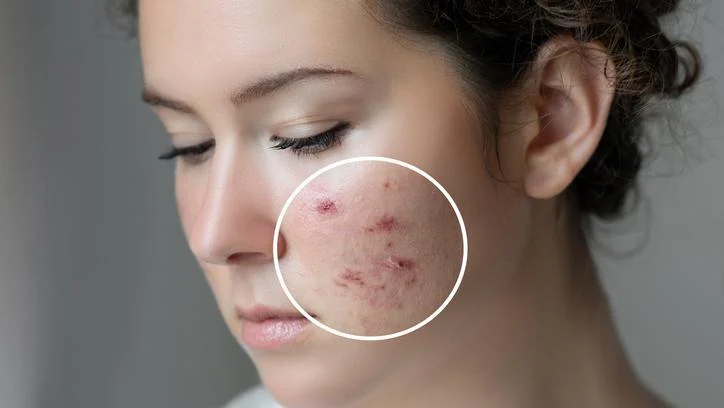
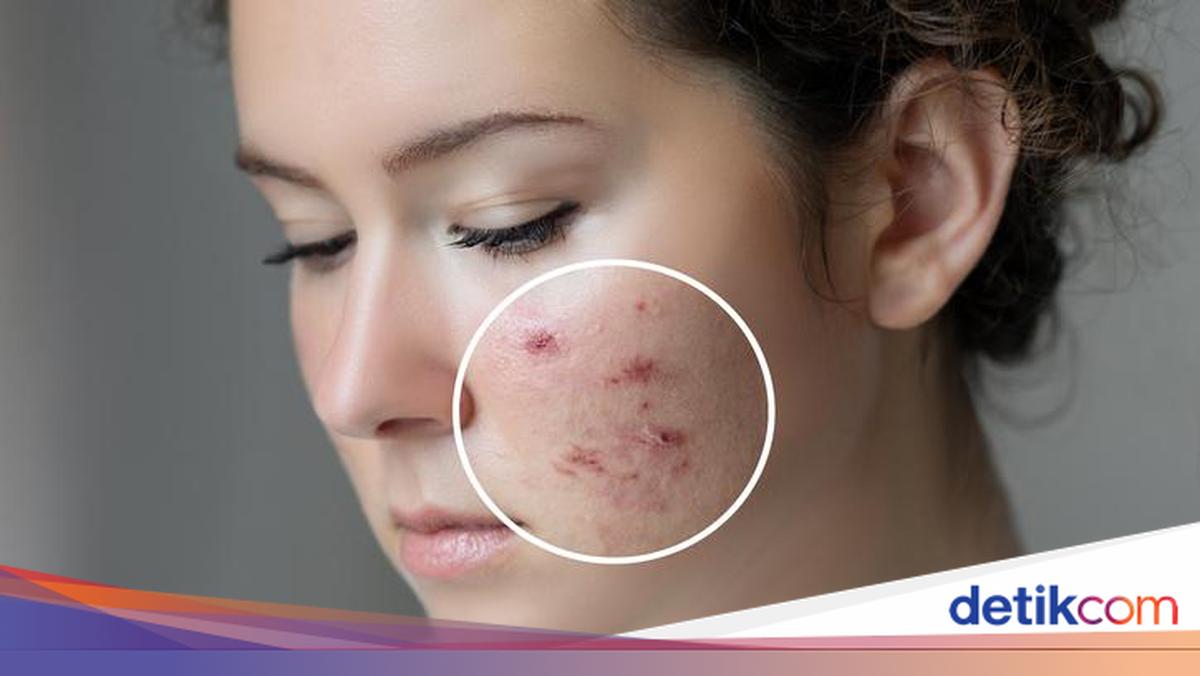
Acne vulgaris remains one of the most prevalent skin conditions globally, affecting an estimated 85% of individuals at some point during their lives. While the traditional approach to managing breakouts has long centered on topical treatments, chemical peels, and pharmaceutical interventions, a growing body of dermatological research suggests that internal factors, particularly dietary habits, play a foundational role in skin health. Experts now emphasize that a holistic approach—combining external skincare with nutrient-dense nutrition—is the most effective strategy for achieving long-term clarity. The realization that what we ingest directly impacts the inflammatory markers in our skin has shifted the focus toward functional foods that can mitigate the severity of acne from the inside out.
The Scientific Link Between Diet and Dermatological Health
For decades, the medical community remained divided on whether diet significantly influenced acne. However, recent advancements in nutritional dermatology have established a clear connection between systemic inflammation and skin eruptions. According to data published in the Journal of the Academy of Nutrition and Dietetics, there is a measurable correlation between high-glycemic-index diets and the prevalence of acne. When the body consumes high-sugar or highly processed foods, insulin levels spike, triggering a cascade of hormones that stimulate the sebaceous glands to produce excess oil. This excess sebum, when combined with dead skin cells and bacteria, leads to the formation of acne.
Furthermore, the "gut-skin axis" has become a focal point of modern research. This concept suggests that the health of the gastrointestinal tract is reflected in the condition of the skin. A microbiome imbalance can lead to systemic inflammation, which manifests externally as redness, swelling, and breakouts. Consequently, incorporating specific foods that regulate insulin, provide antioxidants, and support gut health is no longer seen as a "natural alternative" but as a clinical necessity for comprehensive acne management.
A Chronology of Nutritional Dermatology: From Myth to Medical Fact
The understanding of the relationship between diet and acne has evolved significantly over the last half-century. In the 1960s, early studies suggested a link between chocolate, greasy foods, and breakouts. However, two influential studies conducted in the late 1960s and early 1970s—including research published in the Journal of the American Medical Association—dismissed these claims, leading many dermatologists to tell patients for decades that diet had no impact on skin.
This consensus began to shift in the early 2000s. In 2002, a landmark study published in Archives of Dermatology examined non-Westernized populations, such as the Kitavan Islanders of Papua New Guinea and the Ache hunter-gatherers of Paraguay, who lived on diets of unprocessed plants and fish. Researchers found a near-total absence of acne in these populations. This triggered a resurgence in dietary research. By 2010, consensus statements from dermatological associations began to acknowledge that while diet may not be the sole cause of acne, it is a significant aggravating factor. Today, in 2024, nutritional intervention is considered a standard adjunct to traditional dermatological therapy.
Five Key Foods to Combat Acne and Inflammation
Based on recent findings published by Everyday Health and insights from leading dermatologists, five specific foods stand out for their ability to regulate the biological processes that cause acne.
1. Salmon and Fatty Fish: The Power of Omega-3s
Salmon is frequently cited by experts like dermatologist Shoshana Marmon as a "superfood" for skin. The primary benefit of salmon lies in its high concentration of omega-3 fatty acids. These essential fats are potent anti-inflammatory agents that work by inhibiting the production of leukotriene B4, a molecule known to increase sebum and cause inflammatory acne.
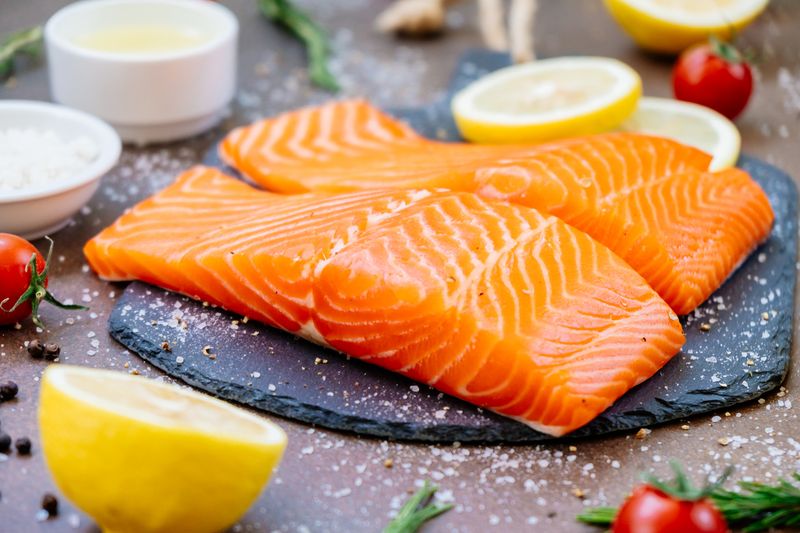
Beyond reducing oil production, omega-3s help maintain the integrity of the skin’s lipid barrier, keeping the skin hydrated and less prone to irritation. For those who do not consume salmon, other sources of these fatty acids include mackerel, sardines, and plant-based options like chia seeds and flaxseeds. Regular consumption of these healthy fats can transform the skin from a reactive, inflammatory state to a calmer, more resilient one.
2. Yogurt and Probiotic-Rich Foods: Balancing the Microbiome
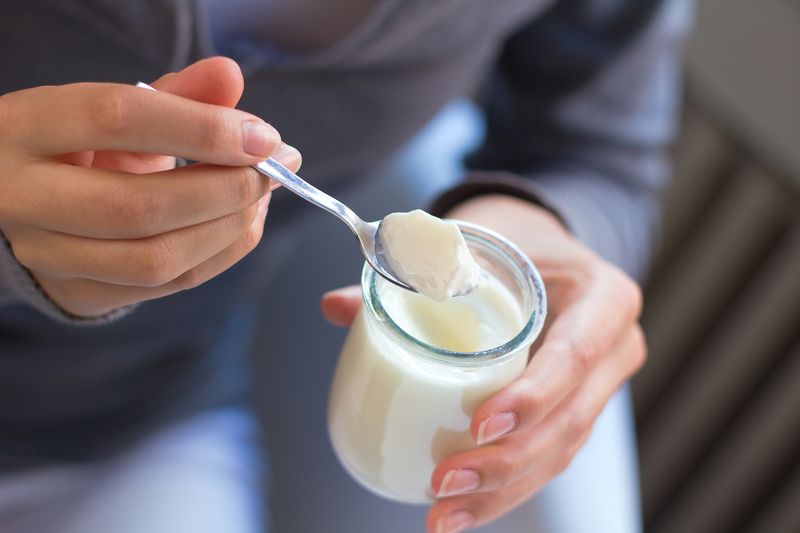
The role of yogurt in skin health is tied directly to the gut-skin axis. Yogurt contains live probiotics—beneficial bacteria that help maintain a healthy balance in the digestive system. Dr. Marmon notes that probiotic-rich foods can reduce oxidative stress and systemic inflammation, both of which are major contributors to acne.
Nutritionist Julia Zumpano highlights that a healthy gut microbiome helps regulate the hormones that signal the skin to produce oil. When the gut is inflamed, it can leak inflammatory cytokines into the bloodstream, which eventually reach the skin. By consuming yogurt, kefir, kimchi, or sauerkraut, individuals can foster a microbial environment that supports clear skin.
3. Chickpeas: Low Glycemic Index and Zinc
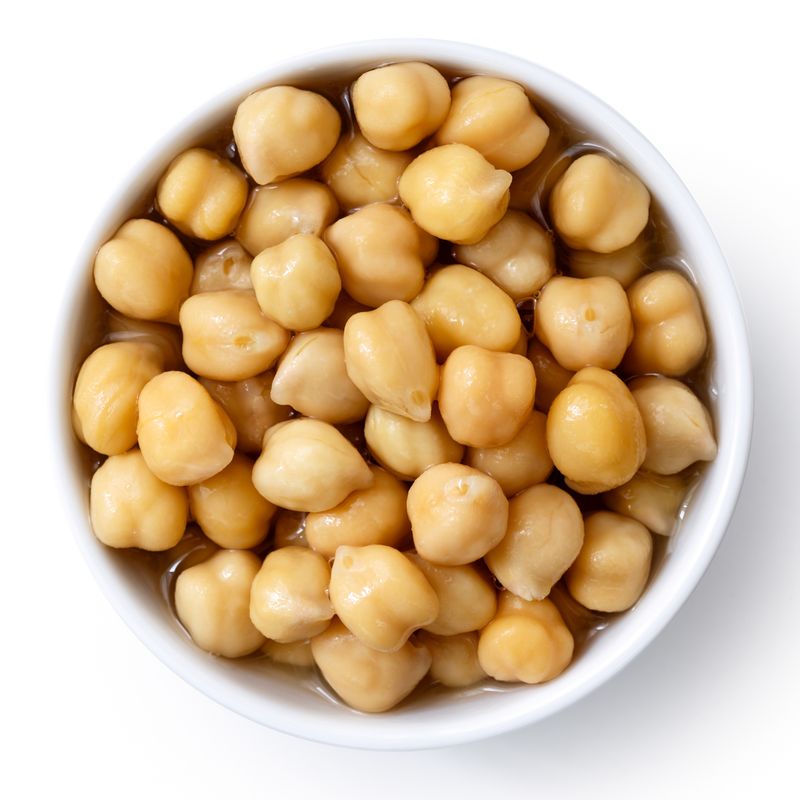
Chickpeas, also known as garbanzo beans, offer a dual benefit. First, they have a low glycemic index (GI). Unlike white bread or sugary snacks, chickpeas are digested slowly, preventing rapid spikes in blood sugar and insulin. This prevents the surge of androgen hormones that typically lead to clogged pores.
Second, chickpeas are an excellent source of zinc. Zinc is a mineral with natural antibacterial properties and the ability to reduce the skin’s inflammatory response to bacteria. Studies have shown that individuals with severe acne often have lower levels of zinc in their bloodstream compared to those with clear skin.
4. Blueberries: Antioxidant Protection
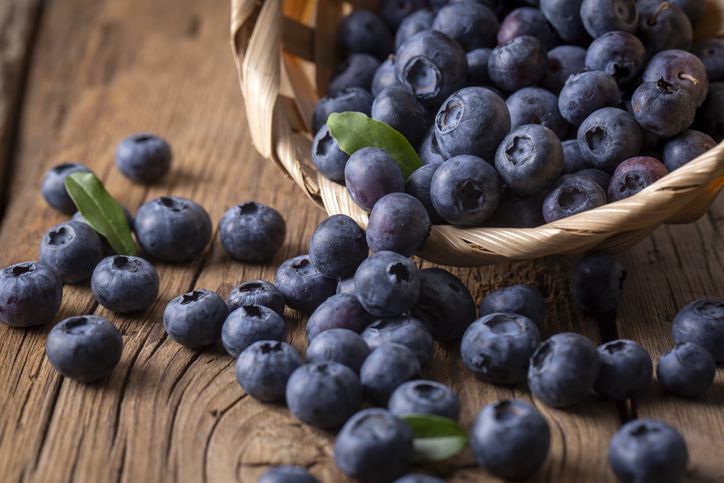
Blueberries are packed with polyphenols and vitamins A, C, and E. These antioxidants are crucial for fighting oxidative stress caused by environmental pollutants and UV radiation. When skin cells undergo oxidative stress, the sebum on the surface can oxidize, making it stickier and more likely to clog pores—a process known as lipid peroxidation.
By neutralizing free radicals, the antioxidants in blueberries prevent this oxidation process. Other vibrantly colored fruits and vegetables, such as strawberries, kale, and tomatoes, provide similar benefits. Many dermatologists now recommend a Mediterranean-style diet, which emphasizes these plant-based antioxidants, as the gold standard for skin health.
5. Almonds: Vitamin E and Mineral Support
Almonds are a rich source of Vitamin E and zinc. Vitamin E acts as a fat-soluble antioxidant that protects the skin’s oil glands from damage. In combination with the anti-inflammatory properties of zinc, almonds serve as a powerful snack for those struggling with papules and pustules.
However, medical experts advise caution regarding zinc intake. While food sources like almonds, pumpkin seeds, and lentils are safe and beneficial, high-dose zinc supplements should only be taken under medical supervision. Excessive zinc can interfere with the absorption of other minerals like copper and may interact with certain antibiotics used to treat acne.
Supporting Data and Clinical Analysis
The effectiveness of these dietary choices is backed by significant clinical data. A study involving over 2,000 participants found that those who followed a low-glycemic-load diet experienced a 50% reduction in acne lesions over a 12-week period. Furthermore, research into omega-3 supplementation showed a marked decrease in inflammatory acne counts within just ten weeks of consistent intake.
The shift toward dietary management is also a response to the limitations of pharmaceutical treatments. While medications like isotretinoin (Accutane) are highly effective, they often come with significant side effects, including severe dryness, mood changes, and potential liver issues. For patients with mild to moderate acne, dietary intervention offers a side-effect-free method of management that improves overall systemic health in addition to skin clarity.
Professional Perspectives and Expert Reactions
The dermatological community has largely embraced these findings. Dr. Shoshana Marmon emphasizes that while "skincare provides the tools to clean the surface, diet provides the building blocks for the cells themselves." This sentiment is echoed by Julia Zumpano, who suggests that patients should view their plates as an extension of their medicine cabinets.
However, experts also warn against viewing diet as a "magic bullet." Acne is a multifactorial disease. Even with a perfect diet, factors like hormonal fluctuations during menstrual cycles, genetic predispositions, and environmental stress can still trigger breakouts. The consensus among professionals is that diet should be a primary pillar of treatment, but not necessarily the only one.
Broader Implications and Economic Impact
The move toward "beauty from within" has significant implications for the global skincare and food industries. The "nutricosmetics" market—supplements and foods designed to improve physical appearance—is projected to reach billions of dollars by 2030. Consumers are increasingly skeptical of "quick fix" topical creams and are demanding products that support long-term health.
From a public health perspective, encouraging an anti-acne diet has the added benefit of reducing the prevalence of metabolic syndrome and type 2 diabetes, as both conditions share the common denominator of insulin resistance. By eating for clear skin, individuals are inadvertently protecting their cardiovascular and metabolic systems.
In conclusion, the battle against acne is no longer confined to the bathroom mirror. It is fought in the kitchen and at the grocery store. By prioritizing foods like salmon, yogurt, chickpeas, blueberries, and almonds, individuals can harness the power of nutrition to regulate hormones, dampen inflammation, and provide the skin with the essential nutrients it needs to remain clear, healthy, and resilient. As research continues to uncover the complexities of the gut-skin axis, the integration of nutrition into dermatology will undoubtedly become the standard of care for patients worldwide.