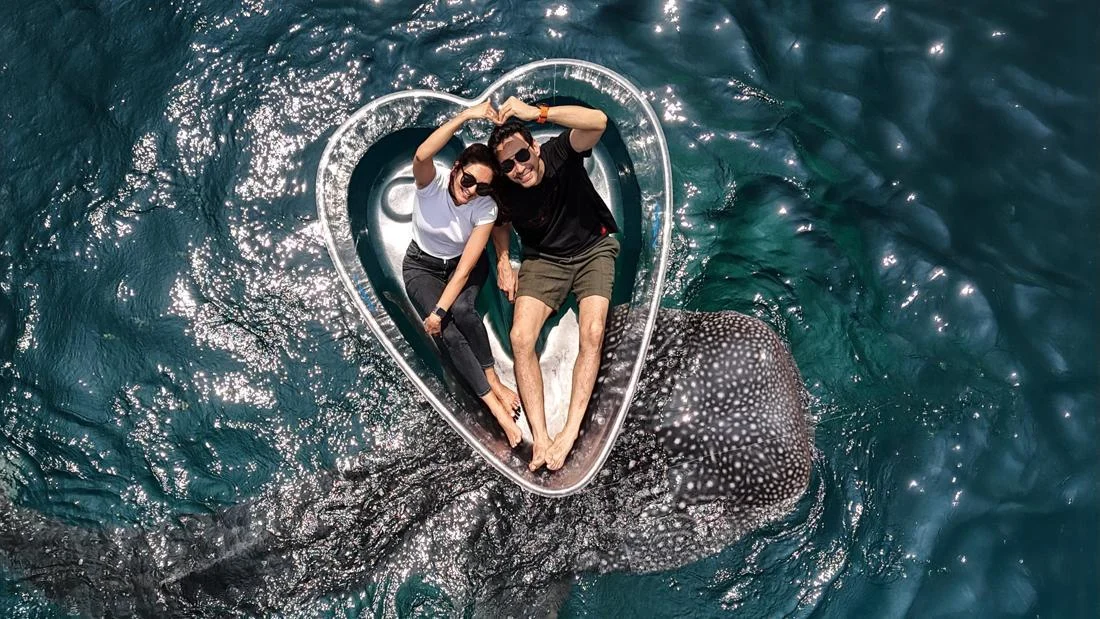
The coastal village of Botubarani in Gorontalo, Indonesia, has once again captured the attention of the national travel scene as celebrity couple Darius Sinathrya and Donna Agnesia documented their recent excursion to the region. Known for its unique maritime tourism, the village serves as one of the few places in the world where whale sharks, the gentle giants of the ocean, can be observed in such proximity to the shoreline. The couple’s visit, highlighted by their interaction with a specific whale shark affectionately named "Sherly," has reignited public interest in the conservation and tourism potential of the Sulawesi region.
The Phenomenon of Botubarani
Botubarani, located in the Kabila Bone district, has transformed from a quiet fishing community into a premier destination for marine enthusiasts. The proximity of the whale shark habitat to the mainland—often only a few hundred meters from the coast—is an anomaly in marine biology. Typically, these filter-feeding sharks are pelagic creatures found in deep, open waters. However, the unique currents and the availability of plankton in the waters off Gorontalo have created a natural feeding ground that draws these creatures near the surface.

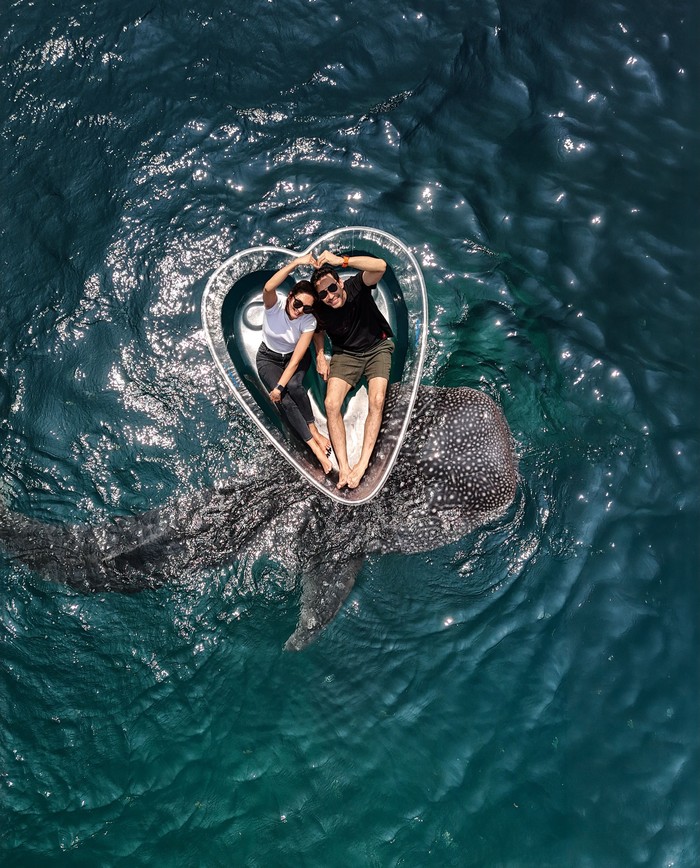
For travelers like Darius and Donna, the experience is not merely about sightseeing but about engaging with marine life in a controlled, respectful environment. During their trip, the couple utilized a specialized glass-bottom boat, which has become a staple of the local tourism infrastructure. This design allows visitors to capture high-definition photographs and videos without needing to dive, thereby minimizing physical disturbance to the sharks while maximizing the aesthetic quality of the experience.
Chronology of the Visit and Local Integration
The arrival of high-profile visitors to Botubarani is not an isolated event but part of a growing trend of "celebrity-led discovery" that has accelerated the tourism recovery in Gorontalo following the pandemic. On Saturday, November 7, 2026, social media updates from the couple provided a real-time showcase of the destination.
The chronology of their visit involved a morning arrival at the coastal site, followed by a boat excursion coordinated by local tour operators. The encounter with "Sherly," the most famous whale shark in the local pod, was the centerpiece of the trip. Local conservationists have been tracking the movements of these sharks for years, assigning them names to foster a deeper connection between tourists and the individual animals, which, according to local officials, encourages more responsible tourism practices.

Economic and Logistical Framework
The accessibility of the whale shark tours is supported by a structured pricing model designed to benefit the local economy. A standard package, which includes a boat trip, safety gear, and professional documentation—including drone photography—is priced at approximately IDR 550,000 (roughly $35 USD). This price point is intentionally set to be inclusive, allowing domestic travelers from across the Indonesian archipelago to participate.
The revenue generated from these tours is often split between the boat operators, local guides, and a community fund dedicated to the preservation of the reef and the protection of the whale sharks. Economists note that the success of the Botubarani model lies in its ability to transition local fishermen from extractive activities—such as traditional fishing that might inadvertently threaten the sharks—to service-oriented roles that rely on the survival and health of the marine ecosystem.
Conservation Challenges and Environmental Stewardship
While the visibility of celebrities like Darius and Donna brings necessary economic stimulus, it also raises questions regarding the sustainability of human-wildlife interaction. Marine biologists have long cautioned that the "feeding" of whale sharks—a practice used to attract them to the surface—must be strictly regulated.

In Gorontalo, the local government, in coordination with the Ministry of Marine Affairs and Fisheries, has implemented strict protocols. These include limits on the number of boats allowed in the interaction zone at any given time, restrictions on touching the animals, and requirements for boats to maintain a safe distance. The "Sherly" experience is a success story of these regulations, demonstrating that eco-tourism can coexist with biodiversity if the guidelines are rigorously enforced by both the local community and the tourists themselves.
Implications for Indonesian Tourism
The visit of high-profile figures to secondary destinations like Gorontalo has significant implications for the broader Indonesian tourism landscape. For years, the industry was heavily concentrated on the "Bali-centric" model. However, the rise of interest in the "Ten New Balis" program and similar government initiatives has pushed domestic travelers to explore the eastern parts of the country.
Gorontalo, specifically, is positioned as a gateway to the Tomini Bay, one of the most biodiverse marine regions in the world. By diversifying the tourist map, the Indonesian government aims to distribute economic growth more evenly. The influx of social media-driven tourism, while sometimes criticized for its superficiality, provides the necessary capital to build infrastructure in remote areas. Improved roads, better waste management, and the professionalization of local guide services are direct byproducts of this tourism surge.
Future Outlook and Policy Recommendations
Looking forward, the long-term viability of the Botubarani whale shark attraction depends on the commitment to scientific monitoring. Experts suggest that as tourism numbers rise, the government should consider:
- Capacity Caps: Establishing a maximum daily quota for visitors to prevent the over-saturation of the site.
- Marine Protected Area (MPA) Expansion: Strengthening the legal protections for the specific migratory routes of the sharks.
- Educational Integration: Ensuring that every boat tour includes a mandatory briefing on whale shark behavior and the "no-touch" policy, as many casual tourists are unaware of the physiological stress that human interaction can cause to the animals.
The experience shared by Darius and Donna serves as a template for what "responsible influencer tourism" should look like. By highlighting the beauty of the destination while simultaneously promoting the local services—such as the drone documentation teams—they provide a roadmap for others to follow.
Conclusion
The interaction between Darius Sinathrya, Donna Agnesia, and the whale shark Sherly is more than a celebrity travel highlight; it is a testament to the untapped potential of Indonesia’s marine tourism sector. As the nation continues to navigate the balance between economic development and environmental conservation, the model established in Botubarani remains a vital case study. For those planning to visit, the message is clear: the opportunity to witness one of the ocean’s most magnificent creatures in the wild is a privilege that comes with the responsibility of ensuring their habitat remains undisturbed for generations to come. With proper management and continued public interest, Gorontalo is poised to remain a top-tier destination on the global marine tourism map.