The landscape of Indonesian basketball is undergoing a structural transformation as the Elite Pro Championship (EPC) 2026 establishes itself as a pivotal nexus between grassroots development and the professional zenith of the sport. Designed specifically for the U-21 men’s division, the championship serves as a high-stakes arena where student-athletes, university players, and regional talents converge to refine their craft. By providing a structured pathway, the EPC effectively addresses the historical "graduation gap"—a period where many high-performing youth players previously struggled to transition into the rigorous demands of the Indonesian Basketball League (IBL).
The Strategic Necessity of U-21 Competition
For decades, the Indonesian basketball ecosystem relied heavily on fragmented tournament structures. While the Development Basketball League (DBL) has successfully captured the high school demographic and the Liga Mahasiswa (LIMA) has fostered talent within the collegiate sector, there remained a vacuum for players aged 18 to 21 who were not yet signed to professional contracts.
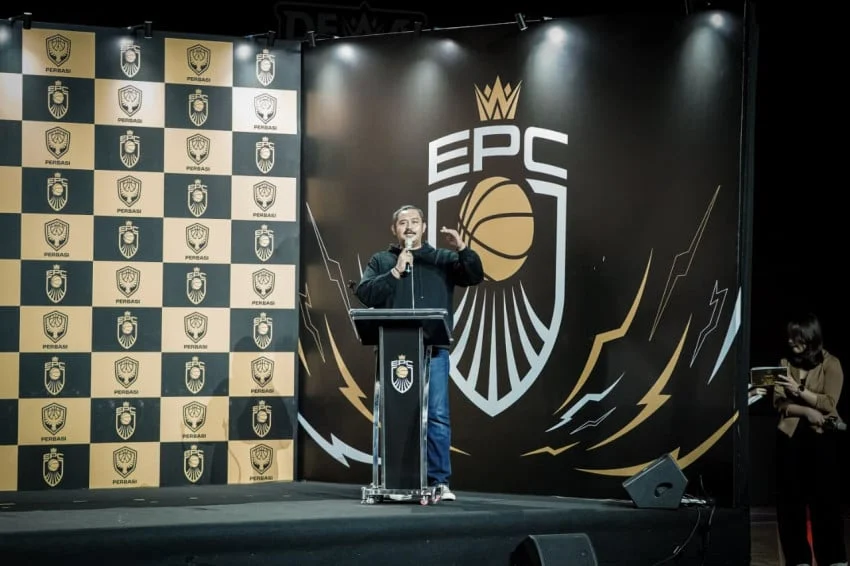
Andri S. Permana, Chairman of the Perbasi (Indonesian Basketball Association) Kota Tangerang chapter, emphasized during a recent Media Day event that the EPC is not merely another tournament; it is a vital catalyst for professional longevity. "The Elite Pro Championship functions as the bridge that connects the competitive fires of DBL and campus leagues to the professional aspirations required for the IBL," Permana noted. His assessment reflects a broader consensus within the national basketball community: that consistent, high-level competition is the only reliable predictor of professional success.
Bridging the Professional Divide: A Chronological Evolution
The trajectory of the EPC 2026 is rooted in the strategic long-term planning of the Indonesian basketball roadmap. Following the expansion of the IBL and the increased investment in national youth programs, stakeholders recognized that the jump from junior competition to the IBL was becoming increasingly insurmountable without an intermediate tier.
- Early 2024: National scouting reports indicated a significant drop-off rate among players finishing their high school or early university careers, citing a lack of professional-grade scouting and training environments.
- Mid-2025: Perbasi began drafting the framework for a U-21 national competition, aiming to standardize the quality of officiating, scouting, and player medical support.
- Early 2026: The official launch of the Elite Pro Championship was announced, integrating regional qualifiers to ensure geographic inclusivity.
- November 2026: The championship enters its peak phase, acting as a laboratory for technical innovation and talent identification.
This chronology underscores a shift toward a more professionalized youth structure. By formalizing the U-21 division, the EPC allows clubs to track player development metrics—such as efficiency ratings, transition speed, and defensive discipline—in a controlled environment that mimics the pressures of professional play.
Data-Driven Development: The Impact on Local Talent
The significance of the EPC 2026 extends beyond the individual player. It serves as a decentralized hub for talent identification. With the expansion of the regional scouting network, the tournament provides a rare platform for athletes from smaller provinces to gain visibility. Currently, over 30% of participants in the 2026 season originate from regions outside the traditional basketball hubs of Jakarta and Surabaya, indicating a successful decentralization of scouting efforts.
Furthermore, the EPC acts as the primary feeder system for the upcoming PON (National Sports Week) 2028. The planning cycle for the 2028 PON requires a constant stream of match-hardened athletes, and the EPC provides the exact intensity levels necessary to evaluate potential regional representatives. By participating in this championship, players are not only auditioning for the IBL but are also positioning themselves as core components of their provincial teams for the next quadrennial cycle of national games.
Official Perspectives and Institutional Support
The institutional backing for the EPC is robust, though proponents argue that it requires further scaling. Andri S. Permana has been vocal about the need for greater support from the central DPP Perbasi. In his recent address, he highlighted that while the structural framework is sound, the long-term sustainability of the tournament relies on aggressive marketing and media integration.
"We have the talent, and we have the structure. The next phase of evolution for the Elite Pro Championship is public awareness," Permana stated. "To truly elevate the status of this competition, we must treat these matches with the same level of broadcasting prestige as the professional leagues. When scouts, fans, and sponsors see the level of play occurring at the U-21 level, the investment naturally follows."
The sentiment is echoed by analysts who suggest that the EPC could eventually mirror the success of European youth academies, where young players are integrated into a system that prioritizes tactical literacy over raw athleticism. By fostering a culture of professional accountability early, the EPC is effectively shortening the learning curve for the next generation of Indonesian basketball stars.
Analyzing the Implications for the Indonesian Basketball League (IBL)
The ripple effects of a successful EPC 2026 are likely to be felt in the IBL’s salary cap and roster construction policies. As the pool of "pro-ready" U-21 players increases, teams will have more domestic options to fill bench spots, reducing the reliance on imports or veteran-heavy rosters. This creates a sustainable economic model for IBL teams, as developing homegrown talent is generally more cost-effective than importing international players.
Moreover, the quality of basketball is expected to rise. The EPC forces players to adopt advanced defensive schemes and complex offensive sets that are rarely seen in purely amateur leagues. As these players graduate into the professional ranks, the overall tactical sophistication of the IBL will inevitably climb, potentially increasing the league’s attractiveness to regional broadcasters and international partners.
Challenges and Future Considerations
Despite the optimism surrounding the EPC, several challenges remain. The logistics of hosting a nationwide tournament for youth players are substantial, involving travel, academic accommodations, and injury prevention. There is also the challenge of balancing the competitive nature of the tournament with the educational needs of the participants, many of whom are still enrolled in university.
To mitigate these challenges, the organizers are looking toward a more integrated calendar that aligns with academic breaks. Furthermore, there is a push for a standardized "Developmental Contract" system, which would protect young players’ rights while ensuring that clubs have a clear path to signing them once they reach the professional age requirement.
The Road to 2028: A Vision for Sustainability
As the tournament progresses toward its conclusion, the focus is shifting toward the legacy of the 2026 season. The success of this year will likely dictate the funding and resources allocated to the 2027 and 2028 iterations. The goal is to create an ecosystem where the EPC is not just a seasonal event, but a year-round development program that encompasses coaching clinics, referee certification, and advanced performance analytics.
For players like those currently competing in the EPC, the tournament is the culmination of years of hard work. For the Indonesian basketball establishment, it is a high-stakes investment in the future of the nation’s athletic identity. As Andri S. Permana noted, the championship is a "katalisator"—a chemical agent that speeds up a reaction without being consumed itself. By providing the environment for this transformation, the EPC is ensuring that the trajectory of Indonesian basketball continues its upward ascent, with the 2028 PON and the subsequent IBL seasons serving as the true litmus tests for this new generation of talent.
In conclusion, the Elite Pro Championship 2026 represents a maturing of the sport’s infrastructure. By formalizing the path from the classroom to the professional court, Perbasi is creating a sustainable pipeline that will define the competitive landscape for years to come. Whether the championship can maintain its momentum will depend on the continued collaboration between local chapters, the central governing body, and the corporate partners who recognize the immense value in cultivating the next generation of Indonesian basketball icons. The blueprint is set; the challenge now lies in the execution and the continued commitment to excellence at every level of the game.