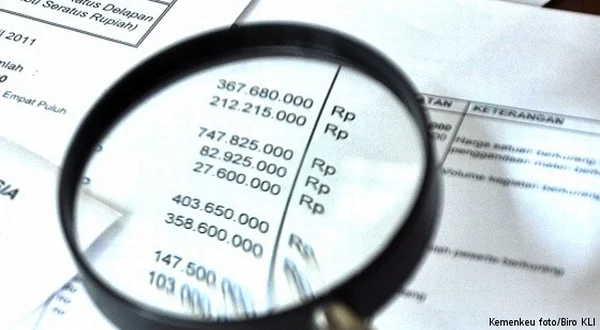
JAKARTA — The Indonesian government officially presented the Draft Law (RUU) on the Accountability for the Execution of the 2013 State Budget (APBN) during a plenary session at the House of Representatives (DPR RI) in Jakarta. The presentation served as a crucial constitutional mechanism for the executive branch to report its financial stewardship, policy implementation, and fiscal performance to the legislature and the public for the preceding fiscal year.
During the high-stakes parliamentary session held at the Nusantara II Building in Senayan, then-Minister of Finance Muhammad Chatib Basri delivered the government’s comprehensive report. The session shed light not only on the macroeconomic realities that shaped Indonesia’s financial landscape in 2013, but also on the structural and administrative challenges that prompted the Supreme Audit Agency (BPK) to issue a Qualified Opinion—locally known as Wajar Dengan Pengecualian (WDP)—on the Central Government Financial Report (LKPP).
The proceedings underscored the intricate balance required to manage Southeast Asia’s largest economy during a period marked by severe external shocks, domestic currency volatility, and structural fiscal hurdles that have historically complicated state asset management.
Principal Factors Behind the Qualified Audit Opinion
Addressing the plenary session, Finance Minister Chatib Basri provided a transparent breakdown of the specific accounting hurdles and asset management legacies that prevented the BPK from awarding an unqualified or "Wajar Tanpa Pengecualian" (WTP) status to the 2013 LKPP. The WDP designation means that while the financial statements are presented fairly in all material respects, certain areas contain exceptions or require further clarification due to historical record-keeping complexities or valuation ambiguities.
According to the Ministry of Finance, the primary factors contributing to the audit exceptions centered on four key components:
- Over-Lifting Receivables: Discrepancies and complex accounting treatments regarding oil and gas over-lifting receivables, which involve complex calculations of petroleum volumes extracted by contractors exceeding their allocated quotas.
- Oil and Gas Sales Receivables: Outstanding accounts receivable related to the commercialization and state revenue sharing of domestic petroleum resources.
- Legacy Credit Assets from the Indonesian Bank Restructuring Agency (IBRA / BPPN): The long-standing, difficult-to-resolve portfolio of distressed assets, non-performing loans, and corporate credits inherited from the 1997-1998 Asian Financial Crisis era, which continue to sit on government ledgers due to prolonged legal and resolution processes.
- Pension Benefit Liabilities: Complexities surrounding the actuarial valuation, funding mechanisms, and long-term reporting of civil servant and military pension obligations.
Despite these accounting caveats, the ministry emphasized that the exceptions did not indicate systemic fraud or misappropriation of funds, but rather reflected structural, administrative, and valuation challenges inherent in managing massive state-owned assets and legacy liabilities.
Macroeconomic Pressures of 2013: External and Internal Storms
The execution of the 2013 state budget did not occur in a vacuum. Minister Chatib Basri elaborated on the severe macroeconomic turbulence that tested the resilience of Indonesia’s fiscal and monetary policy framework throughout the year. Policymakers faced a pincer movement of tightening global liquidity and domestic structural imbalances.
From the external perspective, the Indonesian economy was buffeted by a confluence of international headwinds. The most pronounced external shock stemmed from the United States Federal Reserve. Anticipation and eventual signaling of monetary policy normalization—specifically the tapering of quantitative easing, colloquially known as the "tapering off" panic—sent shockwaves through emerging market financial systems. Global investors rapidly pulled capital out of developing economies, driving up domestic bond yields and putting intense depreciation pressure on regional currencies, including the Indonesian rupiah.
Concurrently, the global economy experienced a broader slowdown, accompanied by a sharp downturn in international commodity prices. As a major exporter of coal, palm oil, and various minerals, Indonesia suffered a direct blow to its export earnings and fiscal revenues as the commodities boom of the preceding decade began to cool significantly.
Internally, these external pressures exacerbated preexisting vulnerabilities. The most critical domestic challenge was the widening deficit in the current account. For years, strong domestic consumption and surging fuel imports driven by subsidized energy pricing had strained the balance of payments. As global sentiment turned sour, the structural deficit in the current account placed heavy, unrelenting downward pressure on the rupiah, forcing Bank Indonesia and the government to implement emergency stabilization measures.
"The dynamics of both internal and external factors naturally exerted a direct impact on the baseline macroeconomic assumptions, which in turn influenced the execution and ultimate achievement of the 2013 APBN targets," Chatib explained to lawmakers.
Government Policy Responses and Fiscal Stabilization Measures
Faced with mounting pressures on the balance of payments, currency stability, and fiscal space, the government, in close coordination with Bank Indonesia, deployed a series of stabilization policies throughout 2013 to cushion the economy against a sharper downturn.
Key policy interventions implemented during the period included:
- Current Account Strengthening: Measures designed to curb non-essential imports, promote domestic manufacturing, and enhance export competitiveness to rebalance the external ledger.
- Rupiah Stabilization: Coordinated monetary and fiscal interventions to manage foreign exchange liquidity and curb excessive volatility in the currency markets, restoring investor confidence.
- Energy Subsidy Adjustments: In a politically sensitive yet economically necessary move, the government adjusted the retail prices of subsidized fuels (BBM) to alleviate the heavy burden of energy subsidies on the state budget and curtail oil import volumes.
These policy adjustments, while necessary for long-term fiscal health, generated short-term inflationary pressures and altered consumer purchasing power, further complicating the execution of the 2013 spending programs.
Chronology of the 2013 Budget Cycle and Legislative Review
The presentation of the RUU APBN-P2 2013 marked the culmination of a rigorous multi-step budgetary and auditing process mandated by Indonesian law:
- January – December 2013: Execution of the fiscal year 2013 state budget, overseen by the Ministry of Finance and monitored by DPR Commission XI.
- Early 2014: Closing of the fiscal year books, followed by the compilation of the Central Government Financial Report (LKPP) by the executive branch.
- Spring 2014: Comprehensive auditing of the LKPP by the Supreme Audit Agency (BPK), resulting in the issuance of the audit report containing the WDP opinion.
- June 24, 2014: Formal submission of the Draft Law on APBN Accountability by Finance Minister Chatib Basri to the DPR plenary session, initiating the formal legislative debate and evaluation period.
- Subsequent Months (Mid-to-Late 2014): Intensive committee-level deliberations within the DPR to review ministerial spending, audit findings, and final accountability reports before enacting the bill into law.
Implications and Broader Economic Impact
The parliamentary debate over the 2013 APBN accountability report carried significant implications for Indonesia’s ongoing governance reforms and fiscal management practices.
First and foremost, the persistent WDP status highlighted the urgent need for systemic bureaucratic and accounting overhauls within government institutions. Resolving legacy assets—such as the lingering credit portfolios from the BPPN era—requires inter-institutional cooperation involving the Ministry of Finance, the Attorney General’s Office, and the state auction agency (KPKNL) to legally write off, restructure, or monetize assets that have remained stagnant on national balance sheets for over a decade.
Furthermore, the 2013 fiscal experience served as a harsh lesson in macroeconomic vulnerability. It underscored the risks of heavy reliance on commodity exports and subsidized energy frameworks. The painful adjustments made during that year laid the intellectual and political groundwork for subsequent structural reforms, including major subsidy reforms undertaken in later administrations that successfully reallocated billions of dollars from consumptive energy subsidies into productive infrastructure investments.
For international investors and rating agencies, the transparent reporting of the budget’s shortcomings and the government’s proactive stabilization efforts demonstrated institutional maturity. Despite the complex audit exceptions, Indonesia maintained its investment grade status during this period, bolstered by a credible commitment to fiscal discipline and macroeconomic stability even amid severe global financial storms. As the DPR continued its review of the 2013 accountability bill, lawmakers and government officials alike recognized that strengthening financial governance and clearing legacy audit exceptions remained paramount to achieving a clean, fully transparent WTP audit opinion for future fiscal years.