
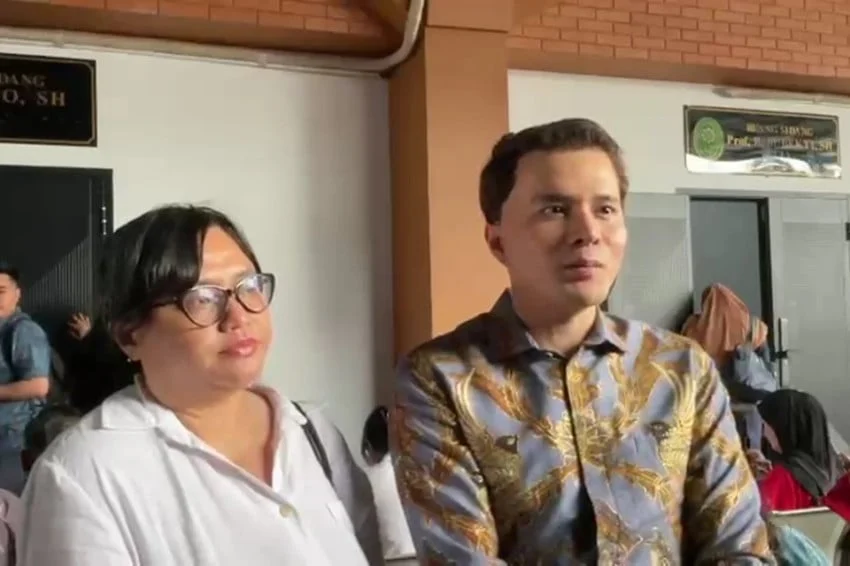
JAKARTA – Beauty doctor Oky Pratama appeared as a key witness on Wednesday, April 15, 2026, in the ongoing lawsuit concerning alleged unlawful acts (Perbuatan Melawan Hukum – PMH) filed by television personality Nikita Mirzani against fellow aesthetic practitioner Reza Gladys. The hearing took place at the South Jakarta District Court. Nikita Mirzani, the plaintiff in this case, was represented by her manager, Dhea Hanifa Putri, who also provided testimony. The legal team for Nikita Mirzani focused their questioning on Dr. Oky Pratama, aiming to clarify his role as an intermediary in communications between Mirzani and Gladys.
Dr. Pratama revealed that he was repeatedly contacted by Reza Gladys from September to October 2024. According to his testimony, Gladys frequently sought his assistance in facilitating a direct meeting with Nikita Mirzani. This desire for a face-to-face encounter, Dr. Pratama indicated, was central to the communications he was involved in. The nature of these communications and the specific requests made by Gladys form a critical part of the evidence presented in the trial.
Background of the Legal Dispute
The lawsuit stems from allegations made by Nikita Mirzani regarding alleged misrepresentations and unethical practices by Reza Gladys, particularly concerning skincare products and aesthetic treatments. Mirzani has publicly accused Gladys of promoting products that she claims are either uncertified or misleading, potentially harming consumers. The "Perbuatan Melawan Hukum" (PMH) designation in Indonesian law refers to tortious acts that cause harm to others, giving rise to a claim for damages or other legal remedies.
Nikita Mirzani, a prominent and often controversial figure in Indonesian entertainment, has a substantial following and has been vocal about consumer rights and safety, particularly within the beauty industry. Her decision to pursue legal action against another practitioner in the same field underscores the seriousness of her claims. Reza Gladys, also a recognized figure in the beauty and aesthetic medicine community, has her own established clientele and business operations.
Chronology of Events Leading to the Lawsuit
While the exact timeline of the dispute is still unfolding in court, initial reports suggest a period of escalating tension and communication breakdowns between Mirzani and Gladys. Dr. Oky Pratama’s testimony sheds light on a specific phase where he was actively involved as a go-between.
- September-October 2024: Dr. Oky Pratama reports being contacted by Reza Gladys, who expresses a strong desire to meet with Nikita Mirzani. Dr. Pratama’s role was to relay these requests and potentially facilitate communication.
- Subsequent Period: Details of the nature of these requested meetings and the discussions that may have ensued remain largely within the court proceedings. It is understood that disagreements or unresolved issues arising from these interactions, or from prior dealings, ultimately led to the legal action.
- April 15, 2026: The court hearing where Dr. Oky Pratama provides his testimony as a witness. Nikita Mirzani’s manager, Dhea Hanifa Putri, also testifies.
The court’s examination of Dr. Pratama aimed to establish the sequence of communications, the content of those exchanges, and the extent of his involvement in mediating between the two parties. His role as a neutral third party, a fellow medical professional, lends weight to his account of the interactions.
Dr. Oky Pratama’s Role as Intermediary
During his testimony, Dr. Pratama elaborated on the frequency and nature of Reza Gladys’s attempts to connect with Nikita Mirzani. He stated that Gladys’s overtures were persistent, spanning a significant period. The core of his statement revolved around Gladys’s expressed wish for a direct, personal meeting.
"Reza Gladys had been contacting me since September until October 2024," Dr. Pratama testified. "He consistently asked for my help to be introduced and to arrange a meeting directly with Nikita Mirzani."

This revelation suggests that Gladys may have felt unable to reach Mirzani directly or that she preferred to use Dr. Pratama as a conduit. The specific reasons behind Gladys’s desire for a meeting and the subject matter she wished to discuss are crucial elements that the court will consider in evaluating the case. Dr. Pratama’s testimony provides a factual account of these outreach efforts.
Supporting Data and Industry Context
The beauty and aesthetic medicine industry in Indonesia is a rapidly growing sector, attracting significant investment and consumer interest. However, it is also an area that has faced scrutiny regarding regulatory compliance, product safety, and professional ethics. The presence of uncertified or misrepresented products poses a risk to public health and can damage the reputation of legitimate practitioners.
Regulatory bodies like the National Agency of Drug and Food Control (BPOM) play a vital role in ensuring the safety and efficacy of cosmetics and health products. Allegations of products being distributed without proper BPOM certification, as hinted at in related reports concerning Nikita Mirzani’s prior examination regarding Reza Gladys’s skincare, could be a central theme in the legal proceedings. Such issues can have far-reaching implications, including potential legal sanctions for those involved and a loss of consumer trust.
The legal framework governing professional conduct and consumer protection in Indonesia is designed to address such concerns. Lawsuits filed under the PMH category are intended to provide recourse for individuals who have suffered harm due to the wrongful actions of others. The burden of proof in such cases lies with the plaintiff, who must demonstrate that the defendant’s actions were unlawful and directly caused the alleged damages.
Potential Implications and Analysis
Dr. Oky Pratama’s testimony is significant as it corroborates Nikita Mirzani’s claim that there were attempts at communication and mediation, potentially facilitated by a third party. His account of Reza Gladys’s persistent efforts to meet with Mirzani could be interpreted in various ways, depending on the broader context and other evidence presented.
- Attempt at Resolution: It could suggest that Gladys was attempting to resolve issues or address concerns directly with Mirzani before legal action was taken.
- Admission of Concern: Alternatively, it might indicate an acknowledgment of the seriousness of Mirzani’s allegations, prompting a desire for direct dialogue.
- Strategic Maneuvering: In some legal contexts, such direct outreach could also be viewed as a strategic move, either to de-escalate or to gather information.
The court will need to weigh this testimony against other evidence, including any documented communications, product information, and expert opinions on the alleged misrepresentations. The testimony of Dhea Hanifa Putri, Nikita Mirzani’s manager, will also be crucial in providing insights into Mirzani’s perspective and the alleged damages she has suffered.
The case highlights the increasing assertiveness of public figures in holding businesses and individuals accountable for alleged malpractices, particularly in industries that directly impact consumer well-being. The beauty sector, with its high visibility and direct consumer engagement, is often a focal point for such disputes.
The outcome of this lawsuit could set a precedent for how disputes within the aesthetic medicine industry are handled and may also influence consumer awareness regarding product authenticity and regulatory compliance. It underscores the importance of transparency and ethical conduct for all stakeholders involved in the beauty and wellness market. The legal proceedings are expected to continue, with further witnesses and evidence to be presented.
