
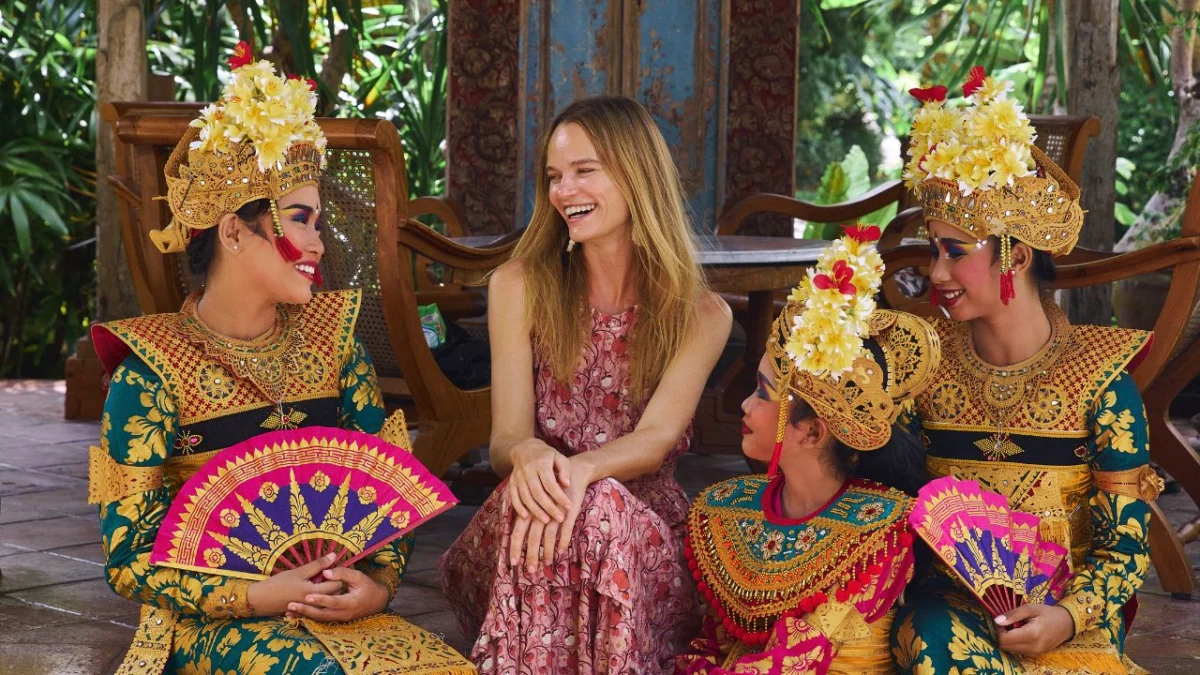
The inauguration of Baha Gia’s flagship store at Plaza Indonesia marks a pivotal milestone for the Indonesian fashion label, signaling its transition from a niche boutique brand to a formidable player in the international luxury retail landscape. Located in Jakarta’s premier high-end shopping destination, the new space serves as more than a point of sale; it is a physical manifestation of the brand’s core philosophy, which prioritizes emotional resonance, comfort, and the art of storytelling through textiles. This expansion coincides with the debut of the brand’s eighth volume, titled "Di Tepi Bali" (On the Edge of Bali), a collection that bridges traditional Indonesian iconography with the minimalist sensibilities required for global market penetration, specifically targeting the fashion-forward demographic of Tokyo, Japan.
A New Chapter in Luxury Retail Experience
The opening of the flagship store at Plaza Indonesia represents a strategic move to capture both domestic high-net-worth individuals and international visitors. In an era where digital commerce dominates, Baha Gia has doubled down on the "brick-and-mortar" experience, designing a space that emphasizes intimacy and sensory engagement. The interior architecture of the store reflects the brand’s "urban bohemian" DNA, utilizing warm lighting, organic textures, and a layout that encourages exploration rather than transactional speed.
Industry analysts note that the choice of Plaza Indonesia is significant. As the oldest and most prestigious shopping mall in Jakarta, it houses some of the world’s most recognizable luxury houses. By securing a flagship position here, Baha Gia positions itself alongside global giants, asserting that Indonesian craftsmanship and contemporary design are of equal caliber to European counterparts. The store is designed to be a "sanctuary" for customers, where the tactile nature of the fabrics and the intricacy of the original prints can be appreciated in a setting that mirrors the warmth of an Indonesian home.

The Di Tepi Bali Collection: Craftsmanship and Narrative
The centerpiece of the flagship opening is the unveiling of "Di Tepi Bali," the brand’s Volume VIII collection. This series is an intensive exploration of Balinese landscapes and cultural motifs, reimagined through a modern lens. Rather than relying on clichéd representations of the island, Baha Gia’s design team has curated a selection of symbols that represent the lived reality and spiritual depth of Bali.
The collection features original patterns—developed entirely in-house—that depict various elements:
- Marigolds (Gemitir): Representing the vibrant offerings found in daily Balinese life.
- Manggis (Mangosteen): A nod to the island’s rich natural flora.
- Segara (The Sea): Capturing the ebb and flow of the coastline that surrounds the island.
- Pura and Tedung: The architectural majesty of Balinese temples and the ceremonial umbrellas that signify protection and divinity.
- Turtle Conservation: A modern inclusion that highlights the importance of environmental stewardship in the region.
These motifs are not merely printed on fabric; they are woven into the narrative of each garment. The collection utilizes lightweight, breathable materials suitable for tropical climates but structured enough to maintain a refined silhouette in urban settings. This balance of "ready-to-wear" functionality and high-concept storytelling is what defines the Baha Gia aesthetic.
Strategic Design Evolution for the Global Market
A critical aspect of the "Di Tepi Bali" collection is the subtle shift in design language, specifically intended to appeal to the Japanese market. While Baha Gia has built its reputation on the "urban bohemian" look—often characterized by flowing lines and eclectic details—the new collection introduces a "refined" approach.

Key design adjustments include:
- Scallop Necklines: Providing a delicate, feminine touch that adds a layer of sophistication without overwhelming the wearer.
- Rounded Necks: A move toward cleaner, more universal silhouettes that resonate with the minimalist preferences often found in Tokyo’s fashion districts like Aoyama and Daikanyama.
- Color Palette: The collection employs a poetic gradient of oceanic blues, sunset oranges, and the brand’s signature pink hues. These colors are chosen to be evocative yet versatile, capable of transitioning from the sun-drenched beaches of Bali to the sleek, concrete streets of a global metropolis.
By streamlining its aesthetic, Baha Gia is preparing for a strategic entry into Tokyo. This expansion is part of a broader trend where Indonesian brands are seeking to "Go Global" by adapting their traditional heritage to meet international standards of "clean" and "modern" design. The goal is to ensure that the "Indonesian-ness" of the brand remains visible but is presented in a way that is accessible to a consumer who may not be familiar with the specific cultural context.
Chronology of Brand Growth and Market Position
Baha Gia’s journey to Plaza Indonesia has been one of steady, calculated growth. Starting as a brand that focused on the emotional connection between the garment and the wearer, it has consistently released "Volumes" rather than traditional seasonal collections, emphasizing the timeless nature of its pieces.
- Phase 1: Foundation (Volumes I-IV): Establishing the "urban bohemian" identity and building a loyal domestic following through digital platforms and pop-up events.
- Phase 2: Consolidation (Volumes V-VII): Refining the production process and focusing on original textile design. This period saw the brand gaining traction among Jakarta’s fashion elite.
- Phase 3: Expansion (Volume VIII and Flagship): The current phase, characterized by significant capital investment in physical retail and a clear roadmap for international exports.
This timeline reflects a maturing Indonesian creative economy. According to data from the Ministry of Tourism and Creative Economy (Kemenparekraf), the fashion subsector remains one of the largest contributors to Indonesia’s creative GDP, accounting for over 17% of the total. Brands like Baha Gia are leading the charge in shifting the perception of Indonesian fashion from "mass-produced garments" to "designed luxury."

Supporting Data and Economic Implications
The expansion of local brands into premium malls like Plaza Indonesia has broader implications for the national economy. Historically, these spaces were dominated by international franchises. The increasing presence of local labels suggests a shift in consumer behavior, where the Indonesian middle and upper classes are increasingly proud to wear domestic brands that offer comparable quality and superior storytelling.
Furthermore, the strategy to enter the Tokyo market is data-driven. Japan is one of the world’s largest fashion markets, with a deep appreciation for craftsmanship and "slow fashion"—values that align perfectly with Baha Gia’s production model. By exporting finished, high-value fashion products rather than raw textiles, Baha Gia contributes to a more favorable balance of trade in the creative sector.
Official Responses and Inferred Industry Impact
While official statements from the brand’s creative directors emphasize the "warmth and intimacy" of the new store, industry observers see this as a bold statement of intent. Fashion critics have noted that Baha Gia is successfully navigating the difficult middle ground between traditional "ethnic" fashion and "global contemporary."
"The challenge for any Indonesian brand going global is to avoid being pigeonholed as ‘exotic’ or ‘souvenir-like,’" says a Jakarta-based fashion consultant. "Baha Gia’s ‘Di Tepi Bali’ collection avoids this by using Balinese motifs as a design language rather than a costume. The focus on ‘cleaner’ silhouettes for the Tokyo market shows a high level of commercial intelligence."

The reaction from the local fashion community has been overwhelmingly positive, with the flagship store opening seen as a "win" for the local industry. It serves as a blueprint for other emerging designers on how to scale a brand while maintaining its soul and cultural integrity.
Conclusion: Bridging Traditions and Global Perspectives
Baha Gia’s "Di Tepi Bali" is more than just a collection of clothing; it is a bridge. It connects the spiritual and natural beauty of Indonesia with the sophisticated demands of the global fashion industry. By opening its flagship store in Plaza Indonesia, the brand has created a home for its narrative, inviting customers to step into a world where tradition is not a relic of the past but a vibrant, living part of a modern lifestyle.
As the brand looks toward Tokyo and beyond, its success will likely depend on its ability to maintain this delicate balance. If the "Di Tepi Bali" collection is any indication, Baha Gia is well-positioned to become a significant Indonesian cultural ambassador, proving that the stories of the archipelago can be told in a language that the whole world understands and desires to wear. The journey from the edges of Bali to the heart of Tokyo is a testament to the power of authentic craftsmanship and strategic vision in the 21st-century fashion landscape.
