

The modern global landscape is increasingly defined by a culture of accumulation, where success is frequently measured by the volume of possessions, the prestige of one’s professional title, and the extravagance of one’s lifestyle. However, a significant paradigm shift is occurring as more individuals recognize that the relentless pursuit of "more" often leads to increased stress, mounting debt, and a profound sense of dissatisfaction. This shift toward simple living, often categorized under the umbrella of minimalism or intentionalism, suggests that the true path to a meaningful life involves the strategic reduction of non-essential elements. While often dismissed as a mere trend or a sign of financial struggle, simple living is a sophisticated lifestyle choice backed by psychological and economic principles. By focusing on fundamental needs and high-value experiences, proponents of this lifestyle argue that individuals can unlock levels of freedom and peace that are unattainable through consumerism.
The Socio-Economic Context of Simple Living
The rise of simple living as a mainstream concept can be traced back to the post-recession era of 2008, but it gained significant momentum during the global COVID-19 pandemic. During the lockdowns, millions were forced to reassess their spending habits and the necessity of their daily routines. This period served as a massive social experiment in reduced consumption, revealing to many that a high-speed, high-cost lifestyle was not a prerequisite for happiness. Furthermore, as global inflation rates have fluctuated and housing costs have soared in the mid-2020s, the economic necessity of frugality has merged with the philosophical desire for simplicity.
Investor and property expert Steve Cook has long advocated for this approach, positing that wealth is not merely the sum of one’s assets but the ratio of one’s means to one’s desires. By simplifying one’s lifestyle to focus on the essentials, an individual effectively lowers their "cost of happiness," thereby increasing their relative wealth. This perspective is supported by data from various financial institutions suggesting that households practicing intentional spending are significantly more resilient to economic downturns than those living paycheck to paycheck to maintain an image of affluence.

1. Accelerated Financial Resilience and Emergency Preparedness
One of the most immediate and tangible benefits of simple living is the rapid accumulation of a robust emergency fund. In traditional personal finance, an emergency fund is defined as three to six months of living expenses set aside in a liquid account. However, for those practicing a simplified lifestyle, the "barrier to entry" for financial security is much lower because their monthly overhead is reduced. When a person requires less to survive and thrive, their savings go much further, and their "runway" in the event of a job loss or medical emergency is significantly extended.
Financial anxiety is a primary driver of chronic stress, which has been linked by the American Psychological Association to a host of physical ailments, including cardiovascular disease and weakened immune systems. Simple living acts as a preemptive strike against this stress. For instance, if an essential piece of technology—such as a smartphone used for work—malfunctions, an individual with a simplified budget and a healthy emergency fund can address the issue immediately without resorting to high-interest credit cards or predatory loans. This ability to absorb "shocks" to the financial system without emotional or fiscal collapse is a cornerstone of psychological well-being. By prioritizing the "boring" safety net over the "exciting" luxury purchase, individuals create a foundation of peace that far outlasts the temporary dopamine hit of a new acquisition.
2. Restoration of Social Capital and Family Dynamics
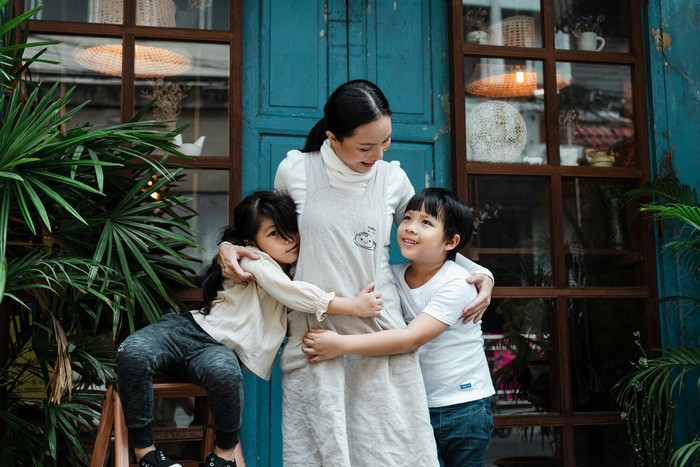
The pursuit of a high-consumption lifestyle often requires a disproportionate investment of time. High-paying jobs frequently demand long hours, constant availability, and high levels of stress, leaving little energy for domestic life. The "time-poverty" that results from chasing financial excess often comes at the expense of family relationships and social connections. Simple living challenges the notion that expensive vacations or high-end toys are the primary ways to show affection or build memories.
Child development experts, including Dr. Ziegler, emphasize that the quality of parental presence is a far more accurate predictor of a child’s future mental health than the material goods provided to them. Simple, low-cost activities—such as a walk in a local park, reading together, or engaging in a shared hobby—provide the "focused attention" that children need to feel valued and secure. When parents reduce their financial obligations, they often find they can afford to work slightly less or choose roles that do not require excessive overtime. This reclaimed time is reinvested into the family unit, creating a virtuous cycle of emotional stability. In the long term, the strength of these social bonds provides a support system that no amount of material wealth can replicate.

3. Mitigation of Decision Fatigue and Chronic Anxiety
The psychological weight of "stuff" is a well-documented phenomenon. The more possessions an individual owns, the more mental energy is required to maintain, organize, and protect them. This contributes to a state of "decision fatigue," where the sheer volume of choices—from what to wear to what to buy next—depletes an individual’s cognitive resources. Simple living alleviates this burden by reducing the number of choices and the amount of clutter in one’s physical and mental environment.
Research into the "Paradox of Choice" suggests that having too many options often leads to anxiety and regret rather than satisfaction. By opting out of the "hedonic treadmill"—the observed tendency of humans to quickly return to a relatively stable level of happiness despite major positive or negative events or life changes—individuals who live simply avoid the constant pressure to upgrade their lives. They are less susceptible to targeted advertising and social media-induced "FOMO" (Fear Of Missing Out). This detachment from the comparison trap leads to a more stable internal state. When the need to "keep up with the Joneses" is removed, the associated anxiety of social performance disappears, replaced by a sense of contentment with one’s current circumstances.
4. Strategic Path to Early Retirement and Financial Independence
Perhaps the most transformative benefit of simple living is the potential for early retirement or "Financial Independence, Retire Early" (FIRE). The mathematics of retirement are based on the relationship between spending and savings. If an individual spends 90% of their income, they must work for nine years to save for one year of retirement. However, if an individual simplifies their life to the point where they save 50% of their income, they earn one year of freedom for every year worked.
Simple living allows individuals to break free from the "golden handcuffs"—a situation where high earners cannot afford to quit a job they dislike because their lifestyle costs have risen to match their salary. By maintaining a low cost of living, the threshold for financial independence is lowered. This provides the ultimate luxury: the freedom of choice. A person who lives simply may choose to retire in their 40s or 50s, or they may choose to transition into a lower-paying but more fulfilling career, such as teaching or non-profit work. This autonomy is the highest form of wealth. It ensures that an individual is not a "wage slave" to their own desires but a master of their own time.
Broader Implications and Global Impact
The move toward simplicity also carries significant broader implications for society and the environment. On an ecological level, reduced consumption directly correlates with a lower carbon footprint and decreased waste. As the global community grapples with the realities of climate change, the "minimalist" approach to living is increasingly viewed as an ethical imperative. When individuals buy fewer, higher-quality items and eschew "fast fashion" or disposable electronics, they contribute to a more sustainable economic model.
Furthermore, a society that values simple living is often a more resilient one. Communities that prioritize social connection over material competition tend to have higher levels of trust and lower rates of crime. The shift away from consumer-driven identity allows for a more diverse range of human expressions and values to flourish.
Analysis of Implementation: The Transition Period
Transitioning to a simpler life is not without its challenges. It requires a rigorous audit of one’s current habits, obligations, and possessions. This process, often called "decluttering," is as much a mental exercise as a physical one. It involves questioning the "why" behind every purchase and every commitment. For many, the initial stages of this transition can be uncomfortable, as it forces an individual to confront the emotional voids they may have been trying to fill with shopping or busyness.
However, the long-term data suggests that once the initial adjustment period is over, the reported levels of life satisfaction among those who embrace simplicity are significantly higher than those who remain in the cycle of high-consumption. The benefits—financial security, deeper relationships, mental clarity, and time freedom—create a compounding effect. As each year passes, the gap between the "simple liver" and the "over-consumer" widens, not just in terms of bank balances, but in terms of overall quality of life.

In conclusion, simple living is far more than a budgetary tactic; it is a comprehensive strategy for modern survival and flourishing. By ignoring the noise of a culture that demands constant growth and accumulation, individuals can reclaim their autonomy and focus on the fundamental pillars of a good life. Whether through the lens of financial independence, mental health, or family stability, the evidence is clear: by choosing less, we often gain much more.
