Indonesia’s burgeoning electric vehicle (EV) market is currently navigating a complex landscape, characterized by ambitious government targets and significant practical hurdles. The nation has set a bold objective to have 2 million electric cars and 13 million electric motorcycles on its roads by 2030. This strategic push is driven by a dual imperative: to drastically reduce carbon emissions, a critical concern for populous urban centers, and to lessen the country’s heavy reliance on fossil fuels, a perennial economic and environmental challenge. However, beneath the surface of these aspirational goals lies a fundamental question that looms large: is Indonesian society truly prepared for this seismic shift, and crucially, has the necessary infrastructure evolved sufficiently to support it?
The environmental imperative driving this transition is starkly illustrated by current data. According to the Ministry of Energy and Mineral Resources, the more than 11 million conventional cars currently operating in Indonesia are responsible for an estimated 35 million tons of carbon emissions annually. This figure contributes a substantial 70-80% to the air pollution plaguing major cities like Jakarta and Surabaya, impacting public health and quality of life. The government’s electrification agenda is a direct response to this alarming reality, aiming to fundamentally alter the trajectory of the nation’s transportation sector.
Yet, on the ground, a different narrative unfolds. The path towards widespread EV adoption is currently obstructed by a significant lack of critical resources. Potential EV buyers are frequently deterred by the scarcity of specialized workshops capable of servicing these advanced vehicles, a shortage of trained technicians proficient in EV maintenance and repair, and the limited availability of essential spare parts. These practical concerns are not merely minor inconveniences; they represent formidable barriers that erode consumer confidence and create apprehension about the long-term viability of owning an EV in Indonesia.
The hesitation among many consumers is not rooted in indifference towards environmental issues. Instead, it stems from a pragmatic assessment of the current state of EV technology and its integration into the Indonesian context. The reliability and practicality of EVs remain largely unproven for a nation that presents unique challenges. These include diverse and often extreme road conditions, a still-developing and unevenly distributed electricity grid, and a wide spectrum of consumer purchasing power, meaning affordability remains a significant factor for a large segment of the population. The transition to EVs, therefore, requires more than just the introduction of new vehicles; it demands a comprehensive ecosystem that addresses these multifaceted concerns.
Building an Integrated Ecosystem: VinFast’s Strategic Approach
Recognizing both the immense opportunity and the significant challenges within the Indonesian EV market, VinFast, the Vietnamese automotive manufacturer, has entered the scene with a strategy that extends far beyond simply selling cars. The company’s vision is to be an integral part of the EV revolution in Indonesia, fostering a complete ecosystem rather than acting as an isolated player.
Kariyanto Hardjosoemarto, Deputy CEO of VinFast Indonesia, articulated this philosophy, stating, "For us, this journey is not about being an external player in a new market. It is about becoming part of a larger story, a story about the creativity of Indonesian youth, the spirit of the middle class, and the vision of forward-thinking policymakers." This statement underscores VinFast’s commitment to integrating with the local context and contributing to the nation’s broader developmental aspirations.
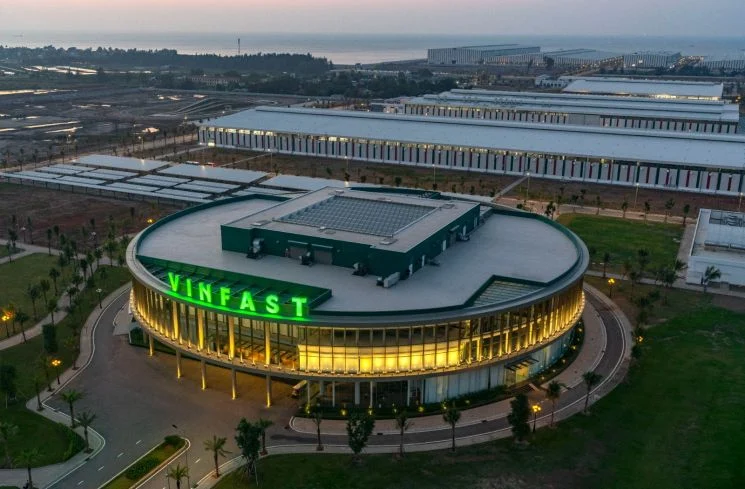
To actualize this vision, VinFast is making substantial investments in developing a robust domestic infrastructure. The company has announced plans to establish 500 authorized service centers across the Indonesian archipelago. Furthermore, a significant investment of US$200 million is earmarked for a vehicle assembly plant in Subang, West Java, which is projected to have an annual production capacity of 50,000 units. This strategic move signifies more than mere market expansion; it represents a deliberate effort to construct a cohesive EV ecosystem encompassing vehicle assembly, comprehensive maintenance services, and reliable after-sales support.
Beyond physical infrastructure, VinFast is addressing consumer concerns about the long-term cost and value of EVs. The company is introducing innovative ownership models, including a battery subscription program designed to lower the upfront cost of EVs and manage battery depreciation. They are also offering extended warranties, a crucial factor in building trust for new technology. Moreover, VinFast is providing a buy-back guarantee, promising to retain up to 73% of the vehicle’s value after three years of ownership. These initiatives are designed to alleviate common anxieties and demonstrate that EVs can offer a level of practicality and dependability comparable to their conventional counterparts.
Cultivating Public Trust: The Cornerstone of Electrification Success
The ultimate success of Indonesia’s electrification drive, however, hinges on more than just manufacturing capacity or governmental regulations. The most valuable currency in this transition is public trust. Potential buyers continue to voice significant concerns regarding the readiness of charging infrastructure, the potential volatility of electricity costs for charging, and the capacity of local technicians to handle the sophisticated technology inherent in electric vehicles.
VinFast is attempting to address these reservations through its "A-to-Z ownership" model, a holistic approach that prioritizes the entire customer experience from the initial purchase through to the ongoing use and maintenance of the vehicle. This comprehensive strategy aims to demystify EV ownership and provide a seamless, supportive experience for consumers. However, the broader transition to electric vehicles will ultimately be determined by whether the Indonesian public perceives this shift as a tangible solution to pressing environmental and economic issues, rather than merely a government-led green campaign or a corporate business strategy.
Kariyanto Hardjosoemarto concluded his remarks by emphasizing the broader implications of VinFast’s commitment: "What we are building is not just a business. This is a cross-country and cross-generational collaboration to realize a cleaner and more sustainable mobility future, from Vietnam to Indonesia, from ambition to action." This statement encapsulates the ambitious scope of VinFast’s involvement, highlighting a commitment to fostering a sustainable future through international partnership and tangible action.
The Indonesian government’s ambitious targets for EV adoption, while commendable, necessitate a parallel acceleration in the development of essential infrastructure and a concerted effort to build consumer confidence. The challenges are significant, encompassing technological adaptation, economic considerations, and a shift in public perception. As more automotive players, like VinFast, invest in the Indonesian market and commit to developing local ecosystems, the path towards a cleaner transportation future may become clearer, but the journey will undoubtedly require sustained collaboration between government, industry, and the Indonesian people. The success of this transition will be a defining factor in Indonesia’s ability to meet its climate goals and foster a more sustainable and prosperous future.