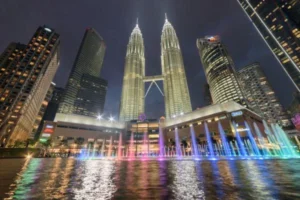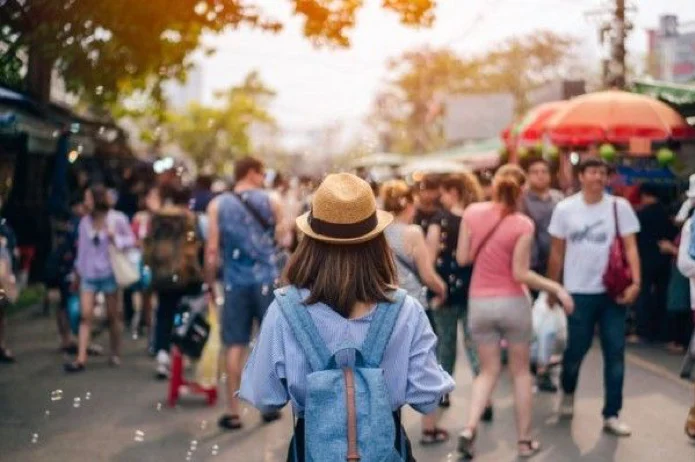
In the contemporary economic landscape, a profound shift in consumer behavior has signaled the emergence of the "experience economy," where the acquisition of memories and personal growth has begun to supersede the traditional accumulation of material assets. For the millennial generation—those born roughly between 1981 and 1996—traveling is no longer viewed as a luxury or a periodic escape from the rigors of professional life; rather, it has evolved into a fundamental lifestyle choice and a core form of personal investment. This demographic shift marks a departure from the financial priorities of previous generations, such as Baby Boomers and Generation X, who historically prioritized long-term stability through real estate, automotive ownership, and pension security.
The modern inclination toward travel is driven by a combination of technological accessibility, a globalized job market, and a growing body of psychological research suggesting that experiential purchases provide more enduring happiness than material ones. As digital connectivity bridges the gap between remote corners of the globe, the drive to explore "undiscovered" locales has become a defining characteristic of the 21st-century youth. This report explores the nuances of this cultural pivot, the economic data supporting the trend, and practical strategies for integrating travel into a sustainable lifestyle.
The Socio-Economic Shift Toward Experiential Investment
For decades, the standard markers of adulthood and success were tied to fixed assets. However, the 2008 financial crisis, coupled with the rising costs of education and housing, has altered the millennial perspective on "wealth." According to data from various global travel associations, nearly 72% of millennials report that they would rather spend their disposable income on experiences than on physical products. This sentiment is echoed by the World Travel & Tourism Council (WTTC), which noted that prior to the 2020 pandemic, the travel sector was outpacing the global economy in terms of growth, largely fueled by young travelers seeking authenticity.
The transition to a "travel lifestyle" is also a response to the "burnout culture" prevalent in many urban professional environments. Millennials often view travel as a mechanism for mental recalibration and self-discovery. Unlike a house, which requires maintenance and carries the burden of debt, a journey provides "cultural capital"—skills such as cross-cultural communication, adaptability, and global awareness—that are increasingly valued in the modern, borderless workforce.
Chronology of the Travel Evolution: From Tourism to Lifestyle
The evolution of travel from a seasonal activity to a lifestyle can be traced through several distinct phases over the last three decades:
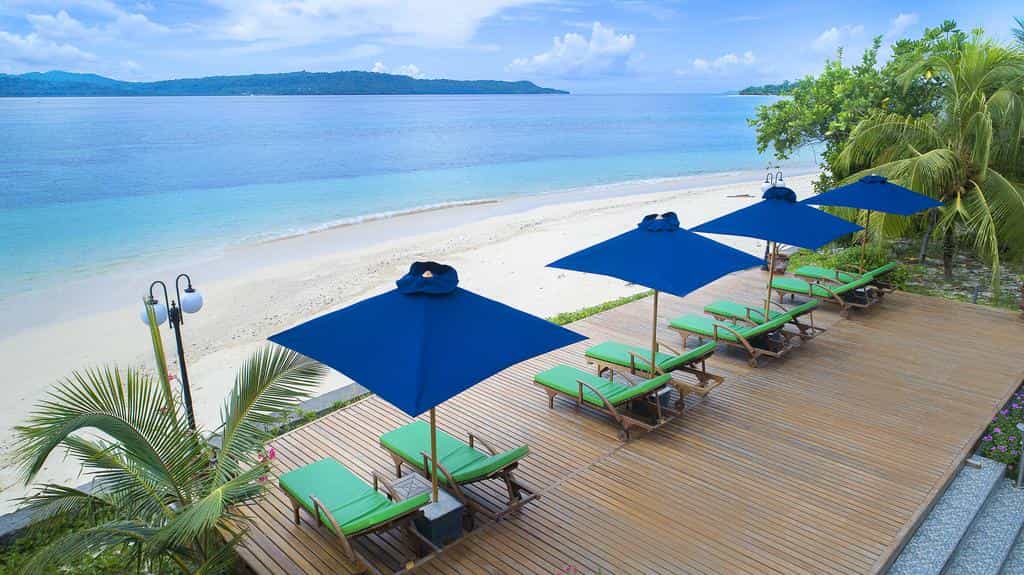
- The 1990s: The Era of Mass Tourism. During this period, travel was largely dominated by all-inclusive packages and rigid itineraries. Travelers remained within "tourist bubbles," with limited interaction with local cultures.
- The Early 2000s: The Digital Revolution. The advent of online booking platforms and low-cost carriers democratized air travel. The barrier to entry dropped, allowing younger individuals to plan independent trips.
- The 2010s: The Rise of Social Media and the Sharing Economy. Platforms like Instagram transformed travel into a form of social currency. Simultaneously, services like Airbnb and Couchsurfing allowed travelers to live like locals, moving the focus from "sightseeing" to "living."
- The 2020s: The Nomad and "Workation" Era. The post-pandemic world has normalized remote work. This has allowed the "lifestyle traveler" to merge professional responsibilities with global exploration, leading to the rise of digital nomad hubs in places like Bali, Lisbon, and Mexico City.
Data-Driven Analysis of Millennial Travel Habits
Recent surveys by travel technology firms indicate that millennials travel, on average, 35 days per year. Unlike their predecessors, they are less likely to save for years for a single "grand tour." Instead, they utilize a "micro-saving" approach, allocating 20% to 30% of their monthly income toward a dedicated travel fund.
Furthermore, the "impact" of travel is being measured in new ways. A study by the Journal of Positive Psychology found that the anticipation of a trip provides as much psychological benefit as the trip itself. For the millennial generation, the constant cycle of planning, experiencing, and reflecting on travel creates a continuous loop of positive reinforcement that material objects simply cannot replicate.
Strategic Tips for Implementing a Sustainable Travel Lifestyle
Transitioning from a traditional lifestyle to one centered on travel requires more than just financial resources; it requires a fundamental shift in mindset. Experts in the field of travel psychology and nomadic living suggest three primary pillars for those looking to make the leap.
1. Strengthening Resolve and Cultivating Courage
The primary barrier to a travel-centric lifestyle is often psychological rather than financial. The societal pressure to follow a traditional path—marriage, mortgage, and career stability—can create a "fear of missing out" on traditional milestones. To overcome this, one must strengthen their internal resolve.
Journalistic analysis of long-term travelers reveals that the most successful "lifestyle travelers" are those who treat travel as a form of education. One should not wait for a "perfect" bank balance to start. Instead, the focus should be on "survivalist courage"—the ability to navigate the world with existing resources and the confidence to handle unforeseen challenges. The world is often far less dangerous than portrayed in sensationalist media, and the first step toward a travel lifestyle is dismantling the internal barriers of fear.
2. Embracing Fluidity and Local Integration
A common mistake among novice travelers is the attempt to control every variable through rigid scheduling. In the context of a lifestyle, rather than a vacation, such rigidity often leads to stress and missed opportunities. Lifestyle travel demands an "evolutionary" approach to itineraries.
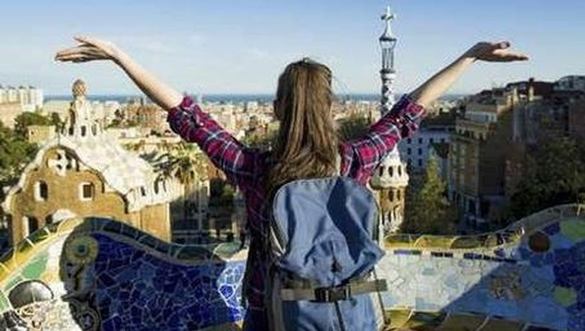
Seasoned travelers recommend creating a loose framework for a journey but remaining open to local "wisdom." Engaging with local communities often reveals hidden gems—restaurants, landscapes, or cultural events—that are never listed in mainstream guidebooks. By following the "flow" of a location, travelers can learn local wisdom and adapt to the specific conditions of their environment. This flexibility is what transforms a trip into a profound life experience.
3. Developing Cross-Cultural Adaptability
The most critical "soft skill" in the arsenal of a lifestyle traveler is adaptability. Living as a traveler means constantly being an outsider. Success in this mode of living depends on one’s ability to adjust to different social norms, languages, and infrastructures.
This adaptability serves a dual purpose. First, it ensures the smoothness of the travel experience itself, allowing the individual to navigate foreign bureaucracies or social situations with grace. Second, it builds "Global Intelligence," a trait that is highly transferable to the professional world. Employers increasingly seek individuals who can demonstrate that they have functioned effectively in diverse environments.
Inferred Statements and Official Perspectives
While there are no "official" government bodies for lifestyle travel, industry leaders have voiced strong support for this shift. Executives at major travel platforms have noted that the industry is pivoting to accommodate "slow travel." In a recent industry summit, analysts noted: "We are seeing a move away from ‘ticking boxes’ on a map. The modern traveler wants to stay in one place for a month, work from a local café, and contribute to the local economy. This is a more sustainable and meaningful way to see the world."
Sociologists also point out that this trend may be a collective response to global uncertainty. When the future of the housing market or climate stability feels precarious, investing in one’s own experiences and memories becomes the most "secure" investment one can make.
Implications for the Future of Global Society
The rise of lifestyle travel has significant implications for both the travelers and the destinations they visit. On the positive side, it fosters a more empathetic and interconnected global citizenry. Individuals who have traveled extensively are statistically more likely to support environmental conservation and international cooperation.
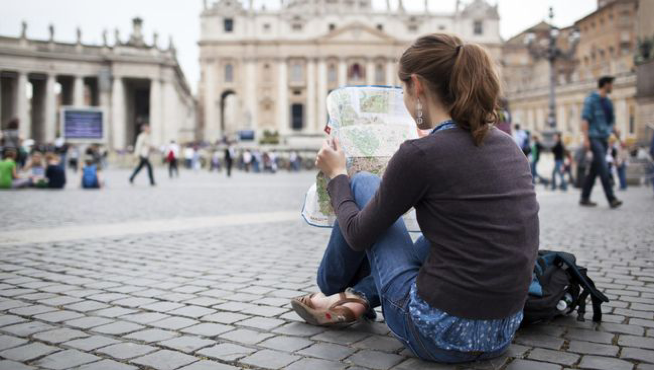
However, there are challenges to consider. The "lifestyle travel" movement has contributed to the gentrification of certain global hubs, where an influx of "digital nomads" can drive up local living costs. As this lifestyle becomes more popular, the onus is on the traveler to practice "ethical tourism"—ensuring that their presence benefits the local community rather than displacing it.
Conclusion: Travel as the Ultimate Self-Discovery Tool
Ultimately, the shift toward a travel-focused lifestyle represents a broader search for identity in an increasingly digital and fragmented world. By stepping out of one’s comfort zone, engaging with diverse cultures, and learning to adapt to the unknown, individuals are able to discover their "true selves" in ways that are impossible within the confines of a routine-driven life.
The tips outlined—cultivating courage, maintaining flexibility, and prioritizing adaptation—serve as a roadmap for those ready to trade the security of a desk for the richness of the road. As the millennial generation continues to redefine the meaning of a "successful life," travel will undoubtedly remain at the heart of their investment strategy, proving that the most valuable assets are the ones that cannot be taken away: memories, knowledge, and a global perspective.