The highly anticipated Jak-Japan Matsuri (JJM) 2026 is set to return to the heart of Jakarta, promising a vibrant celebration of diplomatic ties and cultural exchange between Indonesia and Japan. Scheduled for October 31 and November 1, 2026, at the Plaza Parkir Timur Gelora Bung Karno, this year’s iteration marks a significant milestone as it reinstates the iconic Bon Odori dance, a centerpiece of Japanese festival culture that had been notably absent from the event’s programming for the past three years. This year’s festival serves as a bridge, offering an immersive experience that blends the traditions of the "Land of the Rising Sun" with the rich heritage of Indonesia.
A Historic Return: The Resurgence of Bon Odori
For many enthusiasts of Japanese culture, the return of Bon Odori is the most significant development in the 2026 festival calendar. Bon Odori, a traditional dance performed during the Obon season to honor the spirits of ancestors, is more than just a performance; it is a communal ritual that emphasizes harmony and shared history. Its three-year hiatus from the JJM stage had been felt by the community, and its reinstatement signifies a return to normalcy and a strengthening of the post-pandemic cultural dialogue between the two nations.
Organizers have curated the event to ensure that the dance remains authentic while welcoming local participation. By integrating the traditional rhythm and choreography of Bon Odori with the energetic spirit of a Jakarta-based festival, the organizers aim to create an atmosphere of inclusivity, where the local Indonesian audience and the Japanese expatriate community can participate side-by-side.
Bridging Cultures: Beyond the Dance Floor
The Jak-Japan Matsuri 2026 is not merely a showcase of Japanese heritage; it is a deliberate effort to foster mutual appreciation. Beyond the main stage performances, the event space will host a variety of workshops that highlight the craftsmanship and artistic sensibilities of both countries.
Visitors will have the opportunity to engage in hands-on activities, such as the creation of miniature Ondel-Ondel—the iconic giant puppets of Betawi culture—as well as traditional Indonesian batik-making and the intricate craft of wayang (shadow puppetry). By placing these activities alongside Japanese cultural exhibits, the festival underscores the shared importance of craftsmanship, storytelling, and heritage preservation in both societies.
Official Perspectives and Diplomatic Significance
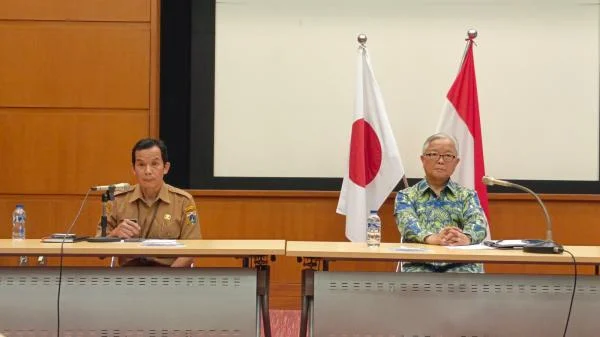
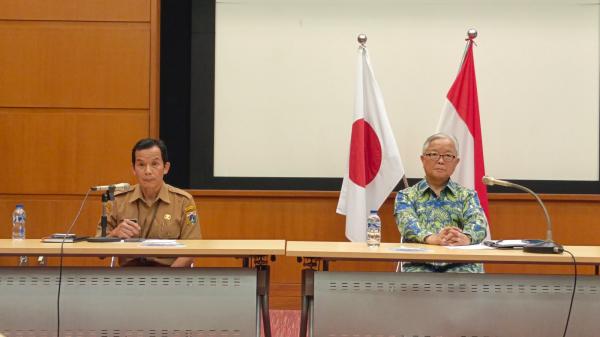
Atsushi Ueno, the Ambassador of Japan to Indonesia and Honorary Advisor to the JJM 2026 Executive Committee, emphasized the deeper intent behind the festival’s expanded programming. Speaking at a press conference held at the Embassy of Japan in Jakarta on October 26, 2026, Ueno noted that the event is designed to move beyond passive observation.
"We are introducing more programs that provide visitors with the opportunity to experience the cultures of both nations directly," Ueno stated. "Our focus is on deep, authentic engagement, particularly with traditional Japanese arts that often go unseen in international settings. We want the festival to be a space where curiosity leads to understanding, and where the friendship between Indonesia and Japan is felt on a personal level."
This sentiment reflects the broader diplomatic goal of the Jak-Japan Matsuri, which has historically functioned as a "soft power" initiative. Since its inception, the festival has sought to reinforce the "Comprehensive Strategic Partnership" between Indonesia and Japan, leveraging cultural diplomacy to strengthen people-to-people ties, which remain the foundation for economic and political cooperation.
Context and Chronology of the Event
The Jak-Japan Matsuri has long been a staple of Jakarta’s cultural calendar. Since its founding, it has grown from a modest gathering into a major international festival that attracts tens of thousands of visitors annually. However, the event has faced logistical challenges in recent years, particularly in the wake of global health restrictions that limited large-scale public gatherings.

The 2026 edition represents a full-scale return to the pre-2023 format. The timeline of the event is structured to maximize engagement:
- October 26, 2026: Official press conference and announcement of the festival lineup.
- October 31, 2026: Opening day of JJM 2026 at GBK, featuring opening ceremonies, cultural performances, and the launch of interactive workshops.
- November 1, 2026: Closing day, featuring the climactic Bon Odori dance and a joint Indonesian-Japanese cultural finale.
The choice of the Gelora Bung Karno complex as the venue is strategic, providing a central, accessible location that can accommodate the high volume of foot traffic expected over the weekend.
Economic and Social Implications
The cultural impact of JJM 2026 is matched by its social and economic implications for Jakarta. Large-scale events like this serve as a catalyst for local tourism and support the creative economy sector. The integration of Indonesian traditional crafts like batik and wayang into a high-profile international festival provides a platform for local artisans to showcase their work to a diverse, international audience.
Furthermore, the presence of Japanese corporate sponsors and cultural organizations at the festival highlights the ongoing economic synergy between the two nations. Japan remains one of Indonesia’s largest foreign investors, and events like JJM play a crucial role in maintaining the positive social climate necessary for sustained bilateral cooperation. By fostering a sense of familiarity and mutual respect, the festival reduces barriers to cross-border collaboration in business, education, and technology.
Fact-Based Analysis: The Evolution of Cultural Exchange
The evolution of the Jak-Japan Matsuri serves as a barometer for the state of Indonesian-Japanese relations. In the early years of the festival, the focus was primarily on bringing Japanese pop culture—such as anime and J-pop—to Jakarta. However, the shift toward a more balanced, traditional focus in recent years suggests a maturing relationship.

The decision to emphasize traditional arts, such as the Bon Odori and local Indonesian crafts, reflects a broader trend in cultural diplomacy: the move toward "deeper" exchange. Instead of relying solely on mass-market cultural exports, the organizers are prioritizing the transmission of intangible cultural heritage. This approach is highly effective in building long-term "cultural literacy," where citizens of both nations gain a more nuanced understanding of each other’s history and values.
Moreover, the collaborative nature of the workshops suggests a conscious effort to move away from a model of "Japan showcasing to Indonesia" toward a model of "co-creation." This transition is essential for the sustainability of such events, as it encourages local stakeholders to feel a sense of ownership over the festival’s success.
Anticipation and Future Outlook
As the date approaches, the buzz surrounding the return of Bon Odori continues to grow. For the youth of Jakarta, the festival offers a unique blend of modern entertainment and traditional discovery. For the Japanese community residing in Indonesia, it serves as a vital touchstone to home, helping to preserve a sense of identity while fostering a deeper connection to their host country.
The success of the 2026 edition will likely set the tone for future iterations of the festival. If the organizers can successfully execute the integration of these diverse cultural elements, JJM 2026 will serve as a model for how international cultural festivals can remain relevant in an increasingly globalized, yet locally conscious, world.
As the curtains rise at the Plaza Parkir Timur, the message to the public is clear: despite the passage of time and the challenges of the past few years, the cultural bond between Indonesia and Japan remains resilient, evolving, and ready to be celebrated on a grand scale once again. Whether through the rhythmic steps of a dancer in a yukata or the meticulous brushwork of a batik artisan, the Jak-Japan Matsuri stands as a testament to the enduring power of shared culture to bridge the distance between two nations.