The prevailing narrative in modern nutrition often positions processed foods as the primary antagonist in the fight against obesity and metabolic disease. For decades, health advocates have encouraged consumers to avoid anything that comes in a box or a package, favoring "from-scratch" cooking to manage caloric intake and avoid additives. However, a nuanced shift is occurring within the field of clinical nutrition. Experts are increasingly identifying specific categories of processed items that—far from being detrimental—can serve as powerful, convenient tools for weight management. By leveraging shelf-stable or pre-prepared options, individuals can bypass the time-consuming barriers to healthy eating, ultimately maintaining a consistent caloric deficit while meeting essential nutrient requirements.
The Paradigm Shift in Processed Nutrition
The traditional view of processed foods typically centers on "ultra-processed" items—products high in added sugars, sodium, trans fats, and artificial preservatives. These foods are engineered for palatability and long shelf life, often at the expense of satiety and nutritional density. Conversely, the "processed" foods recommended by nutritionists for weight loss are those that have undergone mechanical or thermal processing to enhance accessibility without sacrificing nutritional integrity.
Recent insights from the health resource Eating Well highlight that the key to successful, long-term weight management is not necessarily the complete avoidance of processed goods, but the strategic selection of those that offer high protein, fiber, and micronutrient density. This approach recognizes that the modern lifestyle often leaves little room for extensive food preparation, and by utilizing smart, pre-processed staples, individuals are more likely to adhere to a healthy dietary pattern over time.
1. Frozen Fruits: Nature’s Convenience Store
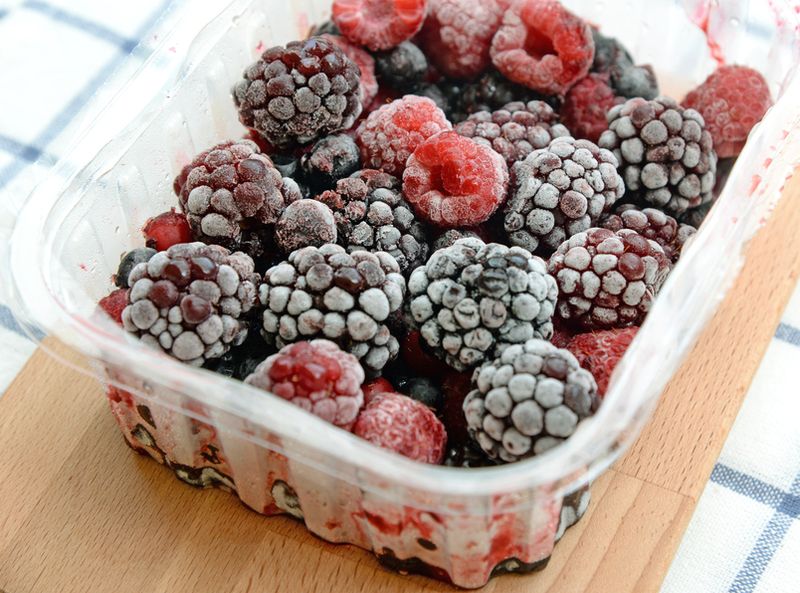
Frozen fruit is often misunderstood as a "lesser" alternative to fresh produce, yet clinical data suggests the opposite may be true. Fruits are typically harvested at their peak ripeness and flash-frozen immediately, which preserves their vitamin and mineral profile often better than fresh produce that has been transported across long distances and stored in warehouses for days.
The efficiency of frozen fruit lies in its accessibility and price stability. From a weight-loss perspective, frozen blueberries are a standout. A single cup of frozen blueberries, weighing approximately 148 grams, contains roughly 84 calories and 4 grams of dietary fiber. This combination of volume and fiber is essential for satiety. Furthermore, these berries are packed with antioxidants, specifically lutein, zeaxanthin, and anthocyanins. Research has consistently linked these compounds to the reduction of systemic inflammation—a physiological state often exacerbated by adipose tissue (body fat). By keeping a freezer stocked, a person can instantly add fiber-rich, low-calorie components to smoothies, oatmeal, or yogurt, preventing the need for calorie-dense, processed snack alternatives.
2. Greek Yogurt and the Protein Priority
The role of protein in weight management is well-documented in metabolic science. High-protein diets increase thermogenesis—the energy required to digest food—and promote the release of satiety hormones like peptide YY and GLP-1. Greek yogurt has emerged as a gold-standard processed dairy product in this regard.
Unlike regular yogurt, the straining process used to produce Greek yogurt removes much of the whey, resulting in a denser product with a significantly higher protein content. A standard 200-gram serving can provide up to 20 grams of protein for approximately 150 calories. This density is crucial for maintaining muscle mass while in a caloric deficit. Preserving muscle mass is vital for sustaining a high resting metabolic rate; as an individual loses weight, the body tends to catabolize muscle, which can lead to a metabolic slowdown. The probiotic content in Greek yogurt also supports gut microbiome diversity, which emerging research suggests plays a significant role in body weight regulation and blood sugar control.
3. Soy Milk: The Plant-Based Nutritional Powerhouse
For decades, the dietary guidelines for Americans have struggled to categorize plant-based milks. However, in the 2020-2025 Dietary Guidelines, soy milk was uniquely identified as a nutritionally equivalent alternative to cow’s milk. This is a significant distinction, as many other plant-based milks—such as almond or oat—lack the protein density required to be considered a functional replacement for dairy.
A cup of unsweetened soy milk contains roughly 80 calories, 7 grams of complete protein, and 1 gram of fiber. The presence of isoflavones, a type of phytoestrogen found in soy, has been a subject of interest for researchers studying metabolic syndrome. Studies suggest that when combined with a structured exercise regimen, soy-based protein intake can accelerate fat loss in individuals classified as overweight or obese. Its shelf-stable nature (in aseptic packaging) makes it an ideal, accessible staple for those looking to boost protein intake without the saturated fats found in whole milk.
4. Tofu: The Versatile Metabolic Booster
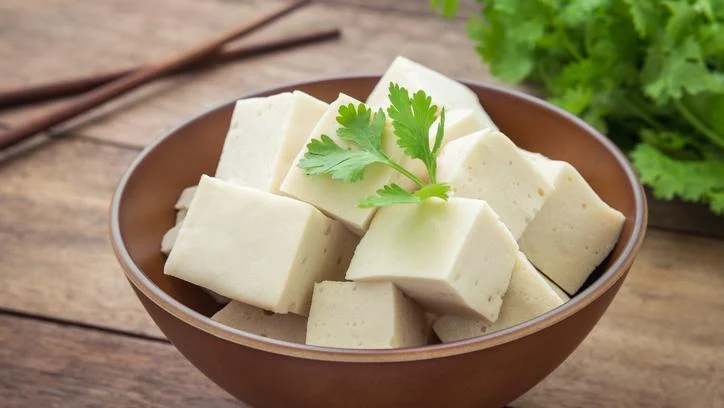
Tofu, or bean curd, is perhaps the ultimate example of a minimally processed food that aids weight management. Produced from soy milk, water, and a coagulant, tofu is a high-volume, low-calorie protein source. An 85-gram serving contains approximately 80 calories and 8 grams of protein.
The primary benefit of tofu lies in its "empty canvas" profile. Because it absorbs the flavors of the seasonings and vegetables it is cooked with, it facilitates the consumption of nutrient-dense, low-calorie vegetables. By using tofu as a protein anchor in a meal, one can significantly reduce the caloric density of the dish compared to animal-based proteins. Furthermore, the inclusion of tofu in a diet helps stabilize blood glucose levels, preventing the insulin spikes that drive fat storage.

5. Nuts and Seeds: The Healthy Fat Paradox
One of the most persistent myths in weight loss circles is the total avoidance of fats. Because nuts are calorie-dense, many individuals exclude them entirely. However, longitudinal studies suggest that individuals who consume nuts as part of a balanced, calorie-controlled diet often achieve better weight-loss outcomes than those who cut them out.
Clinical evidence indicates that eating approximately 28 grams of nuts prior to meals can assist in appetite control. The combination of healthy monounsaturated fats, fiber, and plant protein acts as a potent satiety signal to the brain. Because nuts require significant mastication and take time to digest, they naturally pace the consumption of a meal. When selecting these products, the key is to avoid heavily salted or sugar-coated varieties, which can negate the metabolic benefits. Dry-roasted or raw, unsalted nuts are the preferred choices for those tracking their caloric intake.
Contextualizing the Nutritional Strategy
The integration of these foods into a weight-loss plan should be viewed as a long-term behavioral strategy rather than a "quick fix." The modern food environment is fraught with high-calorie, low-nutrient options. By selecting processed items that are high in fiber, protein, and essential nutrients, individuals create a "safety net" in their kitchen. When time is scarce, having access to frozen fruit for a quick smoothie or tofu for a rapid stir-fry prevents the common pitfall of ordering takeout or relying on ultra-processed, energy-dense snacks.
Broader Implications for Public Health
The transition toward acknowledging the benefits of certain processed foods represents a more sophisticated approach to public health policy. Instead of promoting an unattainable "eat only whole, unprocessed foods" doctrine, health experts are now focusing on "dietary literacy." Educating the public on how to read labels, identify high-quality processed ingredients, and understand the role of protein and fiber is likely to have a more profound impact on obesity rates than abstinence-based dietary advice.

Ultimately, weight management is a function of sustained caloric balance and nutritional adequacy. By utilizing these five categories of processed foods—frozen fruit, Greek yogurt, soy milk, tofu, and nuts—consumers can construct a sustainable, convenient, and effective diet that supports long-term health goals without the exhaustive labor often associated with healthy eating. As research continues to evolve, the distinction between "processed" and "nutritious" will likely become even more blurred, favoring a scientific consensus that prioritizes the chemical and caloric composition of food over the mere fact of its processing.