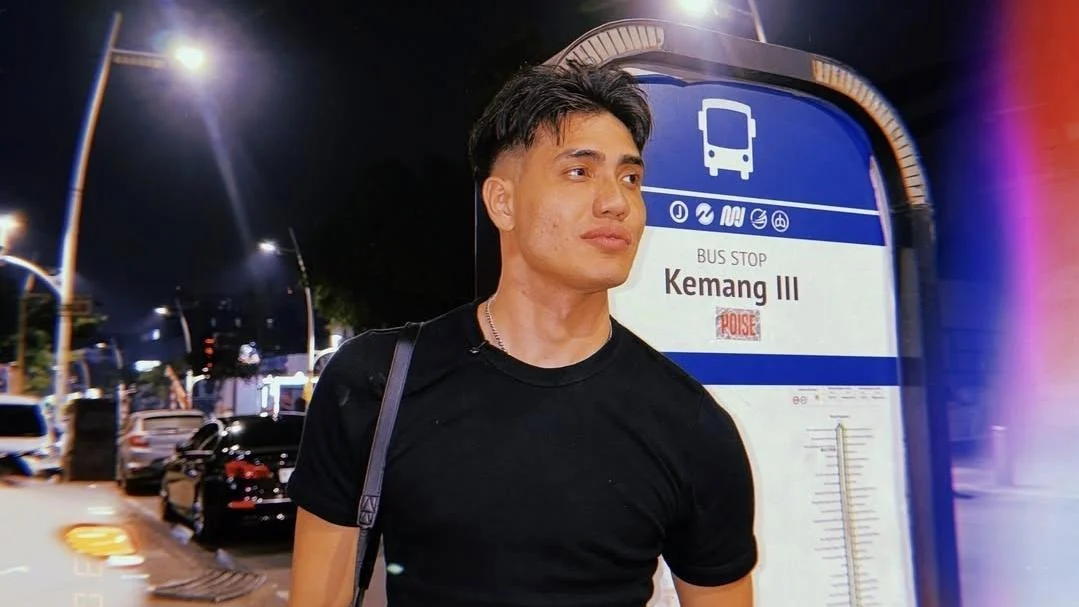
The emergence of the digital creator economy has fundamentally reshaped how audiences consume media, blurring the lines between national borders and cultural identities. Among those leading this shift in Southeast Asia is Aisar Khaled, a prominent Malaysian content creator whose influence has extended deeply into the Indonesian digital landscape. By fostering strategic collaborations with Indonesia’s most recognizable celebrities and influencers, Khaled has successfully navigated the complexities of regional audience engagement, leveraging shared cultural touchpoints—most notably food—to build a loyal following in both nations. His recent activities, including joint culinary projects with prominent figures such as Vilmei, Atta Halilintar, and Lesti Kejora, serve as a case study for the effectiveness of cross-cultural digital marketing.

The Rise of a Regional Digital Icon
Aisar Khaled’s trajectory within the digital sphere is marked by a deliberate focus on high-production-value content that prioritizes relatability. Unlike creators who rely on fleeting viral trends, Khaled has cultivated a brand identity rooted in lifestyle, hospitality, and, increasingly, social advocacy. His entry into the Indonesian market was not merely coincidental; it was a calculated expansion facilitated by the historical and cultural proximity shared between Malaysia and Indonesia.
The collaboration model adopted by Khaled involves identifying high-profile Indonesian influencers whose audience demographics align with his own. By integrating into the circles of mainstream stars like Atta Halilintar and the couple Lesti Kejora and Rizky Billar, Khaled has gained access to a diverse cross-section of Indonesian viewers. These interactions are consistently framed through the lens of shared hospitality, with food serving as the primary vehicle for cross-border cultural exchange.
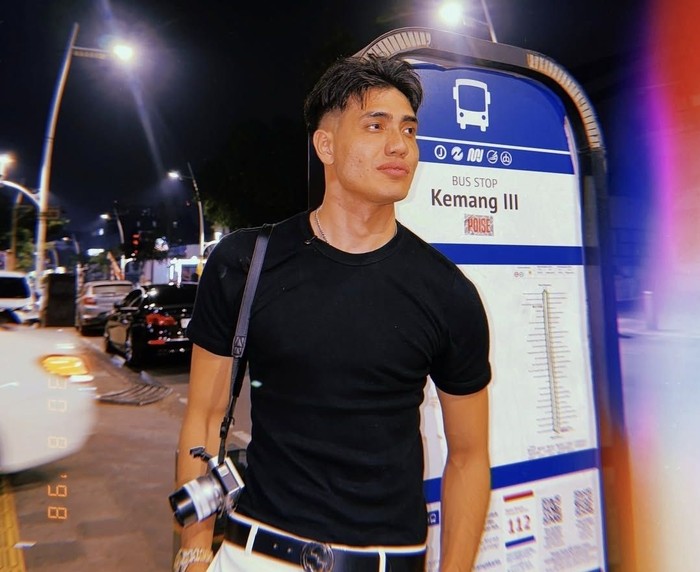
Chronology of Collaborative Endeavors
The timeline of Khaled’s integration into the Indonesian market reveals a systematic approach to engagement. Initially, his presence was characterized by appearances in larger group vlogs, which served as a soft introduction to the Indonesian audience. Over the last 24 months, this evolved into more substantial, long-form content projects.
In early 2026, a series of collaborations with the influencer Vilmei signaled a shift toward more thematic, value-driven content. The duo embarked on a series that addressed contemporary issues within the creator economy, specifically the ethics of food waste. In a high-profile video, the two creators critiqued the trend of "excessive content," where influencers produce large quantities of food solely for the purpose of spectacle, only to discard it.

Following this critique, Khaled and Vilmei produced a series of constructive videos where they prepared standard meals—specifically chicken steak and salad—ensuring that the portions were functional. They actively demonstrated a commitment to sustainability by distributing the remaining prepared food to marginalized populations, including street sweepers and those working late-night shifts in Jakarta. This transition from mere entertainment to social responsibility significantly bolstered the public perception of Khaled, positioning him as a creator with a conscience.
Culinary Diplomacy as a Strategic Tool
Food serves as an universal language, and Khaled has utilized it as a medium for "culinary diplomacy." When visiting the residences of prominent Indonesian figures, the content focus consistently shifts to the exploration of traditional Indonesian cuisine. These segments are not just lifestyle showcases; they are educational exercises that highlight the nuances of local ingredients and domestic cooking styles.
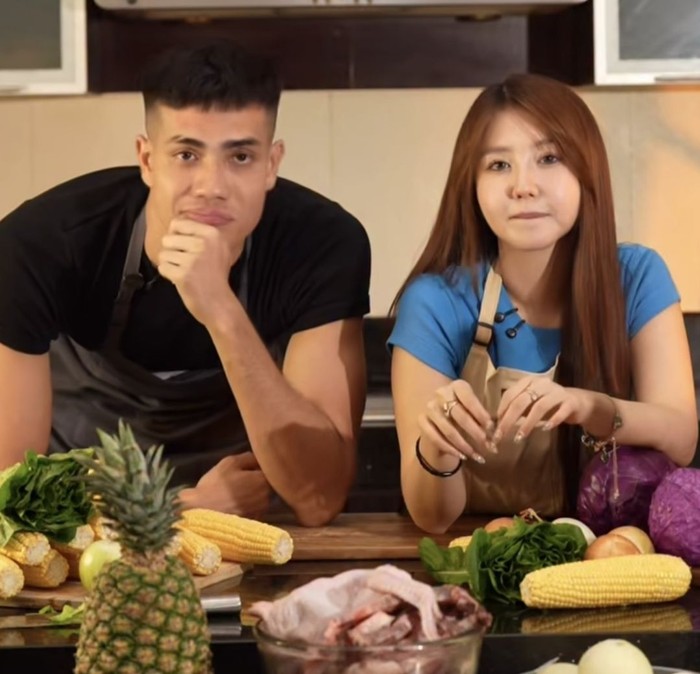
During his visits to the homes of Atta Halilintar and Aurel Hermansyah, the content centered on the "welcome meal"—a staple of Indonesian hospitality. By allowing the camera to document these interactions, Khaled bridges the gap between the viewer and the celebrity, humanizing the figures involved. Similarly, his visit to Lesti Kejora and Rizky Billar focused on the appreciation of "masakan rumahan" (home-cooked meals), which resonates deeply with audiences who value traditional values over the polished, synthetic aesthetic often found in modern influencer content.
Data and Market Implications
The digital creator market in Indonesia is currently one of the fastest-growing in the world, with recent data from the Digital Economy Report indicating that content consumption in the region has surged by approximately 22% annually. Khaled’s strategy of collaborating with local titans is a data-driven response to this growth. By appearing in content with influencers who have multi-million subscriber counts, Khaled effectively bypasses the traditional barriers to entry in a foreign market.

Analysis of his engagement metrics suggests that these collaborations lead to a significant "spillover effect." When a Malaysian creator features an Indonesian celebrity, the algorithm favors the video due to the surge in traffic from the Indonesian region. This not only increases the view count but also cross-pollinates the follower base. Furthermore, these collaborations provide a template for brands looking to expand into the Southeast Asian market, demonstrating that a "local-first" approach, even for international creators, is the most effective route to sustained growth.
Ethical Considerations and Industry Impact
The recent focus on food waste in his collaborative videos with Vilmei highlights a growing trend of "responsible influence." The criticism of creators who waste food for views has become a sensitive topic in the Indonesian digital space. By taking a public stance against this practice, Khaled is aligning himself with a younger, more socially conscious demographic.

Industry analysts observe that this shift has long-term implications for the creator economy. Influencers are no longer judged solely on their entertainment value but on their perceived ethical footprint. By aligning with local creators who share these values, Khaled ensures that his relevance is maintained even as the audience’s expectations for content quality and morality evolve.
Broader Impact on Regional Connectivity
The influence of Aisar Khaled extends beyond the screen. His work fosters a sense of regional unity, reminding audiences in Malaysia and Indonesia of their shared linguistic and cultural heritage. In an era where digital content is often criticized for promoting isolationism, the cross-border nature of his work serves as a reminder of the potential for the internet to act as a bridge.
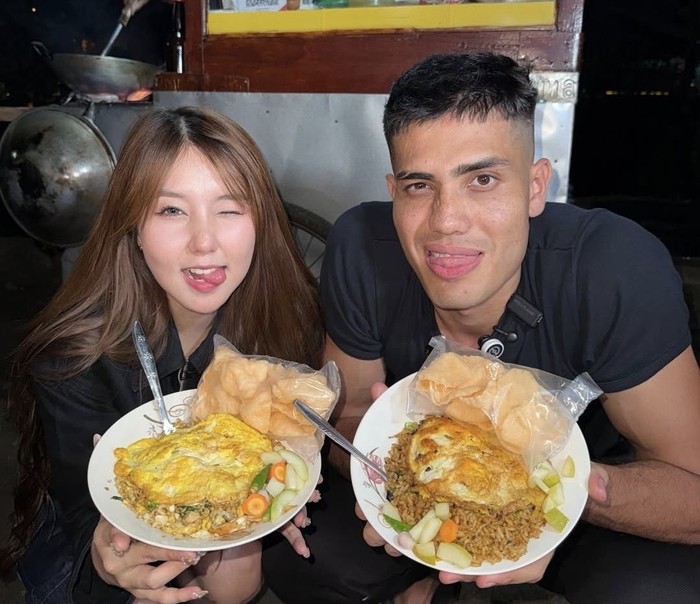
Moreover, the normalization of "Kuala Lumpur to Jakarta" content flows—where creators move fluidly between the two capitals—suggests that the Southeast Asian digital market is becoming increasingly integrated. This integration has significant economic implications for the creator economy, potentially leading to more regional brand partnerships, synchronized marketing campaigns, and a more unified approach to digital regulation.
Conclusion
Aisar Khaled’s rise to prominence in Indonesia is a testament to the power of deliberate, culturally aware content creation. By eschewing the shortcuts of low-quality viral trends in favor of authentic, food-centric collaborations that prioritize social responsibility, he has established a sustainable presence in one of the world’s most competitive digital markets. As he continues to navigate the complexities of cross-border influence, his work will likely continue to serve as a benchmark for how international creators can effectively—and respectfully—engage with foreign audiences. The future of his career, and the broader industry, will depend on his ability to maintain this balance of entertainment and social value in an increasingly crowded and critical digital ecosystem. As the lines between national media markets continue to blur, creators like Khaled will remain at the forefront of the movement toward a more interconnected and culturally resonant global digital community.