Entering the fourth decade of life often marks a physiological turning point for women, characterized by significant hormonal shifts and changes in cellular metabolism. As the body enters its forties, the natural production of collagen and elastin—the proteins responsible for skin structural integrity—begins to decline at a more noticeable rate. Scientific literature and health organizations, including the World Health Organization (WHO) and various dermatological associations, emphasize that this transition phase requires a more targeted approach to nutritional intake to mitigate the visible and internal markers of aging. While genetics play a substantial role, clinical research suggests that dietary interventions can significantly influence skin health, cellular repair, and overall systemic longevity.
The Science of Biological Aging After 40
The aging process, biologically termed senescence, is driven by the accumulation of cellular damage caused by oxidative stress. In women, the perimenopausal and menopausal transition often exacerbates these effects due to fluctuating estrogen levels. Estrogen is intrinsically linked to skin thickness and moisture retention; as these levels drop, the skin loses its ability to maintain hydration, leading to increased dryness, fine lines, and reduced elasticity.
Medical experts note that the "food as medicine" approach is not merely a lifestyle trend but a strategy to counteract free radical damage. Free radicals, unstable molecules produced by environmental pollutants, UV exposure, and dietary habits, accelerate the breakdown of collagen. By increasing the intake of specific phytonutrients, antioxidants, and essential fatty acids, individuals can provide their bodies with the raw materials necessary to neutralize these oxidative threats.

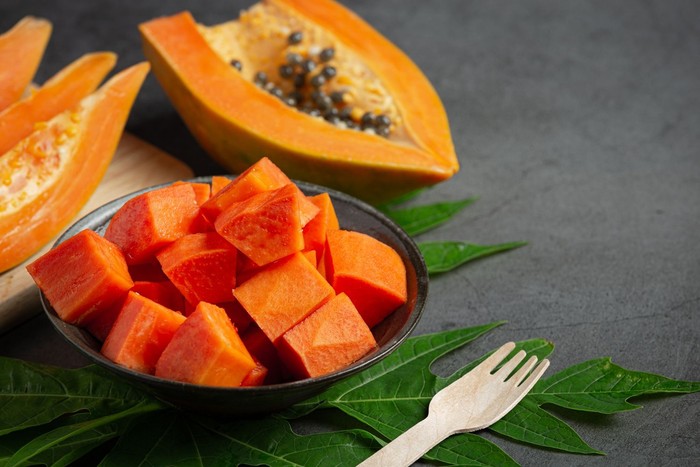
1. The Enzymatic Power of Papaya
Papaya (Carica papaya) has emerged as a cornerstone in anti-aging nutrition, largely due to its high concentration of papain, a proteolytic enzyme. Scientific studies indicate that papain facilitates the breakdown of inactive proteins, effectively acting as a natural exfoliant when consumed or applied topically. Beyond its digestive benefits, the fruit is a reservoir of vitamins A, C, K, and E, as well as minerals such as calcium, potassium, and magnesium.
From a dermatological perspective, the high vitamin C content in papaya is critical for collagen synthesis. Collagen is the primary structural protein in the skin, and its decline is the direct cause of skin sagging and wrinkle formation. Regular consumption of papaya provides a steady supply of antioxidants that assist in skin cell turnover, helping to maintain a radiant and even complexion during the transition into mid-life.
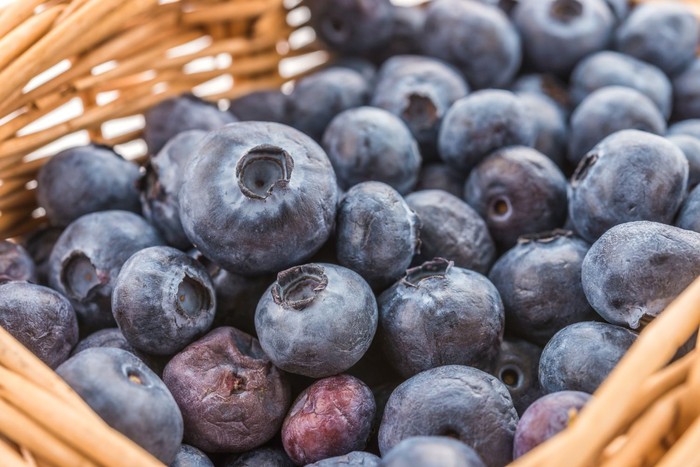
2. Bluberi and the Role of Anthocyanins
Bluberi, or blueberries, are categorized as a "superfood" due to their exceptionally high antioxidant capacity. The primary bioactive compounds in blueberries are anthocyanins, which are responsible for the fruit’s deep blue-violet hue. Research published in nutritional journals suggests that anthocyanins act as powerful anti-inflammatory agents that protect the skin from damage induced by solar radiation and environmental pollutants.
For women in their 40s, the anti-inflammatory properties of blueberries are particularly relevant. Chronic, low-grade inflammation is often linked to the premature degradation of collagen fibers. By neutralizing the inflammatory response, blueberries help maintain the structural integrity of the skin. Furthermore, studies have shown that the antioxidants in blueberries may support cognitive health, a key concern for many women navigating the hormonal fluctuations of the perimenopausal years.
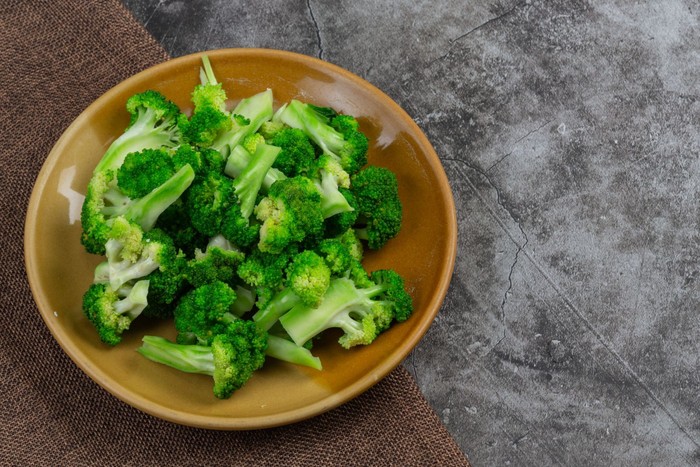
3. Brokoli: The Nutritional Heavyweight
Broccoli is a cruciferous vegetable that offers a complex profile of vitamins, minerals, and bioactive compounds. Its value in an anti-aging diet stems from a synergistic combination of vitamin C, vitamin K, fiber, folate, and lutein. Vitamin C, beyond its role in collagen production, functions as a potent antioxidant that repairs cellular damage.
Of particular interest to modern nutritionists is the presence of lutein in broccoli. Lutein is a carotenoid that has been associated with enhanced brain function and eye health. As women reach their 40s, the maintenance of cognitive sharpness and visual acuity becomes as important as skin appearance. Incorporating broccoli into the diet provides a multifaceted benefit that addresses both systemic health and specific aesthetic concerns related to skin elasticity and resilience.
4. The Hydration and Repair Benefits of Bayam
Bayam, or spinach, is a dense source of essential micronutrients that promote systemic hydration and oxygenation. The leafy green is rich in vitamins A, C, E, and K, alongside magnesium and iron. Vitamin K, in particular, is essential for maintaining proper blood clotting and vascular health, which can reduce the appearance of dark circles and vascular-related skin issues that often become more prominent with age.
Furthermore, the high water content of spinach helps maintain skin turgor—the skin’s ability to change shape and return to normal. By supporting cellular hydration, spinach helps keep the skin looking plump and youthful. The inclusion of vitamin E also provides a protective layer for the skin, acting as a barrier against external environmental aggressors that typically accelerate the visible signs of aging.
5. Alpukat and Essential Fatty Acids
Alpukat, or avocado, is perhaps the most significant source of monounsaturated fats in a plant-based anti-aging diet. These healthy fats are crucial for maintaining the skin’s lipid barrier, which prevents transepidermal water loss. When the lipid barrier is compromised, the skin appears dull and dehydrated; avocados help restore this barrier, promoting a softer, smoother skin texture.
Avocados also provide an abundance of carotenoids, including lutein and zeaxanthin, which help protect the skin from the harmful effects of UV light. Exposure to UV radiation is the leading cause of premature aging, including hyperpigmentation and deep wrinkling. By incorporating avocados into a daily diet, women can leverage the fruit’s anti-inflammatory properties to mitigate these risks. Additionally, the presence of vitamins B, C, E, and K creates a comprehensive nutritional profile that supports overall metabolic health and hormonal balance.
Broader Implications and Public Health Perspectives
The shift toward integrating nutrient-dense foods into daily routines represents a broader movement in preventative healthcare. As life expectancy increases, the focus has shifted from merely increasing years to increasing "healthspan"—the number of years lived in good health. For women in their 40s, this decade serves as a critical window of opportunity to adopt habits that will dictate their long-term health trajectory.
According to data from the National Institutes of Health (NIH), lifestyle choices, including diet, account for a significant portion of age-related health outcomes. The "anti-aging" label, while often associated with aesthetics, reflects a deeper biological reality: what is good for the skin is generally good for the cardiovascular, neurological, and metabolic systems.
Implementation and Dietary Strategy
Nutritionists suggest that the effectiveness of these foods is maximized when consumed as part of a balanced diet rather than as isolated supplements. A varied intake of these five foods—papaya, blueberries, broccoli, spinach, and avocados—provides a wide spectrum of vitamins, minerals, and antioxidants that work in harmony.
For instance, the vitamin C from broccoli or papaya enhances the absorption of iron found in spinach. Similarly, the healthy fats found in avocados facilitate the absorption of fat-soluble vitamins (A, D, E, and K) present in the other listed vegetables. This synergy is the key to an effective nutritional intervention.
Conclusion
The process of aging is inevitable, but the rate and manner in which it occurs can be influenced by conscious lifestyle decisions. For women in their 40s, prioritizing a diet rich in antioxidants, essential fatty acids, and vital vitamins is a proactive step toward maintaining health, vitality, and skin integrity. By focusing on nutrient-dense whole foods like papaya, blueberries, broccoli, spinach, and avocados, women can effectively support their body’s biological processes, ensuring that the transition into middle age is supported by robust internal health and visible well-being. As research continues to evolve, the link between nutrition and the biological markers of aging will undoubtedly remain a focal point for medical professionals and individuals alike, underscoring the enduring power of a healthy, evidence-based diet.