
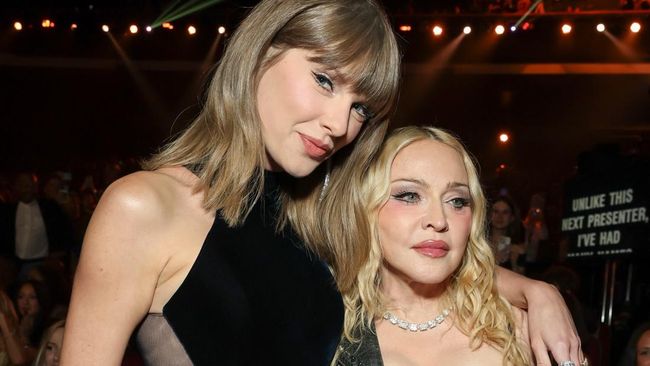
The music industry’s most electrifying night, the 2026 MTV Video Music Awards (VMAs), concluded on Sunday, September 27, 2026, at the iconic Peacock Theatre in Los Angeles. The ceremony, which serves as a barometer for the year’s cultural zeitgeist in music and visual storytelling, was hosted by hip-hop icon Snoop Dogg. This year’s gala was defined by the intersection of legendary status and modern dominance, as music industry titans Madonna and Taylor Swift emerged as the primary focal points of the night, securing a combined haul of accolades that underscored their enduring influence.
A Night of Legendary Triumphs
Madonna’s performance and presence at the 2026 VMAs served as a profound reminder of her status as an industry powerhouse. The pop icon walked away with seven trophies, spanning technical and creative categories. Her experimental film, Confessions II, proved to be the night’s most decorated project, winning for Best Dance, Best Cinematography, Best Choreography, and Best Long-Form Video, in addition to the coveted Best Album award. Her win for Artist of the Year signaled that even decades into her career, Madonna remains at the vanguard of musical innovation and visual presentation.
Taylor Swift, meanwhile, continued her streak of industry dominance. Beyond her win for Video of the Year for "The Fate of Ophelia," Swift was bestowed with the prestigious Artist Director Honors. This specific accolade acknowledges her unique transition from a recording artist to a director who maintains total creative control over the visual language of her work. Industry analysts noted that Swift’s win reflects a broader trend in the music industry, where artists are increasingly prioritized for their roles as auteurs rather than mere performers.
Chronology of the 2026 MTV VMAs
The event kicked off at 8:00 PM EST with a high-energy monologue from Snoop Dogg, who bridged the gap between old-school hip-hop and the contemporary pop scene. The evening followed a tightly curated schedule, focusing on the convergence of K-pop, Latin music, and American pop.
Throughout the evening, the awards were distributed across diverse categories, reflecting the globalized nature of modern music consumption. By mid-ceremony, it was clear that BTS was set to maintain its firm grip on group-based awards, securing both the Song of the Year with "Swim" and the Best Group title. The shift in the industry toward digital-first music videos and long-form visual albums was further solidified by the fact that the technical awards, such as Best Editing and Best Visual Effects, were highly contested, with wins going to Sabrina Carpenter and Ariana Grande, respectively.
Detailed Breakdown of Winners
The 2026 VMA winners represent a snapshot of the current musical landscape:
- Top Artistic Honors:
- Artist of the Year: Madonna
- Best New Artist: Sienna Spiro
- Artist Director Honors: Taylor Swift
- Music and Video Excellence:
- Video of the Year: Taylor Swift – "The Fate of Ophelia"
- Song of the Year: BTS – "Swim"
- Best Album: Madonna – "Confessions II"
- Best Long-Form Video: Madonna – "Confessions II – The Film"
- Genre-Specific Recognition:
- Best Pop: Lisa – "Dream" (feat. Kentaro Sakaguchi)
- Best Hip-Hop: Cardi B ft. Kehlani – "Safe"
- Best R&B: Bruno Mars – "I Just Might"
- Best Alternative: Olivia Rodrigo – "The Cure"
- Best Latin: Bad Bunny – "NUEVAYoL"
- Best K-Pop: BTS – "Swim"
- Best Country: Ella Langley – "Choosin’ Texas"
- Technical and Creative Categories:
- Best Direction: Taylor Swift – "Opalite"
- Best Art Direction: PinkPantheress – "Stateside" + Zara Larsson
- Best Cinematography: Madonna – "Confessions II – The Film"
- Best Editing: Sabrina Carpenter – "House Tour"
- Best Choreography: Madonna – "Confessions II – The Film"
- Best Visual Effects: Ariana Grande – "Hate That I Made You Love Me"
- Song of Summer: Ariana Grande – "Hate That I Made You Love Me"
Special Awards and Industry Recognition
The 2026 VMAs were not merely about popularity; they also recognized legacy and artistic evolution. The Video Vanguard Award, an honor reserved for artists who have made a profound impact on music video history, was awarded to the group Nirvan. This selection was met with significant critical acclaim, as the band has consistently pushed the boundaries of visual art in rock music over the past several years.
The presentation of the Artist Director Honors to Taylor Swift highlighted a significant evolution in how the MTV organization views its talent. By separating the role of "Director" from the standard "Artist" category, MTV acknowledged that the modern pop star is often the primary architect of their brand, a shift that has been accelerated by social media and short-form video content.
Broader Implications and Market Impact
The results of the 2026 VMAs offer a clear window into the current state of the global music economy. The dominance of international acts like BTS, Bad Bunny, and Lisa illustrates that the "globalization" of pop music is no longer a trend but a permanent fixture. When a K-pop act wins Song of the Year in an American-based awards show, it confirms that streaming data has effectively removed regional barriers to entry for global listeners.
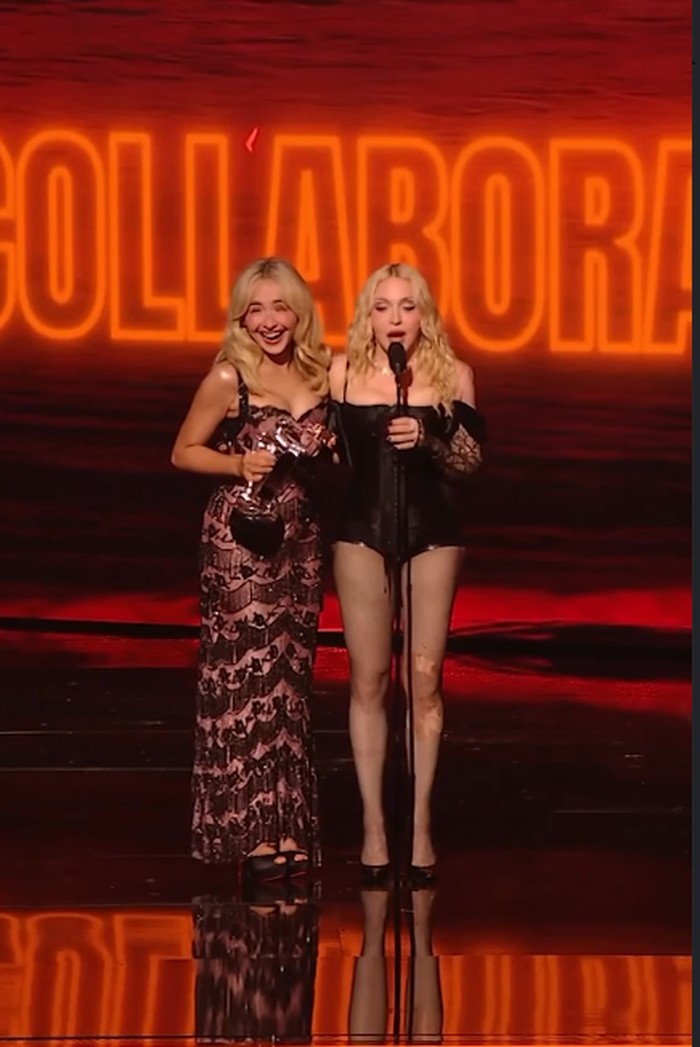
Furthermore, the success of Madonna in the "Best Album" and "Best Long-Form Video" categories suggests that legacy artists who embrace new media formats—specifically cinematic long-form projects—can successfully compete with contemporary viral artists. Industry experts suggest that this "hybridization" of the music video into film-like content is becoming the industry standard for high-budget artist campaigns.
The 2026 event also served as a massive platform for marketing, with the viewership numbers reflecting a robust rebound for televised awards shows. By utilizing platforms like the Peacock Theatre and leveraging host figures like Snoop Dogg, MTV successfully tapped into multiple demographics, from Gen X fans of Madonna to the younger, digitally native fanbase of artists like Sienna Spiro and Olivia Rodrigo.
Conclusion: The Future of the VMAs
As the dust settles on the 2026 MTV Video Music Awards, the industry is already looking ahead. The ceremony proved that the music video remains a vital tool for artistic expression, even in an era of 15-second social media clips. The night celebrated the past, present, and future of the industry, creating a balanced narrative that honored those who built the foundation of music video culture while embracing those who are currently redefining it for a new generation.
The 2026 VMAs will be remembered as the year that the lines between musician and filmmaker blurred completely, and where the global reach of music was firmly established as the new status quo. As awards season continues, the momentum gathered by these winners at the Peacock Theatre will likely influence the trajectory of the upcoming Grammy Awards and other major industry honors, cementing the 2026 VMAs as a pivotal moment in contemporary music history.