
The biological process of skin aging is an inevitable journey, yet contemporary dermatology suggests that the visible markers of this progression—such as fine lines, deep-set wrinkles, and hyperpigmentation—are increasingly appearing in individuals at a younger chronological age. This phenomenon, widely recognized as premature aging, is frequently triggered by a combination of environmental stressors, lifestyle choices, and genetic predispositions. As medical consensus from the American Academy of Dermatology (AAD) and various clinical studies indicate, the structural integrity of the skin is highly susceptible to external damage, which can accelerate the degradation of collagen and elastin, the two primary proteins responsible for skin elasticity and firmness.

Understanding the mechanisms of skin degradation requires an analysis of both intrinsic and extrinsic factors. Intrinsic aging is a genetically determined process that typically begins in one’s mid-20s, characterized by the gradual thinning of the dermis and a reduction in the production of natural oils. Conversely, extrinsic aging is driven by environmental exposure, primarily ultraviolet (UV) radiation, atmospheric pollution, and lifestyle habits such as smoking and dietary choices. Recent data suggests that up to 80% of facial skin aging is attributed to UV exposure, a factor that remains entirely preventable through consistent dermatological interventions.
The Impact of Ultraviolet Radiation on Dermal Integrity
The primary driver of premature skin aging is chronic exposure to ultraviolet radiation, encompassing both UVA and UVB rays. While UVB rays are largely responsible for immediate damage like sunburns, UVA rays penetrate deeper into the dermis, where they cause long-term structural damage. This process, known as photoaging, involves the breakdown of collagen fibers and the impairment of the skin’s ability to repair itself.

Clinical guidelines emphasize that broad-spectrum sunscreen with an SPF of at least 30 is the gold standard for mitigation. Beyond chemical protection, the use of physical barriers—such as wide-brimmed hats, polarized sunglasses, and UV-rated clothing—serves as a necessary secondary defense. Experts suggest that the "application-gap"—the discrepancy between recommended daily usage and actual consumer behavior—remains the leading cause of early-onset facial wrinkling. Integrating sunscreen into a daily morning regimen, regardless of weather conditions, is the single most effective action an individual can take to preserve skin health.
Sustaining Hydration and Skin Barrier Function
The skin barrier is a complex biological system that regulates moisture loss and protects against pathogens. As we age, the stratum corneum, the outermost layer of the skin, loses its efficiency in retaining water. This dehydration often manifests as dullness and the accentuation of fine lines. Maintaining an adequate moisture balance requires more than just water consumption; it necessitates the use of topical emollients and humectants.

Ingredients such as niacinamide, which improves barrier function and skin texture, and vitamin C, which acts as a potent antioxidant to neutralize free radicals, have become staples in modern skincare. Furthermore, the inclusion of retinoids—derivatives of vitamin A—is scientifically backed to stimulate cellular turnover and promote collagen synthesis. However, dermatologists caution that these ingredients must be introduced gradually to avoid barrier disruption, which can exacerbate the very signs of aging one seeks to prevent.
Lifestyle Choices: The Role of Toxins and Nutrition
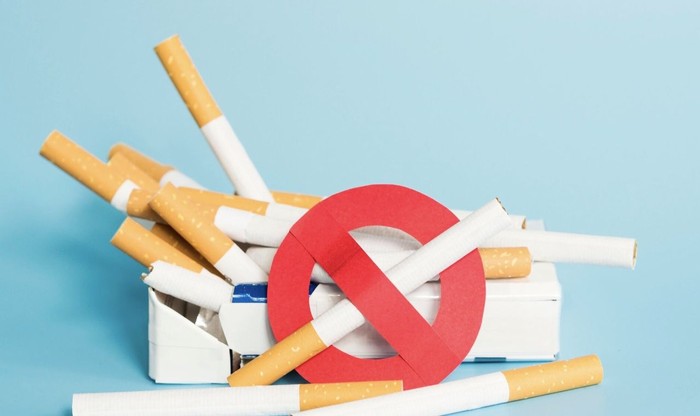
The systemic impact of smoking on skin health is profound and well-documented. Nicotine causes the narrowing of blood vessels in the outermost layers of the skin, which significantly impairs blood flow and nutrient delivery to the dermis. Furthermore, smoking depletes the skin of vital nutrients like vitamin C, which is essential for collagen production. Studies have consistently shown that smokers exhibit a higher incidence of peri-oral wrinkles (smoker’s lines) compared to their non-smoking counterparts.
Dietary habits also play a pivotal role in skin longevity. High intake of refined sugars and processed carbohydrates can lead to a process known as glycation. In this biological reaction, sugar molecules bind to proteins like collagen and elastin, forming harmful compounds called Advanced Glycation End-products (AGEs). These compounds make the skin fibers rigid and brittle, leading to a loss of elasticity. Conversely, diets rich in antioxidants, such as those found in berries, leafy greens, and nuts, provide the systemic support necessary to mitigate oxidative stress and preserve dermal structure.
The Mechanics of Expression Lines
Facial expressions are a fundamental aspect of human communication, yet the repetitive contraction of facial muscles can lead to the formation of permanent creases. These "dynamic wrinkles" eventually transition into "static wrinkles" as the skin loses its underlying support. While it is impractical to avoid expressions entirely, reducing the frequency of specific habits—such as squinting due to glare—can be managed with simple interventions. The consistent use of high-quality sunglasses, for instance, prevents the habitual squinting that contributes to "crow’s feet" around the eyes. For many, the transition from dynamic to static lines is a point of concern that requires a shift toward preventative facial care and, in some cases, professional dermatological consultation.

Physical Activity and Systemic Health
The relationship between physical exercise and skin health is grounded in improved circulatory function. Moderate-intensity exercise enhances blood flow, which in turn delivers more oxygen and nutrients to the skin cells while assisting in the removal of cellular waste products. Furthermore, exercise is a primary regulator of stress hormones like cortisol. Chronically elevated cortisol levels are associated with increased inflammation and the accelerated breakdown of collagen. By managing stress through consistent physical activity, individuals can indirectly foster a more resilient skin environment.
Hygiene Protocols: Cleansing Without Compromise
Proper facial hygiene is a delicate balance. While it is essential to remove pollutants, sweat, and makeup that can clog pores and cause oxidative stress, aggressive cleansing or scrubbing can strip the skin of its protective lipid barrier. When the skin is stripped of its natural oils, it becomes vulnerable to irritation, leading to inflammation and subsequent collagen degradation. The current dermatological recommendation is to employ a pH-balanced, gentle cleanser and to adopt a technique that involves light pressure. After physical activities, particularly when wearing equipment like hats or helmets that trap sweat and bacteria, prompt but gentle cleansing is critical to prevent acne and irritation, which can leave behind lasting marks and texture changes.

Broader Implications and Future Outlook
The pursuit of youthful skin is increasingly viewed not merely as an aesthetic goal but as a facet of overall dermatological health. As the global population ages, the burden of skin-related conditions is projected to increase, placing a higher premium on preventative education. The synthesis of the aforementioned seven strategies—sun protection, hydration, cessation of smoking, nutritional optimization, managing facial expressions, exercise, and gentle hygiene—forms a comprehensive framework for skin health.
Public health initiatives are beginning to emphasize that these practices should be initiated in early adulthood rather than waiting for the appearance of clinical symptoms. By viewing skin health through the lens of long-term biological maintenance, individuals can effectively delay the signs of aging and maintain structural integrity well into later life. As research continues to advance, the integration of personalized skincare—tailored to genetic predispositions and specific environmental exposures—will likely become the next frontier in the science of anti-aging. Currently, the evidence is clear: the most effective way to combat premature aging is a disciplined, science-based approach to daily living and skin maintenance.