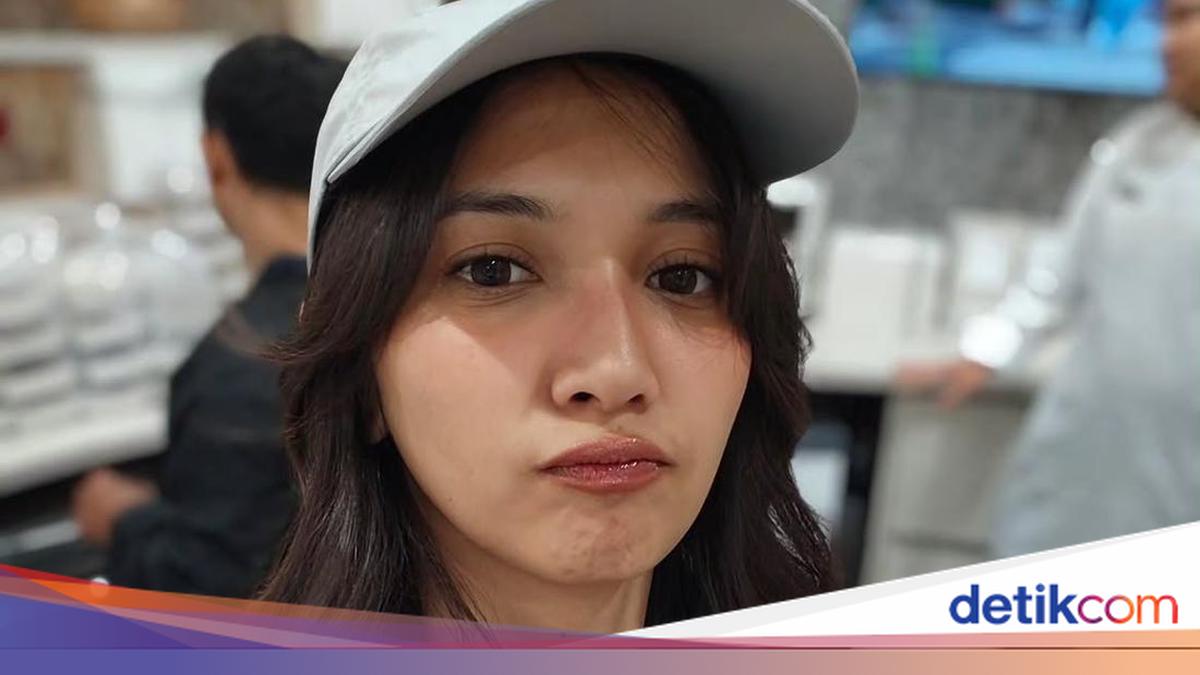
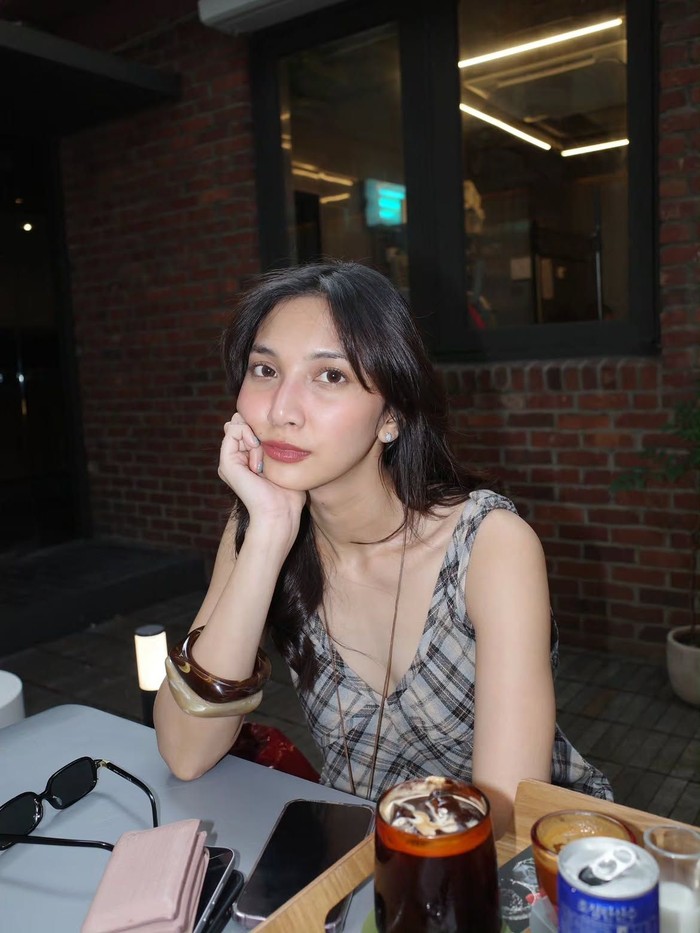
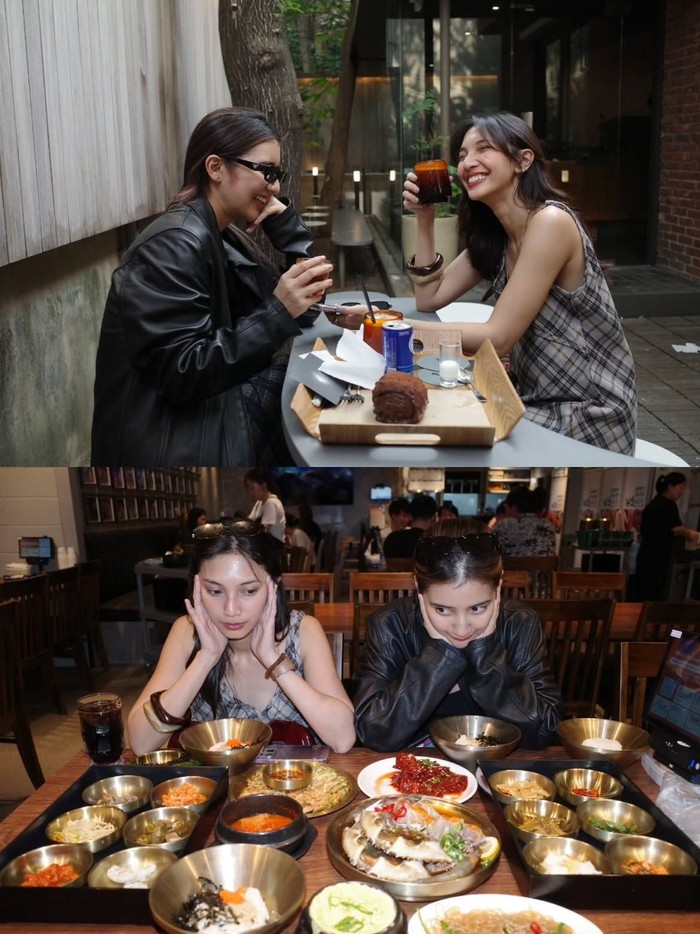
The allure of South Korea as a premier travel destination for Indonesian celebrities remains consistently strong, as evidenced by actress Sheila Dara’s recent summer excursion to Seoul. Throughout August 2026, the 33-year-old performer documented a comprehensive culinary tour across the South Korean capital, shifting the spotlight from her usual film sets to the vibrant, high-calorie food culture of the peninsula. Accompanied by fellow actress and close friend Fita Anggriani, the pair engaged in a series of "mukbang"—a popular South Korean social media phenomenon involving the consumption of large quantities of food—ranging from delicate artisanal pastries to traditional, hearty savory dishes.
Chronology of the Culinary Excursion
Sheila Dara’s journey through South Korea was not merely a leisure trip but a well-curated exploration of the country’s evolving gastronomy. The trip began in early August, with the actress sharing snapshots of her arrival and initial explorations of the city. According to her social media activity, the duo focused on the intersection of modern café culture and traditional Korean dining.
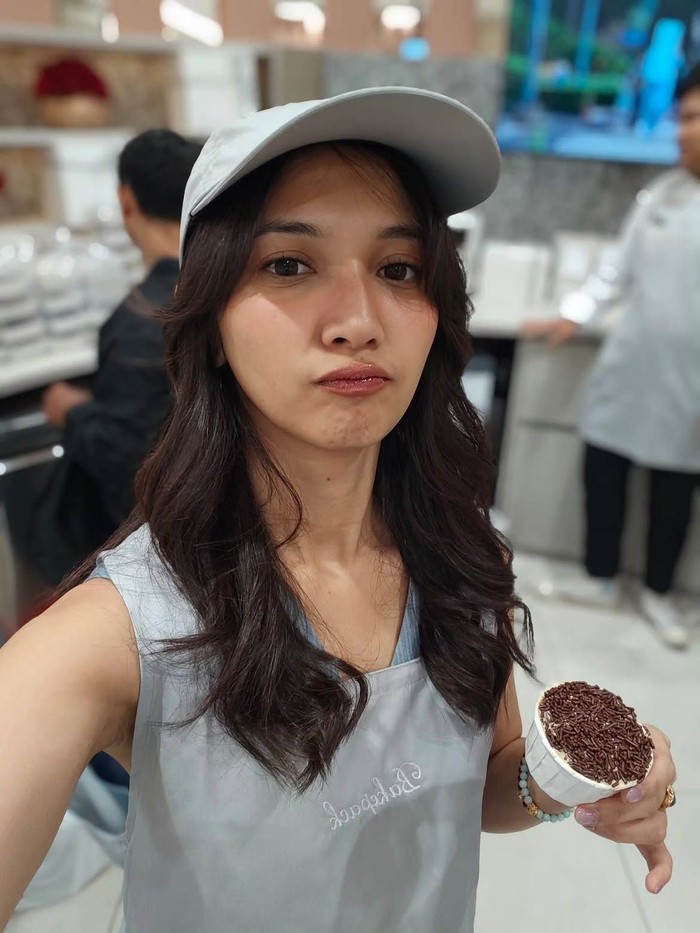
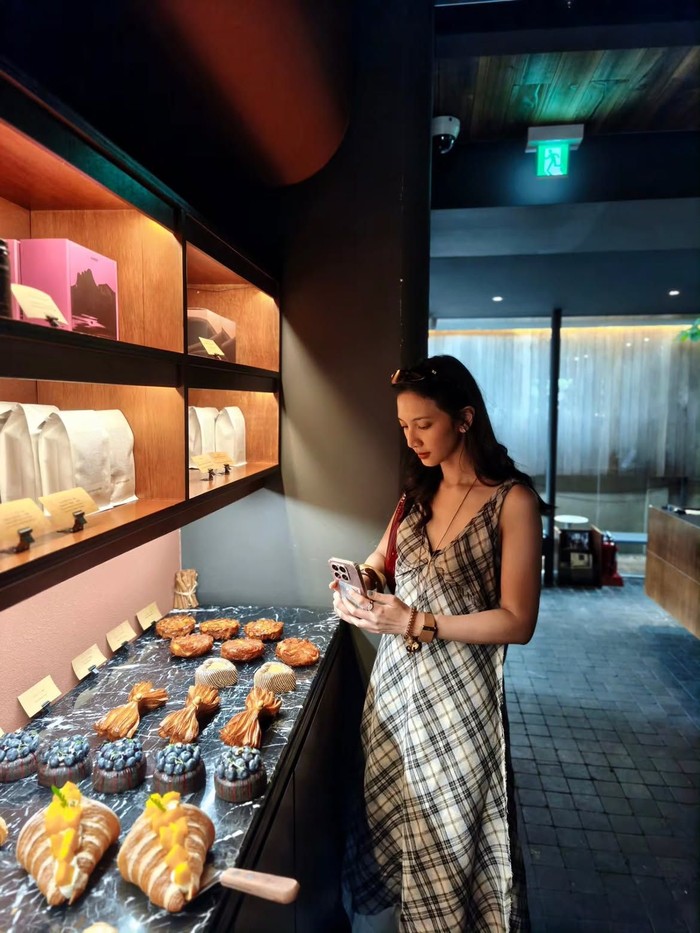
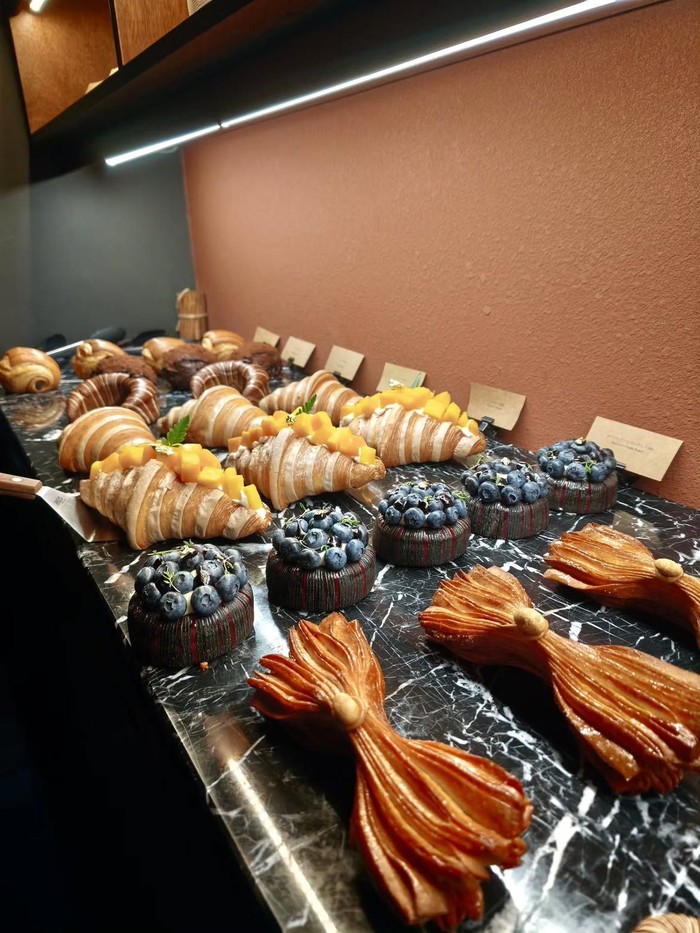
During the first week of their stay, the pair frequented several upscale bakeries in Seoul’s trendy districts. These establishments are part of a broader trend in South Korea, where the "cafe-hopping" culture has become a cornerstone of tourism. Sheila was observed sampling a variety of aesthetically pleasing pastries, including ribbon-shaped doughs, fruit-topped croissants, and signature blueberry-infused delicacies. This phase of their trip highlighted the fusion of French-inspired pastry techniques with local Korean flavor profiles, a segment of the food industry that has seen significant growth in Seoul over the last five years.
By the second week, the focus shifted from light snacking to substantial dining. The actresses moved from the café scene to traditional establishments, where they participated in elaborate meals featuring various banchan (side dishes), hot soups, and tempura. The transition from light pastry snacking to heavy traditional meals reflected a balanced approach to the "mukbang" lifestyle, where the emphasis is placed on the diversity of the culinary experience.
Contextualizing the South Korean Culinary Landscape
The popularity of South Korea as a destination for Indonesian tourists is supported by significant data. According to the Korea Tourism Organization (KTO), the number of Indonesian visitors to South Korea has seen a steady upward trajectory post-2023, bolstered by the global influence of the "Hallyu" wave. Culinary tourism is a major driver, with visitors frequently citing television dramas and social media influencers as the primary motivation for their travel.

The "mukbang" culture, which Sheila Dara actively engaged in, is more than a social media trend; it is a major economic engine. The rise of these food-centric influencers has led to a 15% increase in traffic for local independent restaurants in Seoul, particularly those located in districts such as Gangnam and Seongsu-dong, which are known for their modern, visually appealing food presentations. The café sector, specifically, has seen a compound annual growth rate of approximately 4.2% as of 2026, driven by a younger demographic that values both the taste and the "Instagrammability" of their food.
The Role of Celebrity Influence in Tourism
Sheila Dara’s documentation of her trip serves as a case study for the impact of celebrity travel on local tourism. By sharing high-quality imagery of her dining experiences, she effectively provides peer-to-peer marketing for South Korean food establishments. Industry experts note that when public figures like Sheila Dara—who has a significant following in Indonesia—share their travel itineraries, it often leads to a measurable spike in interest for those specific locations among their followers.
This is not the first time the actress has utilized her platform to highlight Korean travel. In 2025, she conducted a similar trip, which included outdoor picnics in Seoul’s public parks, further solidifying her image as an advocate for the destination. Her continued interest suggests a deep-seated appreciation for the country’s infrastructure for leisure, which combines efficiency, safety, and a world-class culinary environment.
Economic and Cultural Implications
The economic implications of such celebrity-driven tourism are multifaceted. For South Korea, attracting high-profile figures from Southeast Asia helps maintain the country’s status as a top-tier global travel destination. For Indonesia, it highlights the growing middle-class appetite for international travel and cross-cultural food experiences.
Furthermore, the emphasis on "mukbang" and artisanal baking reflects a shifting focus in international tourism, where the destination is no longer just about landmarks or historical sites, but about the "lived experience" of local food culture. The ability to access a wide variety of global cuisines in a localized format—such as French pastry-making techniques adapted to Korean preferences—is a testament to the sophistication of the Seoul food market.
Professional Observations and Trends
From a hospitality management perspective, the establishments visited by the duo represent a shift toward "experience-based consumption." Modern Korean cafés are no longer selling just coffee and bread; they are selling an environment that encourages digital documentation. The presentation of the pastries—often designed with meticulous detail—is intended to be shared, which creates a viral loop that brings in more international patrons.
Additionally, the reliance on banchan in their traditional meals highlights the nutritional and cultural depth of Korean cuisine. The inclusion of fermented vegetables and various proteins is a staple that continues to gain popularity globally, aligning with the international trend toward healthier, gut-friendly food options.
Broader Impact on Travel Narratives
The narrative of Sheila Dara’s trip effectively mirrors the broader travel trends of 2026. Travelers are increasingly prioritizing "slow travel" in urban environments—spending significant time in one city to fully explore its culinary nuances rather than rushing through multiple cities. This approach allows for a deeper appreciation of the local lifestyle and supports smaller, family-owned businesses that characterize many of Seoul’s dining neighborhoods.
As international travel continues to evolve, the intersection of digital media and gastronomy will likely become even more pronounced. Figures like Sheila Dara, who provide an authentic look at their travels, play a crucial role in shaping the expectations and itineraries of future travelers. By bridging the gap between Indonesian culture and the South Korean culinary scene, she contributes to a broader regional trend of cultural exchange through food.
In conclusion, Sheila Dara’s recent travels underscore the enduring appeal of South Korea as a cultural and culinary hub. Her journey from the delicate, artistic world of Seoul’s modern bakeries to the robust, tradition-filled tables of local restaurants serves as a microcosm of the modern travel experience—one that is deeply personal, highly visual, and centered on the universal language of food. As she returns to her professional commitments, the digital footprint of her trip remains, serving as a guide and inspiration for many who look toward South Korea not just for its entertainment industry, but for its diverse and ever-evolving plate.