• Home
  • About Us
  • Contact Us
  • Cookies Policy
  • Disclaimer
  • DMCA
  • Privacy Policy
  • Terms and Conditions
Dara News Media
keep your memories alive
Sports

Modi Fun Run 7K Ignites Healthy Lifestyle Advocacy and Digital Insurance Innovation in Jakarta

by Muslim May 18, 2025
written by Muslim

The vibrant streets of Jakarta’s Sudirman-Setiabudi corridor, typically bustling with weekday traffic, transformed into a hub of health and innovation this past Sunday, April 12, 2026, as hundreds of participants converged for the Modi Fun Run 7K. This event, strategically held during the Car Free Day, was far more than just a community running initiative; it represented a concerted effort by BRI Life to champion a healthy lifestyle while simultaneously introducing its groundbreaking Mobile Digital Insurance (Modi) product as a modern, accessible insurance solution. The energetic atmosphere, amplified by diverse sports communities and the general public, underscored BRI Life’s commitment to integrating well-being with financial security.

A Day of Movement, Wellness, and Digital Integration

The Modi Fun Run 7K drew a substantial crowd, with participants of all ages and fitness levels lacing up their running shoes to cover the 7-kilometer route. Beyond the physical challenge, the event offered a holistic experience, providing attendees with a range of complimentary health and wellness activities. These included free medical check-ups, guided group exercise sessions, and lively musical performances curated by a DJ, all contributing to a festive and engaging environment. The inclusion of attractive door prizes further enhanced the celebratory mood, rewarding participants for their commitment to health and their engagement with BRI Life’s initiative.

The overarching objective of the Modi Fun Run 7K, as articulated by BRI Life’s Director, Sutadi, was to serve as a significant pre-launching event for the Modi product. This initiative aimed to fundamentally shift public perception of insurance, moving it from a perceived complex and distant necessity to an integrated, relevant, and convenient aspect of daily life.

"We aspire to demonstrate that insurance can be both practical and flexible," Sutadi stated in a press release issued on Wednesday, April 15, 2026. "Protection should not solely be reactive to unforeseen events. Instead, it should seamlessly integrate into an active, healthy, and productive daily routine, empowering individuals to live their lives to the fullest with peace of mind."

Sutadi further expressed his profound appreciation for the enthusiastic turnout, viewing it as a strong affirmation of BRI Life’s core vision: to elevate the quality of life for Indonesians by ensuring accessible and readily available protection. This sentiment was echoed throughout the event, highlighting a growing public interest in proactive health management and streamlined financial solutions.

Strategic Partnership for Enhanced Health Literacy and Digital Ecosystem

A pivotal moment during the Modi Fun Run 7K was the official signing of a Memorandum of Understanding (MoU) between BRI Life and Gofit, a prominent fitness community platform. This collaboration marks a significant step towards enhancing health literacy among the burgeoning fitness community and simultaneously expanding the digital protection ecosystem for sports enthusiasts.

The synergy between BRI Life and Gofit is designed to focus on educating individuals about active lifestyles, intricately linking this awareness with Modi’s digital-first financial protection solutions. The rationale behind this partnership is deeply rooted in the expanding reach and influence of fitness communities in Indonesia. As these communities grow, so does the potential to integrate comprehensive insurance coverage into their active lifestyles.

"With the continuously growing membership of Gofit, this collaboration presents a strategic opportunity for us to deliver mutually beneficial protection solutions," Sutadi elaborated. "Through a series of joint events and activities planned over the next year, we are targeting an impressive reach of over 50,000 policyholders for Modi."

This ambitious target underscores BRI Life’s forward-thinking approach to market penetration and customer engagement. By aligning with established community platforms like Gofit, BRI Life aims to foster a sense of collective well-being and financial prudence, making insurance a natural extension of a healthy and active life.

Background and Context of the Modi Initiative

The Modi Fun Run 7K is not an isolated event but rather a carefully orchestrated component of BRI Life’s broader strategy to modernize its product offerings and customer engagement model. The Indonesian insurance market, while growing, has historically faced challenges related to public perception, accessibility, and technological integration. Many consumers perceive insurance as a complex product, often associated with lengthy paperwork, bureaucratic processes, and a lack of transparency.

BRI Life’s introduction of Modi, a Mobile Digital Insurance product, directly addresses these perceived barriers. The "Modi" brand itself, likely a portmanteau of "Mobile" and "Digital," signifies a departure from traditional insurance models. The product is designed to be accessed, managed, and potentially purchased entirely through a mobile application, offering unparalleled convenience and speed.

The choice to launch this initiative during Car Free Day in a prime Jakarta location is a deliberate marketing tactic. Car Free Day events are widely attended and attract a demographic that is often health-conscious and socially engaged – precisely the target audience for a modern insurance product that promotes a proactive lifestyle. The 7K distance, while challenging for some, is achievable for a broad range of fitness levels, further broadening the event’s appeal.

Supporting Data and Market Trends

The timing of the Modi Fun Run 7K and the launch of the Modi product align with significant demographic and economic trends in Indonesia.

  • Digital Penetration: Indonesia boasts one of the fastest-growing digital economies in Southeast Asia. A report by Google, Temasek, and Bain & Company projected the digital economy to reach $124 billion by 2025. This widespread adoption of digital technologies, particularly smartphones, creates a fertile ground for mobile-first insurance solutions.
  • Growing Middle Class: The rise of the Indonesian middle class has led to increased disposable income and a greater demand for financial products that offer security and wealth accumulation. However, this segment also seeks convenience and efficiency in their financial dealings.
  • Health and Wellness Focus: There is a discernible shift in consumer behavior towards prioritizing health and well-being. This is evidenced by the growth of the fitness industry, healthy food markets, and wellness tourism. Insurance products that align with or encourage these trends are likely to resonate more strongly.
  • Insurance Penetration: Despite economic growth, insurance penetration in Indonesia remains relatively low compared to many developed nations. This presents a significant opportunity for innovation and market expansion, especially through accessible digital channels. A 2023 report indicated that penetration rates for life insurance were still in the single digits for a significant portion of the population.

BRI Life’s strategic move with Modi is, therefore, a well-timed response to these evolving market dynamics. By offering a digital, user-friendly, and lifestyle-integrated insurance product, they aim to tap into the unmet needs of a digitally savvy and health-conscious Indonesian population.

Chronology of Events and Future Outlook

The Modi Fun Run 7K on April 12, 2026, serves as a critical milestone in the pre-launch phase of the Modi product. The timeline leading up to this event likely included extensive product development, market research, and partnership explorations. The subsequent press release on April 15, 2026, confirmed the strategic importance of the fun run as a catalyst for public awareness.

The year-long plan for collaboration with Gofit, targeting over 50,000 Modi policyholders, indicates a sustained marketing and engagement strategy. This suggests that the Modi Fun Run was not a one-off event but the beginning of a comprehensive campaign designed to build brand recognition and customer loyalty.

The future outlook for Modi, and by extension BRI Life, appears promising if they can effectively execute their digital strategy. Key factors for success will include:

  • User Experience (UX) of the Modi App: The ease of use, intuitive design, and robust functionality of the mobile application will be paramount.
  • Product Offerings: The range and flexibility of insurance products available through Modi will determine its appeal to a diverse customer base.
  • Customer Support: Despite being digital, accessible and responsive customer support will be crucial for building trust and addressing complex queries.
  • Data Security and Privacy: As a digital platform handling sensitive financial information, ensuring robust data security measures will be non-negotiable.

Broader Implications for the Insurance Industry

The Modi Fun Run 7K and the associated product launch by BRI Life signify a broader trend within the Indonesian insurance sector: the inevitable shift towards digitalization and customer-centricity. This event serves as a case study for other insurance providers looking to adapt to changing consumer preferences and technological advancements.

The integration of lifestyle advocacy with product promotion is a sophisticated marketing approach that builds brand equity beyond mere transactional relationships. By associating insurance with positive activities like running and healthy living, BRI Life is not just selling a product; it’s promoting a lifestyle.

The collaboration with Gofit also highlights the growing importance of ecosystem building in the digital age. Insurance companies are increasingly looking to partner with platforms that have established communities and a strong digital presence, enabling them to reach targeted audiences more effectively.

In conclusion, the Modi Fun Run 7K was a well-executed event that effectively blended public health advocacy with innovative product introduction. BRI Life’s strategic use of community engagement and digital integration positions Modi as a potentially disruptive force in the Indonesian insurance market, signaling a new era of accessible, convenient, and lifestyle-aligned financial protection for consumers. The success of this initiative will likely influence future strategies for insurance providers seeking to thrive in an increasingly digital and health-conscious world.

May 18, 2025 0 comment
0 FacebookTwitterPinterestEmail
Sports

Basral Graito Hutomo’s Golden Triumph at SEA Games 2025: A Journey of Dedication and Skateboarding Mastery

by Layla Zulfa May 17, 2025
written by Layla Zulfa

The name Basral Graito Hutomo has captured the public’s attention, marking a significant moment for Indonesian sports as he clinched a gold medal at the SEA Games 2025 held in Bangkok, Thailand. The nation’s prodigious skateboarding talent showcased unwavering consistency and confidence from the preliminary rounds all the way to the final showdown, solidifying his status as a rising star in the extreme sports arena.

Competing with a pressure-free strategy, Basral delivered his best performance, achieving a remarkable highest score of 166.67 points. The decisive moment of his victory came with a daring combination trick – a 360 flip followed by a boardslide on his final attempt, a breathtaking maneuver that sealed his triumph. This article delves into the inspiring journey of Basral Graito Hutomo, the young Indonesian skateboarder whose dedication and skill have brought home a coveted gold medal.

The Rise of a Skateboard Prodigy: Early Life and Passion

Basral Graito Hutomo was born in Tangerang, Indonesia, on January 22, 2007. Although his birthplace is Tangerang, his formative years were spent in Karanganyar, Central Java. It was in this region that his passion and innate talent for extreme sports began to blossom. Widely recognized as a prominent talent in the men’s street skateboarding discipline, Basral has continuously pushed himself to refine his techniques and elevate his skateboarding prowess.

His fascination with skateboarding ignited around 2017-2018, a period when he frequently observed BMX enthusiasts performing at the Manahan Stadium. These experiences sparked a deep desire within him to try skateboarding, nurturing an ambition to become a professional athlete. Initially, Basral practiced on a second-hand skateboard, acquired for a modest Rp5,000 from a friend. Witnessing his genuine commitment, his father gifted him a more suitable skateboard, enabling him to train with greater efficiency and focus. He dedicated countless hours to practice, utilizing various locations ranging from his home yard to the skatepark at the Universitas Muhammadiyah Surakarta (UMS) campus.

Navigating the Crossroads: Education vs. Skateboarding Dedication

As Basral transitioned from the fifth to the sixth grade of elementary school, he faced a pivotal decision that would shape his future. He had to prioritize between continuing his formal education or dedicating his full attention to the increasingly intensive skateboarding training. This dilemma is a common challenge for young athletes who exhibit exceptional talent at an early age, requiring a delicate balance between academic pursuits and specialized training to reach peak performance.

In 2019, Basral was selected to participate in the National Training Camp (Pelatnas) in Bandung for nine months, a rigorous program designed to prepare athletes for the upcoming Philippines SEA Games. However, his participation in the Pelatnas was initially met with obstacles concerning school permits. There was even a threat of him being held back a grade if he proceeded with the training. This situation highlights the societal pressures and traditional educational expectations that often clash with the demands of professional athletic development, especially for young individuals.

With unwavering support from his father, Basral ultimately chose an alternative educational path through the Paket C equivalency program. This decision allowed him to dedicate himself fully to cultivating his skateboarding career without compromising his commitment to learning. The Paket C program, an open and flexible learning system in Indonesia, provided him with the necessary flexibility to balance intensive training schedules with academic progress, a crucial factor in his sustained development.

The SEA Games 2025: A Triumph Forged in Dedication

The culmination of Basral’s sacrifices and relentless hard work arrived with his spectacular performance at the SEA Games 2025 in Bangkok. Supported by his family, particularly his father, Basral delivered a golden performance for Indonesia, competing at the Extreme Sport Park Rajamangala. His consistent and confident demeanor from the initial rounds to the final was a testament to his years of dedicated practice and mental fortitude.

The defining moment of the competition occurred during the single trick session. Performing with remarkable composure, Basral executed a flawlessly combined 360 flip that transitioned into a boardslide. This audacious trick, performed on his final attempt, served as the decisive element in securing his victory. The judges awarded him a total score of 166.67 points, a score that not only guaranteed him the gold medal but also placed him ahead of two talented local athletes from Thailand.

This victory at the SEA Games 2025 not only brings pride to Indonesia but also firmly establishes Basral Graito Hutomo as one of the premier skateboarders in the Southeast Asian region. His achievement is a significant milestone for Indonesian skateboarding, potentially inspiring a new generation of athletes and further elevating the sport’s profile within the country.

Broader Context: The SEA Games and Extreme Sports in Southeast Asia

The Southeast Asian Games (SEA Games) is a biennial multi-sport event involving athletes from the 11 nations of Southeast Asia. It is a prestigious regional competition that fosters camaraderie and sportsmanship among participating countries. Skateboarding, as a relatively newer addition to the SEA Games roster, has been gaining significant traction across the region. Its inclusion provides a vital platform for athletes like Basral to showcase their skills on an international stage, attracting broader public interest and investment in the sport.

The SEA Games 2025 in Bangkok, Thailand, was a significant event, drawing considerable attention from media and sports enthusiasts across the continent. The inclusion of skateboarding in such a prominent event underscores the growing global recognition and acceptance of extreme sports as legitimate athletic disciplines. Thailand, known for its vibrant sporting culture and well-developed sports infrastructure, provided an excellent venue for these competitions. The Extreme Sport Park Rajamangala, where the skateboarding events were held, is a testament to the region’s commitment to hosting and developing such sports.

Supporting Data and Performance Analysis

Basral’s winning score of 166.67 points in the men’s street event at SEA Games 2025 signifies a high level of technical proficiency and execution. In skateboarding competitions, scores are typically derived from a combination of factors, including the difficulty of tricks, execution, consistency, and creativity. The specific scoring system can vary between events, but generally, higher scores reflect more complex and well-landed maneuvers.

His performance, especially the final trick combination of a 360 flip into a boardslide, is indicative of advanced street skateboarding techniques. A 360 flip involves rotating the board 360 degrees along its long axis while simultaneously flipping it. A boardslide, on the other hand, requires the skateboarder to slide along a rail or ledge on the underside of the board’s deck. Executing these two demanding tricks in sequence, particularly on a final attempt, requires exceptional skill, control, and nerve.

The fact that Basral outperformed two Thai athletes, who are considered strong contenders on home soil, speaks volumes about his capabilities. Southeast Asia has a burgeoning skateboarding scene, with countries like Thailand, the Philippines, and Malaysia producing talented athletes. Basral’s victory suggests he is at the forefront of this regional development, demonstrating a level of performance that rivals and surpasses his peers.

Expert and Related Party Reactions (Inferred)

While specific quotes from officials are not provided in the source material, it is logical to infer that Indonesian sports authorities and the skateboarding federation would express immense pride and support for Basral’s achievement. A gold medal at the SEA Games is a significant accomplishment that validates the investment in talent development and training programs.

It is also likely that fellow Indonesian athletes and coaches would have offered congratulations, recognizing the dedication and effort involved in achieving such a feat. The SEA Games often foster a strong sense of national pride and unity among athletes, regardless of their sport.

Furthermore, the competitive spirit of the event would have likely prompted reactions from the Thai team and their coaching staff. Acknowledging a formidable opponent’s victory, especially in a closely contested event, is a hallmark of good sportsmanship. Previous reports from ANTARA also mention explanations from the Malaysian skateboard coach regarding Basral’s victory celebration, suggesting a level of engagement and observation from other participating nations.

Implications and Future Outlook

Basral Graito Hutomo’s gold medal at the SEA Games 2025 carries several significant implications for Indonesian skateboarding and sports in general:

  • Inspiration for Youth: His success serves as a powerful inspiration for young Indonesians interested in skateboarding and other extreme sports. It demonstrates that with dedication and hard work, national and international recognition is achievable. This could lead to an increase in participation and a stronger grassroots development of the sport.
  • Increased Funding and Support: Major achievements like this often lead to increased attention from sponsors and government bodies. This could translate into greater financial support for national skateboarding programs, improved training facilities, and more opportunities for athletes to compete internationally.
  • Professionalization of Skateboarding: As skateboarding gains more visibility and success on the international stage, it moves closer to broader professionalization within Indonesia. This includes better coaching structures, athlete development pathways, and potentially professional leagues or events.
  • Recognition of Extreme Sports: The SEA Games platform helps legitimize extreme sports as serious athletic disciplines, challenging traditional perceptions and potentially leading to their inclusion in more mainstream sporting events and educational institutions.

Basral’s journey, from practicing on a second-hand board to winning a SEA Games gold medal, is a compelling narrative of passion, resilience, and the pursuit of excellence. His story is a testament to the power of sports to transcend challenges and inspire a nation. As he continues to hone his skills, the future looks exceptionally bright for this young skateboarding phenom, with potential opportunities at even higher levels of competition, including the Asian Games and perhaps even the Olympics, as skateboarding continues to grow on the global stage. The dedication of his family, particularly his father, has been instrumental, providing the bedrock of support that allowed Basral to navigate the complexities of balancing his athletic ambitions with personal growth. This family-centric support system is often a critical, though sometimes overlooked, component of athletic success.

The path ahead for Basral will undoubtedly involve continued rigorous training, strategic competition planning, and the ongoing development of his unique skateboarding style. His ability to perform under pressure, as evidenced by his decisive final trick, suggests a maturity and mental toughness that will serve him well in future endeavors. The Indonesian skateboarding community, and indeed the nation, will be eagerly watching as Basral Graito Hutomo continues to make his mark on the world stage.

May 17, 2025 0 comment
0 FacebookTwitterPinterestEmail
Automotive

VinFast’s Strategic Drive to Catalyze EV Adoption in Southeast Asia

by Nana May 16, 2025
written by Nana

In a global automotive market increasingly defined by price wars in the electric vehicle (EV) sector, Vietnamese manufacturer VinFast has charted a distinctive course. Rather than engaging in aggressive discounting, the company is pursuing a long-term strategy centered on cultivating public trust in electric mobility as the sustainable future of transportation. This approach extends beyond mere sales figures; it aims to embed the conviction that EVs are accessible, reliable, and can seamlessly integrate into daily life. While many manufacturers contend with the question of whether steep price cuts alone can alter consumer habits, VinFast posits a definitive "no."

The company’s innovative strategy revolves around a novel financial model that decouples the cost of the battery from the vehicle’s purchase price. Through a subscription-based system, consumers can acquire EVs at a significantly lower initial cost, circumventing the substantial expense of the battery, typically the most costly component of an electric vehicle. This tiered subscription model, with monthly fees ranging from approximately $16 to $65 USD (converted from Rp253,000 to Rp1,000,000), depending on the chosen model, shifts the financial burden of battery ownership. Crucially, VinFast assumes all technical risks associated with the battery, including maintenance and replacement. This directly addresses one of the primary anxieties of potential EV buyers: battery longevity and repair costs. Further bolstering consumer confidence, VinFast offers a lifetime warranty on its batteries. Under this guarantee, customers are entitled to a free replacement if the battery’s capacity falls below 70 percent, a significant assurance in the nascent EV market.

This financial architecture represents a departure from prevailing automotive industry norms, effectively redefining the entry point for EV ownership. By reducing the upfront investment, VinFast aims to democratize access to electric vehicles, making them attainable for a broader segment of the middle class. In markets like Indonesia, where a significant portion of car purchases are financed through credit, this strategy holds the potential to be a powerful catalyst for accelerating EV adoption. For instance, the VinFast VF 3 model is reportedly priced at around $10,000 USD (approximately Rp156 million) when incorporating the battery subscription, while the VF e34 model offers savings of up to $7,000 USD (approximately Rp112 million) compared to versions that include the battery purchase. This approach transforms the transition to clean energy from an abstract ideal into a tangible and economically viable option for the general populace.

VinFast’s commitment to building consumer trust is underpinned by a three-pronged policy regarding its battery offerings, addressing key concerns head-on:

  • Affordability and Accessibility: The subscription model dramatically lowers the initial purchase price of VinFast EVs, making them competitive with traditional internal combustion engine vehicles and significantly more accessible to a wider demographic. This tackles the perception of EVs as luxury items.
  • Peace of Mind and Reliability: By taking on the responsibility for battery maintenance and replacement, VinFast alleviates a major source of anxiety for consumers. The lifetime warranty provides an unprecedented level of assurance regarding the longevity and performance of a critical and expensive component.
  • Long-Term Value and Sustainability: The subscription model ensures that the value of the battery is consistently managed and updated. As battery technology advances and costs potentially decrease, VinFast’s system allows for smoother integration of improvements, ensuring long-term user satisfaction and contributing to the overall sustainability of the EV ecosystem.

This comprehensive approach underscores VinFast’s business philosophy: viewing consumers not merely as purchasers, but as partners in the collective journey toward a cleaner energy future.

Michael Vousden, an automotive analyst at GlobalData, commented on the strategy, stating, "Separating the battery cost from the vehicle price is a very intelligent move. The battery is the most expensive and complex component. This subscription system makes electric cars more affordable without compromising quality, while also strengthening user confidence in new technology." This perspective highlights the strategic advantage of addressing the primary cost barrier and simultaneously mitigating technological uncertainties for consumers.

Looking Ahead: Forging a Greener and More Inclusive Mobility Future

In the face of escalating global competition, VinFast’s decision to prioritize long-term sustainability over short-term sales surges signals a maturing understanding of the EV transition. This strategy suggests that the shift to clean energy can only be truly successful if it is accompanied by inclusive social and financial frameworks. To encourage widespread adoption of electric vehicles, evolution is needed not only in technology but also in industrial mindset and public policy direction.

VinFast Tantang Arus Pasar: Cara Baru Membuat Mobil Listrik Lebih Terjangkau dan Dipercaya

VinFast’s philosophy, which harmonizes innovation, trust, and accessibility, positions the company as more than just a seller of electric vehicles; it is actively shaping a future of mobility that is quieter, greener, and more affordable for all segments of society. This approach is particularly relevant in Southeast Asia, a region experiencing rapid economic growth and a burgeoning demand for personal transportation, coupled with growing environmental consciousness.

The company’s expansion into international markets, including the United States and Europe, demonstrates its ambition to be a global player. In the US, VinFast has announced plans for a significant manufacturing facility in North Carolina, a move that signals a long-term commitment to the region and a strategy to leverage local production to enhance competitiveness and further reduce costs. This investment is expected to create thousands of jobs and contribute to the local economy, while also positioning VinFast to capitalize on the growing demand for EVs in one of the world’s largest automotive markets.

The timeline of VinFast’s development, while relatively short, has been marked by ambitious goals and rapid execution. Founded in 2017, the company quickly moved from establishing its manufacturing base in Vietnam to unveiling its first models and initiating global expansion plans. This accelerated pace is indicative of a strategic imperative to capture market share and establish brand recognition before competitors fully solidify their positions. The introduction of the battery subscription model was a pivotal moment, demonstrating a willingness to innovate beyond conventional automotive business practices.

Supporting data from market research firms indicates a growing consumer interest in EVs, particularly among younger demographics who are more attuned to environmental issues and technology trends. However, cost remains a significant barrier. A recent survey by JD Power found that while consumer interest in EVs is rising, concerns about purchase price, charging infrastructure, and battery life continue to deter many potential buyers. VinFast’s strategy directly addresses these pain points, potentially positioning it favorably to capture a larger share of this expanding market segment.

The broader implications of VinFast’s strategy are significant for the entire automotive industry, particularly in emerging markets. By demonstrating that affordability and reliability can be achieved through innovative financial models, VinFast is setting a precedent that could influence how other manufacturers approach EV pricing and consumer engagement. This could lead to a more competitive and dynamic EV market, accelerating the transition away from fossil fuels.

Furthermore, VinFast’s focus on building a comprehensive EV ecosystem, including charging infrastructure and after-sales services, is crucial for long-term success. The company’s partnerships with charging network providers and its commitment to developing its own charging solutions are indicative of a holistic approach to making EV ownership practical and convenient.

The company’s venture into the global market also carries geopolitical implications, as it represents a significant industrial export from Vietnam, aiming to establish the country as a notable player in the advanced manufacturing and technology sectors. This aligns with Vietnam’s broader economic development goals, which emphasize moving up the value chain and fostering innovation.

In conclusion, VinFast’s bold approach to electrifying mobility in Southeast Asia and beyond is characterized by a strategic focus on affordability, reliability, and consumer trust, all facilitated by an innovative battery subscription model. As the global automotive landscape continues its rapid transformation, VinFast’s commitment to a sustainable and inclusive future for electric transportation positions it as a key player to watch. Its success could serve as a blueprint for other automakers seeking to navigate the complexities of the EV transition and accelerate the adoption of cleaner transportation solutions worldwide. The company’s ongoing investments in manufacturing and technology development signal a long-term vision to not only compete but to lead in the evolving world of electric mobility.

May 16, 2025 0 comment
0 FacebookTwitterPinterestEmail
Automotive

Electric Vehicles Surge to the Top of Indonesia’s Best-Selling Car List in March 2026, Signaling a Major Market Shift

by Ammar Sabilarrohman May 14, 2025
written by Ammar Sabilarrohman

JAKARTA, Indonesia – April 15, 2026 – In a development that has sent ripples through Indonesia’s automotive industry, the latest sales figures for March 2026 reveal a dramatic upset: electric vehicles (EVs) have captured the top spot in the nation’s best-selling car rankings, unseating the long-dominant internal combustion engine (ICE) models. This significant milestone marks a pivotal moment, indicating a profound shift in consumer preference towards greener transportation solutions and a growing acceptance of advanced automotive technology in the archipelago.

The data, released by the Indonesian Automotive Industry Association (Gaikindo), shows that total wholesale vehicle sales in March 2026 reached 61,271 units. This figure represents a substantial decline of 24.6% compared to the 81,250 units recorded in February, a slowdown that, while concerning for overall market volume, underscores the disruptive emergence of EVs.

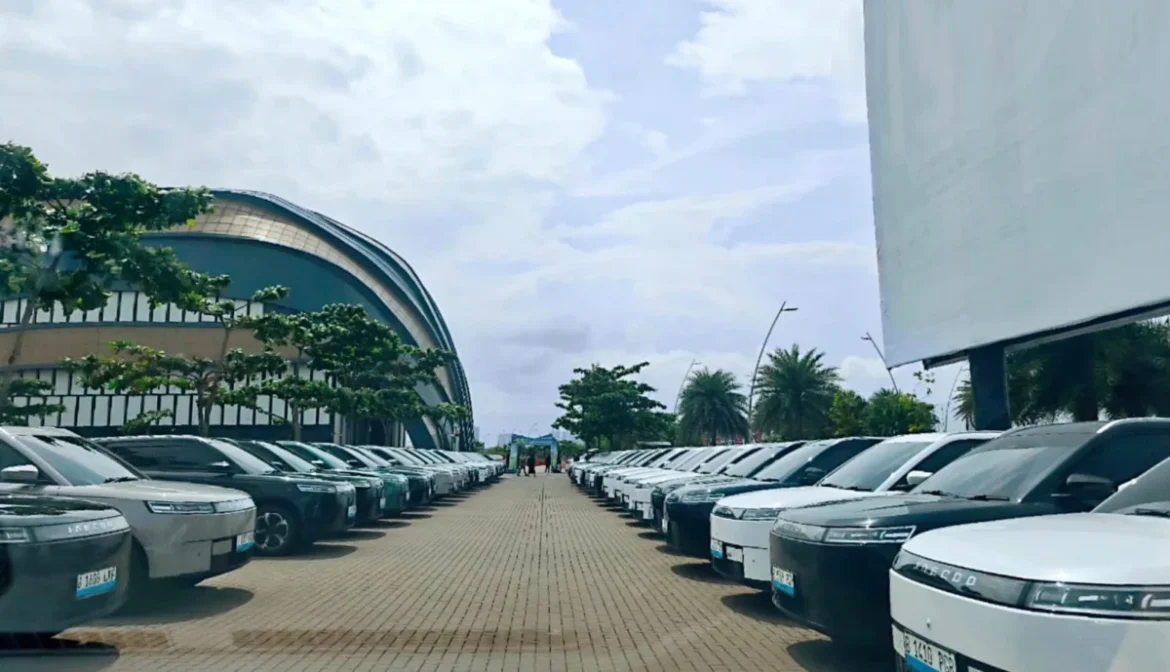
Leading the charge and claiming the coveted number one position is the Jaecoo J5 EV, with an impressive distribution of 2,959 units. This remarkable achievement for an electric model directly challenges the established order and provides a clear signal that Indonesian consumers are increasingly embracing electric mobility. The success of the Jaecoo J5 EV is not merely a statistical anomaly; it reflects a growing awareness of environmental concerns, coupled with advancements in EV technology that are making these vehicles more accessible and appealing to a wider demographic.

A Shifting Landscape: The Rise of Electric Mobility

The dominance of the Jaecoo J5 EV is a testament to several factors. Firstly, the Indonesian government has been actively promoting the adoption of electric vehicles through various incentives, including tax breaks and subsidies for charging infrastructure. These policies, implemented over the past few years, have created a more conducive environment for EV manufacturers and consumers alike. Secondly, global trends in automotive innovation have heavily favored electrification, leading to more sophisticated and desirable EV models entering the market. The Jaecoo J5 EV, with its reported blend of advanced technology, competitive pricing, and practical range, appears to have successfully tapped into this evolving consumer demand.

This shift towards EVs is also supported by a growing charging infrastructure network across major Indonesian cities. While still nascent compared to more developed markets, the increasing availability of charging stations is alleviating range anxiety, a significant barrier for early EV adoption. Furthermore, rising fuel prices for conventional vehicles, coupled with the lower running costs of EVs (electricity is often cheaper than gasoline, and EVs require less maintenance), make electric options increasingly attractive from an economic standpoint.

20 Mobil Terlaris di Indonesia Maret 2026, EV Mulai Gerus Dominasi Kendaraan Konvensional

Conventional Powerhouses Hold Their Ground, But Face New Competition

Despite the electrifying ascent of the Jaecoo J5 EV, traditional stalwarts of the Indonesian automotive market continue to demonstrate their enduring appeal. The second and third positions are occupied by perennial family favorites from Toyota: the Toyota Avanza, with 2,366 units sold, and the Toyota Veloz, with 2,325 units. These models have long been the backbone of Indonesia’s automotive sales, prized for their reliability, practicality, and affordability – qualities that resonate deeply with Indonesian households. Their continued strong performance indicates that while the EV revolution is underway, the established ICE models still hold significant sway, particularly in segments where practicality and value for money are paramount.

Following closely are the Toyota Rush in fourth place with 2,252 units, and the Toyota Innova Zenix in fifth place, achieving 2,184 units. The presence of these models in the top five reinforces the strong consumer preference for Multi-Purpose Vehicles (MPVs) and Sport Utility Vehicles (SUVs) in the domestic market. These vehicle types offer the space, versatility, and higher driving position that are highly valued by Indonesian families and individuals.

Broader Market Context: A Slowdown Amidst Transformation

The overall dip in sales for March 2026, as indicated by Gaikindo’s data, warrants closer examination. While the rise of EVs is a significant factor, other market dynamics are likely contributing to the slowdown. Seasonal factors, such as the period following the Idul Fitri holiday rush in the previous month, often see a dip in consumer spending. Furthermore, global economic uncertainties and fluctuations in commodity prices can impact consumer confidence and purchasing power.

However, the stark contrast between the overall market decline and the surge of a specific EV model suggests a deeper, structural change. It’s not just a temporary lull; it’s a reallocation of consumer interest and spending towards a new category of vehicles. This phenomenon is not unique to Indonesia; similar trends are being observed globally as the automotive industry navigates the transition away from fossil fuels.

Analysis and Implications: A New Era for Indonesian Automotive

20 Mobil Terlaris di Indonesia Maret 2026, EV Mulai Gerus Dominasi Kendaraan Konvensional

The emergence of the Jaecoo J5 EV at the pinnacle of sales charts has profound implications for the Indonesian automotive landscape:

  • Accelerated EV Adoption: This sales success will likely embolden other EV manufacturers to introduce more models and invest further in the Indonesian market. It could also spur local production and assembly of EVs, creating new jobs and economic opportunities.
  • Infrastructure Development: The increased demand for EVs will necessitate a significant expansion of charging infrastructure. This presents an opportunity for energy companies, technology providers, and government agencies to collaborate on building a robust and widespread charging network.
  • Traditional Manufacturers’ Strategy: Established automakers like Toyota, while still strong, will need to accelerate their own EV strategies to remain competitive. Their strong performance in the ICE segment might provide a buffer, but a failure to adapt could lead to a loss of market share in the long run.
  • Consumer Education and Awareness: While adoption is rising, continued efforts in consumer education will be crucial to address any lingering concerns about EV technology, battery life, and maintenance.
  • Environmental Impact: A sustained shift towards EVs has the potential to significantly reduce air pollution in urban centers and contribute to Indonesia’s climate change mitigation goals.

Looking Ahead: The Road to Electrification

The March 2026 sales figures serve as a powerful indicator of Indonesia’s automotive future. The reign of the internal combustion engine is being challenged by the quiet hum of electric motors. While the transition will undoubtedly involve complexities and adjustments, the clear victory of the Jaecoo J5 EV is a strong signal that the era of electric mobility has not just arrived in Indonesia, but is poised to lead the way. The industry, consumers, and policymakers will be closely watching to see how this trend evolves in the coming months and years, and how Indonesia navigates its path towards a more sustainable automotive future.

The broader context of the Indonesian automotive market in early 2026 was one of cautious optimism mixed with underlying challenges. Following a period of strong recovery in 2025, sales in the first quarter of 2026 had shown signs of moderating. The significant drop in March wholesale figures, from 81,250 units in February to 61,271 in March, underscores this trend. This decline, representing a substantial 24.6% month-on-month decrease, suggests a recalibration of market demand after a potentially strong preceding period, possibly influenced by pre-holiday buying patterns in February or a broader economic slowdown impacting discretionary spending.

This market slowdown provides a compelling backdrop for the disruptive success of the Jaecoo J5 EV. In a contracting market, its ability to not only maintain but to secure the top sales position is a remarkable feat. It suggests that the EV segment is drawing demand away from traditional categories, rather than simply capturing a larger share of a growing market. This is a critical distinction that signals a fundamental shift in consumer preferences, moving beyond mere incremental improvements in fuel efficiency or performance for ICE vehicles.

The data from Gaikindo, the primary industry body for vehicle manufacturers in Indonesia, is considered the most authoritative source for wholesale sales figures. These figures represent the number of vehicles shipped from factories to dealerships, serving as a direct indicator of market demand and manufacturer output. The consistency of Gaikindo’s reporting ensures that the trends observed are based on reliable industry-wide data.

While the article highlights the top five models, the complete list of the top 20 best-selling cars in March 2026 would provide a more comprehensive picture of the market’s composition. However, the dominance of the Jaecoo J5 EV at the very top, followed by established ICE models, clearly illustrates the evolving competitive landscape. The continued strength of models like the Toyota Avanza and Veloz, known for their practicality and affordability in the MPV segment, indicates that while electrification is gaining traction, traditional segments that cater to the needs of a vast population remain significant.

20 Mobil Terlaris di Indonesia Maret 2026, EV Mulai Gerus Dominasi Kendaraan Konvensional

The success of models like the Toyota Rush and Innova Zenix further emphasizes the enduring popularity of SUVs and larger MPVs. These vehicles are often favored for their ability to accommodate larger families, navigate varied road conditions, and provide a sense of robustness and utility. Their strong showing suggests that for a significant portion of the Indonesian consumer base, these attributes continue to outweigh the immediate benefits of electric propulsion, or that the current EV offerings in these larger segments are not yet as compelling or accessible.

The mention of related news articles, such as "Cium Kaki Ibu, Viral Aldi Taher Beri Hadiah Mobil Listrik untuk Adik Perempuan" and "Euforia di Awal Tahun Penjualan Mobil pada Maret 2026 Ambruk Ini Penyebabnya," adds layers to the narrative. The former highlights the increasing social visibility and desirability of EVs, even in celebrity endorsements, potentially influencing consumer perception. The latter directly addresses the overall market slowdown, suggesting that the top-heavy performance of a single EV model is occurring within a challenging broader market environment. This interplay between individual product success and overall market dynamics is a key aspect of understanding the current automotive trends in Indonesia.

The implications of this shift extend beyond sales figures. It signals a potential reshaping of the automotive supply chain in Indonesia. Manufacturers will likely need to invest in new technologies, retrain their workforces, and adapt their production lines to accommodate EV manufacturing. Suppliers of components, such as batteries, electric motors, and charging systems, will see increased demand, while those focused on traditional engine and transmission parts may face a gradual decline. This transition requires strategic planning and significant investment from all stakeholders.

Furthermore, the rise of EVs will undoubtedly impact related industries, such as the automotive repair and maintenance sector. Mechanics will need to acquire new skills to service electric powertrains, and specialized equipment will be required. The energy sector will also play a crucial role, ensuring that the electricity grid can support a substantial increase in EV charging demand, and exploring cleaner energy sources to maximize the environmental benefits of electrification. The Indonesian government’s commitment to developing a robust EV ecosystem, from manufacturing incentives to charging infrastructure, will be paramount in facilitating this transition smoothly and effectively.

May 14, 2025 0 comment
0 FacebookTwitterPinterestEmail
Automotive

Robert Mugabe Officially Steps Down as President of Zimbabwe After Nearly Four Decades

by Ammar Sabilarrohman May 13, 2025
written by Ammar Sabilarrohman

Robert Gabriel Mugabe’s nearly four-decade reign as President of Zimbabwe came to an official end on Wednesday, November 22, 2017. The departure of the world’s then-oldest head of state followed a dramatic series of events initiated by a military intervention that effectively ended his authoritarian rule. The news of his resignation was met with widespread jubilation across Zimbabwe, as citizens poured into the streets to celebrate the long-awaited transition of power.

For 37 years, Mugabe, who was 93 at the time of his resignation, had been the dominant figure in Zimbabwean politics, guiding the nation from its independence in 1980. His tenure, however, was increasingly marked by accusations of political repression, electoral manipulation, and the severe degradation of the nation’s economy. The military’s decisive action, framed as an intervention to address a "criminal element" within the ruling ZANU-PF party, ultimately compelled Mugabe to relinquish his presidential powers, bringing an end to an era that profoundly shaped the southern African nation.

A Nation Celebrates the End of an Era

The scenes of public elation following Mugabe’s announcement were a stark contrast to the often somber atmosphere that had characterized his later years in power. In cities and towns across Zimbabwe, citizens erupted in spontaneous celebrations. People danced, sang, and cheered in the streets, embracing strangers and sharing in a collective sense of relief and hope for a new beginning. The overwhelming public sentiment was one of profound joy and the anticipation of a future free from Mugabe’s autocratic grip.

Members of the Zimbabwean Parliament also echoed this sentiment, with many reportedly celebrating the end of Mugabe’s 37-year political dominance. The legislative body, often seen as a rubber stamp for Mugabe’s decisions in recent years, was poised to usher in a new leadership and potentially a new direction for the country. This widespread public and political endorsement underscored the deep-seated desire for change that had been building for years.

The Rise of Robert Mugabe: From Freedom Fighter to President

Robert Gabriel Mugabe was born on February 21, 1924, in Kutama, located in the northeastern region of what was then Southern Rhodesia. His early life was shaped by the realities of colonial rule, a system he would later dedicate his life to dismantling. Before entering the political arena, Mugabe was a highly educated individual, amassing seven university degrees, a testament to his intellectual prowess. He began his career as a teacher, a profession that likely honed his oratorical skills and his ability to connect with and inspire others.

His journey into the forefront of the liberation struggle began in earnest when he became involved in nationalist politics. In 1964, Mugabe was imprisoned for 10 years for delivering "subversive speeches" against the white minority government. This period of incarceration, rather than breaking his spirit, seemed to solidify his resolve and further cemented his image as a key leader in the fight for independence.

Upon his release in 1974, Mugabe emerged as a pivotal figure in the burgeoning political movement against the Rhodesian colonial regime. He played a crucial role in galvanizing nationalist sentiment and mobilizing the populace to resist racial discrimination and oppression. He then crossed the border into neighboring Mozambique, where he helped lead a protracted guerrilla war aimed at achieving full independence for his country.

The protracted struggle eventually bore fruit. Mugabe returned to Rhodesia in 1979, and in 1980, with Zimbabwe finally achieving independence, he was inaugurated as the nation’s first Prime Minister. This marked the beginning of his ascent to absolute power, initially as Prime Minister and later as President, a position he would hold until his dramatic fall from grace.

The Mugabe Presidency: Achievements and Criticisms

Mugabe’s early years in power were often lauded for their focus on reconciliation and development. He prioritized education and healthcare, leading to significant improvements in literacy rates and access to medical services. His government also implemented land redistribution programs, aiming to correct historical injustices and empower the black majority.

However, as the years progressed, Mugabe’s leadership style became increasingly authoritarian. His government was accused of widespread human rights abuses, including the Gukurahundi massacres in the early 1980s, which targeted the Ndebele ethnic group, perceived as political rivals. Critics also pointed to his consistent manipulation of election processes to maintain his grip on power.

The economic policies enacted under Mugabe’s leadership, particularly the often chaotic and violent land seizures that began in the year 2000, are widely believed to have devastated Zimbabwe’s economy. Hyperinflation, unemployment, and food shortages became endemic, leading to a severe economic crisis and mass emigration of skilled professionals. International sanctions imposed by Western countries in response to human rights concerns further exacerbated the economic downturn.

The Unraveling of Power: A Military Intervention

The events leading to Mugabe’s resignation were set in motion in late 2017. The immediate catalyst appeared to be a power struggle within the ruling ZANU-PF party, particularly concerning the succession of the aging president. In November 2017, Mugabe dismissed Vice President Emmerson Mnangagwa, a move widely seen as an attempt to pave the way for his wife, Grace Mugabe, to succeed him.

This action triggered a swift and decisive response from the Zimbabwe Defence Forces (ZDF). On November 14, 2017, the ZDF announced it had taken control of the country, stating its objective was to target "criminals" around Mugabe who were allegedly committing crimes that were causing social and economic suffering. While the military leadership insisted it was not a coup, the operation effectively placed Mugabe under house arrest and placed the country under military control.

For several days, the nation and the world watched with bated breath as negotiations reportedly took place between Mugabe, the military, and ZANU-PF officials. During this period, Mugabe made a public appearance at a university graduation ceremony, a move that surprised many and fueled speculation about his true intentions or his level of control.

The Resignation and its Aftermath

The tension finally broke on November 21, 2017, when the Speaker of Parliament, Jacob Mudenda, announced that Mugabe had submitted his resignation. The letter of resignation, read aloud to a packed parliamentary session, stated that Mugabe was stepping down with immediate effect to "allow for a smooth, peaceful and non-violent transfer of power."

The announcement was met with thunderous applause and jubilant scenes in the parliament and across the country. The resignation marked the end of an era, ushering in a period of profound uncertainty and immense hope for Zimbabwe.

Following his resignation, Emmerson Mnangagwa, who had been sacked as Vice President just weeks prior, was sworn in as the new President of Zimbabwe on November 24, 2017. Mnangagwa, a long-time ally of Mugabe and a veteran of the liberation war, promised a "new dawn" for Zimbabwe, vowing to reform the economy, fight corruption, and foster democratic principles.

Legacy and Future Implications

Robert Mugabe’s legacy is one of profound complexity and deep division. For many, he will be remembered as a key figure in the liberation of Zimbabwe, a nationalist hero who fought against colonial oppression and championed black empowerment. His early policies in education and healthcare are also credited with improving the lives of many Zimbabweans.

However, for a significant portion of the population and for the international community, Mugabe will be remembered as an authoritarian leader whose pursuit of power led to the erosion of democratic institutions, widespread human rights abuses, and the economic ruin of his country. The legacy of his long rule is inextricably linked to the economic hardships, political repression, and social divisions that have plagued Zimbabwe for decades.

The departure of Robert Mugabe presented Zimbabwe with a critical juncture. The challenges facing the new leadership under Emmerson Mnangagwa were immense. These included the urgent need to revive a shattered economy, address high unemployment, attract foreign investment, and rebuild trust both domestically and internationally. The success of the "new dawn" promised by Mnangagwa would depend on his ability to implement genuine reforms, uphold the rule of law, and ensure a truly democratic and inclusive future for all Zimbabweans, moving beyond the shadow of Mugabe’s long and often controversial presidency. The global community watched closely, hoping that this transition would indeed mark a turning point towards a more prosperous and free Zimbabwe.

May 13, 2025 0 comment
0 FacebookTwitterPinterestEmail
Automotive

Uncharted Island Discovered in Antarctic Danger Zone

by Evan Lee Salim May 11, 2025
written by Evan Lee Salim

JAKARTA – During a comprehensive study of global ocean currents, a team of international scientists aboard the German research icebreaker Polarstern has stumbled upon a previously uncharted island in the treacherous Weddell Sea region of Antarctica. The discovery, made in February of this year, has ignited considerable scientific interest, particularly given the area’s long-standing reputation as a navigational hazard.

The expedition, organized by the Alfred Wegener Institute Helmholtz Centre for Polar and Marine Research (AWI), was primarily focused on understanding the profound impacts of melting ice sheets on global oceanic circulation patterns. As the Polarstern navigated the formidable ice-choked waters of the Weddell Sea, researchers initially observed an unusual geological feature. Their first assessment identified it as an iceberg, distinguished by an atypical coloration. However, closer scrutiny revealed a startling truth: the structure was composed of rock, not ice, leading to the definitive conclusion that they had encountered a newly discovered island.

A Serendipitous Encounter in a Perilous Landscape

The serendipitous discovery underscores the persistent mysteries that Antarctica, the Earth’s most remote and least explored continent, continues to hold. For decades, the Weddell Sea has been recognized by mariners and scientists alike as a particularly dangerous area. Its reputation stems from a confluence of factors, including exceptionally harsh weather conditions, unpredictable and powerful currents, and a landscape dominated by vast, shifting ice shelves and formidable icebergs. Historically, this region has been marked on nautical charts with a broad designation of "danger zone," a cautionary label that, until now, lacked specific detail regarding its geological topography beyond the ice cover.

Simon Dreutter, a researcher involved in the expedition, elaborated on the significance of this classification. "The Weddell Sea is characterized by complex current dynamics and historically inadequate surveying," he stated, as reported by local media outlets. "It has long been known as a region posing significant risks to navigation, but the precise reasons for this inherent danger, particularly concerning submerged or ice-covered landmasses, remained largely undefined." This very ambiguity, Dreutter highlighted, makes the discovery of a new island all the more crucial. It offers tangible evidence of the incomplete understanding of this critical polar region and provides a concrete element to the perceived hazards.

Chronology of Discovery and Initial Assessment

The expedition of the Polarstern commenced in early February 2023, with its primary objective to deploy and retrieve oceanographic instruments designed to monitor the flow and properties of water masses influenced by glacial melt. These instruments are vital for calibrating climate models and predicting future sea-level rise.

  • Early February 2023: The research vessel Polarstern begins its survey operations in the Weddell Sea.
  • Mid-February 2023: While traversing the region, researchers aboard the Polarstern observe a large, unusual formation. Initial observations suggest it might be an iceberg with distinct coloration.
  • Late February 2023: Upon closer visual inspection using advanced onboard equipment, including high-resolution cameras and potentially sonar, the team determines the formation is terrestrial in origin, composed of rock. The presence of a significant landmass, previously absent from any known maps, is confirmed.
  • Post-Discovery: The scientists meticulously record the island’s location, approximate dimensions, and geological characteristics. The significance of the find in a poorly charted and hazardous area is immediately recognized.

The researchers are currently working to georeference the island’s precise coordinates. This will involve integrating data from the ship’s navigation systems with the visual and instrumental observations made during the encounter. The preliminary findings are being prepared for publication in peer-reviewed scientific journals, a process that will involve rigorous verification and peer scrutiny.

Supporting Data and Scientific Context

The discovery of new landmasses, even in the 21st century, is a testament to the vastness and enduring mystery of our planet. While satellite technology has dramatically enhanced our mapping capabilities, certain regions, particularly those characterized by extreme environments like Antarctica, remain challenging to survey comprehensively. The ice cover in Antarctica, which can reach thicknesses of several kilometers, often obscures the underlying topography. Furthermore, the dynamic nature of ice shelves, which are constantly calving icebergs and shifting, can make satellite imagery outdated very quickly.

The Weddell Sea is particularly notable for its role in Antarctic ice dynamics. It is home to the Filchner-Ronne Ice Shelf, one of the largest ice shelves in the world, and its waters are a crucial area for the formation of Antarctic Bottom Water, a significant component of the global thermohaline circulation. Changes in this region are therefore considered bellwethers for broader climate trends. The presence of a previously unmapped island in such a dynamic and scientifically important area suggests that our understanding of the Antarctic seafloor and its geological features is far from complete.

The research conducted by the Alfred Wegener Institute is at the forefront of polar science. The institute utilizes state-of-the-art research vessels like the Polarstern, equipped with advanced laboratories and scientific instrumentation, to conduct expeditions that yield critical data on climate change, oceanography, glaciology, and marine biology. Discoveries like this island underscore the importance of continued investment in polar research and exploration.

Potential Implications and Future Research

The immediate implication of this discovery is the need to update navigational charts and geological surveys of the Weddell Sea. The presence of an unmapped island introduces a new physical obstacle, requiring careful consideration for any future maritime activities in the region. This is especially pertinent as scientific research and potentially even resource exploration in Antarctica become more prevalent.

From a scientific perspective, the island represents a new opportunity for geological and biological research. Scientists will be keen to determine the island’s geological origins, its age, and whether it supports any unique or endemic life forms. Samples of rock and potential soil will be crucial in understanding the geological history of the Antarctic continent and the processes that led to the formation of this landmass. The island’s proximity to the ice shelves could also offer insights into the interaction between land and ice in a rapidly changing polar environment.

The discovery could also prompt renewed interest in conducting more detailed bathymetric surveys of the Weddell Sea. Such surveys aim to map the underwater topography, revealing not only islands but also seamounts, trenches, and other geological features that are currently unknown. This could lead to a more comprehensive understanding of the ocean floor and its influence on ocean currents and marine ecosystems.

Official Responses and Broader Impact

While specific official statements from governmental bodies or international organizations regarding this particular discovery are still emerging as the scientific community digests the findings, the general sentiment within the polar research community is one of excitement and renewed focus. The International Hydrographic Organization (IHO), responsible for standardizing nautical charts worldwide, will undoubtedly be notified and will initiate processes to incorporate this new data into official charts.

The discovery serves as a potent reminder that despite our technological advancements, significant portions of our planet remain unexplored. Antarctica, with its formidable environmental challenges, continues to be a frontier of scientific discovery. Each new finding, whether it be a new species, a geological formation, or a previously unknown landmass, contributes to our collective understanding of Earth’s complex systems and the ongoing changes it is undergoing. The "mysterious island" found in the Weddell Sea is not just a geographical anomaly; it is a symbol of the vast unknowns that still lie hidden within our planet’s most extreme environments, urging continued exploration and scientific endeavor.

The long-term implications of this discovery will unfold as further research is conducted. It highlights the critical need for sustained international collaboration in polar science and underscores the importance of organizations like the Alfred Wegener Institute in pushing the boundaries of human knowledge. As climate change continues to reshape polar landscapes, discoveries like this serve as both a reminder of what we are losing and a testament to the enduring power of scientific inquiry to reveal the Earth’s hidden wonders.

May 11, 2025 0 comment
0 FacebookTwitterPinterestEmail
Technology

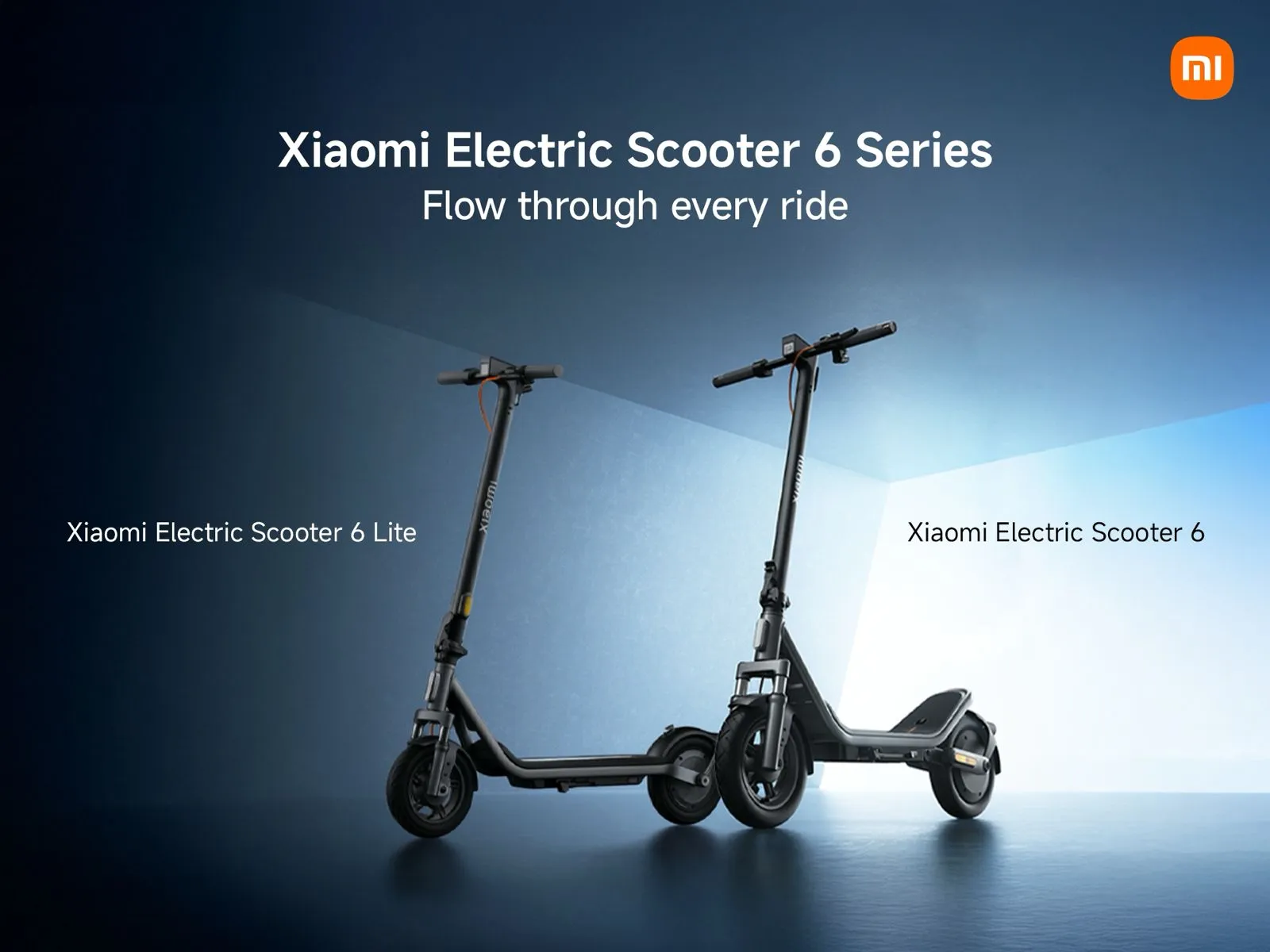
Xiaomi Electric Scooter 6 and 6 Lite Launch in Indonesia: A New Era of Urban Mobility Dawns

by Suro Senen May 10, 2025
written by Suro Senen

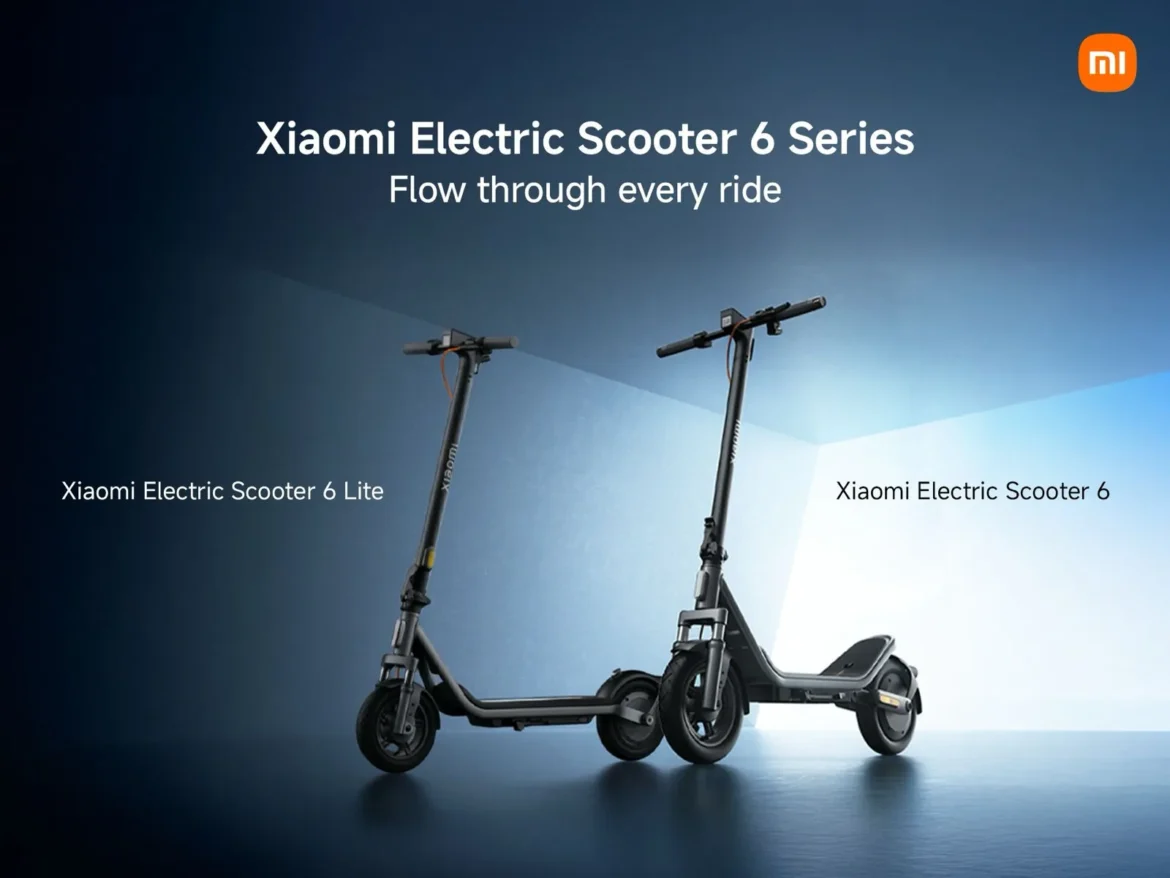
Xiaomi Indonesia has officially unveiled its latest offerings in the burgeoning electric mobility market, introducing the Xiaomi Electric Scooter 6 and Xiaomi Electric Scooter 6 Lite to Indonesian consumers. This strategic launch underscores Xiaomi’s commitment to providing innovative and accessible solutions for navigating the increasingly challenging urban landscapes of Indonesia, characterized by persistent traffic congestion and a growing demand for sustainable transportation alternatives. The introduction of these two models, each with distinct features catering to different user needs, marks a significant step in democratizing personal electric transport within the archipelago.

The Indonesian market for electric vehicles, including scooters and motorcycles, has seen a notable surge in recent years, driven by government initiatives promoting green energy, rising fuel prices, and a growing environmental consciousness among the populace. As of early 2024, the Ministry of Energy and Mineral Resources has set ambitious targets for electric vehicle adoption, aiming for a substantial fleet of electric motorcycles and scooters on the roads by the end of the decade. This burgeoning ecosystem provides a fertile ground for companies like Xiaomi to introduce their advanced mobility solutions. The launch of the Electric Scooter 6 series aligns perfectly with this national agenda, offering a tangible and practical alternative to traditional internal combustion engine vehicles.

Xiaomi Electric Scooter 6: Power and Performance for the Demanding Commuter

The Xiaomi Electric Scooter 6 stands as the flagship model in this new lineup, engineered for riders who prioritize robust performance and a comfortable, stable ride. At its core, the scooter boasts a powerful 400W motor capable of delivering a peak output of up to 800W. This substantial power translates into an impressive ability to conquer inclines of up to 18%, ensuring riders can navigate even the steepest urban gradients without compromise. This feature is particularly crucial in many Indonesian cities, which often feature hilly terrains or are characterized by overpasses and flyovers that can pose a challenge for less powerful electric scooters.

A significant upgrade in the Xiaomi Electric Scooter 6 is its larger, 12-inch tubeless tires. This enhancement directly addresses rider comfort and stability, especially on the varied road surfaces common in Indonesia, which can range from smooth asphalt to rougher patches, cobblestones, or uneven pavement. The larger tire diameter inherently provides a smoother ride, absorbing more of the road’s imperfections. Complementing the tire upgrade is the integrated Dual-Spring Suspension system. This advanced suspension technology works in tandem with the larger tires to effectively dampen shocks and vibrations, further enhancing ride quality and reducing fatigue during longer journeys. This is a critical consideration for daily commuters who spend significant time on their vehicles.

The structural integrity of the Xiaomi Electric Scooter 6 is another highlight. Constructed with automotive-grade carbon material for its frame, the scooter is designed to support a maximum load of up to 120 kg. This robust build not only ensures durability but also provides confidence for a wider range of users, accommodating heavier riders and occasional cargo. The use of such materials suggests a focus on longevity and a premium feel, aligning with Xiaomi’s broader brand strategy of delivering high-quality products at competitive price points.

Xiaomi Electric Scooter 6 Series Resmi Hadir di Indonesia! • Jagat Review

In terms of range and speed, the Xiaomi Electric Scooter 6 is equipped with a 360 Wh battery, providing a claimed maximum travel distance of up to 45 km on a single charge. This range is more than sufficient for most daily commutes in urban environments, allowing users to cover significant distances without range anxiety. The scooter’s top speed is capped at 25 kph, a standard and safe speed for urban electric scooters, ensuring compliance with local regulations while offering efficient travel.

Safety features are paramount, and the Xiaomi Electric Scooter 6 is equipped with a reliable braking system that combines drum brakes with E-ABS (Electronic Anti-lock Braking System). This dual-system approach enhances braking performance, reducing stopping distances and preventing wheel lock-up, especially in wet conditions or during emergency braking. Furthermore, the scooter carries an IPX5 rating, indicating its resistance to water jets, meaning it can handle moderate rain and splashes without compromising its functionality, a practical consideration for Indonesia’s tropical climate.

Xiaomi Electric Scooter 6 Lite: Portability Meets Everyday Convenience

For urban dwellers who prioritize agility, portability, and ease of storage, the Xiaomi Electric Scooter 6 Lite emerges as an ideal choice. This model is meticulously designed for seamless integration into multimodal transportation systems. Its defining feature is its remarkable portability, allowing it to be folded in just three simple steps. This quick and intuitive folding mechanism enables users to effortlessly carry the 18 kg scooter onto public transport such as the MRT (Mass Rapid Transit) and LRT (Light Rail Transit) or to stow it away in the trunk of a car or a compact storage space at home or in the office. This makes it an exceptional companion for commuters who combine different modes of transport.

While emphasizing portability, the Xiaomi Electric Scooter 6 Lite does not entirely sacrifice performance. It is powered by a motor with a peak output of 500W, enabling it to reach a maximum speed of 26 kph. This slight edge in top speed over the standard 6 model might appeal to users looking for a bit more zip for short urban dashes.

The battery capacity for the Lite version is 216 Wh, which translates to a claimed travel distance of up to 25 km on a full charge. This range is perfectly suited for shorter commutes, running errands within a neighborhood, or for last-mile connectivity from public transport hubs. It represents a balance between battery size, weight, and overall portability, making it a practical option for users with less demanding travel needs.

The load capacity for the Xiaomi Electric Scooter 6 Lite is rated at a maximum of 100 kg. It features 10-inch pneumatic tires, which offer a good balance of comfort and responsiveness. Similar to its more powerful sibling, the Lite model also incorporates a dual-spring suspension system to absorb road imperfections and a combined braking system of drum brakes and E-ABS for effective stopping power. The scooter has an IPX4 rating, providing protection against splashing water, which is generally sufficient for light rain.

Xiaomi Electric Scooter 6 Series Resmi Hadir di Indonesia! • Jagat Review

Pricing and Availability: Strategic Market Entry

Xiaomi Indonesia has adopted a strategic pricing model to ensure broad market accessibility for both models. The Xiaomi Electric Scooter 6 is priced at Rp8,399,000, positioning it as a premium yet competitive option in its segment. To incentivize early adoption, Xiaomi is offering an exclusive pre-sale period from April 13th to April 20th, 2026, exclusively on Mi.com. Customers who place their orders during this period will receive a complimentary REDMI Watch 5 Lite, adding significant value to the purchase. General sales for the Xiaomi Electric Scooter 6 will commence on April 21st, 2026.

The Xiaomi Electric Scooter 6 Lite, positioned as a more budget-friendly and portability-focused option, is available at Rp6,699,000. During its pre-sale period, buyers will receive a bonus Xiaomi Portable Electric Air Compressor 2, again available exclusively through Mi.com. This offer aims to attract consumers who are looking for a cost-effective and practical electric scooter for their daily needs. Similar to the higher-end model, direct sales for the Xiaomi Electric Scooter 6 Lite will also begin on April 21st, 2026.

The choice of these specific pre-sale bonuses—a smartwatch and a portable air compressor—reflects Xiaomi’s ecosystem strategy. These accessories complement the scooter ownership experience, offering added utility and value that aligns with the brand’s integrated approach to consumer electronics.

Broader Impact and Analysis

The introduction of the Xiaomi Electric Scooter 6 series into the Indonesian market carries several significant implications. Firstly, it intensifies competition in the rapidly growing electric scooter segment. Xiaomi’s entry, with its strong brand recognition and established distribution channels, is likely to put pressure on existing players and potentially drive innovation and price adjustments across the market. This increased competition benefits consumers by offering more choices and potentially lower prices.

Secondly, these scooters represent a tangible step towards realizing Indonesia’s vision of a greener transportation future. By providing stylish, functional, and increasingly affordable electric mobility options, Xiaomi is helping to shift consumer preferences away from fossil fuel-dependent vehicles. The specific features of each model—power and stability for the 6, and portability for the 6 Lite—address diverse user needs, thereby broadening the appeal of electric scooters to a wider demographic.

Thirdly, the availability of these scooters, particularly the more portable Lite model, could significantly enhance urban mobility. In densely populated cities like Jakarta, Surabaya, and Bandung, where traffic congestion is a major concern, the ability to seamlessly switch between public transport and personal electric mobility can drastically reduce commute times and improve overall efficiency. This multimodal approach is a key strategy for alleviating urban traffic woes.

Xiaomi Electric Scooter 6 Series Resmi Hadir di Indonesia! • Jagat Review

The timeline of the launch, with a pre-sale period preceding general availability, is a common and effective marketing strategy. It allows Xiaomi to gauge initial demand, generate buzz, and secure early sales while preparing its supply chain and distribution networks for the broader rollout. The exclusive offers during the pre-sale period are designed to create a sense of urgency and reward early adopters, building brand loyalty from the outset.

The specifications of both scooters, particularly their range, speed, and load capacities, are well-aligned with the typical usage patterns of urban commuters in Indonesia. The inclusion of features like dual-spring suspension and E-ABS demonstrates a commitment to user safety and comfort, addressing potential concerns about the ride quality and braking performance on local road conditions.

As Indonesia continues to embrace electric mobility, the Xiaomi Electric Scooter 6 and 6 Lite are poised to become significant players. Their successful integration into the market will not only depend on their technical specifications and pricing but also on Xiaomi’s ability to establish a robust after-sales service network, including maintenance and spare parts availability. This is a critical factor for building long-term trust and customer satisfaction in the automotive and mobility sectors. The company’s past performance in other product categories suggests a strong capability in managing these aspects, providing a solid foundation for the success of its electric scooter venture in Indonesia.

May 10, 2025 0 comment
0 FacebookTwitterPinterestEmail
Technology

Mastering the Digital Battlefield: Strategies to Conquer Website Errors During High-Demand Ticket Sales

by Evan Lee Salim May 9, 2025
written by Evan Lee Salim

The digital age has revolutionized access to coveted events, from blockbuster concerts and exclusive sporting events to limited-edition product launches. However, this convenience often comes with a significant challenge: the dreaded website error during "ticket wars," periods of intense online demand where countless users simultaneously attempt to secure limited tickets. This phenomenon, characterized by frustrating error messages, frozen pages, and the gnawing fear of missing out, can transform an exciting anticipation into a stressful ordeal, ultimately costing consumers valuable time and the opportunity to participate in experiences they deeply desire. Understanding the root causes of these digital bottlenecks and implementing proactive strategies are paramount for navigating these high-stakes online sales successfully.

The primary culprit behind website errors during intense sales periods is server overload. When the number of concurrent users attempting to access a website or application far exceeds the capacity of its servers, the system becomes overwhelmed. This is akin to a physical store attempting to serve hundreds of customers simultaneously with only a few cashiers; inevitably, lines form, transactions slow down, and some customers may leave frustrated. In the digital realm, this overload manifests as slow loading times, unresponsive pages, and ultimately, error messages such as "500 Internal Server Error," "404 Not Found," or specific platform-generated notifications indicating a temporary inability to process requests. While the image of a sold-out virtual queue is a common metaphor, the underlying technical reality is a system struggling to cope with an unprecedented surge in traffic.

Beyond sheer volume, other contributing factors can exacerbate website performance issues. Slow or unstable internet connections on the user’s end can lead to failed attempts to load pages or submit requests, making it appear as though the website itself is the problem. Accumulated browser cache and cookies, while generally beneficial for faster browsing, can sometimes interfere with dynamic website content, leading to rendering errors or outdated information being displayed. Furthermore, unexpected server maintenance or system upgrades, often communicated with vague messages like "system enhancement in progress," can temporarily render a website inaccessible, coinciding unfortunately with peak demand periods.

The urgency and frustration associated with missing out on highly sought-after tickets are not merely anecdotal; they represent a tangible economic and emotional loss for consumers. For instance, the resale market for popular events can see ticket prices skyrocket, with prices multiplying several times their original face value. This creates a tiered access system where only those with the highest disposable income or exceptional luck can secure initial access. The psychological impact of repeated failed attempts can also be significant, leading to feelings of exclusion and disappointment, particularly for fans who have long awaited an opportunity to see their favorite artist or team.

Pre-War Ticket Acquisition: A Strategic Imperative

To mitigate the likelihood of encountering website errors and enhance the chances of securing tickets, a comprehensive pre-sale preparation strategy is essential. This involves not only technical readiness but also a deep understanding of the sale’s mechanics.

1. Technical Readiness: Fortifying Your Digital Arsenal

  • High-Speed, Stable Internet Connection: This is the bedrock of successful online ticket acquisition. Prioritize a wired Ethernet connection over Wi-Fi for maximum stability and speed. If Wi-Fi is the only option, ensure a strong signal and minimize other network activity during the sale. Consider temporary upgrades or utilizing a mobile hotspot from a provider known for strong performance in your area. Data from telecommunications companies often shows peak network congestion during major online events, underscoring the importance of a robust connection.
  • Optimized Browser and Device: Utilize a modern, up-to-date web browser known for its performance, such as Google Chrome, Mozilla Firefox, or Microsoft Edge. Regularly clear your browser’s cache and cookies to ensure you are accessing the most current website data and to prevent potential conflicts. Avoid having too many browser tabs open, as this can consume system resources and slow down your device. Ensure your operating system and browser are updated to their latest versions.
  • Pre-Registration and Account Setup: Many ticketing platforms require users to create an account and often pre-register for specific sales. Completing these steps well in advance of the sale eliminates crucial time delays during the actual purchase process. Ensure all personal information, payment details, and contact information are accurate and up-to-date. Many platforms encourage users to save payment methods, which can streamline the checkout process significantly, though it’s also prudent to have backup payment options ready.
  • Device Familiarity: Practice navigating the ticketing platform on the device you intend to use during the sale. Familiarize yourself with the layout, button locations, and typical workflow. This reduces the cognitive load during the high-pressure sale, allowing you to focus on speed and accuracy.

2. Strategic Planning: Outsmarting the System

  • Know the Sale Details: Understand the exact date and time of the ticket sale, including the relevant time zone. Be aware of any pre-sale codes, fan club access, or special eligibility requirements. Misinformation or a slight delay in understanding these details can be the difference between success and failure. For instance, the release of tickets for major tours like Taylor Swift’s "Eras Tour" saw unprecedented demand, with millions of fans attempting to access Ticketmaster, leading to widespread technical issues and extended wait times. The sheer scale of demand, often exceeding server capacity by orders of magnitude, highlights the need for precise knowledge of sale commencement.
  • Multiple Devices and Networks (Ethical Considerations): While not universally endorsed, some users employ multiple devices (e.g., laptop, tablet, smartphone) and even different internet connections to increase their chances. It is crucial to adhere to the ticketing platform’s terms of service regarding multiple accounts or automated purchasing, as violating these can lead to account suspension and invalidated tickets. The goal is to be present and ready on multiple fronts, not to employ unfair automation.
  • Have Your Payment Ready: Ensure your credit card or preferred payment method is valid and has sufficient credit or funds. Be aware of any daily transaction limits imposed by your bank. Having a backup payment method readily available can be a lifesaver if your primary option encounters an issue.

Navigating the Storm: Solutions When Errors Strike

Despite meticulous preparation, website errors can still occur. When faced with a digital roadblock during a ticket war, remaining calm and employing a series of strategic responses can significantly improve your chances.

1. Immediate Actions During an Error:

  • Don’t Panic, Refresh Strategically: Resist the urge to repeatedly mash the refresh button, which can sometimes exacerbate the problem or even get you temporarily blocked. Instead, wait a few moments (e.g., 30-60 seconds) and then try a soft refresh (Ctrl+R or Cmd+R) or a hard refresh (Ctrl+Shift+R or Cmd+Shift+R) to force the browser to re-download the page.
  • Check the Official Status: Monitor the ticketing platform’s official social media channels or customer service pages for any announcements regarding ongoing issues. They may provide updates on the nature of the error and estimated resolution times. This can save you from futile attempts to access a temporarily disabled system.
  • Clear Cache and Cookies (Again): If you suspect your browser’s stored data might be the issue, clearing your cache and cookies can sometimes resolve the problem.
  • Try a Different Browser or Device: If one browser or device is consistently encountering errors, switch to another. This helps isolate whether the issue is specific to your initial setup.
  • Attempt a Different Purchase Path: If you are trying to purchase tickets through a specific event page, try navigating to the main ticketing site and searching for the event from there. Sometimes, direct links can become overloaded while the main portal remains partially functional.

2. Persistence and Patience:

  • Re-enter the Queue (If Applicable): If you were kicked out of a virtual queue, rejoin it as soon as possible. The order of entry can be crucial.
  • Be Ready for Intermittent Access: Servers can sometimes recover partially, allowing brief windows of access. Be prepared to act quickly if a page loads successfully.
  • Stay Informed: Keep an eye on official announcements. Sometimes, platforms will extend sale times or announce alternative purchasing methods if widespread issues are reported.

3. Post-Sale Assessment and Future Planning:

  • Review Transaction History: After the sale, thoroughly check your transaction history on the ticketing platform and your financial statements to confirm successful purchases and avoid duplicate orders.
  • Understand the Root Cause (If Possible): If you encountered persistent errors, try to discern the specific error messages or behaviors. This information can be valuable for future ticket sales.
  • Learn from the Experience: Every ticket war is a learning opportunity. Analyze what worked and what didn’t in your preparation and execution.

Broader Implications and Industry Responses

The recurring issue of website errors during high-demand sales has significant implications for both consumers and the ticketing industry. For consumers, it breeds distrust and frustration, leading to a perception that the system is rigged or unfairly favors scalpers and bots. This can diminish brand loyalty and encourage the use of secondary markets, which often come with inflated prices and increased risk of fraudulent tickets.

The industry, on the other hand, faces pressure to invest in robust, scalable infrastructure capable of handling extreme traffic surges. Companies like Ticketmaster have publicly acknowledged these challenges and have discussed implementing various technological solutions, including advanced queuing systems, distributed denial-of-service (DDoS) protection, and enhanced bot detection measures. However, the sheer volume of demand for certain events, particularly those involving globally recognized artists or major sporting finals, continues to test the limits of even the most sophisticated systems.

Analysis of Implications:

The economic impact is substantial. For artists and event organizers, successful ticket sales are a direct measure of their appeal and a critical revenue stream. Persistent technical failures can lead to lost sales and a tarnished reputation. For the secondary market, however, these failures can be a boon, creating opportunities for arbitrage and profiting from the scarcity created by the primary sale’s inefficiencies. This dynamic highlights a tension between efficient primary sales and the lucrative, albeit often controversial, resale market.

Furthermore, the issue raises questions about digital accessibility and equity. While online sales democratize access in theory, technical barriers can disproportionately affect individuals with less reliable internet access, older technology, or less digital literacy. This can exacerbate existing inequalities in accessing cultural and sporting events.

Industry Response and Future Outlook:

In response to widespread criticism, ticketing companies have been investing heavily in infrastructure upgrades. Some have experimented with lottery-based systems for highly anticipated events, aiming to create a more predictable and equitable distribution of tickets. Others are exploring blockchain technology for secure ticket verification and transferability. The ongoing arms race between those seeking to acquire tickets and those attempting to manage the sales process will likely continue to drive innovation.

Ultimately, mastering the digital battlefield of ticket wars requires a combination of technical preparedness, strategic planning, and a resilient mindset. By understanding the underlying causes of website errors and adopting a proactive, adaptable approach, consumers can significantly improve their odds of securing those coveted tickets and participating in the experiences they eagerly await. The digital frontier of event access is constantly evolving, demanding continuous learning and refinement of one’s approach.

May 9, 2025 0 comment
0 FacebookTwitterPinterestEmail
Technology

ITSEC Asia Marks 16 Years by Championing Institutional Digital Security Ecosystem with IntelliBron Aman Enterprise

by Nana Muazin May 6, 2025
written by Nana Muazin

JAKARTA – In a significant evolution of its operational mandate, PT ITSEC Asia Tbk, a prominent Indonesian cybersecurity firm, is celebrating its 16th anniversary by transitioning from a service provider to a proactive driver of an institution-based digital security ecosystem. This strategic pivot is underscored by the launch of IntelliBron Aman Enterprise, a novel institutional mobile cybersecurity solution designed to fortify defenses against the escalating threat landscape, particularly targeting the often-overlooked vulnerability of personal mobile devices within organizational structures. The company’s expansion signifies a proactive response to the increasingly sophisticated and financially motivated cyber threats that plague Indonesia.

The genesis of this evolution can be traced back to the growing realization that personal mobile devices, frequently used for both professional and private purposes, have become a critical weak link in the digital security chains of organizations. ITSEC Asia’s latest offering directly addresses this vulnerability, providing a comprehensive security framework for employees, students, and government officials. This move positions ITSEC Asia not just as a responder to cyber incidents, but as a foundational architect of digital resilience within Indonesian institutions.

The Shifting Landscape of Cyber Threats in Indonesia

Patrick Dannacher, President Director of ITSEC Asia, articulated the gravity of the current digital threat environment in Indonesia. He emphasized a tangible shift from abstract technical concerns to direct economic risks for individuals. "The threats faced by the Indonesian public on their mobile phones today are not technical abstractions. They are financial scams that can empty bank accounts, malware that hijacks digital wallets, and platforms that exploit vulnerable users," Dannacher stated. This observation highlights a critical departure from earlier cyber threats, which often focused on data breaches or system disruptions. The current wave is characterized by direct financial exploitation and personal data manipulation, leading to immediate and severe consequences for individuals.

Indonesia’s digital economy has witnessed explosive growth over the past decade, with increasing internet penetration and widespread adoption of mobile devices for various transactions, including banking, e-commerce, and government services. According to a report by Statista, the number of internet users in Indonesia is projected to reach over 235 million by 2025, with mobile devices being the primary access point for a significant majority. This burgeoning digital ecosystem, while offering immense opportunities, also presents a fertile ground for cybercriminals. Phishing attacks, ransomware, mobile malware, and social engineering scams have become commonplace, exploiting the human element and the inherent security gaps in consumer-grade mobile devices.

The Indonesian government has recognized the escalating cyber threat. In 2023, the National Cyber and Crypto Agency (BSSN) reported a significant increase in cyberattack incidents, with phishing and malware being among the most prevalent. These attacks not only lead to financial losses but also compromise sensitive personal and organizational data, impacting national security and economic stability. The ubiquity of smartphones, coupled with varying levels of digital literacy among the populace, makes them prime targets. Many individuals, while adept at using their devices for daily tasks, may lack the awareness or technical knowledge to identify and mitigate sophisticated cyber threats.

ITSEC Asia’s Trajectory: From Service Provider to Ecosystem Driver

Founded in Jakarta in 2010, ITSEC Asia has undergone a remarkable transformation over its 16-year history. Initially established as a cybersecurity service provider, the company has strategically expanded its scope and ambition. Its successful listing on the Indonesia Stock Exchange (IDX) in 2023 marked a significant milestone, signaling its growth and commitment to transparency and public accountability. This transition to a publicly traded entity has undoubtedly provided the capital and strategic impetus for its ambitious expansion into ecosystem development.

Over its 16-year tenure, ITSEC Asia has built a formidable track record, executing over 7,000 cybersecurity projects and serving more than 300 active clients across critical sectors. These include the financial industry, telecommunications, energy, and government. This extensive experience has provided ITSEC Asia with deep insights into the unique cybersecurity challenges faced by different sectors, informing the development of tailored solutions like IntelliBron Aman Enterprise. The company’s longevity and sustained client base are testaments to its technical expertise, reliability, and adaptability in a rapidly evolving field.

The decision to pivot towards an ecosystem-driven model reflects a sophisticated understanding of the interconnected nature of digital security. Rather than solely offering individual security services, ITSEC Asia now aims to foster a comprehensive and collaborative environment where institutions can build robust, integrated security frameworks. This approach acknowledges that digital security is not a one-off fix but an ongoing process requiring continuous adaptation, education, and collaboration.

IntelliBron Aman Enterprise: A New Frontier in Mobile Security

The launch of IntelliBron Aman Enterprise represents ITSEC Asia’s commitment to providing proactive and institutional-grade security solutions for mobile devices. The product is specifically engineered to address the vulnerabilities inherent in the widespread use of personal mobile devices for work purposes. These "Bring Your Own Device" (BYOD) policies, while offering flexibility and cost savings for organizations, can inadvertently open up significant security risks if not managed effectively. Personal devices often lack the stringent security controls found in corporate-issued hardware, making them susceptible to malware, data leakage, and unauthorized access.

IntelliBron Aman Enterprise aims to provide a centralized management and security layer for these devices. Key features likely include:

  • Endpoint Protection: Advanced malware detection and prevention, real-time threat monitoring, and anti-phishing capabilities tailored for mobile environments.
  • Data Loss Prevention (DLP): Mechanisms to prevent sensitive corporate data from being exfiltrated from the device through unauthorized channels or applications.
  • Application Management: Control over which applications can be installed and used on devices accessing corporate resources, ensuring only approved and secure applications are utilized.
  • Secure Access Control: Robust authentication protocols and conditional access policies to ensure only authorized users can access corporate networks and data from their mobile devices.
  • Remote Management and Wiping: The ability for IT administrators to remotely manage device configurations, enforce security policies, and, if necessary, wipe corporate data from a lost or stolen device.
  • Compliance and Reporting: Tools to monitor device compliance with security policies and generate reports for auditing and regulatory purposes.

By offering such a comprehensive solution, ITSEC Asia is enabling institutions to regain control over their mobile attack surface. The focus on an "institutional" approach means the solution is designed for deployment and management at scale, catering to the needs of large organizations with diverse workforces.

Broader Implications and Future Outlook

The strategic shift by ITSEC Asia, and the introduction of IntelliBron Aman Enterprise, has significant implications for the Indonesian cybersecurity landscape. Firstly, it signals a maturing market where homegrown companies are not only competing but also innovating and setting new standards. This can foster greater national self-reliance in critical technology sectors.

Secondly, the focus on institutional mobile security addresses a pressing need. As hybrid work models become more prevalent, and the reliance on mobile devices for critical tasks deepens, organizations that fail to adequately secure these endpoints will remain highly vulnerable. IntelliBron Aman Enterprise offers a proactive solution to this challenge, potentially reducing the incidence of costly cyber incidents and protecting sensitive organizational and individual data.

Thirdly, ITSEC Asia’s move towards ecosystem development suggests a future where cybersecurity is viewed as a collaborative and interconnected effort. By positioning itself as a central player in this ecosystem, the company can facilitate greater sharing of threat intelligence, best practices, and coordinated responses to cyber threats.

The company’s 16-year journey, marked by continuous growth and strategic adaptation, provides a strong foundation for this new phase. Its experience across diverse sectors has equipped it with the nuanced understanding required to address the complex and varied security needs of Indonesian institutions. As the digital frontier continues to expand, and cyber threats evolve in tandem, ITSEC Asia’s commitment to driving an institutional digital security ecosystem appears to be a prescient and vital step towards securing Indonesia’s digital future. The success of IntelliBron Aman Enterprise and the broader ecosystem initiative will be closely watched as a bellwether for the nation’s overall cybersecurity resilience.

May 6, 2025 0 comment
0 FacebookTwitterPinterestEmail
Technology

Xiaomi Unveils HyperOS 3, Ushering in a New Era of Android 16 Integration and Enhanced User Experience

by Layla Zulfa May 4, 2025
written by Layla Zulfa

Xiaomi has officially advanced its operating system development with the introduction of HyperOS 3, built upon the robust foundation of Android 16. This significant update promises a suite of enhancements across performance, security, and the overall user interface, aiming to elevate the experience for users of Xiaomi and Redmi devices. As the rollout commences in China, a surge of interest has emerged regarding the comprehensive list of compatible Xiaomi and Redmi smartphones and the methodology for verifying the update’s availability on individual devices. This report delves into the specifics of checking for the HyperOS 3 update and provides an overview of the devices slated to receive it, based on information gathered from various sources and official confirmations.

The Genesis of HyperOS 3: A Strategic Evolution

The announcement of HyperOS 3 marks a pivotal moment in Xiaomi’s software strategy. Following the initial introduction of HyperOS as a replacement for its long-standing MIUI interface, the company is demonstrating a commitment to rapid iteration and integration with the latest Android advancements. HyperOS was first introduced in late 2023, signaling a departure from MIUI and a focus on a more integrated, cross-device ecosystem. The transition was not merely cosmetic; it represented Xiaomi’s ambition to create a unified software experience across its diverse range of products, from smartphones and smart home devices to automotive systems.

HyperOS 3, by leveraging Android 16, signifies Xiaomi’s proactive approach to adopting and adapting the newest mobile operating system capabilities. Android 16, while still in its development phases and not yet officially released to the public, is expected to bring substantial improvements in areas such as privacy controls, performance optimizations, and new developer features. By basing HyperOS 3 on this nascent Android version, Xiaomi positions its devices at the forefront of mobile technology, offering users access to cutting-edge features and enhanced security protocols even before the wider Android ecosystem fully embraces the new version.

The development and release of HyperOS 3 are also intrinsically linked to Xiaomi’s broader vision of an "Internet of Everything" (IoE) strategy. The company aims to create a seamless interconnected experience where all devices communicate and collaborate effortlessly. HyperOS serves as the central nervous system for this ecosystem, and each iteration, including HyperOS 3, brings it closer to realizing this ambitious goal. The enhancements in performance and cross-device synchronization are direct manifestations of this strategy, aiming to make the user’s digital life more fluid and efficient, regardless of the device they are using.

Navigating the Update: A User-Centric Approach

For users eager to experience the latest iteration of Xiaomi’s operating system, checking for the HyperOS 3 update is a straightforward process designed for ease of access. Xiaomi has consistently emphasized a user-friendly approach to software deployment, and this update is no exception.

Step-by-Step Guide to Checking for HyperOS 3 Updates:

  1. Access Settings: Navigate to the main "Settings" application on your Xiaomi or Redmi smartphone. This is typically represented by a gear icon.
  2. Locate "About Phone": Within the Settings menu, find and select the "About Phone" option. In some regional interfaces, this might be labeled as "Tentang Ponsel."
  3. Enter "System Update": Once in the "About Phone" section, tap on "System Update" (or "Pembaruan Sistem" in Indonesian). This area is dedicated to managing all software updates for your device.
  4. Initiate Update Check: On the "System Update" screen, you will find a button labeled "Check for Updates" (or "Periksa Pembaruan"). Tapping this will prompt your device to connect to Xiaomi’s servers and search for available software packages.

If HyperOS 3 is available for your specific device model and region, the system will display a notification indicating the update’s readiness. Users can then proceed with downloading and installing the update by following the on-screen instructions.

Xiaomi strongly advises its users to back up all essential data before commencing the update process. This precautionary measure is crucial for safeguarding personal information, such as photos, videos, contacts, and application data, ensuring that no data is lost during the transition to the new operating system. This recommendation underscores the importance of data integrity and user confidence in the update procedure.

Device Eligibility: A Broadening Horizon

Xiaomi has begun to broaden the distribution of HyperOS 3, built on Android 16, to a wider array of its devices in China. The official confirmation from Xiaomi CEO, Lei Jun, indicates that the update will encompass a range of models, from high-end flagships released as early as 2023 to mid-range devices. This inclusive approach aims to provide the latest software experience to a significant portion of Xiaomi’s user base.

The deployment of HyperOS 3 is being executed in a phased manner. Initially, premium devices have been prioritized. This includes foldable devices like the Xiaomi Mix Fold 3 and the entire Xiaomi 13 series, comprising the Xiaomi 13, Xiaomi 13 Pro, and Xiaomi 13 Ultra. These devices, being at the forefront of Xiaomi’s technological offerings, are often the first to receive major software updates, allowing for early testing and refinement.

However, the reach of HyperOS 3 extends beyond the flagship segment. Xiaomi is also extending the Android 16-based update to its mid-range offerings. A notable inclusion is the Redmi Note series, with models released between 2023 and 2025 now officially confirmed to be eligible for the HyperOS 3 update. This strategic decision democratizes access to advanced software features, ensuring that users across different price points benefit from Xiaomi’s ongoing software innovation.

Initial Wave of Devices Receiving Stable HyperOS 3 in China:

The following ten devices have reportedly begun receiving the stable version of HyperOS 3 in China:

  1. Xiaomi Mix Fold 3
  2. Xiaomi 13 Ultra
  3. Xiaomi 13 Pro
  4. Xiaomi 13
  5. Redmi Note 15 Pro+
  6. Redmi Note 15 Pro
  7. Redmi Note 14 Pro+
  8. Redmi Note 14 Pro
  9. Redmi Note 13 Pro+
  10. Redmi Note 13 Pro

It is important to note that the release schedule and device eligibility may vary by region. While the initial rollout is concentrated in China, global availability is anticipated. Based on reports from tech publications like GizmoChina, the global version of HyperOS 3 for these devices is currently undergoing internal testing. Users outside of China, including those in Indonesia, are expected to receive the update in the coming weeks, indicating a staggered international release strategy.

Key Features and Enhancements in HyperOS 3

HyperOS 3 builds upon the foundations laid by its predecessor, introducing a range of significant improvements designed to enhance user interaction and system efficiency. The core philosophy behind HyperOS remains the creation of a seamless and intelligent ecosystem.

User Interface and Experience Overhaul:

One of the most noticeable aspects of HyperOS 3 is its refreshed user interface. While specific design elements may evolve, the general trend for Xiaomi’s operating systems has been towards a cleaner, more intuitive aesthetic. HyperOS 3 is expected to feature further UI optimizations, aiming for a more fluid and responsive experience. This includes refined animations, updated icons, and a more organized layout for menus and notifications.

Performance Optimization:

Leveraging the underlying enhancements of Android 16, HyperOS 3 is poised to deliver substantial performance gains. This includes improved app launch times, smoother multitasking capabilities, and more efficient power management. Android 16 is anticipated to introduce advanced resource allocation algorithms, which Xiaomi will likely integrate into HyperOS 3 to maximize the device’s potential. This translates to a snappier and more lag-free user experience, even during demanding tasks.

Enhanced Security Features:

Security remains a paramount concern for any operating system update. HyperOS 3, powered by Android 16, is expected to incorporate the latest security patches and privacy enhancements. This may include more granular control over app permissions, advanced protection against malware, and improved data encryption protocols. As cyber threats continue to evolve, Xiaomi’s commitment to integrating these advanced security measures is crucial for protecting user data and privacy.

Introduction of "Hyper Island":

A key innovation highlighted for HyperOS is the introduction of "Hyper Island." This feature acts as a centralized hub for quick access to essential functions and information. It streamlines the user experience by consolidating media controls, navigation tools, and notifications into an easily accessible interface. This design choice reflects a move towards a more context-aware and proactive user interface, anticipating user needs and providing relevant information at a glance.

Cross-Device Synchronization and Connectivity:

A cornerstone of Xiaomi’s ecosystem strategy is seamless cross-device connectivity. HyperOS 3 aims to significantly enhance this capability. Users can expect improved synchronization between their Xiaomi smartphones, tablets, smartwatches, and other connected devices. This could manifest in features like effortless file sharing, unified notifications across devices, and the ability to control one device from another. The goal is to create an environment where devices work in concert, making daily tasks more efficient and interconnected.

Potential for New Features from Latest Xiaomi Devices:

New features that have debuted on Xiaomi’s latest flagship devices are also likely to be brought to older models through HyperOS 3. This often includes advancements in camera software, AI-driven functionalities, and new integrations with Xiaomi’s smart home ecosystem. By porting these features to a wider range of devices, Xiaomi ensures that a larger customer base can benefit from its technological innovations.

Broader Implications and Future Outlook

The release of HyperOS 3 on Android 16 signifies more than just a software update; it reflects Xiaomi’s strategic positioning in the competitive global smartphone market. By consistently delivering up-to-date software and integrating the latest Android features, Xiaomi aims to enhance user loyalty and attract new customers.

Impact on User Experience: The primary impact will be a tangible improvement in the daily use of Xiaomi and Redmi devices. Enhanced performance, tighter security, and a more intuitive interface contribute to a more satisfying and productive mobile experience. The focus on ecosystem integration also encourages users to invest further in Xiaomi’s product line.

Competitive Landscape: In an industry where software experience is increasingly a differentiator, Xiaomi’s commitment to rapid updates places it in a strong position against competitors. Offering the latest Android version and proprietary enhancements can sway purchasing decisions, especially among tech-savvy consumers.

Long-Term Software Support: The inclusion of older models in the HyperOS 3 rollout suggests a continued commitment to providing longer software support for its devices. This is a crucial factor for consumers, as it ensures that their devices remain secure and feature-rich for an extended period, thereby increasing their overall value.

Future Development: The successful implementation of HyperOS 3 on Android 16 will pave the way for future iterations and deeper integration with upcoming Android versions. Xiaomi’s experience with this rollout will undoubtedly inform its strategy for subsequent software releases, further solidifying its ecosystem and enhancing its competitive edge in the mobile technology sector.

The ongoing evolution of HyperOS, particularly with the integration of Android 16 through HyperOS 3, underscores Xiaomi’s ambition to offer a comprehensive, secure, and user-centric mobile operating system that seamlessly connects its diverse range of products and services. As the rollout progresses globally, users can anticipate a refined and more powerful mobile experience.

May 4, 2025 0 comment
0 FacebookTwitterPinterestEmail
Newer Posts
Older Posts

Recent Posts

  • Indonesia’s Economy Shows Resilience Amidst Global Financial Headwinds, Says Simpan Asset Management Co-Founder
  • Ministry of Religious Affairs Confirms End-of-June 2026 Disbursement for Non-ASN Madrasah Teacher Incentives
  • President Jokowi and Minister Rini Soemarno Visit TPPI Refinery in Tuban and Engage with Local Community Before Strategic Inspection
  • BUMN Dinilai Mampu Kelola Freeport dengan Baik
  • Segini Besaran Gaji ke-13 PNS 2026 yang Akan Cair Juni : Okezone Economy

Recent Comments

No comments to show.
  • Facebook
  • Twitter

@2021 - All Right Reserved. Designed and Developed by PenciDesign


Back To Top
Dara News Media
  • Home
  • About Us
  • Contact Us
  • Cookies Policy
  • Disclaimer
  • DMCA
  • Privacy Policy
  • Terms and Conditions

We are using cookies to give you the best experience on our website.

You can find out more about which cookies we are using or switch them off in .

Dara News Media
Powered by  GDPR Cookie Compliance
Privacy Overview

This website uses cookies so that we can provide you with the best user experience possible. Cookie information is stored in your browser and performs functions such as recognising you when you return to our website and helping our team to understand which sections of the website you find most interesting and useful.

Strictly Necessary Cookies

Strictly Necessary Cookie should be enabled at all times so that we can save your preferences for cookie settings.