• Home
  • About Us
  • Contact Us
  • Cookies Policy
  • Disclaimer
  • DMCA
  • Privacy Policy
  • Terms and Conditions
Dara News Media
keep your memories alive
Business & Economy

PT Pembangunan Jaya Ancol Tbk (PJAA) Approves IDR 41.6 Billion Dividend Payout Amidst Strategic Transformation and Robust 2025 Performance

by Raul Delapena Setiawan May 3, 2025
written by Raul Delapena Setiawan

Jakarta, Indonesia – PT Pembangunan Jaya Ancol Tbk (PJAA), the prominent operator of the Ancol Dreamland tourism complex in North Jakarta, has announced a significant dividend distribution of IDR 41.6 billion from its impressive 2025 financial year earnings. This decision, ratified during the company’s Annual General Meeting of Shareholders (AGMS), underscores a period of strategic recalibration and resilient financial performance for one of Indonesia’s most iconic leisure destinations. Shareholders of PJAA approved a dividend payment of IDR 26.05 per share, representing approximately 23.13% of the company’s net profit for the year. This move is indicative of the company’s commitment to delivering shareholder value while simultaneously navigating a dynamic and evolving tourism landscape.

Financial Resilience and Strategic Positioning in 2025

For the fiscal year 2025, PJAA reported a robust operating revenue of IDR 1.12 trillion, culminating in a net profit of IDR 180.19 billion. This performance is particularly noteworthy given the persistent challenges stemming from the global economic environment, which has continued to exert pressure on various sectors, including tourism and leisure. The management of PJAA attributed this resilience to a steadfast focus on innovation and operational efficiency. Key initiatives included the comprehensive digitalization of ticketing services, a concerted effort to enhance visitor facilities, and the proactive development of new thematic content and events designed to enrich the overall guest experience. These strategic pillars collectively enabled the company to maintain its revenue trajectory, matching the previous year’s performance despite prevailing external headwinds. The ability to sustain revenue levels in a competitive and often unpredictable market speaks volumes about PJAA’s operational agility and strategic foresight.

The 2025 financial results represent a crucial benchmark for Ancol, signaling its successful adaptation to post-pandemic consumer behaviors and economic shifts. The company’s focus on digital transformation, for instance, is a direct response to the increasing demand for seamless, contactless transactions and personalized experiences. By streamlining the ticketing process and integrating digital platforms, Ancol has not only improved operational efficiency but also enhanced customer convenience, a critical factor in today’s fast-paced leisure market. Furthermore, the continuous upgrading of visitor facilities, ranging from infrastructure improvements to enhanced recreational offerings, reinforces Ancol’s commitment to providing a world-class experience. The introduction of new thematic events and attractions is equally vital, ensuring repeat visits and capturing diverse market segments, from families seeking entertainment to younger demographics looking for novel experiences.

A Deeper Dive into Ancol’s Strategic Transformation

The management’s declaration during the AGMS highlighted a pivotal moment for the company: "The company is currently at a crucial point, not merely to survive, but to advance into the next phase of transformation. The tourism and leisure destination industry has fundamentally changed. Customers/visitors no longer just enjoy the destination itself, but more importantly, how they can enjoy a new experience, connection, and value from what they have spent." This statement provides profound insight into Ancol’s forward-looking strategy, emphasizing a shift from merely offering attractions to curating holistic, memorable experiences that resonate deeply with visitors.

This strategic pivot is aligned with global trends in the experience economy, where consumers increasingly prioritize experiences over mere consumption. For Ancol, this means investing in immersive storytelling, interactive installations, personalized services, and community engagement initiatives. The emphasis on "connection" suggests a focus on fostering social interactions, whether among family members, friends, or even through shared cultural experiences within the park. Moreover, the concept of "value" extends beyond monetary considerations, encompassing the emotional, intellectual, and social returns visitors gain from their time at Ancol. This transformation is not a superficial rebranding but a fundamental reimagining of its core offerings, aiming to solidify Ancol’s position as a premier, relevant, and sustainable leisure destination in the long term. This strategy necessitates continuous market research, rapid prototyping of new attractions, and agile adaptation to emerging consumer preferences, ensuring Ancol remains at the forefront of the leisure industry.

Chronology of Key Events and Context

The Annual General Meeting of Shareholders (AGMS) for PT Pembangunan Jaya Ancol Tbk took place on Wednesday, April 15, 2026. This meeting was the culmination of the company’s fiscal year 2025 performance and strategic planning. The AGMS serves as the primary forum for shareholders to exercise their corporate governance rights, including approving financial statements, sanctioning dividend distributions, and electing board members. The decision to disburse IDR 41.6 billion in dividends, representing a 23.13% payout ratio, signals a balance between rewarding shareholders and retaining sufficient capital for future investments and strategic initiatives. This payout percentage, while not excessively high, demonstrates confidence in the company’s financial health and future earnings potential, reassuring investors of a consistent return on their investment.

The timing of the AGMS, roughly four months after the close of the fiscal year, is standard corporate practice, allowing sufficient time for auditing and preparation of annual reports. The approval of the dividend payout is typically followed by a series of administrative dates, including the cum-dividend date (the last day to buy shares and be eligible for the dividend), ex-dividend date (the first day shares trade without the dividend), recording date, and the actual payment date. While these specific dates were not detailed in the initial announcement, they would typically follow within weeks of the AGMS, providing a clear timeline for investors to receive their distributions. This structured approach to dividend payments is crucial for maintaining investor confidence and transparency in corporate financial management.

Corporate Governance Enhancements: New Board Composition

Beyond the financial approvals, the AGMS also approved significant changes to the company’s Board of Commissioners and Board of Directors. These appointments, effective immediately upon the close of the AGMS, are designed to strengthen the company’s leadership and strategic direction for the upcoming transformational phase.

New Board of Commissioners:

  • President Commissioner and Independent Commissioner: Mr. Irfan Setiaputra
  • Commissioner: Mrs. Suharini Eliawati
  • Commissioner: Mr. Lies Hartono
  • Commissioner: Mr. Sutiyoso
  • Independent Commissioner: Mrs. Trisni Puspitaningtyas

New Board of Directors:

  • President Director: Mr. Syahmudrian Lubis
  • Director: Mr. Cahyo Satriyo Prakoso
  • Director: Mr. Daniel Nainggolan
  • Director: Mr. Eddy Prastiyo
  • Director: Mrs. Rahmaniar

The appointment of Mr. Irfan Setiaputra as President Commissioner and Independent Commissioner brings a wealth of experience in corporate leadership and governance, often associated with driving innovation and strategic growth in various industries. His independent status on the board is crucial for ensuring objective oversight and protecting shareholder interests. Similarly, Mr. Syahmudrian Lubis, as the new President Director, will be tasked with spearheading the operational execution of Ancol’s transformation strategy. The composition of both boards, blending experienced veterans with potentially new perspectives, aims to foster a robust governance framework and provide dynamic leadership essential for navigating the complexities of the modern leisure industry. These changes reflect a deliberate effort to align leadership capabilities with the ambitious strategic objectives outlined by the company, ensuring that Ancol is well-equipped to achieve its long-term vision.

Broader Impact and Implications for the Indonesian Tourism Sector

Ancol’s financial performance and strategic overhaul carry significant implications not only for its shareholders but also for the broader Indonesian tourism and leisure sector, particularly in Jakarta. As one of the capital’s largest and most established integrated recreational parks, Ancol serves as a barometer for urban tourism trends and consumer spending habits in the region.

Implications for Investors: The dividend payout signals a healthy financial position and a commitment to shareholder returns, which can enhance investor confidence and potentially attract new capital. A consistent dividend policy, even modest, often makes a stock more attractive, particularly to long-term institutional investors and income-focused individual investors. Furthermore, the robust net profit of IDR 180.19 billion, coupled with sustained revenue, indicates strong underlying business fundamentals. This performance suggests that Ancol has successfully adapted to the post-pandemic recovery phase, demonstrating its ability to generate profits despite external economic pressures. Investors will be keenly watching the execution of the new leadership team and the "transformation" strategy to gauge its impact on future profitability and dividend growth.

Impact on Jakarta’s Tourism Landscape: Ancol’s continued innovation and focus on "experiences" are vital for keeping Jakarta competitive as a tourist destination. In a city where recreational options are constantly evolving, Ancol’s ability to reinvent itself is crucial. The emphasis on new content, events, and enhanced facilities directly contributes to Jakarta’s appeal, potentially drawing both domestic and international visitors who seek diverse and engaging leisure activities. The transformation strategy, particularly its focus on "connection and value," could elevate Ancol from a mere amusement park to a cultural and community hub, offering unique local experiences that distinguish it from international competitors. This positioning aligns with the broader government agenda to boost domestic tourism and make Indonesian cities more attractive to global travelers.

Role in the National Tourism Recovery: Indonesia’s tourism sector has been on a recovery path following the severe disruptions of the COVID-19 pandemic. While international tourist arrivals are still rebuilding, domestic tourism has been a key driver of growth. Ancol, with its strong domestic appeal, plays a critical role in this recovery. Its successful navigation of economic challenges and continued investment in facilities and experiences set a positive example for other tourism operators. The company’s resilience contributes to job creation, supports local economies through supply chains, and reinforces the overall confidence in the sector’s long-term viability. The government’s initiatives to promote "Wonderful Indonesia" and develop super-priority destinations rely heavily on the success of established players like Ancol in delivering quality experiences.

Challenges and Future Outlook: Despite the positive performance, Ancol, like any major tourism operator, faces ongoing challenges. These include intense competition from emerging recreational venues, the need for continuous capital investment to maintain and upgrade aging infrastructure, the impact of climate change on coastal attractions, and the ever-present threat of economic downturns affecting discretionary spending. The "transformation" strategy, while promising, will require significant execution capabilities, effective marketing, and a deep understanding of evolving consumer preferences. The new board and management team will be tasked with steering the company through these complexities, balancing the need for innovation with financial prudence. Their ability to deliver on the promise of "new experiences, connections, and value" will be critical to Ancol’s sustained success and its role as a cornerstone of Indonesia’s tourism industry. The successful implementation of digitalization and thematic content will serve as key performance indicators for this strategic shift, demonstrating Ancol’s commitment to staying ahead in a rapidly changing market.

In conclusion, PT Pembangunan Jaya Ancol Tbk’s decision to distribute dividends amidst a period of strategic transformation underscores its financial health and forward-looking vision. With a robust 2025 performance and a revamped leadership team, Ancol is poised to embark on its next phase of growth, focusing on delivering unparalleled experiences and value to its visitors, thereby reinforcing its pivotal role in Indonesia’s vibrant tourism landscape. The company’s commitment to innovation and operational excellence will be key determinants of its continued success in an increasingly competitive global leisure market.

May 3, 2025 0 comment
0 FacebookTwitterPinterestEmail
Business & Economy

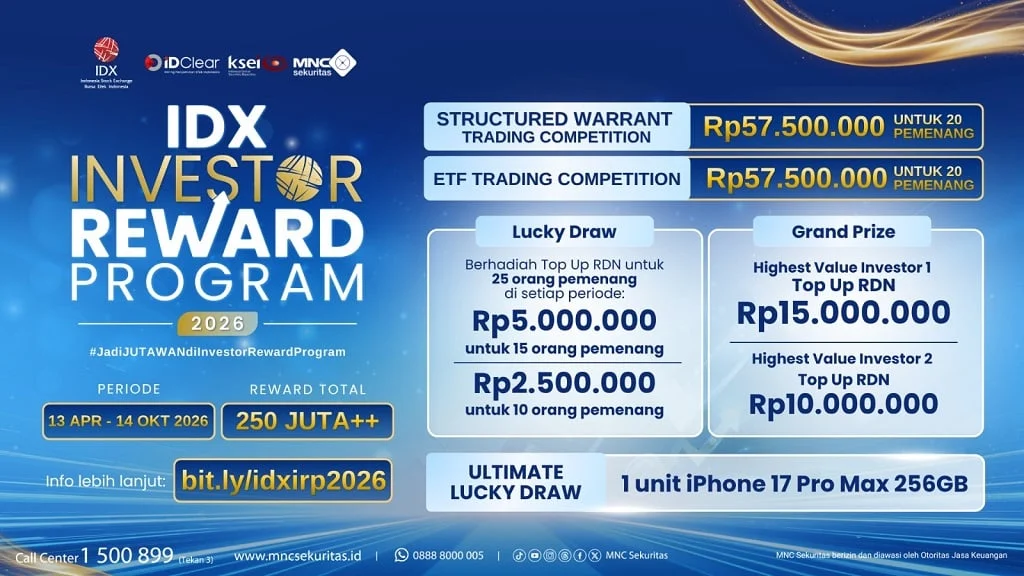
Ikuti Investor Reward Program 2026 Berhadiah Total Lebih dari Rp250 Juta!

by Ali Ikhwan May 2, 2025
written by Ali Ikhwan

The Indonesia Stock Exchange (BEI), in a strategic collaboration with leading securities firms such as MNC Sekuritas, has officially launched the "Investor Reward Program 2026." This ambitious initiative aims to significantly boost investor engagement and transaction activity within the Indonesian capital market, particularly focusing on Exchange Traded Funds (ETFs) and Structured Warrants. With a total reward pool exceeding IDR 250 million, the program is designed to incentivize both seasoned and nascent investors to explore and utilize these increasingly popular derivative products, thereby contributing to the market’s overall depth and liquidity.

MNC Sekuritas, a prominent securities company under the umbrella of MNC Group and predominantly owned by PT MNC Kapital Indonesia Tbk, stands as a key participant in this endeavor. Renowned for its comprehensive suite of capital market services, MNC Sekuritas offers not only traditional stock investment options but also a diverse array of products, including ETFs and Structured Warrants, providing investors with robust alternatives for portfolio diversification and strategic asset allocation. The firm’s involvement underscores its commitment to fostering a more dynamic and informed investment community within Indonesia.

Deepening Capital Market Participation: BEI’s Strategic Vision

The Investor Reward Program 2026 is a cornerstone of BEI’s broader strategy to deepen and diversify the Indonesian capital market. In recent years, Indonesia has witnessed a remarkable surge in retail investor participation, with the total number of capital market investors reportedly surpassing 12 million by early 2024, a significant leap from just a few years prior. This growth has been largely driven by enhanced digital access, increased financial literacy initiatives, and a burgeoning interest among younger demographics. However, BEI recognizes the imperative to not only expand the investor base but also to encourage more sophisticated engagement with a wider range of financial instruments.

According to insights from BEI, the development of a robust derivatives market, encompassing products like ETFs and Structured Warrants, is crucial for improving market efficiency, facilitating risk management, and attracting a more diverse pool of domestic and international capital. "Our goal is to create a capital market that is not only accessible but also offers a comprehensive spectrum of instruments to meet various investment objectives and risk appetites," stated a BEI representative, emphasizing the exchange’s commitment to continuous market innovation and investor empowerment. The Investor Reward Program, therefore, serves as a direct catalyst to educate investors on the benefits and mechanics of these instruments while rewarding their active participation.

MNC Sekuritas: A Gateway to Diverse Investment Opportunities

Ikuti Investor Reward Program 2026 Berhadiah Total Lebih dari Rp250 Juta!

As a key player in the Indonesian financial landscape, MNC Sekuritas has consistently positioned itself as a comprehensive solutions provider for investors. Beyond its core stock brokerage services, the firm offers access to mutual funds, fixed income products, and, critically, the derivative instruments championed by the current BEI program: ETFs and Structured Warrants. Its strong backing from the MNC Group, a diversified conglomerate with extensive interests in media, financial services, and hospitality, provides a stable and reputable platform for its clientele.

MNC Sekuritas’s digital trading platform, MotionTrade, exemplifies its commitment to technological innovation and investor accessibility. This platform allows investors to seamlessly execute trades, access real-time market data, and utilize analytical tools, thereby lowering barriers to entry and enabling more informed decision-making. "We are dedicated to empowering our clients with the knowledge and tools necessary to navigate the complexities of the capital market," remarked a spokesperson for MNC Sekuritas. "Participation in BEI’s Investor Reward Program aligns perfectly with our mission to promote financial literacy and provide diverse investment avenues, ensuring our investors can build resilient and growth-oriented portfolios." The firm actively conducts educational webinars and workshops, demystifying complex financial products and helping investors understand their potential.

Understanding Exchange Traded Funds (ETFs): A Primer

Exchange Traded Funds (ETFs) represent a rapidly growing segment of the global and Indonesian capital markets. An ETF is a type of investment fund that holds assets such as stocks, commodities, or bonds and typically trades close to its net asset value over the course of the trading day on national stock exchanges. Unlike traditional mutual funds, which are priced only once a day after the market closes, ETFs offer intra-day liquidity, allowing investors to buy and sell shares throughout the trading day at market prices.

The primary appeal of ETFs lies in their ability to provide diversification, often at a lower cost than actively managed mutual funds. By investing in a single ETF, investors can gain exposure to a broad basket of securities, an entire market index (e.g., an ETF tracking the IDX30), or a specific sector or theme (e.g., technology or ESG-focused ETFs). This inherent diversification helps spread risk, making them an attractive option for investors looking to gain exposure to various market segments without the need to individually select and manage multiple stocks or bonds. The Indonesian ETF market has shown consistent growth, with increasing numbers of products available tracking various indices and asset classes, reflecting a global trend towards passive and cost-effective investing. In 2023, the total Assets Under Management (AUM) for ETFs in Indonesia reportedly saw a significant uptick, indicating heightened investor interest and trust in these instruments.

Structured Warrants: Leveraging Market Movements

Structured Warrants are more complex derivative instruments that offer investors the opportunity to gain leveraged exposure to the price movements of an underlying asset, such as a stock, an index, or a commodity, without directly owning the asset itself. These warrants are typically issued by financial institutions and trade on the stock exchange, similar to ordinary shares. They grant the holder the right, but not the obligation, to buy (call warrant) or sell (put warrant) the underlying asset at a predetermined price (strike price) on or before a specified expiry date.

Ikuti Investor Reward Program 2026 Berhadiah Total Lebih dari Rp250 Juta!

The allure of Structured Warrants lies in their potential for magnified returns due. A relatively small price movement in the underlying asset can lead to a larger percentage gain or loss in the warrant’s value, offering a high-risk, high-reward investment proposition. However, this leverage also means they carry significant risk, including the potential for total loss of the initial investment if the underlying asset moves unfavorably. Investors considering Structured Warrants must possess a thorough understanding of their mechanics, including factors like implied volatility, time decay (theta), and delta, and should only invest with capital they can afford to lose. The introduction and promotion of Structured Warrants in the Indonesian market signify a maturing capital market, capable of offering more sophisticated tools for experienced investors seeking to execute specific trading strategies, such as hedging or speculating on short-term market trends. While still a relatively niche product compared to traditional stocks, their transaction volume has been steadily climbing, indicating a growing appetite for advanced trading instruments among a segment of Indonesian investors.

The Investor Reward Program 2026: Mechanics and Incentives

The Investor Reward Program 2026 is meticulously structured to maximize investor participation across its duration. It is divided into two distinct periods, each offering opportunities for investors to earn rewards:

  • Period 1: Commencing on April 13, 2026, and concluding on July 13, 2026.
  • Period 2: Following immediately, from July 14, 2026, until October 14, 2026.

In addition to these overarching program periods, BEI has also organized two specific trading competitions to further stimulate activity in each derivative category:

  • Structured Warrant Trading Competition: Running from May 4, 2026, to July 31, 2026.
  • ETF Trading Competition: Scheduled from May 4, 2026, to September 30, 2026.

The core mechanism of the program revolves around awarding raffle tokens to investors based on their trading activity in ETFs and Structured Warrants. The more actively an investor transacts in these specified instruments, the more tokens they accumulate, thereby increasing their chances of winning a share of the total prize pool exceeding IDR 250 million. This incentivization model is designed to foster consistent engagement and encourage investors to explore the full potential of these products. Eligibility typically requires investors to trade through participating brokerage firms, with MNC Sekuritas being a prominent partner, facilitating seamless participation for its clientele. The transparency and fairness of the token accumulation and prize distribution process are paramount to ensure widespread trust and participation.

Chronology of Market Development Initiatives

The Investor Reward Program 2026 is not an isolated event but rather a continuation of BEI’s long-standing commitment to developing a robust and inclusive capital market. Over the past decade, BEI, often in collaboration with the Financial Services Authority (OJK) and various market participants, has rolled out numerous initiatives aimed at enhancing market liquidity, fostering financial literacy, and introducing innovative products.

Ikuti Investor Reward Program 2026 Berhadiah Total Lebih dari Rp250 Juta!

Early initiatives focused on expanding the investor base through simplified account opening procedures and widespread investor education campaigns, particularly targeting the younger generation and regional communities outside Jakarta. The introduction of online trading platforms by brokerage firms significantly democratized access to the stock market. Subsequently, efforts shifted towards diversifying product offerings. The ETF market in Indonesia has seen steady growth since its inception, with new products being listed regularly. More recently, the introduction and active promotion of Structured Warrants signify a deliberate move to cater to more sophisticated trading strategies and attract a broader spectrum of institutional and high-net-worth individual investors, while also providing tools for retail investors who understand the associated risks. This chronological progression demonstrates a strategic, multi-pronged approach by BEI to evolve the Indonesian capital market from a nascent stage to a more mature and globally competitive ecosystem.

Market Impact and Future Implications

The Investor Reward Program 2026 is poised to generate several positive impacts on the Indonesian capital market:

  • Increased Liquidity and Depth: By stimulating trading activity in ETFs and Structured Warrants, the program is expected to enhance the liquidity of these instruments. Higher trading volumes make it easier for investors to enter and exit positions, reducing bid-ask spreads and improving market efficiency. This increased liquidity is vital for attracting larger institutional investments and integrating Indonesia’s market more deeply into global financial flows.
  • Enhanced Investor Sophistication: The program directly encourages investors to move beyond traditional stocks and explore more complex, yet potentially rewarding, derivative products. This exposure will naturally lead to a more sophisticated investor base, equipped with a broader understanding of risk management, diversification strategies, and advanced trading techniques. Such sophistication is crucial for the long-term health and stability of the market.
  • Benefits for Brokerage Firms: Participating brokerage houses like MNC Sekuritas stand to benefit significantly. Increased transaction volumes translate into higher commission revenues and potentially a larger client base as investors are drawn to the incentives. Furthermore, the program provides an excellent opportunity for these firms to showcase their robust trading platforms and their commitment to client education and support.
  • Financial Inclusion and Education: While these instruments are more advanced, the program’s focus, coupled with supporting educational initiatives from BEI and brokers, will inevitably contribute to greater financial literacy across the investor spectrum. Demystifying ETFs and Structured Warrants helps break down perceived barriers to entry, making the capital market more accessible and understandable for a wider segment of the population.
  • Challenges and Outlook: Despite the positive outlook, challenges remain. Investor education must be continuous and robust, particularly regarding the inherent risks of leveraged products like Structured Warrants. Market volatility, both domestic and global, could impact investor sentiment and participation. However, the proactive stance taken by BEI, supported by key market participants like MNC Sekuritas, demonstrates a commitment to navigating these challenges.

A prominent market analyst commented on the program’s potential, stating, "This initiative is a commendable step towards diversifying investment habits in Indonesia. While the rewards are attractive, the lasting impact will be in the increased financial literacy and confidence it instills in investors to explore a broader array of investment tools, ultimately making our capital market more resilient and dynamic."

MNC Sekuritas, in alignment with BEI’s vision, continues to play a pivotal role in investor education. Through various digital platforms, including their website and social media channels, they provide educational content, market analysis, and practical guides on investing in ETFs and Structured Warrants. Their dedicated team of financial advisors also offers personalized guidance, ensuring that investors are well-informed before making investment decisions.

In conclusion, the Investor Reward Program 2026, spearheaded by the Indonesia Stock Exchange and actively supported by firms like MNC Sekuritas, represents a significant leap forward in the development of Indonesia’s capital market. By incentivizing engagement with ETFs and Structured Warrants, the program not only aims to inject liquidity and foster deeper market participation but also to cultivate a more knowledgeable and sophisticated investor community. This collaborative effort is crucial for sustaining the growth trajectory of the Indonesian capital market and solidifying its position as a vibrant and attractive investment destination in the region.

May 2, 2025 0 comment
0 FacebookTwitterPinterestEmail
Business & Economy

Access for Indonesian Investors to Global Blockchain-Based Assets Expanded, Featuring Tesla, Apple, and More

by Basiran April 30, 2025
written by Basiran

JAKARTA – Indodax, one of Indonesia’s leading crypto asset exchanges, has significantly broadened investment opportunities for its members by introducing seven new tokenized global stocks. This strategic initiative, unveiled on Wednesday, April 15, 2026, in Jakarta, aims to democratize access to international equity markets for Indonesian retail investors through the innovative application of blockchain technology. The move represents a pivotal step in the ongoing convergence of traditional finance (TradFi) and the burgeoning digital asset ecosystem, offering a novel pathway to global stock exposure that bypassifies conventional barriers.

The newly launched tokenized stocks are digital representations of shares from some of the world’s most influential companies, providing investors with direct, blockchain-powered access to these assets. The seven global giants whose shares are now available in tokenized form on Indodax include Tesla (TSLAX), Alphabet (GOOGLX), NVIDIA (NVDAX), Circle (CRCLX), Apple (AAPLX), Amazon (AMZNX), and Coinbase (COINX). These tokenized assets are engineered to operate efficiently on the Solana blockchain network, renowned for its high throughput and low transaction costs, thereby enhancing the accessibility and cost-effectiveness for investors.

The Evolution of Tokenized Assets and Global Investment Trends

The introduction of tokenized stocks by Indodax is not an isolated event but rather a reflection of a growing global trend towards the tokenization of real-world assets (RWAs). This paradigm shift leverages blockchain technology to create digital representations of tangible and intangible assets, including real estate, art, commodities, and, increasingly, traditional securities. The core appeal lies in blockchain’s ability to offer enhanced transparency, immutability, fractional ownership, and increased liquidity, addressing some of the long-standing limitations of conventional financial markets.

For Indonesian investors, the appetite for global market exposure has been steadily increasing. Driven by a desire for diversification, higher growth potential, and access to innovative companies not listed on local exchanges, retail investors have historically faced hurdles such as complex international brokerage account setups, high minimum investment thresholds, and unfavorable foreign exchange rates. Indodax’s new offering directly addresses these challenges, positioning itself as a crucial bridge between local capital and global opportunities.

Understanding Tokenized Stocks: A Blend of Traditional Finance and Blockchain Innovation

Tokenized stocks are digital assets designed to mirror the value of their underlying traditional stock counterparts with a 1:1 peg. This means that the price of a TSLAX token, for instance, is directly tied to the real-time market price of Tesla shares traded on conventional stock exchanges. The mechanism typically involves a custodian holding the actual shares, while the corresponding tokens are issued on a blockchain network. This structure allows investors to gain economic exposure to the performance of these global stocks without directly owning the underlying security in a traditional brokerage account.

One of the most compelling advantages of tokenized stocks, as highlighted by Antony Kusuma, Vice President of Indodax, is the flexibility they introduce. "Through tokenized stocks, we are witnessing a shift in how investors access global assets, making it more open and flexible. This is not just about ease of access, but also how blockchain technology can simplify processes that were previously more complex," Kusuma stated in Jakarta. He further emphasized the importance of investor education: "However, understanding the mechanisms and risks remains crucial for investors to make informed decisions."

Beyond simplified access, tokenized stocks offer several key benefits over traditional equity trading:

  • Fractional Ownership: Investors can purchase a fraction of a single share, enabling participation in high-value stocks like Apple or Tesla with smaller capital outlays. This significantly lowers the barrier to entry for many retail investors.
  • 24/7 Trading: Unlike conventional stock exchanges that operate within specific business hours, tokenized stocks can be traded continuously, 24 hours a day, seven days a week, reflecting the always-on nature of blockchain networks. This provides greater flexibility and responsiveness to global market movements.
  • Enhanced Liquidity: While still evolving, the potential for increased liquidity stems from broader participation and the ability to trade across different time zones without interruption.
  • Reduced Intermediaries: By leveraging blockchain, the process can potentially reduce the number of intermediaries involved in traditional cross-border equity transactions, leading to lower fees and faster settlement times.

Strategic Implications and Market Impact

Indodax’s decision to integrate tokenized stocks is a strategic move that places it at the forefront of financial innovation in Indonesia. As a licensed crypto asset exchange under Indonesia’s Commodity Futures Trading Regulatory Agency (Bappebti), Indodax operates within a regulated framework that is continuously adapting to the rapid evolution of digital assets. This initiative not only enhances its product offering but also solidifies its position as a comprehensive digital asset platform.

The expansion into tokenized stocks is expected to have several broader impacts:

  • For Indonesian Investors: It significantly diversifies their investment portfolios beyond local stocks and traditional crypto assets, offering exposure to global tech, EV, AI, and crypto infrastructure companies. This fosters financial inclusion by making sophisticated investment products accessible to a wider demographic.
  • For Indodax and the Crypto Ecosystem: It reinforces the legitimacy and utility of blockchain technology beyond purely speculative crypto trading. By bridging TradFi and DeFi, Indodax is showcasing the practical applications of blockchain in mainstream finance, potentially attracting a new cohort of investors who might be cautious about traditional cryptocurrencies but interested in global stocks.
  • For the Indonesian Financial Market: This development could spur further innovation among other financial institutions and regulatory bodies. It highlights the growing demand for modern, digitally native investment solutions and may prompt discussions on how to integrate such offerings more broadly within the national financial infrastructure.

Regulatory Landscape and Investor Protection

Indonesia has been proactive in establishing a regulatory framework for crypto assets, with Bappebti overseeing exchanges and digital asset trading. While tokenized stocks present a hybrid asset class, combining elements of securities and digital assets, their regulation will likely involve collaboration between Bappebti and the Financial Services Authority (OJK), which governs traditional securities markets. Experts anticipate that regulatory bodies will closely monitor these developments to ensure investor protection, market stability, and compliance with anti-money laundering (AML) and know-your-customer (KYC) regulations. The need for clear guidelines on the issuance, trading, and custody of tokenized securities will be paramount as this market segment matures.

Antony Kusuma’s emphasis on "understanding the mechanisms and risks" underscores the exchange’s commitment to responsible innovation. Key risks associated with tokenized stocks, similar to traditional assets, include market volatility, liquidity risks, and counterparty risks (related to the custodian holding the underlying assets). Additionally, blockchain-specific risks like smart contract vulnerabilities and regulatory uncertainty in nascent markets also need to be carefully considered by investors.

A Glimpse into the Future: The Integration of Finance

The introduction of tokenized stocks on platforms like Indodax marks a significant milestone in the journey towards a more integrated and digitally native financial system. This development follows a chronological progression of financial innovation, from the early days of traditional stock exchanges to the rise of electronic trading, and more recently, the emergence of decentralized finance (DeFi) on blockchain. Tokenization represents the next logical step, leveraging the efficiency and transparency of blockchain to unlock new possibilities for asset ownership and transfer.

Looking ahead, the potential for asset tokenization extends far beyond stocks. We could see a future where various illiquid assets, such as private equity, real estate portfolios, and even intellectual property, are tokenized, making them more accessible and liquid for a broader range of investors. This vision aligns with the broader global trend of digital transformation across all sectors, with finance often leading the charge.

As Indodax continues to innovate, its latest offering serves as a testament to the transformative power of blockchain technology in bridging the gap between traditional and digital finance. It empowers Indonesian investors with unprecedented access to global markets, fostering a more inclusive, efficient, and interconnected investment landscape. The journey of tokenized assets is still in its early stages, but initiatives like this firmly establish Indonesia as a key player in shaping the future of global investment.

April 30, 2025 0 comment
0 FacebookTwitterPinterestEmail
Business & Economy

PPI Gandeng BRI Dampingi UMKM Agar Naik Kelas

by Reynand Wu April 29, 2025
written by Reynand Wu

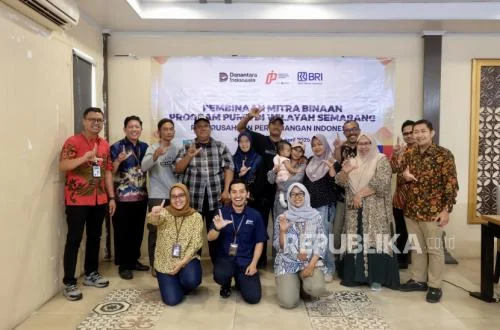
In a significant move on Wednesday, April 15, 2026, PT Perusahaan Perdagangan Indonesia (PPI) reinforced its commitment to bolstering the backbone of the Indonesian economy by intensifying its Micro, Small, and Medium Enterprises (MSME) development initiatives. This strategic enhancement is being realized through a series of engaging sharing sessions and comprehensive mentorship programs for beneficiaries of the Micro and Small Business Funding Program (PUMK). The latest iteration of this vital program was jointly organized with PT Bank Rakyat Indonesia (Persero) Tbk (BRI), a state-owned banking giant renowned for its deep penetration into the MSME sector, and took place in Semarang, Central Java, underscoring a concerted effort to reach and empower local entrepreneurs.

A Strategic Alliance for Economic Empowerment

The collaboration between PPI and BRI represents a powerful synergy between two prominent State-Owned Enterprises (BUMNs), each bringing distinct strengths to the table. PT Perusahaan Perdagangan Indonesia (PPI), established in 2003, is a state-owned trading company primarily involved in commodity trading, distribution, and logistics, playing a crucial role in stabilizing national supply chains and ensuring market access for various products. Its mandate extends beyond mere commerce to include contributing to national economic development, particularly through fostering local industries and empowering small businesses. On the other hand, PT Bank Rakyat Indonesia (Persero) Tbk (BRI) stands as one of Indonesia’s largest banks, with an unparalleled focus on the micro, small, and medium segments. With its vast network reaching remote corners of the archipelago and decades of experience in microfinance, BRI possesses invaluable expertise in financial inclusion, credit disbursement, and risk management tailored for grassroots enterprises. This partnership, therefore, leverages PPI’s strategic position in trade and distribution with BRI’s financial prowess and extensive reach, creating a robust ecosystem for MSME growth.

The initiative in Semarang is not an isolated event but rather part of an ongoing commitment by PPI and BRI to nurture the entrepreneurial spirit across Indonesia. The program is designed to transcend mere financial assistance, aiming instead for holistic development that addresses various facets of business operations. It reflects a shared vision to not only provide capital but also to equip MSMEs with the knowledge, skills, and networks necessary for sustainable growth and competitiveness in an increasingly dynamic market.

Understanding the PUMK Program: Beyond Capital

Ira Berlianty Aziz, Head of Corporate Secretariat and TJSL (Social and Environmental Responsibility) at PT PPI, emphasized the critical importance of conducting routine and consistent coaching and mentorship activities to ensure the program’s effectiveness. "This is a strategic step to monitor the business development of our fostered partners, while also ensuring that the utilization of disbursed funding yields tangible impacts on business growth," Ira stated in a written declaration from Jakarta. Her remarks underscore that the PUMK program is fundamentally about long-term sustainability rather than short-term relief. It’s a comprehensive framework designed to elevate MSMEs from various stages of development to higher levels of operational maturity and market presence.

The PUMK program operates on the principle that financial access alone is often insufficient for MSMEs to thrive. Many small businesses face challenges related to management skills, marketing strategies, product development, legal compliance, and access to broader markets. Recognizing these multifaceted needs, the PUMK initiative integrates several key components:

  1. Financial Support: Providing accessible and appropriate funding to MSMEs, often tailored to their specific needs and growth stages. This includes working capital loans, investment loans, and other financial instruments.
  2. Capacity Building: Offering training modules, workshops, and sharing sessions on topics such as financial literacy, bookkeeping, digital marketing, product innovation, quality control, and human resource management.
  3. Mentorship and Business Consulting: Pairing MSMEs with experienced mentors who provide personalized guidance, help identify challenges, and formulate strategic solutions. This often involves one-on-one consultations and peer-to-peer learning.
  4. Market Access Facilitation: Connecting MSMEs with potential buyers, distributors, and larger supply chains, including through digital platforms and participation in trade fairs.
  5. Monitoring and Evaluation: Regularly tracking the progress of fostered MSMEs, assessing the impact of interventions, and adapting strategies based on feedback and performance data.

Ira further elaborated that mentorship is the cornerstone of this approach, ensuring that MSMEs not only gain access to financing but also enhance their overall business capacity. PPI, in this context, acts as a strategic partner, actively encouraging entrepreneurs to develop and "level up" their businesses. "Through the PUMK Program, we are not merely present as funding providers, but also as partners who accompany entrepreneurs to possess competitiveness and sustainability," Ira affirmed, highlighting the program’s holistic and supportive nature. This philosophy is crucial for fostering resilient businesses that can withstand economic fluctuations and contribute consistently to the national economy.

The Semarang Initiative: A Deep Dive into Mentorship

The recent event in Semarang served as a focal point for the PUMK program’s operational implementation. The selection of Semarang, a vibrant economic hub in Central Java, reflects a strategic choice to impact a region with a diverse MSME landscape and significant growth potential. The activities conducted during this session were meticulously planned to provide maximum value to the participating MSMEs.

The "sharing session" component allowed entrepreneurs to exchange experiences, best practices, and challenges in a collaborative environment. These sessions often feature presentations from successful MSME owners, industry experts, and PPI/BRI officials, covering topics pertinent to current market trends and operational efficiency. For instance, discussions might have revolved around leveraging digital platforms for sales, optimizing supply chain management, or navigating regulatory requirements.

The "pendampingan mitra binaan" (mentorship for fostered partners) involved more personalized interactions. PPI and BRI representatives engaged directly with individual MSMEs, reviewing their business plans, analyzing financial statements, and providing tailored advice. This could include assistance in preparing loan applications, developing marketing strategies, or improving product packaging. The hands-on approach ensures that the guidance provided is relevant and directly applicable to the specific needs and contexts of each business.

A critical aspect of the Semarang initiative, as highlighted by Ira Berlianty Aziz, was the opportunity to identify the real-world challenges faced by MSMEs on the ground. This direct feedback mechanism is invaluable for PPI and BRI. The insights gathered from these interactions form the basis for refining future coaching programs, ensuring they are more targeted, relevant, and impactful. For example, if many MSMEs express difficulties in accessing raw materials, future programs might focus on establishing procurement cooperatives or connecting them with reliable suppliers. If digital literacy is a common issue, more intensive training on e-commerce platforms might be prioritized.

The Vital Role of MSMEs in Indonesia’s Economy

The emphasis placed on MSMEs by PPI and BRI is well-founded, given their monumental contribution to the Indonesian economy. MSMEs are the bedrock of the nation’s economic stability and growth.

  • GDP Contribution: MSMEs account for approximately 60-65% of Indonesia’s Gross Domestic Product (GDP), a figure that has remained consistently high over the years. This substantial share underscores their critical role in wealth creation and economic output.
  • Employment Generation: These businesses are massive job creators, absorbing around 97% of the national workforce. With over 64 million MSMEs operating across various sectors, they provide livelihoods for millions of Indonesians, playing a crucial role in poverty alleviation and income distribution.
  • Economic Resilience: During economic downturns, MSMEs often demonstrate greater resilience compared to larger corporations due to their adaptability, lower overheads, and ability to cater to local demand. Their diverse nature helps cushion the economy against shocks.
  • Innovation and Local Development: MSMEs are often incubators for innovation, introducing new products, services, and business models that cater to specific local needs. They foster local economies, promote regional development, and preserve traditional crafts and industries.
  • Export Potential: While historically focused on domestic markets, there is increasing potential for MSMEs to contribute to Indonesia’s export volume, particularly in sectors like creative industries, food and beverage, and handicraft.

Despite their vital contributions, Indonesian MSMEs face numerous hurdles. Access to finance remains a significant challenge, with a substantial credit gap that conventional banks sometimes struggle to fill. Other obstacles include limited access to technology, lack of marketing expertise, inadequate management skills, and difficulties in navigating complex regulatory environments. The PUMK program, through its multifaceted approach, directly aims to address these systemic issues, thereby unlocking the full potential of these enterprises.

Voices from the Field: Stakeholder Perspectives

The success of the PPI-BRI partnership and the PUMK program is best understood through the perspectives of its various stakeholders.

From PPI’s perspective, Ira Berlianty Aziz reiterated the company’s broader commitment. "PPI, through this initiative, is committed to supporting inclusive and sustainable economic development, while strengthening the contribution of micro and small businesses in Indonesia," she stated. This reflects PPI’s mandate as a BUMN to contribute to national development beyond its core trading activities, aligning with the government’s agenda for equitable growth.

A representative from BRI, speaking on the condition of anonymity due to internal protocol regarding program-specific statements, emphasized the bank’s long-standing dedication to the MSME sector. "BRI’s mission has always been deeply intertwined with the prosperity of MSMEs. Our collaboration with PPI on the PUMK program allows us to combine our financial expertise and extensive network with PPI’s strategic insights into trade and distribution. This synergy is crucial for creating a more robust support system, ensuring that capital is not just disbursed, but also effectively utilized to foster sustainable business growth," the representative commented. This highlights BRI’s strategic view of the partnership as an amplification of its core mission.

Local government officials in Central Java have also lauded the initiative. A spokesperson for the Central Java Provincial Government’s Department of Cooperatives and MSMEs remarked, "We welcome and highly appreciate the collaborative efforts of PPI and BRI in supporting our local MSMEs. Programs like PUMK are indispensable for stimulating regional economic activity, creating jobs, and enhancing the overall welfare of our communities. Such focused mentorship and funding initiatives are vital complements to our provincial development plans." This indicates strong governmental support and recognition of the program’s regional impact.

Most importantly, the beneficiaries themselves express tangible benefits. Ms. Retno Wulandari, owner of a batik handicraft business in Semarang and a participant in the PUMK program, shared her experience: "Before joining this program, I struggled with managing my finances and reaching a wider market. The mentorship sessions from PPI and BRI taught me how to properly record my transactions, understand profit margins, and even utilize social media for marketing. The funding allowed me to invest in new equipment, and now my production capacity has increased, and my products are reaching customers beyond Semarang. This program has truly transformed my business." Such testimonials underscore the direct, positive impact on individual entrepreneurs and their ventures.

Identifying Challenges and Paving the Way Forward

The Semarang event also served as a crucial platform for identifying and analyzing the challenges that MSMEs encounter in their daily operations. This proactive approach to problem-solving is integral to the PUMK program’s adaptive nature. The results of these evaluations directly inform PPI’s strategy for designing more targeted and effective coaching and support initiatives in the future.

Common challenges frequently identified include:

  • Limited Digital Literacy: Many MSMEs, especially those in traditional sectors, struggle with adopting digital tools for marketing, sales, and operational efficiency.
  • Access to Quality Raw Materials: Ensuring a consistent supply of affordable and high-quality raw materials can be a logistical and financial hurdle.
  • Branding and Packaging: Developing appealing and competitive branding and packaging is often beyond the capacity of small businesses without professional guidance.
  • Market Access: Breaking into new markets, both domestic and international, requires significant networking and understanding of distribution channels.
  • Compliance and Legal Issues: Navigating complex business regulations, permits, and intellectual property rights can be daunting.

By systematically gathering this information, PPI and BRI can tailor future interventions. For example, if a significant number of MSMEs in a particular region face difficulties in digital marketing, subsequent training programs could feature intensive workshops on e-commerce platforms, social media advertising, and search engine optimization. If access to finance remains a bottleneck, new funding mechanisms or easier application processes might be explored. This iterative process of assessment, intervention, and re-evaluation ensures the program remains relevant and impactful.

Broader Implications and the Vision for Inclusive Growth

Ira Berlianty Aziz reiterated that this program is expected to broaden market access and enhance the business capacity of fostered partners. This vision extends beyond individual business success to encompass a broader impact on national economic development.

The implications of such a comprehensive MSME development program are far-reaching:

  • Inclusive Economic Growth: By empowering MSMEs, the program contributes to a more equitable distribution of wealth and opportunities, reducing economic disparities between regions and social groups.
  • Job Creation and Poverty Reduction: The expansion of MSMEs directly translates into more jobs, providing stable incomes and improving the livelihoods of countless families, thereby alleviating poverty.
  • Strengthened Economic Resilience: A vibrant and diverse MSME sector enhances the nation’s ability to withstand economic shocks, as diversified small businesses are less susceptible to single-industry downturns.
  • Innovation and Competitiveness: Through mentorship and capacity building, MSMEs are encouraged to innovate, improve product quality, and adopt modern business practices, making them more competitive in both domestic and international markets.
  • Digital Transformation: The program can accelerate the digital transformation of MSMEs, integrating them into the digital economy and unlocking new avenues for growth and efficiency.

Ultimately, the PPI-BRI partnership for the PUMK program is more than just a collaboration; it is a blueprint for BUMN synergy aimed at achieving national development goals. By combining their respective strengths, these state-owned enterprises are setting a precedent for how public sector entities can work together to foster a robust, inclusive, and sustainable economic future for Indonesia, with MSMEs at its heart. The ongoing commitment, as exemplified by the Semarang initiative, ensures that this vital segment of the economy continues to receive the support it needs to thrive and contribute significantly to the nation’s prosperity.

April 29, 2025 0 comment
0 FacebookTwitterPinterestEmail
Business & Economy

Digital Gold Transactions on ICDX Soar by 246% in Q1 2026 Amid Growing Investor Interest

by Ammar Sabilarrohman April 28, 2025
written by Ammar Sabilarrohman

JAKARTA – The Indonesia Commodity & Derivatives Exchange (ICDX), also known as Bursa Komoditi dan Derivatif Indonesia (BKDI), has reported a monumental surge in digital physical gold market transactions, experiencing a staggering 246% growth in the first quarter of 2026 compared to the same period in 2025. This significant uptick underscores a burgeoning appetite among Indonesian investors for accessible and regulated digital gold investment vehicles, propelling the commodity market into a new era of digitalization. The total transaction volume for digital physical gold on the ICDX reached an impressive 30,921,382 grams during Q1 2026, a dramatic increase from 8,941,108 grams recorded in Q1 2025.

This remarkable growth trajectory has not only highlighted the increasing digitalization of Indonesia’s financial landscape but also positioned digital gold as a prominent asset class within the national investment portfolio. Nursalam, the Director of ICDX, emphasized the implications of this trend in an official statement on Wednesday, April 15, 2026. "The transaction growth in Q1 2026 clearly indicates that digital physical gold trading on the Futures Exchange is gaining substantial traction and popularity among the public," Nursalam stated. However, he also issued a crucial advisory, urging the public to exercise extreme caution against various unofficial digital gold trading offers circulating on social media platforms, reiterating the importance of engaging only with regulated and legitimate channels.

Understanding Digital Gold and the Role of ICDX

Digital gold, at its core, represents an investment in physical gold that is stored in secure vaults but traded electronically. Unlike traditional gold investment, which often involves the physical possession or storage of bullion, digital gold offers fractional ownership, ease of transaction, and enhanced liquidity. Investors can buy, sell, or even redeem their gold in smaller denominations, making it more accessible to a wider demographic. This innovative approach removes many of the logistical challenges and security concerns associated with physical gold ownership, such as storage, insurance, and authenticity verification.

The Indonesia Commodity & Derivatives Exchange (ICDX) plays a pivotal role in facilitating this modern form of gold trading. Established to provide a transparent, efficient, and regulated marketplace for commodity derivatives and physical commodities, ICDX operates under the strict oversight of the Commodity Futures Trading Regulatory Agency (Bappebti), a government body under the Ministry of Trade of the Republic of Indonesia. Bappebti’s mandate is to regulate, supervise, and develop commodity futures trading activities in Indonesia, ensuring market integrity and investor protection. ICDX’s platform for digital physical gold, therefore, offers a secure and compliant environment for investors to engage in gold trading, adhering to national regulatory standards designed to mitigate risks and prevent illicit activities. The exchange’s commitment to regulatory compliance and technological innovation has been instrumental in building investor confidence in digital commodity trading.

Chronology of Digital Gold Adoption and Market Drivers

The journey towards widespread digital gold adoption in Indonesia has been gradual but steady, accelerating significantly in recent years. Initially, gold investment in Indonesia was predominantly through traditional channels, such as buying physical gold from jewelers, banks, or state-owned mints. The advent of digital platforms began to emerge in the late 2010s, offering online access to gold trading, often in partnership with established financial institutions.

  • Early 2020s: The COVID-19 pandemic acted as a significant catalyst for digital adoption across various sectors, including finance. With mobility restrictions and an increased reliance on online services, investors began exploring digital alternatives for their investment needs. Digital gold platforms gained initial traction due to their convenience and contactless nature.
  • Mid-2020s: Regulatory frameworks began to solidify, with Bappebti taking a more active role in licensing and supervising digital commodity exchanges and their offerings, including digital gold. This regulatory clarity provided a much-needed layer of security and legitimacy, attracting more institutional and retail investors. ICDX, leveraging its existing infrastructure and regulatory compliance, significantly enhanced its digital gold trading capabilities, making the process seamless and secure.
  • Late 2025: The full-year transaction data for 2025, which saw 56,595,115 grams of digital physical gold traded on ICDX, already indicated a robust and growing market. This performance set a strong precedent for the accelerated growth witnessed in early 2026.
  • Q1 2026: The exceptional 246% growth in Q1 2026 is a culmination of these factors: improved technological platforms, robust regulatory oversight, increasing investor education, and prevailing macroeconomic conditions that favor safe-haven assets.

Several factors have converged to fuel this unprecedented growth. Globally, gold has historically been considered a safe-haven asset, particularly during times of economic uncertainty, geopolitical instability, or inflationary pressures. In early 2026, concerns over persistent global inflation, coupled with ongoing geopolitical tensions in various parts of the world, likely spurred investors to seek refuge in gold. The weakening of some major global currencies and the volatility in equity markets could also have directed capital towards more stable assets like gold.

Domestically, Indonesia’s robust economic growth, coupled with a growing middle class and increasing financial literacy, has created a fertile ground for diverse investment products. The younger, tech-savvy demographic, accustomed to digital platforms for everyday transactions, naturally gravitates towards digital investment solutions. The ease of opening an account, lower minimum investment thresholds, and instant liquidity offered by digital gold platforms appeal directly to these new-age investors who prioritize convenience and accessibility.

Detailed Analysis of Q1 2026 Performance and Projections

The 246% year-on-year growth in Q1 2026 is a staggering figure that points to a fundamental shift in investor behavior and market dynamics. From 8,941,108 grams in Q1 2025 to 30,921,382 grams in Q1 2026, the increase represents an additional 21,980,274 grams of gold traded digitally. This growth is likely attributable to a combination of factors:

  • Increased Number of Participants: More individual and institutional investors are likely entering the digital gold market, drawn by its benefits.
  • Higher Transaction Frequency: Existing investors might be trading more frequently, indicating increased confidence and liquidity in the market.
  • Larger Transaction Sizes: As the market matures and investor capital grows, the average transaction size might also be increasing.

Comparing the Q1 2026 performance with the full-year 2025 figure of 56,595,115 grams provides further insight. If the current Q1 2026 growth trajectory were to persist throughout the year, 2026 could potentially see total digital gold transactions reaching well over 100 million grams, significantly surpassing the 2025 total. This projection, while optimistic, underscores the immense potential for digital gold to become a cornerstone of Indonesia’s commodity trading landscape. Nursalam’s optimism for continued positive growth until the end of 2026 is well-founded, given the robust start to the year.

The rising global gold prices during the period, driven by central bank buying, inflation hedging, and safe-haven demand, would have made gold an attractive asset. For instance, if global spot gold prices averaged around $2,000-$2,200 per troy ounce during Q1 2026, the total value of transactions on ICDX would translate into billions of US dollars, signifying the substantial capital flowing into this digital asset class. This makes digital gold not just a niche product but a significant component of the broader financial market.

Transaksi Emas Digital ICDX Melonjak 246% di Kuartal I-2026

Statements from Related Parties and Expert Perspectives

The impressive growth has garnered attention from various stakeholders across the Indonesian financial ecosystem.

ICDX Director, Nursalam: Beyond his initial statement, Nursalam elaborated on the exchange’s commitment to fostering a secure and transparent trading environment. He emphasized that ICDX continually invests in robust technology and security protocols to protect investor assets and data. His warning about unofficial platforms is a critical part of ICDX’s broader strategy to educate the public and prevent them from falling victim to scams. "Our primary goal is to ensure that investors can trade with confidence, knowing that their investments are secure and regulated by Bappebti. We actively collaborate with regulators to monitor the market and identify any unauthorized activities," Nursalam added, underscoring the collaborative effort to maintain market integrity. He also highlighted ICDX’s efforts to expand investor education programs, reaching out to potential investors through various channels to inform them about the benefits of regulated trading and the risks of unregulated platforms.

Regulatory Perspective (Bappebti – Inferred): While no direct statement from Bappebti was provided in the original article, the agency’s role is paramount. Bappebti would likely welcome the growth in regulated digital gold trading as it signifies increased public participation in a structured financial market, moving away from potentially risky informal channels. However, the agency would also be keenly aware of the challenges posed by the rapid expansion of digital assets. A hypothetical statement from a Bappebti official might emphasize: "The remarkable growth in digital gold transactions on ICDX reflects the public’s increasing trust in regulated commodity exchanges. Bappebti remains committed to ensuring market fairness, transparency, and investor protection. We urge all prospective investors to only engage with platforms licensed and supervised by Bappebti to safeguard their investments from fraudulent schemes." This would reinforce the regulatory body’s dual role of fostering market growth while simultaneously ensuring robust oversight.

Market Analysts: Financial analysts view the surge as a positive indicator for the diversification and maturity of Indonesia’s capital markets. Dr. Sarah Wijaya, a senior market analyst at a Jakarta-based financial consultancy (hypothetical), might comment: "The 246% growth in digital gold on ICDX is a testament to the evolving investment landscape in Indonesia. Investors are increasingly sophisticated, seeking assets that offer both convenience and a hedge against economic uncertainties. Digital gold perfectly fits this niche, particularly for younger demographics who are comfortable with digital platforms. This trend also signifies a broader acceptance of alternative assets beyond traditional stocks and bonds." She might further suggest that this growth could inspire other commodity exchanges to accelerate their digital transformation initiatives.

Investor Sentiment (General): Interviews with typical retail investors (hypothetical) often reveal a blend of excitement and caution. A 30-year-old professional, Ms. Dian Paramita, might state: "I started investing in digital gold last year because it seemed easier and more affordable than buying physical gold. I can invest small amounts regularly and monitor it from my phone. It feels more secure because it’s on a regulated platform like ICDX." This sentiment highlights the key attractions: accessibility, convenience, and perceived security of regulated platforms.

Implications and Future Outlook

The exponential growth in digital gold transactions carries significant implications for Indonesia’s financial markets and its investors.

For Indonesian Financial Markets:

  • Market Deepening and Sophistication: The robust performance of digital gold contributes to the deepening of Indonesia’s capital markets, offering more diverse investment instruments and attracting a broader investor base. This enhances market liquidity and efficiency.
  • Innovation Catalyst: The success of digital gold on ICDX could serve as a blueprint for the digitalization of other commodities, potentially leading to the development of new digital asset classes and trading platforms.
  • Global Positioning: A strong, well-regulated digital commodity market enhances Indonesia’s reputation as a progressive financial hub, potentially attracting international investors and partnerships.

For Investors:

  • Accessibility and Diversification: Digital gold provides an easily accessible avenue for portfolio diversification, allowing investors to hedge against inflation and market volatility without the complexities of physical gold ownership.
  • Financial Inclusion: Lower entry barriers make gold investment accessible to individuals with smaller capital, promoting greater financial inclusion across different socioeconomic strata.
  • Risk Awareness: The proliferation of digital platforms, both legitimate and illegitimate, necessitates heightened investor awareness regarding due diligence and the importance of choosing regulated exchanges.

Regulatory Challenges and Opportunities:

  • Adapting Regulations: Regulators like Bappebti face the ongoing challenge of adapting existing frameworks to keep pace with rapid technological innovation in digital assets. This involves continuous review and updates to ensure consumer protection without stifling market growth.
  • Combating Illicit Activities: The digital realm is susceptible to scams and fraudulent schemes. Regulators must intensify efforts to monitor social media and online platforms for unauthorized offers, issuing timely warnings and taking decisive action against perpetrators.
  • International Collaboration: As digital assets transcend national borders, there’s an increasing need for international collaboration among regulators to establish harmonized standards and combat cross-border financial crime.

Looking ahead, the outlook for digital gold in Indonesia remains overwhelmingly positive. The confluence of a digitally native population, a supportive regulatory environment, and the inherent appeal of gold as a store of value suggests sustained growth. ICDX’s proactive approach, combining market innovation with a strong emphasis on investor protection, positions it well to capitalize on this trend. The exchange may explore further enhancements to its platform, such as integrating more advanced analytics tools, expanding educational resources, or even introducing new digital commodity products, to maintain its momentum.

The robust Q1 2026 performance is not merely a statistical anomaly but a clear indicator of a transformative period for commodity trading in Indonesia. As the nation continues its digital transformation journey, digital gold is poised to play an increasingly vital role in empowering investors and shaping the future of financial markets. However, sustained vigilance from both market participants and regulators will be crucial to ensure this growth is healthy, sustainable, and beneficial for all stakeholders, safeguarding against the ever-present risks of the digital frontier.

April 28, 2025 0 comment
0 FacebookTwitterPinterestEmail
Business & Economy

The Resurgence of Silver: A Strategic Investment Amidst Technological Advancement and Economic Uncertainty

by Azzam Bilal Chamdy April 26, 2025
written by Azzam Bilal Chamdy

Jakarta (ANTARA) – Beyond the enduring allure of gold, silver has firmly established itself as another precious metal of significant strategic value, rapidly gaining prominence as a vital investment instrument. Its appeal has steadily climbed in tandem with a growing public awareness of its dual profitability potential, stemming from both its intrinsic value and its burgeoning industrial demand in an increasingly digitalized world. For discerning investors keen to diversify their portfolios, silver investments are readily accessible through a variety of official channels, including established formal financial institutions and reputable precious metals vendors, all of which assure credibility and transparency in transactions.

Understanding Silver’s Unique Profile

At its core, silver, as elucidated by sources like Sahabat Pegadaian, is instantly recognizable by its characteristic lustrous, metallic grey sheen. However, its significance extends far beyond mere aesthetic appeal. Silver is not just a beautiful metal; it is a highly conductive asset possessing profound economic utility. Its inherent softness and remarkable malleability make it an indispensable element across a myriad of global trade and industrial applications. Historically, silver has occupied an esteemed position in human civilization, transitioning from ancient forms of currency and a fundamental medium of exchange to a symbol of opulence, gracing the adornments and household accoutrements of royalty and aristocracy.

In the contemporary landscape, propelled by the relentless pace of digital transformation, silver has undergone a strategic metamorphosis, evolving into a highly liquid and valuable financial asset. This transformation is particularly evident in its critical role within the rapidly expanding sectors of smart technology and robotics. The escalating global demand for advanced technological devices has, in turn, fueled an unprecedented surge in the need for raw silver material. This intricate interplay between technological innovation and commodity demand is a primary driver behind the heightened investment interest in the metal, a trend widely anticipated to strengthen considerably as global economies become increasingly reliant on future technological advancements.

Historical Trajectory and Economic Significance

Silver’s journey through human history is as rich and complex as gold’s, often intertwined but with distinct characteristics. For millennia, silver served as a cornerstone of monetary systems, with its earliest recorded use as currency dating back to ancient civilizations. The Roman Empire, for instance, extensively utilized silver coins, with the denarius being a prominent example, facilitating trade and economic stability across vast territories. In various cultures, silver was not only a medium of exchange but also a store of wealth, often perceived as a more accessible alternative to gold. The bimetallic standard, where both gold and silver circulated as legal tender at a fixed ratio, was a dominant feature of global economies for centuries, underscoring silver’s integral role in financial frameworks until the late 19th and early 20th centuries.

The shift away from bimetallism and the adoption of the gold standard, followed by fiat currencies, saw silver gradually relinquish its primary monetary role. However, it swiftly found new purpose as an industrial workhorse. Its unparalleled electrical and thermal conductivity, reflectivity, and antimicrobial properties ensured its continued relevance, albeit in a different capacity. This transition from a purely monetary metal to an industrial commodity with significant investment potential highlights its adaptability and enduring value proposition. Historically, silver prices have exhibited a higher degree of volatility compared to gold, often referred to as "gold on steroids," meaning it can experience more pronounced percentage gains during bull markets but also sharper corrections during downturns. This characteristic contributes to its appeal for investors seeking potentially higher returns, albeit with commensurately higher risk.

Diverse Avenues for Silver Investment

For investors looking to venture into the silver market, understanding the various types of silver and available investment vehicles is paramount. It is crucial, particularly for novice investors, to distinguish between different forms of silver to align with specific investment objectives.

1. Physical Silver (Bullion): The Foundation of Investment

The most recommended and straightforward instrument for investment is fine silver, characterized by its exceptional purity of up to 99.9% (often denoted as .999 fine) or even 99.99% (.9999 fine). This form of silver is specifically valued for its metal content, making it an ideal long-term asset.

  • Silver Bullion Bars: These are perhaps the most common form of physical silver investment. Available in various weights, from small 1-ounce bars suitable for beginners to larger 10-ounce, 100-ounce, and even 1,000-ounce bars for institutional investors. Bullion bars are typically minted by government facilities or private refineries, and their value is primarily derived from their silver content. Their simplicity and direct correlation to the spot price of silver make them highly desirable.
  • Silver Bullion Coins: Government-minted coins, such as the American Silver Eagle, Canadian Silver Maple Leaf, Austrian Philharmonic, and Australian Kookaburra, are highly popular. These coins often carry a legal tender face value, which is largely symbolic as their intrinsic metal value far exceeds it. Bullion coins offer several advantages: they are globally recognized, often have a lower premium over the spot price compared to smaller bars, and some also possess a degree of collectibility that can add to their value over time. Their authenticity is generally easier to verify due to government backing.
  • Silver Rounds and Generic Bars: These are privately minted, typically without a legal tender status. While they offer the same purity as government-issued bullion, their premiums over the spot price are often slightly lower, making them an attractive option for investors prioritizing cost-efficiency.
  • Silver Grains: Less common for individual investors but used in industrial processes, these small granules of fine silver are a bulk form of the metal.

A key characteristic of fine silver is its relative softness due to the absence of alloying metals. This makes it susceptible to scratches and dents, which is why it is rarely used in its pure form for jewelry, where durability is crucial.

2. Sterling Silver: More for Adornment than Pure Investment

In contrast to fine silver, the silver commonly encountered in jewelry and silverware is typically sterling silver. This alloy consists of 92.5% pure silver and 7.5% other metals, most commonly copper or nickel. The addition of these base metals significantly enhances the silver’s strength, durability, and resistance to tarnish, making it suitable for intricate designs and everyday wear.

While sterling silver jewelry can be collected and appreciated for its craftsmanship and aesthetic value, its utility as a primary investment instrument is generally lower than fine silver bullion. The reasons for this include:

  • Lower Purity: The 92.5% silver content means less precious metal per unit weight.
  • Manufacturing Costs: A significant portion of the price of silver jewelry is attributed to design, craftsmanship, and branding, rather than just the raw material cost. These "premiums" are often difficult to recoup upon resale.
  • Liquidity: Reselling jewelry for its metal content often yields a price significantly below its retail value, as buyers primarily value the intrinsic silver content.

Therefore, while owning silver jewelry can be enjoyable, for pure investment purposes, high-purity silver in bar or coin form is consistently recommended for long-term value stability, mirroring the advice often given for gold investments. The guiding principle remains: the higher the purity, the more ideal the asset for investment.

3. Paper and Digital Silver: Indirect Exposure

For investors who prefer not to handle physical metal or seek different risk profiles, several indirect investment options exist:

  • Silver Exchange Traded Funds (ETFs): These funds trade on stock exchanges and aim to track the price of silver. Most silver ETFs are "physically backed," meaning they hold actual silver bullion in vaults to cover their shares. Advantages include liquidity, ease of trading, and elimination of storage concerns. However, investors do not directly own physical silver, and there is a degree of counterparty risk and annual management fees.
  • Silver Futures Contracts: These are agreements to buy or sell a specific quantity of silver at a predetermined price on a future date. Futures are highly leveraged instruments, offering significant potential gains but also substantial risks, making them suitable primarily for experienced and sophisticated investors.
  • Silver Mining Stocks: Investing in companies involved in silver exploration, mining, and production provides indirect exposure to silver prices. The value of these stocks is influenced not only by silver prices but also by company-specific factors such as management quality, operational efficiency, production costs, and geopolitical risks in mining regions.

Industrial Demand: Silver’s Economic Engine

Unlike gold, which is primarily a monetary and jewelry metal, silver boasts a robust and indispensable industrial demand, making it a critical component in a multitude of advanced technologies. This dual demand profile provides a unique fundamental floor for silver prices.

  • Electronics: Silver’s unparalleled electrical conductivity makes it essential for contacts, conductors, and fuses in almost every electronic device, from smartphones, laptops, and tablets to televisions and RFID chips. The miniaturization trend in electronics further solidifies silver’s role due to its efficiency in small spaces.
  • Solar Energy (Photovoltaics): The rapidly expanding solar power industry is one of the largest and fastest-growing consumers of silver. Silver paste is crucial for the conductive front-side and back-side electrodes of crystalline silicon photovoltaic cells. As the world transitions to renewable energy, demand from this sector is projected to surge exponentially. Estimates suggest that the solar industry alone accounts for a significant portion, potentially over 10-15%, of the annual global silver supply.
  • Automotive Industry: Modern vehicles, especially electric vehicles (EVs) and hybrid cars, utilize substantial amounts of silver. It is found in electrical contacts, sensors, battery connections, and various electronic control units, crucial for their complex electrical systems and advanced features.
  • Medical Applications: Silver possesses potent antimicrobial properties, making it invaluable in the medical field. It is used in wound dressings, surgical instruments, catheters, and even some pharmaceutical compounds to prevent infections.
  • Photography: While largely superseded by digital technology, silver halide was historically the backbone of photographic film and paper, demonstrating silver’s unique light-sensitive properties.
  • Jewelry and Silverware: As mentioned, these traditional uses still account for a substantial portion of silver demand, contributing to its overall market dynamics.

The massive development of smart technology, 5G infrastructure, and robotics today further intensifies the need for silver. This industrial consumption is a key factor differentiating silver from other precious metals and is a strong indicator of its future price trajectory, tied directly to global technological advancement and sustainability efforts.

Advantages and Disadvantages of Silver Investment

Investing in silver, like any asset, comes with its own set of pros and cons that investors must carefully weigh.

Advantages:

  • Affordability and Accessibility: Silver is significantly cheaper per ounce than gold, offering a more accessible entry point for new investors or those with smaller capital.
  • Dual Demand Driver: Its unique position as both an industrial commodity and a precious metal means it benefits from both economic growth (driving industrial demand) and economic uncertainty (driving safe-haven investment demand).
  • Inflation Hedge: Like gold, silver traditionally serves as a hedge against inflation, preserving purchasing power during periods of currency debasement.
  • High Volatility Potential: While a double-edged sword, silver’s higher volatility compared to gold can lead to greater percentage gains during bull markets.
  • Tangible Asset: Physical silver provides a sense of security and direct ownership, independent of financial institutions or digital systems.
  • Diversification: Adding silver to a portfolio can enhance diversification, reducing overall risk and potentially improving returns.

Disadvantages:

  • Pronounced Volatility: Silver’s price swings can be more dramatic than gold’s, exposing investors to greater risk of significant short-term losses.
  • Storage Costs: For physical silver, secure storage (whether at home or in a third-party vault) can incur costs, including insurance.
  • Liquidity for Physical Silver: While generally liquid, selling larger quantities of physical silver might take slightly longer or involve wider bid-ask spreads compared to highly liquid paper assets.
  • Premiums and Spreads: Investors typically pay a premium over the spot price when buying physical silver and sell at a discount, impacting profitability.
  • Sales Tax/VAT: In many jurisdictions, sales tax or VAT applies to purchases of physical silver, unlike investment gold, which is often exempt.

Market Dynamics and Future Outlook

The future trajectory of silver prices is poised to be significantly influenced by a confluence of supply-side constraints and burgeoning demand, particularly from the green energy transition. Global silver mining output has faced challenges in recent years, with production often struggling to keep pace with demand. This potential supply-demand imbalance, exacerbated by finite geological reserves and increasing industrial consumption, could lead to future deficits, creating upward pressure on prices.

The ongoing global push towards renewable energy, notably solar power and electric vehicles, will continue to be a dominant force driving silver demand. These technologies are not just trends but fundamental shifts in global infrastructure, ensuring a sustained and growing need for silver for decades to come. Furthermore, the expansion of 5G networks and other advanced electronic infrastructure will further cement silver’s indispensable role.

Economically, silver often performs well during periods of geopolitical instability or when confidence in fiat currencies wanes, acting as a safe-haven asset. Its price is also sensitive to interest rates, economic growth forecasts, and the strength of the U.S. dollar. A falling U.S. dollar typically makes dollar-denominated commodities like silver more attractive to international buyers.

The gold-silver ratio, which measures how many ounces of silver it takes to buy one ounce of gold, is another important indicator. Historically, this ratio has fluctuated significantly. When the ratio is high, it suggests silver is undervalued relative to gold and might present a buying opportunity, and vice-versa. Many analysts closely monitor this ratio for insights into market sentiment and potential shifts.

Market analysts widely predict a continued strong demand for silver, particularly driven by its industrial applications in the green economy and technological innovation. While price volatility is expected to persist, the underlying fundamental drivers suggest a robust long-term outlook for this versatile metal.

Recommendations for Aspiring Silver Investors

For individuals considering an investment in silver, a structured approach is recommended to navigate the market effectively:

  1. Conduct Thorough Research: Understand the market dynamics, price history, and the various investment vehicles available.
  2. Prioritize Purity: For investment purposes, always opt for fine silver (99.9% or 99.99% purity) in the form of bullion bars, coins, or rounds.
  3. Define Investment Goals: Determine whether the investment is for short-term gains or long-term wealth preservation, as this will influence the choice of investment vehicle and strategy.
  4. Diversify Your Portfolio: Silver should be considered as part of a diversified investment portfolio, not the sole asset.
  5. Source from Reputable Dealers: Purchase silver only from established and credible financial institutions or certified precious metals vendors to ensure authenticity and fair pricing.
  6. Ensure Secure Storage: For physical silver, arrange for secure storage, whether through a home safe, a bank safe deposit box, or a third-party insured vault service.
  7. Stay Informed: Keep abreast of global economic trends, technological advancements, and supply-demand reports that can impact silver prices.

In conclusion, while the allure of gold often dominates discussions around precious metal investments, silver has emerged as an equally compelling, if not more dynamic, asset. Its critical role in the accelerating digital and green revolutions, coupled with its historical stature as a store of value, positions it as a strategic component for modern investment portfolios. High-purity silver bullion, in particular, remains the gold standard for investors seeking long-term value stability and a tangible hedge against future economic uncertainties.

Pewarta: Putri Atika Chairulia
Editor: Alviansyah Pasaribu
Copyright © ANTARA 2025

April 26, 2025 0 comment
0 FacebookTwitterPinterestEmail
Politics

US Navy Confirms Loss of Advanced MQ-4C Triton Surveillance Drone Valued at Over $238 Million in Strait of Hormuz Incident

by Evan Lee Salim April 25, 2025
written by Evan Lee Salim

The United States Navy has officially confirmed the unexpected loss of a highly advanced MQ-4C Triton unmanned aerial vehicle (UAV) in the strategically vital Strait of Hormuz region. The sophisticated reconnaissance drone, a critical asset in maritime domain awareness, disappeared from online flight tracking systems while conducting operations over the Persian Gulf last week, with its precise crash location remaining undisclosed. This incident, categorized as a Class A mishap, represents a significant financial and operational blow to U.S. naval intelligence capabilities in a highly volatile geopolitical theater.

The confirmation emerged from the latest publicly available accident summary issued by the Naval Safety Command on Wednesday, April 15, 2026. The report details that the MQ-4C Triton ceased operations and disappeared on April 9, 2026, from a location that has not been specified. The exact cause of the drone’s downfall is currently under investigation and remains unknown, with the incident being broadly classified under the severe "Class A" category. This classification is reserved for accidents resulting in damages exceeding $2 million, causing a fatality or permanent total disability, or a combination thereof. Given the MQ-4C Triton’s substantial unit cost, which the latest Navy budget documents peg at slightly over $238 million (approximately IDR 4.08 trillion at current exchange rates), its categorization as a Class A mishap was an inevitable consequence of its loss. As of 2025, the U.S. Navy operated a fleet of 20 such drones, with plans to acquire an additional seven, making this loss particularly impactful for the program.

The MQ-4C Triton: A Sentinel of the Seas

The MQ-4C Triton, developed by Northrop Grumman, is an integral component of the U.S. Navy’s Broad Area Maritime Surveillance (BAMS) program. Designed to provide persistent maritime intelligence, surveillance, and reconnaissance (ISR) capabilities, the Triton is a high-altitude, long-endurance (HALE) UAV based on the RQ-4 Global Hawk platform. Its primary mission is to conduct continuous surveillance over vast ocean and coastal regions, enhancing the situational awareness of naval commanders and contributing to global security.

The drone boasts an impressive array of advanced sensors, making it exceptionally capable in its role. These include a powerful multi-spectral electro-optical/infrared (EO/IR) sensor, a sophisticated maritime surveillance radar (Multi-Function Active Sensor – MFAS), and an Automatic Identification System (AIS) receiver. These systems enable the Triton to detect, classify, and track maritime targets across immense distances and in various weather conditions, both day and night. With an operational altitude exceeding 50,000 feet and an endurance of over 24 hours, the MQ-4C can cover more than 2,000 nautical miles of ocean per flight, providing an unparalleled watch over critical maritime routes and potential flashpoints. Its ability to integrate with manned patrol aircraft, such as the P-8A Poseidon, creates a formidable surveillance network, significantly extending the reach and effectiveness of naval operations. The development and deployment of the Triton fleet represent a substantial investment in the future of naval reconnaissance, underscoring the strategic importance placed on maintaining a clear understanding of global maritime activity.

The Strait of Hormuz: A Geopolitical Crucible

The location of the incident, the Strait of Hormuz, adds a layer of significant geopolitical sensitivity to the loss of the Triton. This narrow waterway, connecting the Persian Gulf with the Gulf of Oman and the Arabian Sea, is arguably the world’s most critical oil transit chokepoint. Approximately one-fifth of global petroleum consumption, and a substantial portion of the world’s liquefied natural gas (LNG), passes through this strait daily. Its strategic importance has historically made it a focal point for regional tensions and international military presence.

The Strait is bordered by Iran to the north and Oman and the United Arab Emirates to the south. Iran has, on multiple occasions, threatened to close the strait, particularly during periods of heightened international pressure or sanctions. This has led to a consistent and robust U.S. military presence in the region, aimed at ensuring freedom of navigation and deterring potential disruptions to global commerce. The area has witnessed numerous maritime incidents over the past decades, including attacks on oil tankers, seizures of commercial vessels, and confrontations involving naval assets, underscoring its inherent volatility. The deployment of advanced surveillance assets like the MQ-4C Triton is therefore not merely for general reconnaissance but is directly linked to monitoring potential threats and maintaining regional stability in this critical maritime corridor. The loss of such an asset in this particular location naturally raises questions about the circumstances and potential broader implications for regional security dynamics.

Chronology of a Disappearance and Confirmation

The sequence of events surrounding the MQ-4C Triton’s loss began with its unannounced disappearance from public flight tracking platforms on Thursday, April 9, 2026. These platforms, which aggregate data from Automatic Dependent Surveillance-Broadcast (ADS-B) transponders, often provide real-time tracking of military aircraft, even those on classified missions, if their transponders are active. The sudden cessation of data transmission for a high-value asset like the Triton would have immediately triggered internal alarms within U.S. Navy command structures.

Following the disappearance, it is highly probable that immediate internal protocols would have been activated. This would have involved attempts to re-establish contact with the drone, analysis of telemetry data up to the point of loss, and potentially the dispatch of search and rescue (SAR) assets if human life were involved, though drones primarily involve asset recovery. A preliminary internal investigation would have commenced swiftly to determine the last known position, flight parameters, and any unusual sensor readings or anomalies prior to the loss of signal. This period, from April 9 to April 15, would have been characterized by intensive data analysis, internal reporting, and preliminary assessments within the Naval Air Systems Command (NAVAIR) and the Naval Safety Center. The formal public confirmation, issued on Wednesday, April 15, 2026, via the Naval Safety Command’s accident summary, signifies the conclusion of these initial internal assessments, leading to the official classification of the incident as a Class A mishap. This timeline indicates a methodical, albeit swift, process of internal verification before public disclosure of such a significant event.

Deconstructing a Class A Mishap

The classification of the Triton incident as a Class A mishap by the Naval Safety Command is the highest and most severe category for military aviation accidents. This designation is not merely an arbitrary label but follows stringent criteria established by the Department of Defense. Specifically, a Class A mishap is defined by one or more of the following outcomes: total damages exceeding $2,500,000 (though the Navy’s internal threshold can be slightly different, often around $2 million as noted in the original summary); the destruction of an aircraft; or any accident resulting in a fatality or permanent total disability. In the case of the MQ-4C Triton, the sheer replacement cost of the drone, exceeding $238 million, automatically places it firmly within this category, irrespective of any other factors.

The implications of a Class A classification extend beyond the financial. It mandates a comprehensive and exhaustive investigation by a dedicated safety investigation board, often composed of high-ranking officers and technical experts. This board will meticulously examine all available evidence, including flight data recorders (if recoverable), maintenance logs, weather conditions, operational procedures, human factors, and potential external influences. The objective is not merely to assign blame but to identify root causes and contributing factors to prevent similar incidents in the future. Historically, Class A mishaps have led to significant program reviews, revisions of operational protocols, and sometimes even redesigns of components or systems. The rigor of this investigative process underscores the U.S. military’s commitment to safety and continuous improvement, even in the context of unmanned systems.

Financial and Operational Ramifications

The loss of an MQ-4C Triton represents a substantial financial setback for the U.S. Navy. At an estimated unit cost of $238 million, it is one of the most expensive unmanned systems in the world. This figure does not fully encompass the total cost of ownership, which includes research and development, operational expenses, maintenance, and personnel training. The replacement of this asset will draw directly from defense budgets, potentially impacting other procurement or operational priorities. Given the current global economic climate and competing demands for defense spending, such an unexpected expenditure could necessitate difficult decisions in future budgetary cycles.

Operationally, the incident will lead to a temporary, albeit localized, degradation of persistent maritime surveillance capabilities in the Persian Gulf region. While the U.S. Navy operates a fleet of 20 Tritons, and other ISR assets are available, the loss of one platform reduces the overall capacity for continuous coverage. The Triton’s unique capabilities, particularly its endurance and sensor suite, are difficult to replicate fully with other assets on short notice. The incident is also likely to prompt an immediate review of flight procedures, maintenance protocols, and risk assessments for the remaining Triton fleet, especially for operations conducted in sensitive or contested airspace. This could lead to temporary restrictions on flight profiles, increased monitoring, or even a temporary grounding of specific systems pending the outcome of the investigation, though such measures are typically taken only if a systemic issue is suspected. The long-term acquisition plans for the Triton program, which includes an additional seven drones, might also be subject to re-evaluation or delays depending on the findings of the mishap investigation and any recommended design or operational changes.

Broader Geopolitical Context and Potential Reactions

The disappearance and confirmed loss of a high-value U.S. military surveillance drone in the Strait of Hormuz carries significant geopolitical weight. While the U.S. Navy has classified it as an accident with an unknown cause, the inherent tensions in the region mean that such an event can be susceptible to various interpretations and potential miscommunications.

From the perspective of the U.S. military, official statements following such an incident typically emphasize the ongoing nature of the investigation, a commitment to understanding the cause, and a reiteration of the U.S. dedication to maintaining freedom of navigation and regional stability. Public communication would likely be carefully calibrated to avoid escalating tensions or providing adversaries with propaganda opportunities. U.S. officials would likely stress that while an asset has been lost, the U.S. maintains robust surveillance capabilities in the region and its operational posture remains unaffected.

Regional actors, particularly Iran, whose territory borders the northern side of the Strait, would be acutely aware of such an event. Given the history of confrontations and the strategic importance of the Strait, any U.S. military incident in the area is closely watched. While the U.S. has classified it as an accident, the possibility of an adversary recovering debris, or even the main wreckage, cannot be entirely dismissed, which would raise concerns about potential intelligence compromise. Conversely, if an adversary were to claim responsibility or make unsubstantiated claims regarding the drone’s demise, the U.S. would likely issue strong denials, backed by intelligence. The primary concern for U.S. policymakers would be to manage the narrative, prevent miscalculation by regional players, and ensure that the incident does not inadvertently lead to an escalation of tensions in an already volatile part of the world. Defense analysts will undoubtedly scrutinize the incident for any indicators of vulnerabilities in advanced drone technology or shifts in regional military capabilities.

The Future of Unmanned Aerial Systems in Naval Operations

The incident involving the MQ-4C Triton, while unfortunate, also serves as a stark reminder of the inherent risks associated with operating advanced unmanned aerial systems (UAS) in complex and challenging environments. Despite their sophisticated technology and autonomous capabilities, drones are still susceptible to mechanical failures, software glitches, severe weather, or, in some cases, external interference. However, the benefits derived from UAS, particularly in terms of persistent surveillance, risk mitigation for human pilots, and cost-effectiveness compared to manned platforms for certain missions, continue to drive their increased adoption across global militaries.

The U.S. Navy, like other leading naval powers, is heavily invested in the future of unmanned systems, viewing them as force multipliers and essential components of future maritime operations. The Triton program itself is a testament to this commitment, designed to provide unparalleled ISR capabilities that would be prohibitively expensive and risky to achieve with manned aircraft for extended periods. This incident will undoubtedly inform future drone development, operational doctrine, and safety protocols. Lessons learned from the investigation will contribute to refining design specifications, enhancing redundancy in critical systems, and improving training for operators and maintenance personnel. The pursuit of greater autonomy, resilience, and stealth in UAS will likely intensify as militaries seek to leverage these platforms more extensively while simultaneously mitigating the risks of loss and potential compromise. Ultimately, while individual incidents can be costly and concerning, they rarely deter the broader strategic shift towards a future where unmanned systems play an increasingly dominant role in military operations worldwide.

Investigation and Next Steps

As a Class A mishap, the loss of the MQ-4C Triton will trigger a comprehensive and highly detailed investigation. A dedicated safety investigation board, likely comprising experts from the Naval Safety Command, NAVAIR, and operational units, will be convened. Their mandate will be to ascertain the precise cause of the incident, whether it was mechanical failure, software malfunction, human error, environmental factors, or external influences. The investigation will involve reviewing all available flight data, sensor logs, maintenance records, and potentially any recovered debris from the crash site, if retrieval is feasible.

The findings of this investigation, which could take several months or even longer, will be crucial for informing future operational procedures, potential design modifications for the Triton fleet, and broader naval aviation safety protocols. While the full report may not be publicly released due to national security sensitivities, key findings and recommendations typically lead to changes in policy and practice within the Navy. In the interim, U.S. Navy operations in the Persian Gulf will continue, with other ISR assets likely compensating for the temporary reduction in Triton coverage. The focus will remain on ensuring regional stability, safeguarding maritime navigation, and diligently pursuing the answers behind the unexpected loss of this invaluable surveillance asset.

April 25, 2025 0 comment
0 FacebookTwitterPinterestEmail
Politics

PKB Set to Meet Anies Baswedan Next Week to Discuss Jakarta Gubernatorial Bid Amidst High Electability

by Dwi Wanna April 23, 2025
written by Dwi Wanna

JAKARTA – The Partai Kebangkitan Bangsa (PKB) is preparing for a significant meeting next week with former Jakarta Governor Anies Baswedan to deliberate his potential candidacy in the 2024 Jakarta Gubernatorial Election (Pilkada). This forthcoming discussion underscores PKB’s assessment of Anies Baswedan’s sustained high electability, positioning him as a formidable contender for a return to the capital’s leadership. The move comes as political parties strategize for the upcoming regional elections, with Jakarta, as the nation’s capital, holding immense political and strategic importance.

The directive for this high-stakes meeting originated directly from PKB Chairman Muhaimin Iskandar, often referred to as Cak Imin. Ahmad Iman Sukri, Treasurer of PKB’s Pilkada Desk, confirmed the party’s mandate during a press conference held at the PKB Central Executive Board (DPP) office in Central Jakarta on Wednesday, May 29, 2024. “Indeed, we have been tasked by the Chairman (Muhaimin Iskandar) to communicate with Mr. Anies Baswedan. It is likely that the Head of the Pilkada Desk (Abdul Halim Iskandar) will meet with Mr. Anies Baswedan next week,” Sukri stated, highlighting the urgency and seriousness of the party’s intentions.

The relationship between Muhaimin Iskandar and Anies Baswedan deepened considerably during the 2024 Presidential Election, where Cak Imin served as Anies’s running mate. Despite their eventual defeat in the presidential race, the alliance forged during that period appears to be a foundational element for this new political calculus in Jakarta. PKB’s leadership perceives Anies Baswedan’s political capital, built during his 2017-2022 gubernatorial term and reinforced by his presidential campaign, as a valuable asset for the Jakarta Pilkada. His track record and public recognition within the capital are key factors driving PKB’s interest.

Background and Context: Anies Baswedan’s Political Journey

Anies Baswedan’s political trajectory has been marked by significant roles, from academic and rector of Paramadina University to Minister of Education and Culture, and most notably, Governor of Jakarta. His tenure as governor from 2017 to 2022 was characterized by a focus on urban development, public transportation improvements, environmental initiatives, and social programs. Projects such as the Jakarta International Stadium (JIS), flood mitigation efforts, and the expansion of public transport networks like TransJakarta and MRT/LRT systems were hallmarks of his administration. While his governorship received mixed reviews, it undeniably solidified his public profile and created a dedicated base of support within the capital.

Following his term as governor, Anies Baswedan embarked on a bid for the presidency in the 2024 elections, partnering with Muhaimin Iskandar. Their campaign, dubbed the ‘AMPM’ pair, championed themes of change, justice, and economic equity. Despite not winning the presidency, the campaign allowed Anies to extend his reach beyond Jakarta, gaining national recognition and testing his appeal across diverse demographics. In Jakarta itself, the Anies-Muhaimin ticket performed strongly, securing a significant share of the vote, which further underscored Anies’s enduring popularity in the capital. This strong performance, even in defeat, is a critical piece of data informing PKB’s current strategy.

The Significance of Jakarta’s Gubernatorial Election 2024

The Jakarta Pilkada is not merely a regional election; it is often considered a barometer of national political sentiment and a crucial battleground for political parties. As Indonesia’s capital and largest metropolitan area, Jakarta represents a significant economic, social, and cultural hub. The governor of Jakarta holds considerable influence, overseeing a massive budget and a diverse population. The outcome of the Jakarta Pilkada can significantly impact the political landscape, potentially serving as a springboard for future national leadership aspirations.

The 2024 Pilkada cycle, scheduled for November 27, 2024, follows closely on the heels of the presidential and legislative elections. This proximity means that the political alliances and rivalries formed during the national elections are likely to spill over into the regional contests. For Jakarta, the election presents an opportunity for parties to consolidate power, showcase their leadership capabilities, and test the waters for the next general election. The competition is expected to be fierce, with several high-profile figures rumored to be considering a run, including former West Java Governor Ridwan Kamil, former Jakarta Governor Basuki Tjahaja Purnama (Ahok), and even Kaesang Pangarep, the son of President Joko Widodo.

PKB’s Strategic Calculus and Muhaimin Iskandar’s Vision

Partai Kebangkitan Bangsa (PKB) is a prominent Islamic-based political party with strong ties to Nahdlatul Ulama (NU), Indonesia’s largest Muslim organization. Under the leadership of Muhaimin Iskandar, PKB has sought to expand its influence beyond its traditional base, engaging in broader political alliances and adopting more inclusive platforms. Their decision to back Anies Baswedan, a figure who appeals to a wide spectrum of voters, aligns with PKB’s strategic goal of increasing its electoral footprint and securing key positions in regional governments.

The Pilkada Desk within PKB is a dedicated body responsible for identifying, vetting, and supporting candidates for regional elections across the country. Its involvement in the Jakarta Pilkada signifies the party’s commitment to securing a significant stake in the capital’s governance. Muhaimin Iskandar’s personal directive for communication with Anies Baswedan underscores the strategic importance of this potential alliance for PKB. It also reflects a continuity of the political partnership that emerged during the presidential election, suggesting a deeper alignment of political interests and vision between the two leaders.

Supporting Data and Anies Baswedan’s Enduring Electability

PKB’s assessment of Anies Baswedan’s high electability is not without basis. Various independent surveys, both during and after the 2024 Presidential Election, have consistently shown Anies maintaining a strong approval rating and high recognition among Jakarta voters. For instance, post-election polls focusing specifically on potential gubernatorial candidates in Jakarta have often placed Anies among the top contenders, frequently battling for the lead with other prominent figures. While specific numbers vary between pollsters, a general consensus indicates that Anies’s approval hovers around 30-40% among likely voters in Jakarta, often making him the most recognized and favored choice in hypothetical matchups.

During the 2024 Presidential Election, the Anies-Muhaimin ticket garnered approximately 41.05% of the votes in Jakarta, outperforming their national average and demonstrating a strong localized appeal. This performance in the capital, where they secured nearly 2.7 million votes, serves as concrete evidence of their electoral strength within the region. In contrast, the Prabowo-Gibran ticket secured 48.66% and Ganjar-Mahfud 10.29% in Jakarta. While not a winning margin nationally, Anies’s showing in Jakarta confirmed a solid base that PKB believes can be leveraged for the gubernatorial race. PKB’s own electoral performance in Jakarta, securing a certain number of seats in the Jakarta Regional House of Representatives (DPRD), also gives them a platform to negotiate and contribute to a potential coalition.

The Search for a Running Mate and Coalition Dynamics

Beyond Anies Baswedan’s candidacy, the discussion with PKB will inevitably touch upon the crucial aspect of a running mate for the deputy governor position. Ahmad Iman Sukri confirmed that the party is open to various possibilities, including fielding an internal cadre. “Regarding the deputy and various other matters, it just needs to be communicated,” he stated, indicating flexibility and a readiness to negotiate.

One name that has emerged from within PKB is Ida Fauziyah. Ida Fauziyah is a seasoned politician and currently serves as the Minister of Manpower in President Joko Widodo’s cabinet. Her extensive experience as a legislator and her current ministerial portfolio make her a credible candidate. As a prominent female figure from PKB with a strong NU background, she could potentially balance Anies Baswedan’s profile and appeal to a broader segment of the electorate, particularly among women and traditional Muslim voters. The pairing of Anies and Ida Fauziyah would represent a formidable ticket, combining Anies’s urban appeal and policy experience with Ida’s national government experience and strong party backing.

However, the selection of a running mate will also depend on the formation of a broader coalition. To officially register a gubernatorial candidate pair, political parties or coalitions must collectively hold at least 20% of the seats in the Jakarta DPRD (or 25% of the popular vote in the last legislative election). Given that no single party is likely to meet this threshold independently, a coalition of several parties will be necessary. PKB currently holds a number of seats in the Jakarta DPRD, and a potential alliance with Anies would necessitate cooperation with other parties that supported him in the presidential election, such as PKS, and potentially new partners. The choice of deputy governor will be a critical factor in attracting and solidifying these necessary coalition partners.

Broader Impact and Implications

The potential alliance between Anies Baswedan and PKB for the Jakarta Pilkada carries significant implications, both locally and nationally:

  1. For Anies Baswedan: A successful bid for Jakarta governorship would provide Anies with a clear pathway back to executive office, allowing him to maintain political relevance and rebuild his political capital after the presidential election. It would also position him as a key figure in Indonesia’s political landscape for future national contests. A victory in Jakarta would demonstrate his enduring appeal and capacity to win elections in a highly competitive environment.

  2. For PKB: By potentially backing a strong candidate like Anies, PKB can solidify its influence in Jakarta, a strategically vital region. This move could translate into increased legislative seats in the future, strengthen its national standing, and potentially expand its voter base beyond its traditional constituents. It also demonstrates PKB’s ability to form strategic alliances and play a kingmaker role in significant regional elections.

  3. For Jakarta Politics: An Anies candidacy, especially with PKB’s backing, would undoubtedly make the Jakarta Pilkada one of the most closely watched and fiercely contested elections. It would likely draw strong challengers and ignite robust policy debates concerning the future of the capital. The political landscape in Jakarta would become even more dynamic, requiring intricate coalition-building and strategic maneuvering from all participating parties.

  4. Broader National Political Landscape: The outcome of the Jakarta Pilkada could serve as a bellwether for the shifting political sentiments in Indonesia. The success or failure of Anies Baswedan and his coalition could influence future national political alignments and strategies of various parties as they prepare for the 2029 general elections. It also reflects the continued fluidity of political alliances in post-election Indonesia.

As the meeting between PKB’s Pilkada Desk and Anies Baswedan approaches, the political temperature in Jakarta is expected to rise. The outcome of these discussions will not only shape the future leadership of the capital but also send ripples across the broader Indonesian political spectrum, signaling new alignments and setting the stage for an intriguing electoral contest later this year. The focus remains on whether this initial meeting will indeed pave the way for a formal endorsement and a formidable challenge in the Jakarta Gubernatorial Election 2024.

April 23, 2025 0 comment
0 FacebookTwitterPinterestEmail
Politics

Hj. Rugaiya Usman Wiranto, Wife of Prominent Indonesian Statesman General (Ret.) Wiranto, Dies, Leaving a Legacy of Support and Devotion

by Neng Nana April 22, 2025
written by Neng Nana

Jakarta (ANTARA) – The Indonesian nation mourns the passing of Hj. Rugaiya Usman Wiranto, the beloved wife of General (Ret.) TNI Wiranto, a towering figure in Indonesia’s military and political landscape. Mrs. Wiranto passed away peacefully on Sunday, November 16, at 3:55 PM Western Indonesia Time (WIB) in Bandung, West Java. Her demise marks the end of a life characterized by unwavering support, profound dedication, and quiet strength, leaving a deep void in the hearts of her family and all who knew her.

The Official Announcement and Family’s Profound Grief

The somber news of Mrs. Rugaiya’s passing was conveyed directly by her husband, General (Ret.) Wiranto, who currently serves as the Special Advisor to the President for Political and Security Affairs. In a statement imbued with both sorrow and spiritual acceptance, General Wiranto announced, "Innalillahi wa inna ilaihi raaji’un. Our beloved wife/mother/grandmother, Hj. Rugaiya Usman Wiranto binti Mustafa Usman, has peacefully returned to the mercy of Allah." This poignant announcement, shared widely, immediately elicited an outpouring of condolences from across the archipelago, reflecting the respect and affection held for both Mrs. Rugaiya and General Wiranto. The Islamic invocation, "Innalillahi wa inna ilaihi raaji’un" (Indeed we belong to Allah, and indeed to Him we will return), underscores the family’s faith and acceptance of divine will amidst their profound personal loss. The loss is particularly poignant given that the couple had recently celebrated a significant milestone in their shared journey.

A Prolonged Battle for Health

Prior to her passing, Mrs. Rugaiya had been undergoing intensive medical treatment for an extended period at the Gatot Soebroto Army Central Hospital (RSPAD) in Central Jakarta. The RSPAD is renowned as one of Indonesia’s premier medical facilities, particularly for military personnel and high-ranking officials, equipped with advanced medical technology and specialist care. Despite the best efforts of medical professionals and the fervent hopes of her family, her health condition regrettably did not show the anticipated improvement. The family had held onto hope for her recovery, clinging to every sign of progress during her arduous medical journey. However, after a prolonged battle, her condition deteriorated, ultimately leading to her peaceful departure in Bandung, where she was presumably receiving continued care or resting surrounded by family. The intensive care she received at RSPAD highlights the severity of her illness and the family’s commitment to her well-being until her final moments.

A Glimpse into Her Life: The Enduring Spirit of Rugaiya Usman

Hj. Rugaiya Usman Wiranto was more than just the spouse of a prominent public figure; she was a woman of remarkable character and resilience. Her personal qualities and unwavering support played an instrumental role in General Wiranto’s illustrious career, often serving as the quiet strength behind his public persona.

Early Life and Academic Pursuits

Born Rugaiya Usman, she pursued higher education at the University of Jember, choosing the Faculty of Law as her field of study. This academic background suggests a person with a sharp intellect and an interest in justice and societal structures, qualities that likely contributed to her discerning nature and steadfast principles. While her public life was primarily defined by her role as a supportive spouse, her educational foundation points to a woman who valued knowledge and critical thinking, traits that would undoubtedly serve her well throughout her life. Her academic journey also provided her with a perspective that extended beyond the domestic sphere, offering a broader understanding of the world her husband navigated.

The Unforgettable Meeting: A Love Story Begins

The love story between Rugaiya and Wiranto began in their formative years, during their first year of high school. Rugaiya was known for her active involvement in various school activities, including poetry recitation and even participating in school beauty pageants, indicating a vibrant and engaged personality. It was during one such school event that Wiranto, stepping in for a friend, first encountered Rugaiya. From this simple, serendipitous meeting, a connection was forged that would blossom into a profound and enduring partnership. Their relationship matured over time, founded on mutual respect and affection, eventually leading them to solemnize their bond in marriage on February 22, 1975. This early connection, rooted in their youth, provided a deep foundation for their half-century together, weathering the complexities of public life and personal challenges.

The Matriarch and Pillar of Strength

Throughout her life, Rugaiya was widely recognized for her patient and resilient nature. These characteristics made her a revered figure, particularly in her roles as a mother to their three children—Maya Wiranto, Amalia Wiranto, and Zainal Nur Rizki—and as a life partner. She embodied the virtues of a supportive matriarch, providing a stable and loving environment for her family amidst the often-turbulent world of Indonesian politics and military affairs. Her quiet strength was a beacon for her family, guiding them through various phases of life with grace and steadfastness. She was affectionately known as "Uga Wiranto," a testament to the warmth and familiarity with which she was regarded by her close circle.

Fifty Years of Unwavering Partnership: A Golden Anniversary

The marriage of Rugaiya and Wiranto was a testament to enduring love and commitment, reaching a remarkable milestone of 50 years. This golden anniversary, celebrated just recently, underscored the depth and longevity of their bond. General Wiranto, reflecting on their journey, shared a deeply touching sentiment, "Just yesterday we celebrated our golden wedding anniversary. But of course, we cannot refuse the divine will, Allah willed otherwise." This quote encapsulates the bittersweet reality of their recent celebration juxtaposed with her sudden departure, highlighting the profound impact of her loss so soon after commemorating such a significant landmark. Their marriage, spanning half a century, was built on principles of mutual support and understanding, which allowed their household to remain harmonious despite the demanding nature of General Wiranto’s public life. Rugaiya was not merely a spouse but a fundamental force, providing the emotional and moral backbone that fortified Wiranto’s path.

Behind the Public Persona: Rugaiya’s Role in Wiranto’s Journey

General (Ret.) Wiranto has carved an indelible mark on Indonesian history, serving in various high-profile military and governmental roles. From his ascent through the ranks of the Indonesian National Armed Forces (TNI) to becoming the Commander of TNI, and subsequently holding key ministerial positions such as Minister of Defense and Security, Coordinating Minister for Political, Legal, and Security Affairs, and his current role as a member of the Presidential Advisory Council (Wantimpres), his career has been one of immense responsibility and national service.

Wiranto’s Distinguished Career and the Demands of Public Life

Wiranto’s career trajectory is a vivid illustration of the demanding nature of public service at the highest levels. Each role came with immense pressure, requiring unwavering focus, strategic acumen, and constant dedication. From navigating complex geopolitical landscapes as TNI Commander to tackling critical domestic issues as a coordinating minister, the burden of leadership was substantial. Throughout these challenging periods, Rugaiya stood firmly by his side. While the public often sees only the figurehead, the indispensable role of a supportive spouse in enabling such a career cannot be overstated. She managed the household, raised their children, and provided a sanctuary of peace and understanding, allowing Wiranto to dedicate himself to his national duties with greater peace of mind.

The Indispensable Partner: The Unseen Contributions

In Indonesia, the wives of high-ranking military officers and government officials traditionally play a significant, albeit often behind-the-scenes, role. They are typically involved in social organizations such as Persit Kartika Chandra Kirana (for Army wives) or Dharma Pertiwi (the umbrella organization for wives of all armed forces members), contributing to community welfare, education, and health initiatives. While the article doesn’t explicitly detail Rugaiya’s involvement in these specific organizations, her role as a "pillar of strength" and a "panutan" (role model) strongly suggests she embraced the responsibilities associated with her husband’s status. Her calm demeanor and resilience were undoubtedly crucial in navigating the intense scrutiny and political uncertainties that often accompany a career like Wiranto’s. She provided stability and emotional fortitude, allowing him to concentrate on the weighty responsibilities entrusted to him by the state. Her presence ensured that the personal sphere remained a source of comfort and strength, vital for someone in the public eye.

Funeral Arrangements and Lasting Memory

Following her passing, Hj. Rugaiya Usman Wiranto’s body was brought to the family’s residence in the Bambu Apus area of East Jakarta, where family, close friends, and dignitaries gathered to pay their final respects. The wake provided an opportunity for loved ones to offer condolences and share memories of a woman who touched many lives with her kindness and strength. The next day, on Monday, November 17, her remains were laid to rest at Astana Wukir Sirna Raga, Delingan, Karanganyar, Central Java. This location, often a family burial ground or a place of significance, becomes her final resting place, a peaceful conclusion to a life well-lived.

Reflections on a Legacy of Love and Devotion

The passing of Hj. Rugaiya Usman Wiranto marks not only a profound personal loss for General (Ret.) Wiranto and their family but also reminds the public of the often-unseen sacrifices and contributions made by the spouses of public figures. Her life story is one of quiet dignity, unwavering loyalty, and profound love. As Wiranto navigates this deeply personal loss, the memory of his beloved wife, her enduring spirit, and the half-century of shared joys and challenges will undoubtedly continue to inspire and guide him. Her legacy as a patient, resilient, and deeply supportive individual will live on through her children, grandchildren, and the countless lives she touched, leaving an indelible mark of warmth and strength on all who had the privilege of knowing her. The void left by her departure is immense, yet her spirit of dedication and compassion will forever resonate within the hearts of her loved ones and beyond.

April 22, 2025 0 comment
0 FacebookTwitterPinterestEmail
Regional News

DKI Jakarta Governor Pramono Anung Initiates Major Bureaucratic Reshuffle, Appointing 11 High-Ranking Officials Amidst Staggered Transitions

by Neng Nana April 21, 2025
written by Neng Nana

In a significant move aimed at enhancing administrative efficiency and ensuring seamless governance, DKI Jakarta Governor Pramono Anung has announced a comprehensive reshuffle involving 11 high-ranking primary officials within the provincial government. The appointments, which include the notable transfer of the Head of the DKI Jakarta Transportation Agency to the position of Mayor of South Jakarta, underscore a strategic effort to optimize leadership roles and streamline public services across the bustling capital region. The formal inauguration of these officials took place on Wednesday, April 15, 2026, at the DKI Jakarta City Hall, as depicted in images from the ceremony (Jonathan Simanjuntak).

Context and Rationale Behind the Extensive Reshuffle

The reshuffle, termed a "mutation or rotation of high-ranking primary official positions" (jabatan pimpinan tinggi pratama), reflects the Governor’s commitment to dynamic and responsive governance. These "pimpinan tinggi pratama" are typically Echelon II officials within the Indonesian civil service hierarchy, holding critical roles such as heads of provincial agencies, departments, or city mayors. Their positions are pivotal in implementing policies, managing resources, and delivering essential public services to Jakarta’s over 10 million residents.

Governor Anung clarified that while the inauguration ceremony for all 11 officials occurred on April 15, their effective starting dates are strategically staggered. "In this inauguration, there are 11 who were sworn in. Three people are effective starting today, on the day of the inauguration. Then, four people will be effective starting June 1. Three people will be effective starting August 1. One person is awaiting the issuance of a decree for their appointment as a Senior Functional Official (Pejabat Fungsional Utama)," Pramono explained to reporters at the DKI Jakarta City Hall. This staggered approach, he elaborated, is a deliberate tactic to prevent any official positions from being left vacant or temporarily filled by "Pelaksana Tugas (Plt)" (acting officials), a common practice that can sometimes lead to administrative bottlenecks and a lack of full authority.

The Governor’s explicit intention to eliminate the need for acting officials highlights a broader commitment to administrative stability and accountability. Acting officials, while capable, often operate with limited authority regarding budget allocations, long-term strategic planning, and personnel decisions, potentially slowing down critical government functions. By appointing officials well in advance of their start dates, the provincial government aims to ensure that new leaders can transition smoothly, prepare for their new responsibilities, and assume full authority from day one, without the administrative ambiguities associated with Plt status.

Key Appointments and Their Immediate Implications

Among the most prominent changes is the appointment of the Head of the DKI Jakarta Transportation Agency to the role of Mayor of South Jakarta. This particular move carries significant weight, given South Jakarta’s status as one of the capital’s most dynamic and economically vital municipalities. The Mayor of South Jakarta oversees a vast area with diverse demographics, significant commercial centers, and ongoing urban development projects. The transition of a seasoned transportation expert to a mayoral role suggests a strategic emphasis on improving urban mobility, infrastructure management, and integrated planning within one of Jakarta’s busiest regions. The new Mayor will face immediate challenges ranging from traffic congestion and informal settlements to managing public services and fostering local economic growth.

While specific names beyond the Head of Transportation Agency were not detailed in the initial report, the rotation of 11 high-ranking officials indicates a broad realignment across various sectors of the provincial government. These changes are likely to impact critical areas such as urban planning, public works, social services, and economic development. Each new appointment brings a fresh perspective and a new set of priorities, potentially leading to shifts in policy implementation and operational strategies within their respective departments.

The Staggered Transition: A Mechanism for Continuity and Preparedness

The phased implementation of the appointments is a crucial aspect of this reshuffle. By setting effective dates for June 1 and August 1 for a majority of the new officials, Governor Anung provides a structured transition period. This allows outgoing officials ample time to hand over responsibilities, complete ongoing projects, and brief their successors thoroughly. For the incoming officials, it offers an opportunity to familiarize themselves with their new roles, teams, and challenges before formally assuming office. This foresight aims to minimize disruption to public services and maintain the continuity of government operations.

The decision to conduct the swearing-in ceremony for all officials simultaneously, regardless of their start dates, is also noteworthy. "The inauguration is held today, and subsequently, there will be no more inaugurations. They will serve according to the time specified in the decree," Pramono stated. This approach centralizes the official ceremony, reducing logistical complexities and ensuring that all appointees receive their mandate directly from the Governor in a unified event. It also sends a clear message of decisive leadership and a well-planned transition process.

The unique case of one official "awaiting the issuance of a decree for their appointment as a Senior Functional Official (Pejabat Fungsional Utama)" points to another common practice in Indonesian bureaucracy. Appointment to a "Pejabat Fungsional Utama" position often signifies a shift from a structural (managerial) role to an expert (functional) role, where officials contribute their specialized knowledge and experience without direct managerial responsibilities. This can be a career progression for seasoned experts, a way to retain valuable institutional knowledge, or a mechanism to make room for new leaders in structural positions while still utilizing the expertise of experienced civil servants. The delay in this particular decree might be due to administrative procedures specific to functional positions or the need for additional approvals.

Broader Implications for DKI Jakarta’s Governance and Public Services

This reshuffle comes at a critical juncture for DKI Jakarta, a mega-city grappling with complex urban challenges. The provincial government is constantly working to address issues such as persistent traffic congestion, flooding during the rainy season, the need for improved public transportation, waste management, affordable housing, and equitable distribution of social services. The performance of high-ranking officials directly impacts the effectiveness of these efforts.

The Governor’s decision to rotate officials could signify several underlying objectives:

  1. Performance Enhancement: A reshuffle often aims to bring in fresh leadership or move officials to roles where their skills and experience are better suited, thereby boosting overall performance.
  2. Combating Stagnation: Regular rotation prevents officials from becoming complacent or entrenched, encouraging new ideas and approaches.
  3. Strategic Alignment: New appointments can help align leadership with the Governor’s current policy priorities and strategic vision for the capital.
  4. Succession Planning: It can also be part of a broader succession planning strategy, grooming future leaders and ensuring a robust talent pipeline within the civil service.
  5. Addressing Specific Challenges: Moving a transportation expert to a mayoral role, for instance, might be a direct response to specific urban mobility challenges identified in South Jakarta.

The reshuffle’s impact will be closely watched by various stakeholders, including residents, businesses, and civil society organizations. The effectiveness of the new leadership in their respective departments will directly translate into the quality of public services and the pace of development initiatives. For instance, the new Mayor of South Jakarta will be under scrutiny to see how they tackle local infrastructure projects, community engagement, and urban planning challenges. Similarly, the new Head of the Transportation Agency (once appointed) will inherit the immense task of managing Jakarta’s complex transportation network and advancing projects like the MRT, LRT, and bus rapid transit systems.

The Role of the Governor in Regional Autonomy

Under Indonesia’s system of regional autonomy, provincial governors hold significant authority in managing their respective administrations. This includes the power to appoint, transfer, and dismiss high-ranking officials, albeit often with consultation and approval from central government bodies like the Ministry of Home Affairs, especially for Echelon II positions. Governor Pramono Anung’s exercise of this authority reflects the dynamic nature of regional governance and the prerogative of elected leaders to shape their administrative teams.

This particular reshuffle might also be interpreted in the context of broader civil service reforms in Indonesia, which emphasize meritocracy, professionalism, and accountability. The stated goal of avoiding acting officials aligns with principles of good governance, aiming to ensure that all positions of authority are filled by permanent, fully empowered individuals.

Looking Ahead: Challenges and Opportunities for the New Leadership

The incoming officials face a daunting yet exciting array of challenges and opportunities. Jakarta, as a global city, is constantly evolving, requiring agile and innovative leadership. The new team will need to quickly adapt to their roles, foster collaboration across departments, and work diligently to address the pressing needs of the city’s inhabitants. Their success will not only be measured by their individual performance but also by their collective ability to drive the provincial government’s agenda forward and improve the quality of life for all Jakartans.

The staggered implementation allows for a measured approach, providing a period for transition and continuity. However, it also means that the full impact of this comprehensive reshuffle will only become apparent over several months as all new officials settle into their roles and begin to implement their visions. The ultimate success of Governor Anung’s strategic reorganization will depend on the new appointees’ capabilities, their commitment to public service, and their ability to navigate the complex administrative and political landscape of Indonesia’s capital city. The reshuffle signals a clear intention to inject renewed vigor and focused leadership into the DKI Jakarta Provincial Government, with the overarching goal of delivering more efficient and effective public services to its citizens.

April 21, 2025 0 comment
0 FacebookTwitterPinterestEmail
Newer Posts
Older Posts

Recent Posts

  • Indonesia’s Economy Shows Resilience Amidst Global Financial Headwinds, Says Simpan Asset Management Co-Founder
  • Ministry of Religious Affairs Confirms End-of-June 2026 Disbursement for Non-ASN Madrasah Teacher Incentives
  • President Jokowi and Minister Rini Soemarno Visit TPPI Refinery in Tuban and Engage with Local Community Before Strategic Inspection
  • BUMN Dinilai Mampu Kelola Freeport dengan Baik
  • Segini Besaran Gaji ke-13 PNS 2026 yang Akan Cair Juni : Okezone Economy

Recent Comments

No comments to show.
  • Facebook
  • Twitter

@2021 - All Right Reserved. Designed and Developed by PenciDesign


Back To Top
Dara News Media
  • Home
  • About Us
  • Contact Us
  • Cookies Policy
  • Disclaimer
  • DMCA
  • Privacy Policy
  • Terms and Conditions

We are using cookies to give you the best experience on our website.

You can find out more about which cookies we are using or switch them off in .

Dara News Media
Powered by  GDPR Cookie Compliance
Privacy Overview

This website uses cookies so that we can provide you with the best user experience possible. Cookie information is stored in your browser and performs functions such as recognising you when you return to our website and helping our team to understand which sections of the website you find most interesting and useful.

Strictly Necessary Cookies

Strictly Necessary Cookie should be enabled at all times so that we can save your preferences for cookie settings.