
• Home
  • About Us
  • Contact Us
  • Cookies Policy
  • Disclaimer
  • DMCA
  • Privacy Policy
  • Terms and Conditions
Dara News Media
keep your memories alive
National News

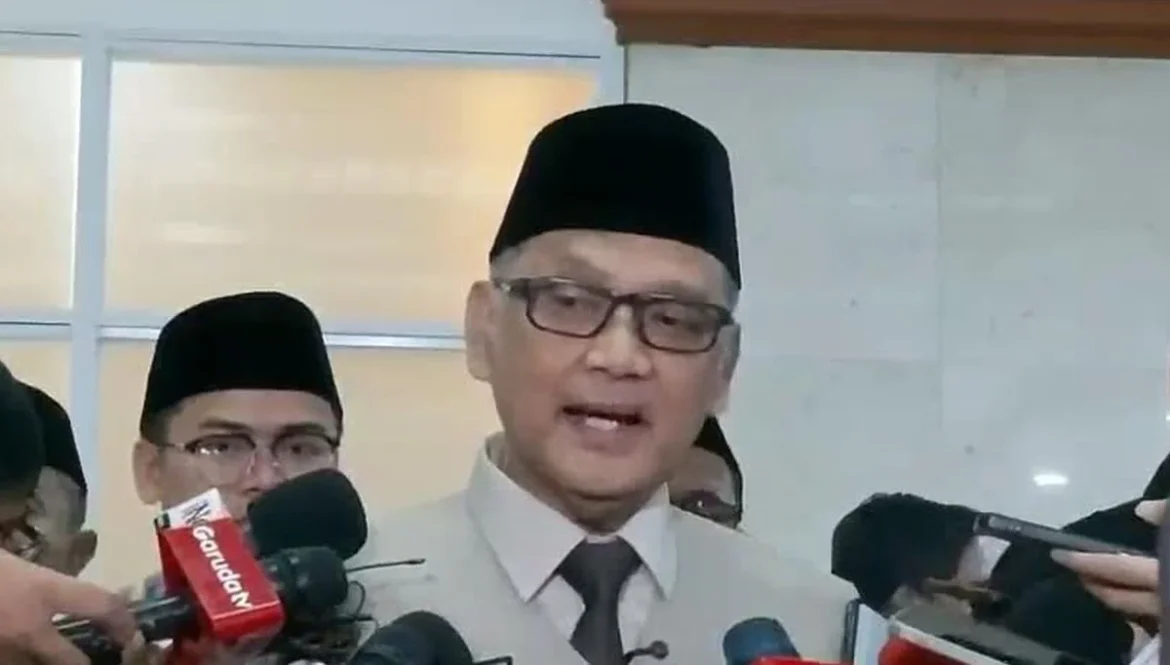
Menhaj Cerita Kenaikan Biaya Penerbangan Haji Rp1,77 Triliun, Sempat Kelabakan Lapor Prabowo : Okezone News

by Basiran April 19, 2025
written by Basiran

The core of the issue stems from a dramatic escalation in avtur prices, which reportedly jumped from Rp13,656 to Rp23,551 per liter. This nearly 73% increase in a critical operational cost component led both Garuda Indonesia, the national flag carrier, and Saudi Airlines, a key international partner, to request significant adjustments to their previously agreed-upon flight tariffs for the 2026 Hajj season. Minister Yusuf detailed the unfolding predicament, stating, "Suddenly, Garuda requested a price change for Hajj pilgrim flights. At that time, we also inquired with Saudi [Airlines], ‘Garuda is asking for an increase, but not Saudi, right?’ No, thankfully not, that’s what they said then. But then, suddenly, Saudi also requested an increase because avtur prices had risen." This sequence of events left the Ministry grappling with a collective additional burden amounting to an astounding Rp1.77 trillion.

The Escalating Costs and Presidential Intervention

The revelation of this colossal additional cost sent immediate ripples through the Ministry of Hajj and Umrah, prompting Minister Yusuf to seek urgent guidance from the highest office. Recognizing the gravity of the situation and the potential for a severe impact on prospective pilgrims, the matter was promptly escalated to President Prabowo Subianto. The President’s response was swift and decisive, providing a clear directive that aimed to shield the Hajj pilgrims from any additional financial strain. "Because we were quite flustered by this, we reported to the President. The President stated, ‘Whatever happens, this additional cost must not be borne by the pilgrims’," Minister Yusuf recounted, highlighting the President’s firm commitment to ensuring the accessibility of the pilgrimage.

This presidential decree effectively closed the door on any proposal to pass the increased flight costs directly to the Hajj pilgrims, a move that would have undoubtedly led to widespread discontent and potential cancellations among the faithful. The Hajj pilgrimage is a deeply significant spiritual journey for Indonesian Muslims, often requiring years, if not decades, of savings and preparation. Any unexpected increase in costs could render the journey unattainable for many, particularly those from lower-income brackets. President Prabowo’s intervention thus provided immediate relief and reassurance to millions of aspiring pilgrims across the archipelago.

Understanding the Hajj Logistics: A Massive National Undertaking

Indonesia sends the largest contingent of Hajj pilgrims in the world, a testament to its vast Muslim population. Each year, hundreds of thousands of Indonesian citizens embark on the sacred journey to Mecca and Medina. For the 2026 Hajj season, Indonesia’s quota is anticipated to be around 221,000 pilgrims, a figure that includes both regular and special Hajj categories. Managing the logistics for such a massive operation is a monumental task, involving intricate coordination between multiple government agencies, airlines, ground transportation providers, accommodation services, and health facilities in both Indonesia and Saudi Arabia.

Flight operations constitute one of the most significant and complex components of the Hajj pilgrimage. Pilgrims are typically transported in multiple waves over several weeks, utilizing a dedicated fleet of wide-body aircraft. Garuda Indonesia, as the national carrier, plays a crucial role, often supplementing its fleet with leased aircraft to meet the demand. Saudi Airlines also operates a substantial number of flights, especially for pilgrims departing from various regional airports across Indonesia. The contractual agreements with these airlines are meticulously negotiated well in advance, usually encompassing fuel costs, maintenance, crew, and other operational expenses. The sudden volatility in avtur prices, therefore, represents a fundamental disruption to these carefully laid plans.

The Global Energy Market and Its Local Impact

The dramatic increase in avtur prices cited by Minister Yusuf is not an isolated incident but rather a reflection of broader dynamics in the global energy market. Avtur, or aviation turbine fuel, is essentially a type of kerosene-based jet fuel, and its price is closely tied to crude oil benchmarks like Brent and WTI. Factors contributing to such sharp increases can include geopolitical tensions in oil-producing regions, supply chain disruptions, increased global demand for air travel, refinery outages, or even speculative trading in commodity markets.

While specific reasons for the 2026 surge were not fully detailed in the initial report, it is plausible that a combination of these elements created a "perfect storm" for aviation fuel costs. For example, a hypothetical scenario could involve heightened geopolitical instability in the Middle East or Eastern Europe, coupled with a stronger-than-expected rebound in global economic activity driving up demand for air cargo and passenger travel. These macro-economic shifts, while seemingly distant, have direct and tangible consequences for operations like the Hajj, which rely heavily on efficient and cost-predictable air transportation. The Rp13,656 to Rp23,551 per liter increase translates to a substantial jump from approximately $0.85 to $1.47 per liter (assuming a rough exchange rate of IDR 16,000/USD), indicating a significant upward movement in international fuel benchmarks.

Financial Mechanisms for Hajj and the Role of BPKH

Indonesia’s Hajj pilgrimage is primarily financed through a unique system that involves pilgrims depositing funds into special Hajj savings accounts. These funds are managed by the Hajj Financial Management Agency (BPKH), an independent government body tasked with optimizing the value of Hajj funds through ethical and sharia-compliant investments. The BPKH’s mandate is to ensure the sustainability of Hajj financing while also providing financial support to pilgrims.

The total cost of Hajj for each pilgrim (Biaya Perjalanan Ibadah Haji – BPIH) is typically composed of several components: direct costs borne by the pilgrim (Biaya Perjalanan Ibadah Haji Langsung – Bipih) and indirect costs covered by the optimization of Hajj funds managed by BPKH (Nilai Manfaat). Historically, the "Nilai Manfaat" component has been used to subsidize a portion of the actual Hajj costs, making the pilgrimage more affordable for pilgrims, especially given the long waiting lists.

With the Rp1.77 trillion additional flight cost, the BPKH will undoubtedly play a crucial role in finding a solution, given President Prabowo’s directive to avoid burdening pilgrims. This situation presents a significant challenge for the agency, as it must balance its mandate to grow the funds with the immediate need to cover an unforeseen deficit. Potential strategies could include drawing from the existing "Nilai Manfaat" reserves, reallocating investment returns, or even seeking direct state budget allocations, though the latter would require parliamentary approval.

Broader Implications and Stakeholder Reactions

The President’s firm stance against burdening pilgrims has been widely lauded, particularly by religious organizations and the general public. This decision not only upholds the principle of accessibility for Hajj but also reinforces the government’s commitment to its citizens’ religious obligations. However, the financial implications for the state remain considerable. A Rp1.77 trillion unbudgeted expenditure will necessitate careful fiscal adjustments.

Potential Reactions from Related Parties:

  • House of Representatives (DPR): As the legislative body, the DPR would likely scrutinize the situation, particularly the funding mechanism to cover the deficit. Committees responsible for religious affairs and finance would engage with the Ministry of Hajj and Umrah and BPKH to ensure transparency and accountability. There might be calls for a more robust risk management strategy for future Hajj preparations, especially regarding fuel price volatility.
  • Garuda Indonesia and Saudi Airlines: While their requests for additional funds were based on market realities, the airlines would likely welcome a swift resolution that ensures their operational costs are met without disrupting service. This situation also highlights the commercial risks airlines face when entering long-term contracts for services like Hajj, where fuel prices can fluctuate wildly.
  • Religious Scholars and Organizations: Groups like Nahdlatul Ulama and Muhammadiyah, representing the largest Muslim organizations in Indonesia, would likely express appreciation for the government’s decision to protect pilgrims from additional costs. They might also advocate for long-term solutions to ensure Hajj affordability and stability.
  • Prospective Pilgrims: The primary beneficiaries of President Prabowo’s decision would experience immense relief. The prospect of an unexpected increase in Hajj costs can be a source of significant anxiety for families who have saved for years.

Long-Term Strategies for Hajj Cost Stability

This incident serves as a critical reminder of the need for robust, long-term strategies to manage the financial risks associated with Hajj organization. Several approaches could be considered to mitigate similar situations in the future:

  1. Fuel Hedging Mechanisms: BPKH or the Ministry could explore fuel hedging strategies with airlines or financial institutions. This involves purchasing fuel at a predetermined price for future delivery, effectively locking in costs and protecting against price spikes. While hedging incurs its own costs, it provides greater predictability.
  2. Diversification of Airline Contracts: While Garuda and Saudi Airlines are primary partners, exploring options with other reputable international carriers, where feasible, could introduce more competition and potentially more flexible pricing structures.
  3. Dynamic Pricing Models with Contingency Clauses: Future contracts could incorporate more flexible pricing models that allow for adjustments within a defined range based on market conditions, with clear mechanisms for state intervention or fund allocation for extreme fluctuations.
  4. Strategic Fuel Reserves: Though logistically complex, the possibility of the government or BPKH investing in strategic fuel reserves or long-term supply agreements could be explored, albeit with significant capital outlay.
  5. Enhanced Financial Risk Assessment: Continuous and sophisticated financial risk assessments should be conducted annually, not just for fuel but for other major cost components like accommodation and ground services, allowing for proactive budgeting and contingency planning.
  6. Public-Private Partnerships: Exploring innovative funding models that involve private sector investment in Hajj infrastructure or logistics could also be considered, potentially diversifying the financial burden.

Conclusion

The unexpected Rp1.77 trillion increase in Hajj flight costs for the 2026 season presented a significant challenge to the Indonesian government, highlighting the complex interplay of global economic forces and domestic religious obligations. Minister Mochammad Irfan Yusuf’s swift action in reporting the issue to President Prabowo Subianto, coupled with the President’s decisive directive to absorb the additional costs without burdening pilgrims, underscored the nation’s deep commitment to its citizens’ spiritual journey. While providing immediate relief, this incident also serves as a crucial impetus for developing more resilient and sustainable financial strategies for Hajj management in the years to come, ensuring that the sacred pilgrimage remains accessible and affordable for all Indonesian Muslims. The ultimate resolution will require meticulous financial planning, inter-agency cooperation, and a continued focus on safeguarding the spiritual aspirations of the largest Hajj contingent in the world.
April 19, 2025 0 comment
0 FacebookTwitterPinterestEmail
National News

Magelang City Government Pledges Full Support for National DPRD Chairpersons Retreat

by Reynand Wu April 18, 2025
written by Reynand Wu

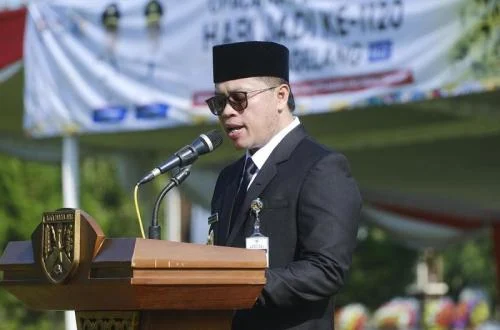
The Magelang City Government has formally declared its unwavering commitment to ensuring the seamless execution of the nationwide retreat for Chairpersons of Regional Houses of Representatives (DPRD), scheduled to take place at the prestigious Indonesian Military Academy (Akademi Militer) from April 15 to 19, 2026. This comprehensive support initiative spans crucial areas including infrastructure development, robust health services, and meticulous security arrangements for the event’s vicinity and beyond, underscoring Magelang’s dedication to hosting a successful and impactful gathering.

Comprehensive Preparations Underway

Magelang Mayor, Damar Prasetyono, has proactively mobilized all relevant city departments and agencies, instructing them to play an active and collaborative role in the meticulous planning and execution phases of this significant national event. The Mayor emphasized that the Magelang City Government’s primary focus is multi-faceted, designed to guarantee the utmost comfort and safety for the distinguished guests – the DPRD chairpersons from across Indonesia – and to ensure the operational efficiency of all logistical aspects on the ground. This proactive approach highlights the city’s ambition to showcase its capabilities as a premier host for high-profile national gatherings.

"Our full support extends across vital sectors, encompassing robust health provisions, guaranteed availability of clean water, swift response capabilities from our fire department, and comprehensive transportation support, including tow trucks, from the Department of Transportation," Mayor Prasetyono stated. He further underscored the city’s commitment to maintaining impeccable urban aesthetics and hygiene, adding, "We are also prioritizing the cleanliness of our city, with daily monitoring and continuous efforts to ensure a pristine environment for our visitors." This holistic strategy aims to present Magelang as a well-managed, welcoming, and capable host city.

Strategic Importance of the Retreat

The retreat of DPRD chairpersons is an event of considerable national importance, bringing together legislative leaders from Indonesia’s 38 provinces and numerous regencies and cities. These gatherings typically serve as critical platforms for fostering inter-regional cooperation, harmonizing local regulations with national policies, sharing best practices in regional governance, and enhancing the capacity of regional legislative bodies. Discussions often revolve around national development priorities, local autonomy implementation, public service improvement, and addressing contemporary socio-economic challenges. The choice of the Indonesian Military Academy as the venue adds a unique dimension, potentially allowing for discussions on national resilience, strategic planning, and security aspects relevant to regional development, in addition to providing a secure and disciplined environment conducive to productive dialogue. Such retreats are instrumental in strengthening the fabric of Indonesia’s decentralized governance system and ensuring that regional voices are aligned with national aspirations.

Logistical Framework and Advanced Health Protocols

The detailed logistical preparations for the event are extensive, reflecting the scale and importance of the gathering. Beyond the immediate support for the event itself, the city is also considering broader implications for public services during the period. Kepala Dinas Kesehatan Kota Magelang (Head of Magelang City Health Office), Istikomah, elaborated on the comprehensive health strategy. "We are providing full support to the event’s health team by preparing three dedicated health posts and two mobile Mini Intensive Care Units (ICUs)," Istikomah explained. This robust medical infrastructure is not a standalone effort but part of a broader, integrated network. "This coordination involves health teams from the city, neighboring regencies, and extends up to the Central Java Provincial Health Office," she added, emphasizing the multi-tiered collaborative approach to ensure the highest standards of medical readiness and emergency response. This inter-regional cooperation is vital for an event of this magnitude, ensuring seamless patient referral pathways and access to specialized medical care if required.

The health plan goes beyond just on-site facilities. It likely includes pre-event risk assessments, identification of local medical facilities (hospitals, clinics) for potential referrals, and the establishment of clear communication channels between the event’s medical team and local emergency services. Public health measures, though not explicitly mentioned, would also be a standard consideration for any large gathering, particularly concerning hygiene and sanitation standards at accommodation sites and event venues. The provision of clean water, as highlighted by Mayor Prasetyono, is a fundamental public health prerequisite, preventing waterborne diseases and ensuring delegate comfort.

Security and Public Safety Measures

Given the presence of high-ranking regional officials, security is paramount. The Magelang City Government’s commitment to robust security measures is being executed through a strong synergy between the Indonesian National Armed Forces (TNI), the Indonesian National Police (Polri), and local government agencies. This collaborative security framework is designed to provide comprehensive protection, ranging from venue security at the Akademi Militer to traffic management and general public safety across the city. Specific measures would typically include:

  • Venue Security: Controlled access points, surveillance, patrolling by TNI personnel (given the Akademi Militer setting) and Polri.
  • VIP Protection: Dedicated security details for key delegates, ensuring their safety during transit and at the venue.
  • Traffic Management: Rerouting, special lanes, and traffic control to ensure smooth movement of delegates and minimize disruption to daily city life. This would involve the Department of Transportation working closely with the Police Traffic Unit.
  • Crowd Control: Preparedness for managing any public gatherings or demonstrations, ensuring order and safety.
  • Emergency Response: Coordinated protocols for various emergencies, including medical incidents, fire, or security threats, involving all relevant agencies.
  • Intelligence Gathering: Proactive monitoring of potential threats or disruptions to ensure preventive measures can be taken.

The combined resources and expertise of the TNI, Polri, and local government provide a formidable security umbrella, instilling confidence in the organizers and delegates alike regarding the safety and smooth conduct of the retreat.

Economic and Social Implications for Magelang

Hosting a national event of this scale in 2026 is projected to bring significant economic and social benefits to Magelang City, alongside potential logistical challenges that the city government is actively preparing to mitigate. Economically, the influx of hundreds of delegates, support staff, and potentially accompanying individuals will stimulate various local sectors. Hotels, guesthouses, and other accommodation providers will see increased occupancy rates. Local restaurants, cafes, and culinary businesses will experience a surge in demand. Transportation services, from taxis to car rentals, will also benefit. Furthermore, local artisans, souvenir shops, and tourism operators could see a boost as delegates might extend their stay or explore Magelang’s renowned tourist attractions, such as the Borobudur Temple, Mendut Temple, and Pawon Temple, which are UNESCO World Heritage sites and significant cultural landmarks. This increased economic activity translates into higher local revenue, job creation (even if temporary), and an overall positive impact on the city’s economy.

Socially, hosting such an event elevates Magelang’s profile on the national stage. It provides an opportunity for the city to showcase its cultural heritage, hospitality, and administrative capabilities. The local community might experience a sense of pride and engagement. However, it also presents challenges, such as potential traffic congestion, increased demand on public services, and ensuring minimal disruption to the daily lives of residents. The city’s proactive measures in infrastructure, cleanliness, and public services are precisely aimed at managing these challenges effectively and maximizing the positive social impact while minimizing inconvenience.

Collaborative Governance: A Multi-Stakeholder Approach

The success of the DPRD Chairpersons Retreat hinges on an exemplary model of collaborative governance, bringing together various levels of government and key national institutions. The Magelang City Government’s lead role is complemented by the involvement of:

  • Central Java Provincial Government: Beyond health coordination, the provincial government likely offers strategic guidance, resources, and facilitates inter-regency cooperation, especially for events with national scope.
  • Indonesian Military Academy (Akademi Militer): As the venue host, the Academy provides its facilities, disciplined environment, and security expertise, playing a crucial operational role.
  • TNI and Polri: These national security forces are fundamental in ensuring a safe and secure environment for all participants.
  • National Organizing Committee: Typically, such events are organized by an association of regional legislative bodies, like the Association of Regional Houses of Representatives (ADKASI) or a special committee formed for the retreat. This committee would work closely with the Magelang City Government on the programmatic and logistical details.
  • Local Businesses and Community: Indirectly, but significantly, local businesses, service providers, and the general public contribute to the overall atmosphere and logistical support.

This multi-stakeholder synergy, from top-tier national institutions to local service providers, is critical. Mayor Prasetyono’s emphasis on inter-departmental cooperation within the city government is mirrored by this broader collaborative spirit, demonstrating Indonesia’s capacity for coordinated action on significant national projects.

Magelang’s Bid as a Premier Event Host

By taking on the responsibility of hosting this high-profile national event, Magelang City is not merely fulfilling an obligation but strategically positioning itself as a capable and attractive destination for MICE (Meetings, Incentives, Conferences, and Exhibitions) tourism. The successful execution of the DPRD Chairpersons Retreat in 2026 will serve as a powerful testament to Magelang’s infrastructure, logistical capabilities, hospitality, and commitment to excellence. This could pave the way for attracting more national and even international events in the future, further bolstering its economy and enhancing its reputation. The city’s rich cultural heritage, strategic location in Central Java, and the presence of world-class venues like the Akademi Militer make it a strong contender in the competitive MICE market. The city’s proactive efforts in ensuring cleanliness, safety, and efficient services are investments not just for this specific event, but for its long-term vision as a vibrant and welcoming urban center.

Anticipation and Future Outlook

With nearly two years until the event, the early and comprehensive preparations by the Magelang City Government signal a strong intent to leave no stone unturned. The meticulous planning, inter-agency coordination, and commitment of resources underscore the city’s determination to deliver a successful and memorable retreat for the nation’s regional legislative leaders. As Magelang gears up to welcome the DPRD chairpersons, the anticipation is building not just for the delegates who will convene for crucial discussions, but also for the city itself, which stands ready to demonstrate its capacity as a gracious and efficient host on the national stage. The collaborative spirit between TNI, Polri, and the local government fosters optimism that Magelang will indeed become a representative and exemplary host for this significant national gathering, solidifying its standing as a city capable of orchestrating events of national importance with distinction.

April 18, 2025 0 comment
0 FacebookTwitterPinterestEmail
National News

Joman Urges Prompt P21 for Roy Suryo and Dr. Tifa Following SP3 Issuance for Rismon Sianipar in Jokowi Fake Diploma Case

by Laily UPN April 16, 2025
written by Laily UPN

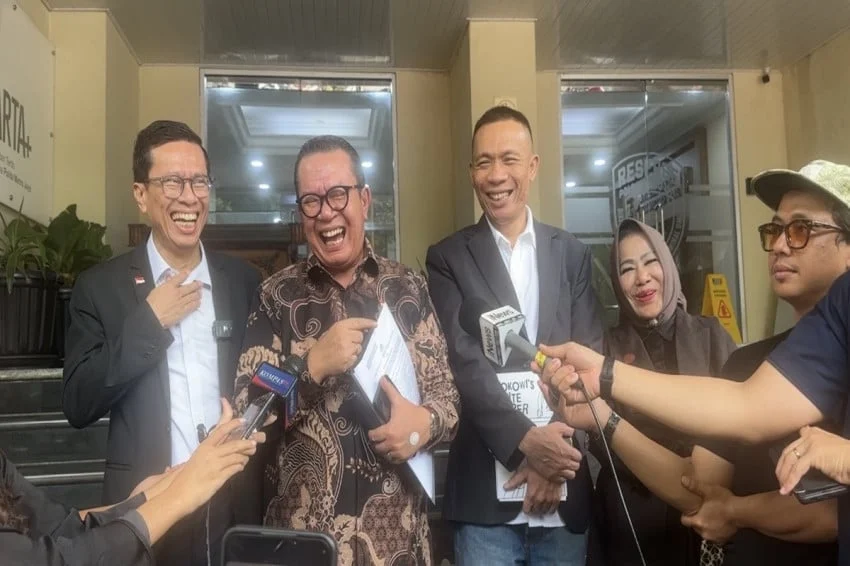
JAKARTA – Following the issuance of a termination of investigation letter (SP3) for Rismon Sianipar in the high-profile case involving allegations of a fake diploma against former President Joko Widodo, the Chairman of Joman Nusantara Bersatu, Andi Azwan, has expressed a fervent hope that the related cases against Roy Suryo and Dr. Tifauzia Tyassuma will promptly reach P21 status, signifying the completion of the investigation file by the police and its transfer to the public prosecutor for immediate trial. This development marks a significant turn in a controversy that has reverberated through Indonesia’s political and legal landscapes for years, highlighting the complexities of digital defamation and the enforcement of the country’s stringent cyber laws.

Andi Azwan conveyed his expectations on Wednesday, April 15, 2026, articulating a clear timeline for the progression of the remaining legal proceedings. "We hope that within this week, there will be a handover of the case files, and by the end of this month, the cases for others [Roy Suryo and Dr. Tifauzia Tyassuma] will achieve P21 status. Roy Suryo and Dr. Tifa should be prepared to meet us in court," Azwan stated, underscoring the organization’s determination to see the cases through to prosecution. His remarks signal an unwavering commitment from Joman Nusantara Bersatu, a prominent pro-Jokowi volunteer group, to ensure accountability for individuals accused of disseminating what they consider to be baseless and defamatory information against the former head of state.

The Genesis of the Fake Diploma Allegations and Rismon Sianipar’s Role

The allegations concerning former President Joko Widodo’s academic credentials first surfaced prominently in the public sphere, often resurfacing during politically charged periods, including presidential election cycles. These claims cast a shadow of doubt over his legitimacy and academic background, despite numerous official confirmations from Gadjah Mada University (UGM), Jokowi’s alma mater, verifying the authenticity of his diploma and academic record. The university, a highly respected institution in Indonesia, has consistently defended the integrity of its records and Jokowi’s graduation.

Rismon Sianipar, an individual who became central to this controversy, was initially named a suspect in connection with these allegations. While the precise nature of his initial involvement has been subject to various interpretations, he was understood to be a key figure in either initiating or significantly propagating the claims. His recent SP3 — Surat Pemberitahuan Penghentian Penyidikan (Letter of Notification of Termination of Investigation) — signifies a pivotal moment. An SP3 is issued by the police when there is insufficient evidence to continue an investigation, when the act is deemed not a criminal offense, or when the suspect dies. In Rismon’s case, the context provided suggests that the termination of his suspect status is linked to the application of restorative justice principles, as alluded to by Joman’s statements. This mechanism allows for resolution outside of formal court proceedings, focusing on reconciliation and rehabilitation, especially for certain types of offenses.

Andi Azwan, commenting on Rismon’s SP3, chose to exercise caution, refraining from extensive commentary to avoid preempting police announcements. However, he expressed profound gratitude to the National Police, particularly the investigators of the Jakarta Metropolitan Police (Polda Metro Jaya) and the Directorate of Criminal Investigation (Dirreskrimum), for their diligent handling of the case. "If anyone suggests there would be no SP3, that is incorrect. Ultimately, whatever actions have been taken, we express our greatest appreciation to the National Police, especially the investigators of Polda Metro Jaya and Dirreskrimum," he affirmed. This sentiment suggests that Joman views the police’s decision as a legitimate and appropriate legal outcome within the framework of Indonesian law.

The Role of Restorative Justice and the New KUHAP

The application of restorative justice (RJ) in Rismon Sianipar’s case is a critical aspect of this development. Restorative justice is an approach to justice that focuses on repairing the harm caused by crime rather than on punishing the offender. It involves the victim, the offender, and the community in a process of resolution. The mention of a "new KUHAP" (Kitab Undang-Undang Hukum Acara Pidana, or Indonesian Criminal Procedure Code) indicates that recent legal reforms or interpretations have broadened the scope for implementing RJ. This modern approach to criminal justice emphasizes reconciliation, victim-offender mediation, and community involvement, aiming to reduce recidivism and foster social harmony. For Rismon, the use of RJ likely means that a resolution was reached outside of a formal trial, possibly involving an apology, compensation, or other forms of reconciliation, leading to the termination of his suspect status. The "sumringah" (cheerful) appearance of Rismon Sianipar at a meeting, as noted by Azwan, further supports the notion of a satisfactory resolution for him through this mechanism. A joint press conference involving Rismon and his legal team is anticipated to provide further details regarding the RJ agreement.

The Ongoing Pursuit of Roy Suryo and Dr. Tifauzia Tyassuma

While Rismon Sianipar has seen his suspect status revoked, the legal spotlight now intensifies on Roy Suryo and Dr. Tifauzia Tyassuma. Both are prominent public figures in Indonesia, known for their outspoken views and, at times, controversial statements on social media and in public discourse. Roy Suryo, a former Minister of Youth and Sports and an expert in information technology, has frequently engaged in public commentary on various issues. Dr. Tifauzia Tyassuma, often referred to as Dr. Tifa, is also known for her strong opinions and widespread social media presence. Their alleged involvement in the Jokowi fake diploma case stems from their public statements, analyses, or dissemination of information that supported or amplified the fake diploma narrative.

Joman Nusantara Bersatu’s insistence on the P21 status for their cases implies that the police investigation against them is believed to be comprehensive and complete, with sufficient evidence to proceed to prosecution. The charges they face are likely related to defamation, spreading false news, or violating Indonesia’s Electronic Information and Transactions (ITE) Law, which carries significant penalties for online libel and the dissemination of hoaxes. The ITE Law has been a subject of extensive debate in Indonesia, with critics arguing it can be used to stifle dissent and freedom of expression, while proponents argue its necessity in combating misinformation and protecting individuals from online harassment. Joman’s firm stance reflects a desire to demonstrate that even prominent figures are not above the law when it comes to spreading what they deem to be damaging falsehoods.

Chronology of a Contentious Case

The journey of the Jokowi fake diploma allegations through the Indonesian legal system has been protracted and complex.

  • Initial Allegations (Pre-2019 Elections onwards): Claims regarding Jokowi’s alleged fake diploma emerged sporadically, often intensified during election campaigns to discredit his presidential bids. Gadjah Mada University consistently refuted these claims, providing official documentation.
  • Increased Prominence and Public Debate: The allegations gained traction through various online platforms and social media, drawing in public figures who either questioned or defended the authenticity of Jokowi’s diploma.
  • Official Complaints and Police Investigations: Formal complaints were lodged with the police, accusing individuals of spreading false information and defamation. These complaints led to the initiation of police investigations into the matter.
  • Naming of Suspects: Over time, individuals such as Rismon Sianipar, Roy Suryo, and Dr. Tifauzia Tyassuma were named as suspects by the police, indicating that investigators had found initial grounds to believe they were involved in criminal acts related to the dissemination of the allegations.
  • Rismon Sianipar’s SP3 (April 2026): The most recent development saw the issuance of an SP3 for Rismon Sianipar, effectively terminating the investigation against him, likely through the application of restorative justice.
  • Current Status of Roy Suryo and Dr. Tifa’s Cases: Investigations against Roy Suryo and Dr. Tifa are ongoing, with Joman Nusantara Bersatu actively pushing for their cases to reach P21 status and proceed to trial. This indicates a bifurcated outcome for the initial set of suspects involved in the same overarching controversy.

Broader Implications and Analysis

The developments in the Jokowi fake diploma case carry significant implications for several facets of Indonesian society:

  • Freedom of Expression vs. Defamation: The case reignites the perennial debate in Indonesia regarding the delicate balance between freedom of expression and the legal boundaries of defamation, particularly under the ITE Law. While critical commentary is a cornerstone of democracy, the spread of demonstrably false information can have serious consequences, especially when targeting public officials. The differing outcomes for Rismon Sianipar (SP3 via RJ) and the push for prosecution against Roy Suryo and Dr. Tifa might suggest a nuanced approach by the legal system, potentially distinguishing between initial propagators who might be amenable to restorative justice and those deemed to have persistently or maliciously amplified false claims.
  • The Role of Social Media: This case underscores the profound impact of social media in shaping public discourse and the rapid dissemination of both factual and fabricated information. Platforms like Twitter, Facebook, and YouTube played a crucial role in amplifying the diploma allegations, making the enforcement of laws against hoaxes and defamation increasingly complex for authorities.
  • Legal System’s Integrity and Consistency: The public will keenly observe how the Indonesian legal system navigates these politically sensitive cases. The application of restorative justice for one suspect while pursuing prosecution for others will invite scrutiny regarding consistency, fairness, and the criteria used to make such distinctions. Transparency in explaining these decisions will be vital for maintaining public trust in the legal process.
  • Political Climate: The involvement of a pro-government group like Joman Nusantara Bersatu highlights the political dimensions of such legal battles. These cases often become proxy conflicts reflecting broader political alignments and the desire to safeguard the reputation of political figures. The outcome will inevitably be perceived through a political lens, influencing future discourse around political accountability and criticism.
  • Precedent for Future Cases: The handling of this case, particularly the application of restorative justice and the prosecution of prominent figures, will likely set precedents for future cases involving online defamation and the spread of misinformation, especially concerning public officials. It could influence how individuals and organizations approach public criticism and the dissemination of information in the digital age.

As the legal process unfolds, particularly with the anticipated press conference by Rismon Sianipar and his legal team, and the potential progression of cases against Roy Suryo and Dr. Tifauzia Tyassuma to trial, the nation will be watching closely. The outcome will not only determine the fates of the individuals involved but also contribute to shaping the parameters of public discourse, legal enforcement, and political accountability in Indonesia for years to come. The call for P21 by Joman serves as a clear indication that for some, the pursuit of justice in this complex saga is far from over, despite the recent developments.

April 16, 2025 0 comment
0 FacebookTwitterPinterestEmail
Newer Posts
Older Posts

Recent Posts

  • Indonesia’s Economy Shows Resilience Amidst Global Financial Headwinds, Says Simpan Asset Management Co-Founder
  • Ministry of Religious Affairs Confirms End-of-June 2026 Disbursement for Non-ASN Madrasah Teacher Incentives
  • President Jokowi and Minister Rini Soemarno Visit TPPI Refinery in Tuban and Engage with Local Community Before Strategic Inspection
  • BUMN Dinilai Mampu Kelola Freeport dengan Baik
  • Segini Besaran Gaji ke-13 PNS 2026 yang Akan Cair Juni : Okezone Economy

Recent Comments

No comments to show.
  • Facebook
  • Twitter

@2021 - All Right Reserved. Designed and Developed by PenciDesign


Back To Top
Dara News Media
  • Home
  • About Us
  • Contact Us
  • Cookies Policy
  • Disclaimer
  • DMCA
  • Privacy Policy
  • Terms and Conditions

We are using cookies to give you the best experience on our website.

You can find out more about which cookies we are using or switch them off in .

Dara News Media
Powered by  GDPR Cookie Compliance
Privacy Overview

This website uses cookies so that we can provide you with the best user experience possible. Cookie information is stored in your browser and performs functions such as recognising you when you return to our website and helping our team to understand which sections of the website you find most interesting and useful.

Strictly Necessary Cookies

Strictly Necessary Cookie should be enabled at all times so that we can save your preferences for cookie settings.