• Home
  • About Us
  • Contact Us
  • Cookies Policy
  • Disclaimer
  • DMCA
  • Privacy Policy
  • Terms and Conditions
Dara News Media
keep your memories alive
Politics

KRI Sriwijaya: Indonesia Marks a New Maritime Era with the Arrival of its First Aircraft Carrier

by Basiran September 27, 2026
written by Basiran

The arrival of the former ITS Giuseppe Garibaldi at Pier 107 of Tanjung Priok Port, North Jakarta, on Friday, September 18, 2026, signals a transformative moment for the Indonesian Navy (TNI AL). As the vessel prepares to be rechristened as KRI Sriwijaya, it stands as the first aircraft carrier in the nation’s history, marking a significant shift in regional power projection and maritime logistical capabilities. This acquisition, facilitated through a strategic defense cooperation agreement with the Italian government, places Indonesia among the select few nations in the Indo-Pacific capable of operating a mobile naval aviation platform.

The transfer of the vessel, which previously served as the flagship of the Italian Navy under the hull number C551, is the culmination of years of diplomatic negotiation and technical assessment. The formal handover ceremony, which will include the symbolic lowering of the Italian ensign and the hoisting of the Indonesian Merah Putih, is scheduled for September 24, 2026. This transition represents more than a simple change of command; it is a complex integration of a legacy platform into the Indonesian naval doctrine, requiring extensive refitting to align with the specific operational requirements of the archipelago.

The Strategic Significance of the Aircraft Carrier

An aircraft carrier is fundamentally defined not by its displacement or size, but by its utility as a mobile airbase. Unlike standard destroyers or frigates that rely on kinetic weapons—such as surface-to-surface missiles or naval guns—for their primary offensive output, an aircraft carrier serves as a launchpad for power projection. Its primary asset is its flight deck, which allows for the sustained operation of fixed-wing aircraft and rotary-wing assets far beyond the range of terrestrial airfields.

For a nation like Indonesia, which comprises over 17,000 islands, the strategic value of a mobile airbase cannot be overstated. The vessel allows the military to maintain an "aerial umbrella" in remote maritime zones where establishing permanent ground-based runways is geographically or economically unfeasible. By bringing flight operations directly into the theater of interest, the Indonesian Navy can drastically reduce response times for both combat operations and humanitarian assistance.

Historical Context and Technical Evolution

The vessel currently designated as the future KRI Sriwijaya was commissioned by the Italian Navy in 1985. Over the course of its four-decade service life, it served as a cornerstone of Mediterranean security. The ship was specifically designed to operate V/STOL (Vertical/Short Take-Off and Landing) aircraft, most notably the AV-8B Harrier II, as well as a diverse fleet of anti-submarine and utility helicopters.

The evolution of the platform is a testament to the changing nature of naval warfare. Initially conceived as a pure cruiser with limited aviation capabilities, the design was refined to maximize the flight deck area, effectively becoming an anti-submarine warfare (ASW) carrier. This versatility is what makes it particularly attractive to the Indonesian Navy, which faces a multifaceted maritime security environment ranging from piracy and illegal fishing to complex search-and-rescue (SAR) requirements.

Operational Philosophy: Beyond Combat

While the term "aircraft carrier" often conjures images of power projection and high-intensity conflict, the Indonesian government has signaled that the KRI Sriwijaya will be utilized primarily for Operations Other Than War (OOTW). TNI AL Chief of Staff Admiral Muhammad Ali has emphasized that the vessel will undergo significant refits to prioritize its role in maritime surveillance, disaster relief, and humanitarian aid.

The Indonesian archipelago is frequently subjected to seismic activity and natural disasters. In previous instances, the inability to reach remote islands due to damaged infrastructure has hampered the speed of disaster response. A vessel with the capacity to deploy heavy-lift helicopters and transport specialized medical teams directly to a disaster zone provides an unprecedented level of logistics support. Furthermore, the ship’s ability to act as a command-and-control center allows for the centralized management of disaster relief operations, bridging the gap between civilian government agencies and military support.

Technical Integration and Future Refits

The transition from an Italian vessel to an Indonesian KRI involves more than just a name change. Technical teams from both nations have been working in tandem to ensure that the ship’s radar, communications, and propulsion systems are compatible with Indonesian naval standards. The refit process, which will continue well after the formal handover, focuses on:

  1. System Modernization: Updating the combat management systems to ensure interoperability with the existing Indonesian naval fleet.
  2. Aviation Integration: Configuring the deck and hangar to accommodate current and future Indonesian helicopter assets and potentially unmanned aerial vehicles (UAVs).
  3. Logistical Sustainability: Ensuring that the ship’s supply chain, including fuel and spare parts, can be maintained within the domestic defense industrial ecosystem.

Experts suggest that the focus on UAV integration is particularly astute. Modern naval warfare is increasingly reliant on drone technology for reconnaissance and surveillance. By repurposing the hangar space for drone maintenance and launch, the KRI Sriwijaya can act as a persistent surveillance hub, monitoring vast stretches of the Exclusive Economic Zone (EEZ) without the need for constant, costly manned sorties.

Implications for Regional Stability

The entry of an aircraft carrier into the Indonesian inventory is being closely watched by neighboring nations. While the Indonesian government has maintained that the vessel is intended for regional stability and humanitarian roles, the presence of such a platform naturally influences the regional security calculus.

From a geopolitical perspective, the KRI Sriwijaya enhances Indonesia’s "soft power" in the region. The ability to deploy a rapid humanitarian response team to a neighboring country affected by disaster reinforces Indonesia’s role as a regional leader. This capability shifts the focus from purely territorial defense to active maritime stewardship.

Furthermore, the KRI Sriwijaya is expected to operate as part of a Carrier Strike Group (CSG) or at least a Task Force. By surrounding the carrier with frigates and corvettes, the Navy can provide a multi-layered defense. This integration forces a shift in the training and doctrine of the Indonesian Navy, moving from individual ship operations to complex, integrated fleet maneuvers. The personnel requirements—including highly trained flight deck crews, air traffic controllers, and specialized aircraft maintenance technicians—represent a significant investment in human capital that will raise the overall standard of the Indonesian Navy.

Chronology of the Transfer

  • Early 2024: Preliminary discussions between Indonesian and Italian defense ministries regarding the transfer of decommissioned naval assets.
  • Late 2025: Technical assessments and crew training programs initiated in Italy for Indonesian naval personnel.
  • August 2026: The vessel departs Italian waters, beginning its long-range transit toward the Indonesian archipelago.
  • September 18, 2026: Arrival at Tanjung Priok, Jakarta, signaling the start of the final integration phase.
  • September 24, 2026: Formal decommissioning from the Italian Navy and commissioning into the Indonesian Navy as KRI Sriwijaya.
  • Late 2026 – 2027: Scheduled period for dry-docking and extensive refitting to meet Indonesian operational requirements.

Addressing the Capability Gap

Critics have occasionally questioned the maintenance costs associated with operating a legacy carrier. However, the Indonesian government views this as a necessary investment to bridge a long-standing capability gap. Without an aviation-capable platform, Indonesia’s ability to conduct long-range maritime patrols was limited by the operational endurance of ground-based aircraft.

The acquisition of KRI Sriwijaya allows for a "floating airfield" that can remain on station for weeks at a time. This endurance is critical for the enforcement of sovereignty in the North Natuna Sea and other high-traffic maritime corridors. The presence of the ship acts as a deterrent against illegal activities, as it significantly increases the visibility of naval forces in areas that were previously difficult to monitor.

The Path Forward

As the Indonesian Navy prepares for the commissioning ceremony, the broader implication is clear: Indonesia is evolving into a blue-water navy. The KRI Sriwijaya is not merely a piece of hardware; it is a symbol of a nation recognizing its maritime identity and accepting the responsibilities that come with it.

The successful integration of this vessel will depend on the sustained commitment to training, maintenance, and strategic planning. While the ship currently serves as a vessel of legacy, with the right investment in modern avionics and sensor suites, it will serve as the flagship of the Indonesian fleet for years to come. By prioritizing humanitarian and disaster relief alongside its defense capabilities, Indonesia is setting a precedent for how a middle power can leverage high-end naval technology to foster regional peace and stability.

As the Merah Putih flag is hoisted on September 24, it will represent more than just a new ship; it will signal a new chapter in Indonesia’s maritime history—one defined by reach, resilience, and the strategic foresight to protect the nation’s vast waters.
September 27, 2026 0 comment
0 FacebookTwitterPinterestEmail
Business & Economy

SPBU Signature Pertamina: Pengertian, fasilitas, dan lokasinya

by Basiran September 27, 2026
written by Basiran

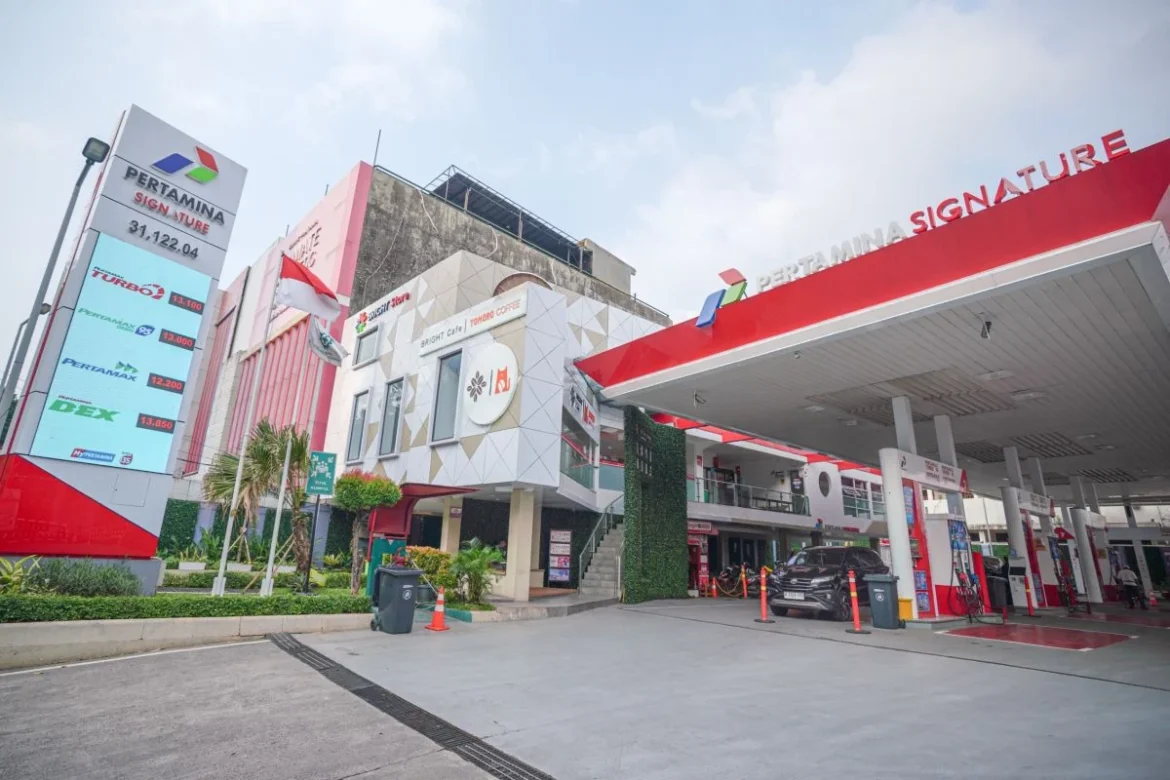
The landscape of retail fuel distribution in Indonesia is undergoing a significant evolution as PT Pertamina Patra Niaga, the commercial and trading sub-holding of state-owned energy giant PT Pertamina (Persero), aggressively rolls out its upscale retail concept known as SPBU Signature. Designed to redefine the traditional gas station visit, this strategic initiative shifts the paradigm from a mere transactional pitstop for petroleum into an integrated lifestyle hub, resting area, and service center tailored to the dynamic needs of modern urban motorists.

While conventional public fueling stations (SPBU Reguler) continue to cater to the broad masses by offering a comprehensive spectrum of fuel grades—including government-subsidized options—the SPBU Signature network is strategically curated to cater exclusively to high-end, high-performance vehicles requiring premium, non-subsidized energy products. By phasing out subsidized variants such as Pertalite and Bio Solar within these specialized outlets, Pertamina aims to streamline traffic flow, reduce congestion, and elevate the overall consumer journey through interactive customer service models and robust ancillary amenities.

As the Indonesian automotive market matures and consumer expectations regarding service quality and convenience rise, the implementation of the SPBU Signature concept serves as a crucial milestone in Pertamina’s long-term retail modernization strategy. This comprehensive overview examines the genesis of the SPBU Signature program, its distinguishing characteristics, the comprehensive suite of facilities offered, its geographical footprint across the Greater Jakarta area, and the broader economic and logistical implications of this retail transformation.

Genesis and Evolution of the SPBU Signature Concept

The conceptualization of SPBU Signature began as a response to growing consumer demand for cleaner, more efficient, and comfortable refueling environments in major metropolitan areas. Historically, gas stations in dense urban centers faced severe operational bottlenecks, characterized by long queues of vehicles waiting for subsidized fuel, limited parking, and rudimentary supporting facilities. Recognizing these pain points, Pertamina Patra Niaga initiated a structural upgrade program to segregate high-volume consumer segments and provide a premium alternative for motorists utilizing non-subsidized fuels.

The pilot phase of the initiative was launched at a flagship station in Pondok Indah, South Jakarta. The overwhelming positive response from motorists—who appreciated the reduction in waiting times, the cleaner surroundings, and the availability of diverse retail and service options—prompted management to accelerate the expansion plan. Throughout the subsequent years, the rollout gained momentum, scaling up across strategic corridors in Jakarta, Bogor, Depok, Tangerang, and Bekasi (Jabodetabek).

By 2026, the transformation reached a critical juncture, with approximately 13 major stations across Jakarta, Depok, and Bogor officially transitioning into full-fledged SPBU Signature outlets. This evolution reflects a broader global trend in energy retail, where fuel providers increasingly rely on non-fuel retail (NFR) revenue streams and superior customer experiences to differentiate their brands in a competitive market.

Defining Characteristics: Fuel Portfolio and Operational Model

The most prominent distinguishing feature of an SPBU Signature outlet lies in its strict fuel portfolio policy. Unlike conventional stations that serve all segments of the vehicular population, SPBU Signature stations focus exclusively on the distribution of high-quality, non-subsidized fuels.

The product lineup is anchored by the Pertamax Series—including Pertamax and Pertamax Turbo—which are formulated with advanced additives designed to clean engines, improve combustion efficiency, and reduce vehicular emissions. For diesel vehicle owners, the stations offer the Dex Series, comprising Pertamina Dex and Dexlite, which meet stringent international emission standards and protect modern common-rail diesel engines.

Conversely, subsidized products such as Pertalite (Ron 90 RON gasoline) and Bio Solar (B35 biodiesel blend) are entirely absent from SPBU Signature locations. According to clarifications from energy authorities and Pertamina management, this exclusion is not indicative of a national phase-out of subsidized fuels. Rather, it represents a deliberate spatial zoning strategy designed to ensure that subsidized energy distribution remains focused at conventional stations, while premium stations optimize operational efficiency for higher-tier consumers.

Beyond the fuel pump, the operational model at SPBU Signature outlets redefines the interaction between station operators and motorists. Pertamina has instituted specialized training programs for its frontline personnel, transforming them from transactional cashiers into interactive service representatives. These attendants are trained not only to execute rapid and precise refueling but also to offer proactive assistance, such as checking fluid levels, explaining ongoing promotional campaigns, and guiding customers to the various on-site lifestyle amenities.

Comprehensive Suite of Supporting Facilities

The value proposition of SPBU Signature extends far beyond fuel combustion efficiency. Recognizing that modern motorists often view travel time as lost productivity or fatigue-inducing labor, Pertamina has integrated a robust ecosystem of supportive facilities within the perimeter of each Signature station. These amenities are engineered to transform a mandatory stop into a rejuvenating break.

  1. Sanitary and Spiritual Facilities (Musala and Restrooms)
    Hygiene and accessibility represent critical pillars of the SPBU Signature standard. The outlets feature meticulously maintained, high-standard restrooms equipped with modern fixtures, continuous cleaning protocols, and adequate supplies to ensure absolute comfort for travelers. Adjacent to the restroom facilities are spacious, air-conditioned musala (prayer rooms) equipped with pristine carpets, clean ablution (wudu) areas, and a supply of prayer garments (mukena and sarong), allowing travelers to fulfill their religious obligations in a serene environment.

  2. Bright Store and Lifestyle Retail Hubs
    A cornerstone of the non-fuel retail strategy within SPBU Signature stations is the presence of modern convenience stores, predominantly operating under Pertamina’s proprietary Bright Store brand. These retail spaces offer an extensive inventory of consumer goods, ranging from fresh bakery items, gourmet popcorn, and ready-to-drink coffee to packaged snacks, instant meals, and automotive accessories. In select larger stations, these retail spaces are augmented by branded coffee shops and dedicated lounge areas, creating a conducive environment for remote work, informal meetings, or simple relaxation.

  3. Light Automotive Maintenance Services
    While fueling remains the primary activity, SPBU Signature locations acknowledge that vehicle health requires continuous upkeep. Consequently, these stations house specialized service bays providing professional tire repair services (tambal ban) and high-purity nitrogen inflation. These services allow motorists to address minor vehicular maintenance needs promptly, preventing potential safety hazards on the highway without necessitating a separate trip to a dedicated workshop.

  4. Value-Added Promotional Perks
    To incentivize patronage and reward loyalty, Pertamina incorporates tiered promotional mechanisms tailored to the SPBU Signature network. For instance, under specific operational guidelines, motorists who purchase a minimum threshold of non-subsidized fuel—such as transactions totaling IDR 350,000 or more—may qualify for complimentary tire-shining services (semir ban) at participating locations. While exact perks and promotional structures may vary depending on the specific geographic outlet and prevailing marketing campaigns, these value-added services reinforce the brand’s commitment to holistic customer care.

Geographical Distribution and Network Footprint

The physical expansion of the SPBU Signature network has been meticulously planned to target high-density commercial zones, major arterial roads, and affluent residential corridors across the Jabodetabek megalopolis.

In the initial developmental phase, approximately 10 strategic locations were selected to test and refine the operational parameters. These included prominent urban nodes such as:

  • Pondok Indah (South Jakarta)
  • Modernland (Tangerang)
  • Fatmawati 01 (South Jakarta)
  • S. Parman (West Jakarta)
  • Ceger (East Jakarta)
  • Pasar Minggu (South Jakarta)
  • Kembangan (West Jakarta)
  • Cikarang (Bekasi)
  • Cibubur (East Jakarta/Depok border)
  • Cideng (Central Jakarta)

As the program matured into 2026, the network expanded further to encompass a total of at least 13 modernized stations across Jakarta, Depok, and Bogor. The updated operational map includes vital transport arteries such as Jalan Sultan Iskandar Muda, Jalan Peternakan II Cengkareng, Jalan Cideng Timur, Jalan Pos Pengumben, Jalan Pangeran Antasari, Jalan Raya Pasar Minggu, Jalan Jenderal Ahmad Yani, Jalan Raya Bina Marga Ceger, and the Muara Baru commercial harbor district in Jakarta.

Furthermore, the footprint extends into suburban commuter zones with specialized Signature outlets established in Pondok Rangon, specific sectors of Depok, and along Jalan Raya Letnan Sukarna in Ciampea, Bogor Regency. This targeted placement ensures that urban commuters, inter-city travelers, and business logistics operators operating high-performance vehicles have consistent access to premium infrastructure.

Strategic Implications and Industry Analysis

The aggressive implementation of the SPBU Signature concept carries significant implications for Indonesia’s downstream energy sector, urban mobility management, and corporate revenue diversification.

From an operational standpoint, segregating fuel distribution based on subsidy status effectively mitigates the chronic traffic congestion that has historically plagued conventional urban gas stations. By routing vehicles requiring subsidized Pertalite and Bio Solar to regular stations equipped for high-volume public distribution, Pertamina reduces friction at the pumps. Simultaneously, SPBU Signature stations can operate with greater predictability, focusing their logistical supply chains on high-margin, non-subsidized products that command stable supply stability and higher per-liter profitability.

Economically, the pivot aligns with global petroleum retail strategies emphasizing non-fuel retail (NFR) growth. Fuel margins are frequently subject to regulatory price caps and global crude oil volatility, making retail ancillary services—such as convenience stores, food and beverage partnerships, and maintenance bays—vital buffers for corporate profitability. By transforming gas stations into lifestyle destinations, Pertamina captures a larger share of consumer wallet spend during transit.

Furthermore, the initiative supports broader governmental objectives regarding environmental sustainability and vehicular efficiency. By encouraging the adoption of premium fuels like the Pertamax and Dex series, the program indirectly facilitates lower carbon footprints, reduced particulate emissions, and prolonged engine longevity for the nation’s growing vehicular fleet.

Consumer Guidance and Future Outlook

For motorists navigating the changing retail landscape, Pertamina has emphasized that the transition of specific stations into the Signature format is executed with transparent public notification. Consumers seeking subsidized energy products are encouraged to utilize digital mapping tools and Pertamina’s official mobile applications to locate nearby conventional stations that continue to stock Pertalite and Bio Solar.

As urban centers across Indonesia continue to densify and consumer expectations evolve, Pertamina Patra Niaga’s SPBU Signature model provides a blueprint for the future of service station architecture. By harmonizing high-grade energy supply with comprehensive lifestyle amenities, the state-owned enterprise is successfully bridging the gap between utilitarian infrastructure and modern consumer convenience, ensuring that the journey of the Indonesian motorist remains efficient, comfortable, and reliable.

September 27, 2026 0 comment
0 FacebookTwitterPinterestEmail
Business & Economy

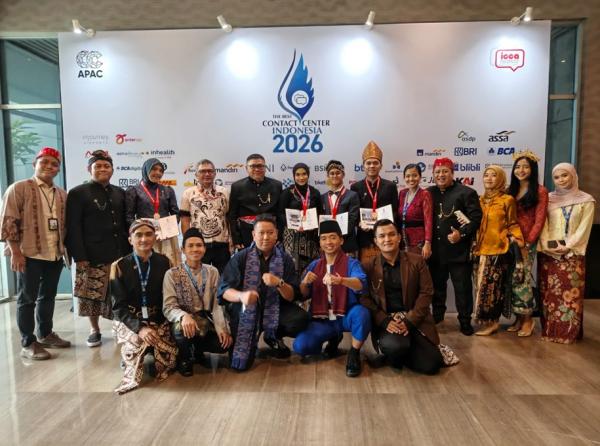
PT Pegadaian Borong 10 Penghargaan Bergengsi di Ajang The Best Contact Center Indonesia 2026 Berkat Transformasi Layanan Pelanggan yang Komprehensif

by Nila Kartika Wati September 27, 2026
written by Nila Kartika Wati

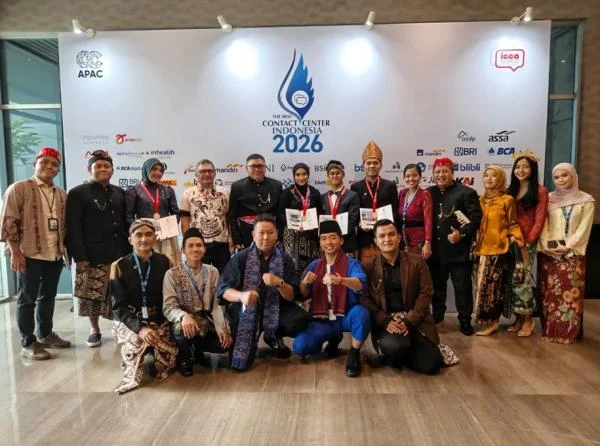
PT Pegadaian (Persero) has once again solidified its position as a frontrunner in customer service excellence by securing a remarkable total of ten prestigious awards at The Best Contact Center Indonesia (TBCCI) 2026. The national-level competition, meticulously organized by the Indonesia Contact Center Association (ICCA), serves as the ultimate benchmark for customer relationship management, operational efficiency, and technological integration within contact center industries across the archipelago.

The glittering awarding ceremony, which brought together industry leaders, customer experience specialists, and corporate visionaries, took place at the prestigious Hotel Bidakara in Jakarta on Thursday, September 24, 2026. Representing the state-owned pawnbroking giant, the Head of the Layanan and Contact Center Division at PT Pegadaian (Persero), Rinny Amelia Hadjoh, proudly stepped onto the stage to accept the trophies. The haul of ten accolades encompasses a diverse array of categories, spanning both corporate achievements and individual excellence, thereby highlighting the depth of talent and organizational commitment embedded within Pegadaian’s operational framework.

This stellar achievement is far from a coincidence; rather, it is the direct result of a rigorous, multi-staged judging process. Competitors in the TBCCI 2026 evaluation were subjected to exhaustive assessments that tested their operational metrics, technological adaptability, agent proficiency, crisis management capabilities, and overall contributions to customer satisfaction. Pegadaian’s ability to sweep ten distinct categories underscores the profound success of its holistic transformation strategy, particularly in redefining the boundaries of modern Customer Experience (CX).

Background and Context of the TBCCI 2026 Triumph

The Indonesia Contact Center Association has long held the mandate of elevating the standards of contact centers nationwide. In an era defined by rapid digital disruption, shifting consumer expectations, and the demand for omnichannel integration, contact centers can no longer be viewed merely as reactive help desks. Today, they function as the vital nerve center of corporate reputation, customer retention, and brand loyalty.

For PT Pegadaian (Persero), navigating this paradigm shift has required a deliberate and sustained corporate strategy. Over the past few years, the company has heavily invested in modernizing its infrastructure, seamlessly blending artificial intelligence-driven tools with human empathy, and upskilling its human resources. The triumph at TBCCI 2026 validates these strategic maneuvers, proving that Pegadaian’s customer service apparatus is fully aligned with global best practices.

Wujudkan Transformasi Layanan, Pegadaian Borong Penghargaan di Ajang The Best Contact Center Indonesia 2026

The corporate and individual awards garnered by Pegadaian reflect a multifaceted approach to service excellence. On the individual front, front-line agents, team leaders, and quality assurance specialists demonstrated exceptional problem-solving skills, emotional intelligence, and technical mastery. Meanwhile, the corporate categories recognized Pegadaian’s robust operational framework, innovative use of digital touchpoints, and systemic approach to reducing customer friction.

Leadership Perspectives on Customer-Centricity

Following the triumphant gala in Jakarta, the executive leadership of PT Pegadaian (Persero) expressed immense pride in the achievements of their team. Eka Pebriansyah, the Director of Network and Operations at PT Pegadaian (Persero), provided critical insights into the philosophical and operational underpinnings that drove this national success. According to Pebriansyah, the accolades are a tangible testament to the unwavering dedication and collaborative spirit demonstrated by every level of the organization.

"This award serves as both a profound appreciation and a vital catalyst for Pegadaian to continuously elevate our service quality standards," stated Pebriansyah during an interview following the ceremony. He emphasized that the contact center acts as the indispensable frontline—the initial point of contact that shapes a customer’s perception and builds long-term brand equity.

Furthermore, Pebriansyah contextualized this achievement within the broader framework of national economic development and state-owned enterprise integration. "In alignment with the CX100 spirit operating under the Danantara ecosystem, we are firmly committed to ensuring that the positive impact of this service transformation is felt directly by our customers across every single interaction point, or touchpoint," he added.

The reference to the Danantara ecosystem highlights Pegadaian’s strategic alignment with overarching national initiatives designed to optimize state-owned enterprise performance, foster synergy, and drive inclusive economic growth. By synchronizing its customer service ethos with national developmental goals, Pegadaian is positioning itself not just as a financial service provider, but as a pillar of public trust and socio-economic empowerment.

Strategic Pillars of Pegadaian’s Contact Center Transformation

The comprehensive victory at TBCCI 2026 is anchored in several strategic pillars that Pegadaian has systematically implemented over recent years. Understanding these components illuminates how a traditional institution successfully transitioned into a modern, customer-centric financial powerhouse.

Wujudkan Transformasi Layanan, Pegadaian Borong Penghargaan di Ajang The Best Contact Center Indonesia 2026

1. Technological Integration and Omnichannel Architecture

Modern consumers expect seamless, immediate, and frictionless communication across a multitude of channels—ranging from traditional voice calls and emails to live web chats, social media messaging applications, and self-service portals. Pegadaian has invested heavily in creating an integrated omnichannel architecture. This technological backbone ensures that customer data flows seamlessly across touchpoints, allowing contact center representatives to access complete historical contexts instantly, thereby drastically reducing resolution times and eliminating customer fatigue caused by repetitive inquiries.

2. Rigorous Human Resources Development

Technology alone cannot guarantee exceptional customer experience; human empathy, critical thinking, and swift problem-solving remain irreplaceable. Pegadaian has consistently prioritized the professional development of its contact center personnel. Through continuous training programs, simulation exercises, and psychological support initiatives, the company ensures that its agents possess not only deep product knowledge regarding pawnbroking, gold investments, microloans, and digital financial solutions, but also the emotional resilience required to manage complex customer situations with grace and professionalism.

3. Data-Driven Quality Assurance

To maintain service consistency across millions of customer interactions annually, Pegadaian employs sophisticated data analytics within its contact center operations. Voice-of-Customer (VoC) analytics, sentiment analysis tools, and real-time performance monitoring allow management to identify emerging trends, pinpoint operational bottlenecks, and proactively address customer pain points before they escalate. This proactive stance has significantly boosted customer satisfaction scores and fortified brand loyalty.

Broader Implications and Industry Impact

The accumulation of ten accolades at the TBCCI 2026 carries significant implications for both PT Pegadaian (Persero) and the broader Indonesian financial services sector.

For Pegadaian, these awards validate its ongoing corporate transformation. As the company expands its digital footprint—integrating traditional pawn services with modern wealth management, digital gold savings, and microfinance products—maintaining consumer trust is paramount. An award-winning contact center acts as a powerful trust-building mechanism, reassuring millions of customers that professional, empathetic, and reliable support is always accessible.

From an industry perspective, Pegadaian’s success establishes a benchmark for other state-owned enterprises and private financial institutions alike. It demonstrates that traditional institutions, regardless of their historical roots and legacy systems, can successfully modernize their operational paradigms to meet the exacting demands of the digital age. By placing customer-centricity at the heart of corporate strategy, companies can achieve sustainable competitive advantages that transcend traditional product differentiation.

Wujudkan Transformasi Layanan, Pegadaian Borong Penghargaan di Ajang The Best Contact Center Indonesia 2026

Looking Ahead: The Future of Customer Experience at Pegadaian

As the echoes of the TBCCI 2026 celebration settle, the management and staff at PT Pegadaian (Persero) are already looking toward the future. The accolades are viewed not as a finishing line, but as a milestone in an ongoing journey of operational excellence.

Plans are already underway to further leverage emerging technologies, such as advanced artificial intelligence and machine learning algorithms, to predict customer needs and offer hyper-personalized support solutions. At the same time, the company remains deeply committed to preserving the human touch that has defined its relationship with the Indonesian public for over a century.

By continuously harmonizing technological innovation with empathetic human engagement, PT Pegadaian (Persero) is redefining what it means to serve the public in modern Indonesia. The ten awards secured in Jakarta stand as a shining testament to this vision—a clear signal that Pegadaian’s commitment to its customers remains as solid as the gold it safeguards.

September 27, 2026 0 comment
0 FacebookTwitterPinterestEmail
Technology

Realme Officially Launches the 16 Pro 5G Harry Potter Edition in Indonesia Combining Magical Hogwarts Aesthetics with Flagship Performance

by Nila Kartika Wati September 27, 2026
written by Nila Kartika Wati

Jakarta — In a strategic move tailored for fantasy enthusiasts and tech-savvy consumers alike, consumer technology brand Realme officially introduced the Realme 16 Pro 5G Harry Potter Edition to the Indonesian market. Unveiled during a grand launch event in Jakarta on Monday, September 21, 2026, this highly anticipated special-edition smartphone represents the culmination of an official global collaboration with Warner Bros. Discovery Global Consumer Products. By seamlessly fusing cutting-edge mobile hardware with deeply immersive design elements inspired by the wizarding world of Hogwarts, Realme aims to capture a unique market segment that bridges pop-culture fandom with high-performance mobile computing.

Priced at Rp10,999,000, the device is positioned in the upper-mid-range to premium tier. Due to its collector-oriented nature, the Realme 16 Pro 5G Harry Potter Edition is being manufactured in limited quantities, distinguishing its availability and distribution model from the standard Realme 16 Pro lineup. Industry analysts note that limited-run franchise collaborations often command high collector interest, potentially creating a surge in demand among loyal fans of the J.K. Rowling universe within Southeast Asia’s largest economy.

Chronology and Build-Up to the Indonesian Release

The journey of the Realme 16 Pro 5G Harry Potter Edition to Indonesian storefronts has been a subject of intense speculation and anticipation within tech communities. Rumors surrounding the device began circulating months prior, fueled by regulatory filings and teaser campaigns released by Realme executives. Speculation intensified following hints dropped during regional tech expos, culminating in official confirmations that the device would indeed be brought to Indonesian consumers.

The launch event on September 21 served as the focal point for the rollout, where media representatives, tech reviewers, and invited fans gathered in Jakarta to witness the unveiling. The event showcased not only the smartphone itself but also the meticulous unboxing experience designed to mimic the magical lore of the Harry Potter series. Following the official introduction, pre-orders commenced immediately, with retail availability tightly monitored to manage the limited inventory.

Meticulous Hogwarts-Themed Design and Collector Packaging

The physical craftsmanship of the Realme 16 Pro 5G Harry Potter Edition sets a new benchmark for branded smartphone aesthetics. Moving away from standard industrial minimalism, Realme’s design team infused the device with rich narrative elements from the Harry Potter saga. The rear bodi features a specialized texture inspired by the mystical magic chessboard seen in Hogwarts, instantly recognizable to fans of the franchise. The prominent central feature of the back panel is the emblem representing the four legendary Hogwarts houses: Gryffindor, Slytherin, Ravenclaw, and Hufflepuff.

Adding to the thematic depth, the camera module is meticulously styled after Hedwig, Harry Potter’s loyal snowy owl. The metallic frame enclosing the device bears a subtle, precision-engraved inscription reading "Welcome To Hogwarts," reinforcing the illusion that the phone itself is an artifact straight from the magical school. One of the standout physical innovations is the Quad-House Light-Sensing Glow technology. When exposed to ultraviolet (UV) light, the four-house emblem on the rear panel dynamically shifts and illuminates with changing colors, offering an interactive visual element that responds to environmental conditions.

Despite the heavy thematic customization, the device maintains modern ergonomic standards. It measures a slim 8.47 millimeters in thickness and incorporates robust durability features. According to Realme’s official documentation, the smartphone is engineered to withstand harsh conditions, boasting comprehensive water and dust resistance ratings including IP66, IP68, IP69, and IP69K certifications, ensuring that the device is as durable as it is magical.

Beyond the hardware, the unboxing experience is tailored to feel like receiving an acceptance letter to wizarding school. The collector-grade Hogwarts-themed retail box includes an array of exclusive memorabilia and accessories. Inside, buyers will find a replica of the Hogwarts Acceptance Letter, collectible character cards featuring prominent figures from the series, a set of metallic bookmarks representing the four Hogwarts houses, custom house-crest pins, and specialized charging accessories designed to match the overarching theme.

Comprehensive Hardware Specifications and Display Technology

Beneath its magical exterior, the Realme 16 Pro 5G Harry Potter Edition houses robust modern hardware capable of handling demanding everyday tasks and high-end gaming. The front of the device is dominated by a sprawling 6.78-inch AMOLED panel designed to deliver vibrant color reproduction and deep contrast ratios. The display supports an ultra-smooth 144Hz refresh rate, ensuring fluid scrolling, responsive touch inputs, and seamless animations throughout the user interface. Furthermore, the panel supports HDR10+ content and achieves a peak brightness of up to 6,500 nits based on internal laboratory testing, ensuring high visibility even under direct sunlight.

Performance-wise, the smartphone is powered by the MediaTek Dimensity 7300-Max 5G chipset. In internal benchmark tests conducted by Realme, the processor achieved an impressive AnTuTu score of 971,755, indicating strong multi-core processing efficiency, reliable thermal management, and robust graphic rendering capabilities. While real-world performance may vary depending on usage patterns and environmental testing conditions, the chipset comfortably handles multitasking, productivity applications, and graphic-intensive mobile games.

Advanced Photographic Capabilities and AI Integration

Imaging is a major selling point for the Realme 16 Pro series, and the Harry Potter Edition inherits this photographic prowess. The rear camera array is anchored by a massive 200-megapixel primary sensor utilizing the Samsung HP5 sensor measuring 1/1.56 inches, enhanced by Super OIS (Optical Image Stabilization) to reduce blur caused by hand tremors or low-light conditions. This primary shooter is complemented by an ultrawide secondary camera offering a 112-field of view, while the front-facing camera features a high-resolution 50-megapixel sensor tailored for sharp selfies and clear video calls.

To elevate the photography experience, Realme has integrated a suite of artificial intelligence (AI)-powered editing and capture tools. Features such as StyleMe, Eraser, Popout, LightMe, and Portrait Glow allow users to manipulate images effortlessly. Adding to the immersive theme, the native camera application user interface has been completely reskinned with visual motifs inspired by the four Hogwarts houses, blending software utility with franchise branding.

Power Management, Charging Innovation, and Longevity

Battery anxiety is addressed through a high-capacity 7,000 mAh power cell embedded within the slim chassis of the device. This substantial battery capacity ensures extended usage times, comfortably supporting a full day of heavy gaming, media streaming, and communication without requiring a recharge. When power does run low, the device supports 80W Ultra Charge technology, facilitating rapid replenishment of the battery.

To safeguard hardware longevity during intensive use, Realme has incorporated Bypass Charging technology. This feature routes electrical power directly to the motherboard when the phone is plugged in during heavy tasks such as gaming, significantly reducing heat accumulation and protecting the battery cell from thermal degradation. Furthermore, internal stress tests conducted by Realme indicate that the battery is engineered to retain optimal health for up to six years of regular usage, offering long-term reliability for consumers investing in the device.

Immersive Software Customization and Ecosystem Synergy

The magical transformation of the Realme 16 Pro 5G Harry Potter Edition extends far beyond physical design and packaging into the software domain. The device runs a deeply customized user interface layered over Realme’s proprietary operating system. Users are greeted upon startup with exclusive Hogwarts-themed boot animations, accompanied by custom wallpaper galleries depicting iconic locations from the wizarding universe. Even functional elements such as the optical in-display fingerprint scanner feature customized unlocking animations aligned with the magical theme.

Attention to detail is further demonstrated in the app icons, with over 30 core applications redesigned from the ground up to reflect Hogwarts aesthetics. This comprehensive software overhaul ensures that every interaction with the phone reinforces the overarching narrative theme.

The launch of the Realme 16 Pro 5G Harry Potter Edition in Indonesia coincides with the rollout of complementary ecosystem products, notably the Realme Buds T500 Pro Harry Potter Edition, which debuted alongside the smartphone at a price point of approximately Rp1.2 million. By introducing a synchronized ecosystem of themed hardware accessories, Realme is positioning itself strongly within the lifestyle tech sector.

Industry Implications and Market Impact

Market analysts observe that franchise-based collaborations in the smartphone industry serve a dual purpose: they revitalize standard hardware cycles and create dedicated communities of collectors who prioritize emotional resonance and aesthetic uniqueness over pure specification-driven upgrades. By setting the price at Rp10,999,000, Realme has targeted upper-mid-tier consumers and dedicated pop-culture collectors willing to pay a premium for exclusivity.

As the smartphone market becomes increasingly saturated with uniform glass-and-metal slabs, initiatives like the Realme 16 Pro 5G Harry Potter Edition demonstrate how hardware manufacturers can leverage intellectual property partnerships to differentiate their offerings. With its limited availability, high-end baseline specifications—including the 144Hz AMOLED display, 200-megapixel camera system, 7,000 mAh battery, and robust Dimensity 7300-Max performance—the device bridges the gap between a novelty collector’s item and a highly capable daily driver. The success of this launch in Jakarta is expected to set a benchmark for future pop-culture tech collaborations across the Indonesian archipelago.

September 27, 2026 0 comment
0 FacebookTwitterPinterestEmail
Technology

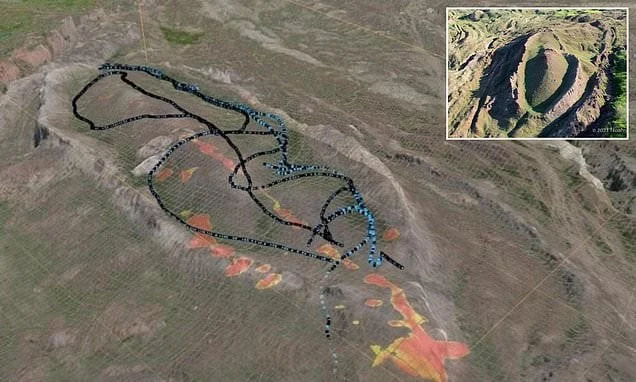
Struktur Aneh di Arafat adalah Bahtera Nuh Asli. Foto/ Daily Mail

by Reynand Wu September 27, 2026
written by Reynand Wu

The long-standing quest to locate the historical remains of Noah’s Ark has reached a new juncture following the release of recent geological scan data from the Durupinar site in eastern Turkey. A collaborative team of researchers, led by experts from Sivas Cumhuriyet University and the California-based organization Noah’s Ark Scans, has presented findings suggesting that a prominent, boat-shaped formation located in the Doğubayazıt district of Ağrı Province may indeed be the remnants of the vessel described in ancient religious texts.

For decades, the site near Mount Ararat—frequently associated with the final resting place of the ark—has been a focal point for both amateur explorers and academic archaeologists. The latest investigation, which commenced in September 2026, utilizes advanced ground-penetrating radar and geochemical analysis to look beneath the surface of a 157-meter-long geological formation that has long piqued public curiosity due to its peculiar, ship-like silhouette.

Chronology of the Durupinar Investigation

The Durupinar site was first identified in the late 1940s when a Turkish army captain noticed the unusual formation during aerial reconnaissance. Since then, the site has undergone intermittent scrutiny. In the 1980s and 1990s, the late explorer Ron Wyatt brought significant international attention to the location, claiming it was the landing site of the ark. However, the academic community largely dismissed these claims, attributing the formation to natural geological processes known as mudflows or synclines.

The current project represents a significant departure from previous amateur-led efforts. By securing formal permits from the Turkish government, the research team—headed by archaeologist Cenker Atila—has been able to conduct a rigorous, multi-disciplinary study. The timeline of the current initiative began with preliminary site surveys in early 2026, followed by comprehensive soil sampling and geophysical mapping in September 2026. The team focused on extracting core samples from depths of up to 18 meters, aiming to identify the chemical composition of the subterranean materials to determine whether they consist of natural rock formations or manufactured structural remains.

The Science Behind the Scans

Andrew Jones, a prominent researcher with Noah’s Ark Scans, has been vocal about the implications of the team’s data. Speaking to media outlets, Jones noted that the goal is to provide empirical evidence capable of swaying a skeptical scientific community. The data points to a complex, artificial structure rather than a random geological occurrence.

The methodology employed by the research team involves:

  1. Ground-Penetrating Radar (GPR): Used to map the density variations beneath the surface, revealing patterns that the researchers describe as "cross-beams" or internal reinforcements consistent with the construction of a large wooden vessel.
  2. Chemical Analysis: Soil samples are currently undergoing mass spectrometry to detect traces of organic materials, such as fossilized wood or bitumen, which would have been used to waterproof a ship of such magnitude.
  3. Stratigraphic Mapping: By analyzing the layers of earth surrounding the structure, the team aims to determine if the site was deposited by a singular, high-energy catastrophic event, such as a localized flood, or if it formed over thousands of years through slow sedimentation.

Official Responses and Academic Skepticism

The response from the broader archaeological community remains cautious. While the involvement of Sivas Cumhuriyet University adds a layer of academic credibility, many geologists maintain that the formation is a "natural syncline." According to these critics, the boat-like shape is a result of erosion patterns and tectonic shifts that have occurred in the rugged, volcanic terrain surrounding Mount Ararat.

The Turkish government has been supportive of the research, recognizing the potential for cultural and religious tourism that a confirmed discovery would bring to the Ağrı region. However, official statements from the Ministry of Culture and Tourism remain neutral, emphasizing that the project is an ongoing scientific investigation rather than a confirmed archaeological find. The government has prioritized the preservation of the site, ensuring that any invasive exploration is conducted under strict archaeological protocols to prevent damage to potential artifacts.

Broader Implications of the Discovery

Should the findings be verified through peer-reviewed publication and independent replication, the implications would be profound. For historians, it would necessitate a re-evaluation of the relationship between ancient mythological narratives and physical reality. For theologians, it would provide a tangible link to one of the most widely recognized accounts in the Abrahamic traditions, potentially altering the landscape of religious tourism in the Middle East.

However, the burden of proof remains exceptionally high. In archaeology, the identification of a massive wooden structure from several millennia ago requires not just a visual match, but undeniable material evidence. This includes the identification of non-native timber, specialized construction joints, and clear evidence of maritime engineering that predates the emergence of iron-age seafaring technologies.

Furthermore, the environmental conditions of the region pose a significant challenge. The high altitude, seismic activity, and freeze-thaw cycles of the Ağrı Province are hostile to the preservation of organic materials. If the ark were indeed made of wood, the researchers are looking for traces that have survived thousands of years of environmental degradation.

Socio-Economic Impact on Doğubayazıt

The town of Doğubayazıt stands to gain significantly from the sustained interest in the site. As the gateway to Mount Ararat, the region has long served as a hub for mountaineers and pilgrims. A confirmation of the site’s status as the genuine Bahtera Nuh (Noah’s Ark) would likely trigger a massive influx of visitors. Local authorities are already planning for infrastructure upgrades, including improved roads and visitor centers, to accommodate the potential surge in tourism.

The collaboration between Western researchers and local Turkish universities also underscores a growing trend in "heritage diplomacy," where archaeological research serves as a bridge for international cooperation. By involving local scholars, the project ensures that the research remains culturally sensitive and aligned with the national heritage goals of the Turkish Republic.

The Path Forward

As the research team continues to process the data from the September 2026 scans, the next phase of the project will likely involve deeper excavations. The decision to move from non-invasive scanning to physical excavation is one that requires careful deliberation. Archaeologists are wary of the "salami slicing" effect, where hasty excavations can destroy context before it is properly recorded.

The scientific community awaits the publication of the team’s full report, which is expected to detail the GPR imagery and the chemical analysis of the core samples. Until such a report is released in a reputable journal, the findings remain a fascinating—albeit unproven—addition to the long history of the search for the Ark.

For now, the site at Durupinar remains a mystery. Whether it is a natural wonder or the final resting place of a legendary vessel, it continues to captivate the human imagination, serving as a testament to our enduring desire to connect the stories of the past with the tangible world of the present. As Andrew Jones and his team prepare their next steps, the world watches with anticipation, waiting to see if the "strange structure" will finally reveal its true nature to history.

The narrative of Noah’s Ark has transcended its origins in religious texts to become a universal cultural touchstone. The current investigation, blending modern technology with ancient curiosity, represents the most rigorous attempt yet to bridge that gap. Regardless of the outcome, the project highlights the importance of continued investment in the archaeology of the Near East, a region that continues to hold the keys to understanding the origins of civilization and the collective memory of humanity.

In the coming months, the academic community will likely host symposia and technical reviews to discuss the data. These discussions will be critical in distinguishing between the excitement of a potential discovery and the cold, hard facts of geological and archaeological science. For the residents of Ağrı Province, the wait for a definitive answer is not just a matter of scientific curiosity, but a significant milestone in the history of their region. As the project progresses, the global community remains attentive, mindful that in the pursuit of historical truth, the most surprising answers often lie just beneath the surface of the earth.

September 27, 2026 0 comment
0 FacebookTwitterPinterestEmail
Automotive

The Rise of Chinese Open-Weighted AI Models Triggers a Global Price War in the Artificial Intelligence Industry

by Jia Lissa September 27, 2026
written by Jia Lissa

The global landscape of artificial intelligence development is undergoing a tectonic shift as cost-efficiency increasingly eclipses raw computational power as the primary competitive metric. For years, the industry was defined by a race toward "frontier models"—systems designed to exhibit the highest possible levels of intelligence, often regardless of the financial overhead required to train and run them. However, a recent surge in the accessibility and performance of open-weighted models originating from China has fundamentally disrupted this trajectory. As these high-performance, low-cost alternatives gain traction among global enterprises, Western AI giants including OpenAI, Anthropic, and xAI are being forced into an aggressive, industry-wide price-slashing strategy to preserve their market dominance.

The emergence of these Chinese models represents a significant maturation of the open-source and open-weight ecosystem. By offering performance levels that rival proprietary models at a fraction of the cost, Chinese developers have effectively challenged the hegemony of Silicon Valley’s largest players. This competition has shifted the narrative from "who has the smartest model" to "who provides the most sustainable business model," forcing companies that once enjoyed premium pricing power to defend their customer bases against a tide of democratization.

A Chronology of the Cost-Efficiency Pivot

The competitive environment shifted dramatically throughout late 2023 and 2024. As enterprises began integrating large language models (LLMs) into their core workflows, the reality of high inference costs—the financial price paid every time a model processes a request—became a critical bottleneck.

In early 2024, initial reports from the Asian market indicated that companies were beginning to pivot away from top-tier, high-cost models in favor of custom-tuned, open-weight solutions. By the summer of 2024, the trend had accelerated. Enterprises realized that for specific tasks—such as customer support automation, code documentation, or data synthesis—the marginal gain in intelligence provided by a massive, expensive model was often negligible compared to the significant increase in operational expenses.

On September 23, 2024, this pressure reached a breaking point. OpenAI, in a move widely viewed as a direct response to competitive headwinds, introduced two new iterations of its flagship architecture: GPT-6 Sol and GPT-6 Luna. These models were specifically designed to cater to the enterprise market’s demand for affordability. By offering pricing as low as $0.10 per million tokens for input—a reduction of nearly 99% compared to their high-end counterparts—OpenAI signaled that the era of "expensive AI" was nearing its end. On that same day, Anthropic followed suit, unveiling Claude Opus 5.5, which provided performance parity with its predecessors at a 40% discount, further cementing the industry’s transition toward price-sensitive product roadmaps.

The Economic Mechanics of the Price War

To understand why these price cuts are occurring, one must analyze the economics of token consumption. In enterprise settings, models are not just used for occasional queries; they are embedded into software stacks that process millions of transactions daily. At the original pricing structures, where input tokens could cost upwards of $10 per million, even a moderately sized corporation could incur monthly AI bills reaching into the hundreds of thousands of dollars.

The entry of Chinese models into the global market provided a "floor" for these prices. These models, often leveraging efficient training methodologies and optimized inference architectures, allowed businesses to maintain internal AI capabilities without the prohibitive costs of proprietary API access. The resulting impact on the market was twofold:

  1. Revenue Retention: By lowering prices, OpenAI and Anthropic are attempting to prevent "churn," or the loss of enterprise clients to self-hosted or local open-weight solutions.
  2. Standardization: As prices for high-quality intelligence drop, AI becomes a commodity. Companies are now less likely to pay a "brand premium" for a specific model provider when a more cost-effective alternative offers 90% of the same capability.

Industry Implications and Corporate Strategy

The shift toward cost-optimization has forced companies to re-evaluate their AI infrastructure. Many large-scale organizations are now adopting a "multi-model" approach. Rather than relying on a single, expensive "God-model" for every function, companies are using high-end models for complex reasoning tasks and deploying cheaper, specialized open-weight models for high-volume, routine operations.

According to industry analysts, this strategy allows for better resource allocation. A legal department, for example, might still utilize the most sophisticated model available for analyzing complex contracts, while a customer support portal might utilize a lighter, faster, and cheaper model that has been fine-tuned on the company’s specific documentation.

This structural change in the market has also sparked a debate regarding the sustainability of AI companies that rely solely on model-as-a-service (MaaS) revenue. If the cost of tokens continues to plummet toward zero, the competitive advantage will no longer reside in the model itself, but in the proprietary data, the user interface, and the integration capabilities that a company offers.

Official Responses and Market Positioning

While executives from major Western AI firms have largely framed these price cuts as a reflection of "technological advancement" and "improved efficiency," the timing of these announcements strongly suggests a reactive posture.

In public statements following the release of the cheaper models, leadership teams emphasized the "democratization of intelligence." However, industry insiders suggest that the real motivation is the protection of long-term revenue streams. If an enterprise migrates its internal workflows to an open-source model hosted on a private cloud, they are effectively severed from the proprietary ecosystems of companies like OpenAI. By lowering prices, these firms are working to ensure that the cost-benefit analysis of switching remains unfavorable for the customer.

Furthermore, the competition has sparked a race for specialized hardware optimization. As the cost of software inference drops, the industry is looking toward custom silicon—such as TPUs and specialized AI accelerators—to further reduce the energy and hardware costs associated with these models. This technological race is now intrinsically linked to the price of the token; the more efficient the hardware, the lower the price the software provider can afford to charge.

Broader Impact: The Global AI Ecosystem

The ripple effects of this price war extend beyond just the balance sheets of tech giants. For the broader global economy, the reduction in AI costs is a positive development. It accelerates the adoption of artificial intelligence in developing economies and among Small and Medium Enterprises (SMEs) that were previously priced out of the market.

As the barriers to entry decrease, we are likely to see a surge in AI-driven innovation across sectors as diverse as agriculture, education, and local government. The availability of high-performance, affordable models allows developers in resource-constrained environments to build applications that solve local problems, rather than being forced to rely on expensive, centralized, and often culturally biased Western solutions.

However, this transition is not without risks. The rapid commoditization of AI models may lead to a decrease in the resources available for long-term safety research. When profit margins are compressed, companies may prioritize quick-to-market features and operational cost-cutting over rigorous safety testing and ethical oversight. Regulatory bodies in both the United States and the European Union are closely monitoring these trends, wary that a race to the bottom in pricing could inadvertently lead to a race to the bottom in safety standards.

Conclusion: The Future of AI Pricing

The current state of the artificial intelligence market is a classic example of disruptive innovation. The entrance of efficient, low-cost competitors has forced the incumbents to adapt or face obsolescence. As we look toward the remainder of the decade, the industry is expected to continue its trajectory toward lower costs and higher accessibility.

The "price war" is likely to persist as long as open-weight models continue to close the performance gap with proprietary frontier models. For the end user, this is a transformative era. The cost of generating, analyzing, and synthesizing information via artificial intelligence is plummeting, which will undoubtedly lead to a new wave of industrial productivity. Whether this leads to a stable, mature market or a period of volatility depends on how effectively companies can balance the dual pressures of intense price competition and the immense costs associated with maintaining safe, reliable, and cutting-edge artificial intelligence systems.

As of the current quarter, the market remains in a state of flux. While the short-term benefits to consumers are clear, the long-term impacts on the competitive landscape of the technology sector remain to be seen. What is certain, however, is that the era of AI as a prohibitively expensive luxury is rapidly coming to a close, replaced by a new reality where intelligence is increasingly treated as a ubiquitous, low-cost utility.

September 27, 2026 0 comment
0 FacebookTwitterPinterestEmail
Sports

National Sports Day (Haornas): Tracing Indonesia’s Athletic Journey from the 1948 Solo PON to Modern Wellness and Economic Growth

by Muslim September 27, 2026
written by Muslim

National Sports Day, widely recognized as Hari Olahraga Nasional or Haornas, stands as one of the most significant commemorations in the Indonesian calendar, observed annually on September 9. Beyond serving as a historical reminder of the nation’s athletic milestones, Haornas has evolved into a vital nationwide initiative aimed at fostering public health, driving the sports economy, and embedding physical fitness into the daily lives of millions of citizens. As Indonesia marks the 43rd anniversary of its official proclamation in 2026, the history of Haornas remains deeply intertwined with the nation’s broader struggle for international recognition, resilience, and sovereignty following its independence.

The Historical Roots of Indonesian Sports: The 1948 Solo PON

The genesis of National Sports Day traces back to a time of immense geopolitical turbulence and national rebuilding: the inaugural National Games, or Pekan Olahraga Nasional (PON), held in Surakarta, Central Java, from September 9 to September 12, 1948. Just three years after proclaiming independence on August 17, 1945, the newly formed Republic of Indonesia faced severe diplomatic isolation and administrative hurdles orchestrated by colonial powers seeking to reassert control.

One of the primary catalysts for organizing the domestic games stemmed from Indonesia’s earnest aspiration to participate on the global stage, specifically at the XIV Olympic Games held in London in 1948. However, the international community, largely influenced by post-World War II geopolitical dynamics and the absence of widespread diplomatic recognition of the young republic, refused to recognize the Indonesian Olympic Committee (KOMITE OLAIMPIADE INDONESIA) or accept passports issued by the revolutionary government. Furthermore, the International Olympic Committee (IOC) insisted that Indonesian athletes compete under the Dutch flag—a humiliating compromise that the sovereign nation vehemently rejected.

Refusing to compromise national dignity, Indonesian sports pioneers, led by visionary figures such as Sri Sultan Hamengkubuwono IX and R. Maladi, pivoted inward. They resolved to showcase the nation’s organizational capacity, unity, and physical prowess by hosting a monumental multi-sport event on home soil. Solo, chosen for its strong infrastructural readiness and secure republican territory, welcomed over 600 athletes competing across nine sports disciplines. The successful execution of the first PON served as a powerful political statement: despite military blockades and economic hardships, Indonesia functioned as an independent, organized state capable of uniting its diverse populace through the universal language of sport. September 9, the opening day of those historic games, was indelibly etched into the national consciousness as the spiritual foundation of Indonesian sports.

Institutionalization and the Formalization of Haornas in 1983

While the spirit of September 9 lived on through subsequent editions of the PON, it took more than three decades for the date to be officially codified into the national calendar. The formal establishment of National Sports Day took place on September 9, 1983, when then-President Soeharto officially proclaimed Haornas during a ceremony marking the revitalization and modernization of the historic Sriwedari Stadium in Surakarta—the very cradle of the 1948 PON.

The 1983 proclamation served a dual purpose: honoring the historical sacrifices of the 1948 generation and creating a structured, top-down policy framework to elevate the standard of sports across the archipelago. The government recognized that a healthy populace was indispensable for national development, industrialization, and defense.

To give the commemoration permanent legal standing, the government enacted Presidential Decree (Keppres) Number 67 of 1985 concerning National Sports Day. This legal instrument formally designated September 9 of each year as Haornas, mandating state institutions, educational facilities, and civil society organizations to promote physical education and athletic development on a continuous, institutionalized basis.

From Elite Medals to Public Wellness: The Evolving Meaning of Haornas

In contemporary Indonesia, the paradigm surrounding National Sports Day has undergone a profound transformation. While early decades placed a heavy emphasis on elite athletic performance and the accumulation of international medals—such as triumphs at the Asian Games, Southeast Asian (SEA) Games, and the Olympic Games—modern interpretations championed by the Ministry of Youth and Sports (Kemenpora) emphasize holistic sports culture, or memasyarakatkan olahraga dan mengolahragakan masyarakat (popularizing sports and making society athletic).

According to strategic guidelines issued by Kemenpora, Haornas acts as an annual catalyst to combat sedentary lifestyles, address non-communicable diseases related to lack of physical activity, and instill core values such as discipline, teamwork, resilience, and national pride among the younger generation. Sport is no longer viewed merely as a competitive arena for professional athletes, but as a fundamental pillar of human capital development.

Furthermore, the scope of sports development in Indonesia has expanded to encompass the burgeoning field of sport tourism and the creative economy. Modern policy frameworks recognize that major sporting events, ranging from national multi-sport spectacles like the upcoming PON events to specialized competitions such as beach sports festivals, act as powerful magnets for regional economic stimulation.

Economic and Health Implications in the Modern Era

Recent statements from government leadership, including the Ministry of Youth and Sports, underline the significant macroeconomic impact of the sports sector. The convergence of sports, tourism, and health has unlocked new avenues for local economic resilience. Major sporting events generate substantial multiplier effects for micro, small, and medium-sized enterprises (MSMEs), hospitality sectors, transportation networks, and local artisan industries.

To sustain this momentum, substantial capital investments are continuously demanded. For instance, recent strategic proposals by Kemenpora, which have sought significant funding allocations in the range of trillions of rupiah to construct modern training academies and elite regional training centers, highlight the state’s long-term commitment to professionalizing athletic infrastructure. Concurrently, regional initiatives—such as leveraging future PON events to position regions like East Sumba as premier sport tourism destinations or hosting specialized beach games in urban coastal zones like Ancol—demonstrate a decentralized approach to sports development that benefits diverse economic landscapes.

Despite these advancements, structural challenges persist. Disparities in sports infrastructure between major urban centers and remote regions, inconsistent funding for grassroots talent identification, and the need for science-based athletic conditioning remain critical areas for improvement. Analysts note that while Indonesia consistently produces world-class talent in traditional strongholds like badminton, expanding this success to a broader array of Olympic disciplines requires sustained, transparent, and professionally managed institutional frameworks.

Observing Haornas in the 21st Century

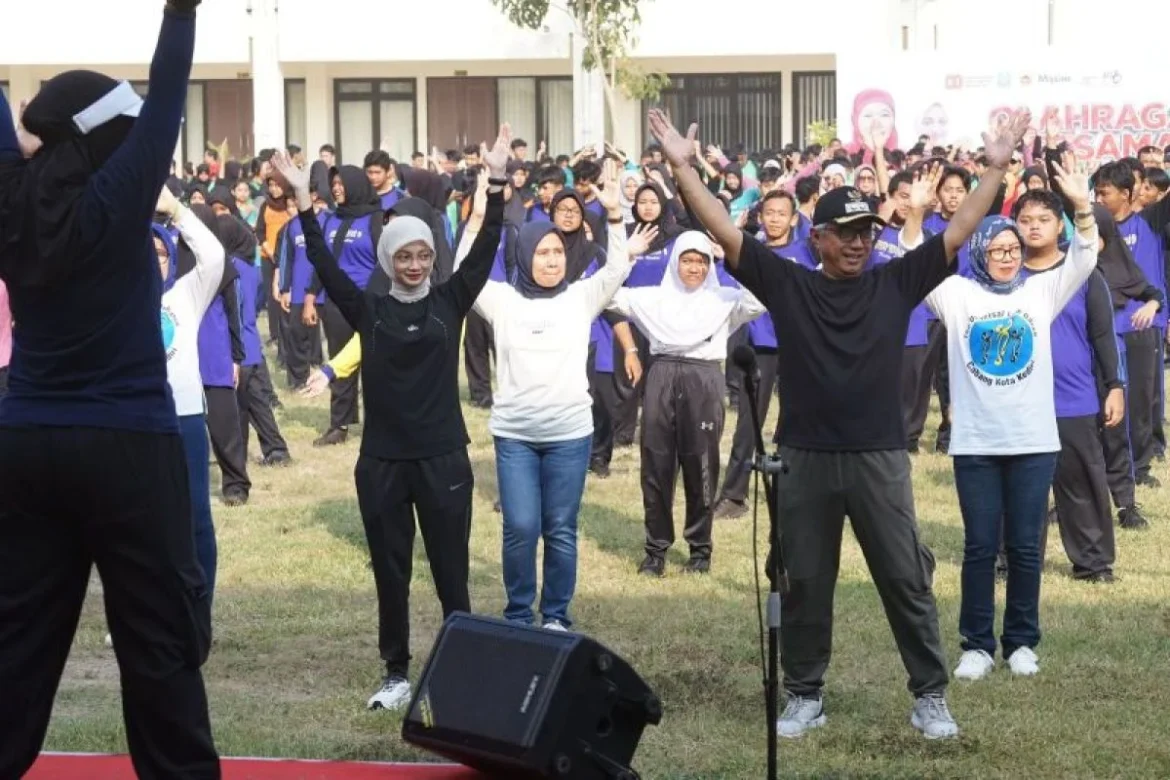
As the nation observes the 43rd anniversary of the proclamation of Haornas, the commemoration serves as both a reflection of past achievements and a call to action for the future. The modern celebration is marked by mass calisthenics, community running events, school sports festivals, and digital campaigns encouraging citizens of all ages to integrate at least 30 minutes of moderate physical activity into their daily routines.

Communities, families, and educational institutions play a pivotal role in honoring the spirit of September 9. By fostering an environment where physical education is prioritized and athletic achievements are celebrated without compromising academic or social responsibilities, society helps build a more resilient and dynamic generation.

Ultimately, National Sports Day transcends the ceremonial raising of flags or the issuance of official statements. It remains a living tribute to the resilient spirit of the 1948 pioneers who proved that a nation’s strength is measured not only by its political sovereignty, but by the vitality, unity, and wellness of its people. Through every stride run on a community track, every youth training session in a provincial academy, and every international podium finish, the legacy of the Solo PON lives on, propelling Indonesia toward a healthier, more competitive future.

September 27, 2026 0 comment
0 FacebookTwitterPinterestEmail
Entertainment & Celebrity

Nana Tampil Beda dengan Bibir Lebih Tipis Usai Kontroversi di The Scandal

by Neng Nana September 27, 2026
written by Neng Nana

Im Jin-ah, widely known by her stage name Nana, has once again become the center of public discourse following her latest public appearance. The former After School member and celebrated actress, who has transitioned successfully into the K-drama industry, was recently spotted sporting a distinctively shorter, choppy hairstyle and noticeably thinner lips, a departure from the aesthetic she showcased during her recent project, the Netflix production The Scandal. This shift in appearance comes on the heels of significant online scrutiny regarding her physical presentation in the historical drama, sparking a broader conversation about beauty standards in South Korean entertainment and the intersection of modern aesthetics with period-accurate character portrayals.

The Chronology of the Controversy

The discourse surrounding Nana’s appearance began shortly after the release of the Netflix original series The Scandal. In the series, Nana portrays Hui Yeon, a character living during the Joseon Dynasty. While her performance received commendation for its emotional depth and range, a significant portion of the audience became fixated on her physical appearance, specifically her lips.

Viewers noted that her lips appeared unusually full, leading to widespread speculation on social media platforms and Korean community forums that the actress had undergone cosmetic procedures, specifically the injection of lip fillers. Critics argued that the volume of her lips appeared incongruent with the historical setting of the Joseon era, where such modern beauty markers are typically absent. The "distraction" caused by this aesthetic choice became a recurring theme in viewer reviews, with some fans suggesting it broke the immersion of the historical narrative.

Following the initial wave of criticism, Nana maintained a relatively low profile regarding the rumors. However, her recent public appearance—characterized by a return to thinner lip proportions and a bold, choppy haircut—has been interpreted by many observers as a direct or indirect response to the feedback received during the broadcast of The Scandal.

Navigating Aesthetics in K-Drama Casting

The scrutiny Nana faced highlights a unique challenge for actors in the South Korean industry, where the "visual" standard is exceptionally high and often strictly monitored by the public. In historical dramas, or Sageuk, there is an unspoken expectation for actors to maintain an appearance that aligns with the era depicted.

Historically, Korean entertainment has maintained a rigorous standard for "natural" beauty. When an actor appears to have utilized modern cosmetic enhancements, such as fillers or surgical alterations, it can lead to a disconnect between the audience and the character. In Nana’s case, the contrast between her perceived modern aesthetic and the traditional Joseon-era setting created a focal point that arguably overshadowed the character’s narrative arc.

Industry analysts suggest that this phenomenon is part of a larger trend where digital cinematography and high-definition screens amplify minute changes in an actor’s face. Unlike previous decades where lighting and film grain could mask subtle cosmetic interventions, modern 4K production values leave little room for such nuances, making actors more susceptible to public dissection of their features.

Background: Nana’s Career Trajectory

Nana’s transition from a K-pop idol to a critically acclaimed actress has been one of the most successful narratives in the Korean entertainment industry. Debuting as a member of After School in 2009, she quickly became known for her striking visuals, consistently topping "Most Beautiful Face" lists globally.

As she pivoted to acting, Nana proved that her talents extended beyond the stage. Her roles in critically successful dramas such as The Good Wife, Kill It, and Into the Ring earned her accolades and solidified her status as a versatile performer. By the time she was cast in The Scandal, she was considered a top-tier lead, capable of anchoring complex dramas.

The recent controversy is perhaps the first time in her acting career that her physical appearance has been cited as a detriment to a project’s reception. This represents a shift in how fans interact with their idols; while they formerly celebrated her "visuals" as a point of pride, the current climate has shifted toward a more critical, often intrusive, examination of whether those visuals serve the artistic integrity of the work.

Analysis of the Public Reaction

The reaction to Nana’s changing appearance has been polarized. On one side, there are those who defend her right to bodily autonomy. These supporters argue that the pressure to adhere to strict beauty standards is oppressive and that the criticism leveled against her is a form of harassment. They point out that actresses, unlike their male counterparts, are disproportionately judged for cosmetic changes.

Conversely, those who have critiqued her appearance argue that in the context of professional acting, physical choices can affect the believability of a character. From this perspective, if an actor’s appearance clashes with the historical period of a drama, it is a valid production concern. This side of the debate emphasizes that high-budget productions are collaborative efforts where the visual presentation must be cohesive.

The fact that Nana has now appeared with a look that aligns closer to her previous, less-voluminous style has led many to speculate whether her agency or the stylists involved in her recent projects have advised a return to a more "neutral" aesthetic.

The Role of Stylists and Agencies

In the South Korean entertainment ecosystem, the influence of agencies on an artist’s look cannot be overstated. Agencies often coordinate closely with stylists and beauty consultants to curate an image that fits specific roles or marketing cycles. The "choppy" haircut and the adjustment in lip volume could be part of a new image-building strategy intended to move past the The Scandal controversy and rebrand her for upcoming roles.

Industry insiders note that celebrities in South Korea often rotate through various "looks" to keep their brand fresh. Whether the changes are a result of surgical reversal, the dissolving of fillers, or simply a change in makeup technique—such as the use of lip liners or specific lipstick application methods—the public’s sensitivity to these changes underscores the immense pressure stars face.

Broader Implications for the Industry

The "Nana incident" serves as a case study for the evolving relationship between K-drama stars and their audience in the era of social media. The speed at which rumors regarding cosmetic procedures spread—and the subsequent impact on how a project is perceived—indicates that agencies must now factor in the "visual reception" of an actor as part of their risk management strategy.

Furthermore, this situation brings to light the ongoing debate regarding the use of cosmetic surgery in the entertainment industry. While Korea is often cited as a hub for aesthetic procedures, there remains a persistent societal tension between the normalization of these procedures and the public demand for "authentic" performances. When an actor’s appearance is perceived as "too artificial," it risks distancing the audience from the emotional reality of the story being told.

Conclusion

Nana remains one of the most bankable and recognizable faces in Korean entertainment. While the discourse surrounding her appearance in The Scandal and her subsequent change in style have dominated headlines, her career remains on an upward trajectory. The incident highlights the precarious balance actors must strike between maintaining their personal aesthetic preferences and meeting the expectations of a discerning, often hyper-critical audience.

As the industry continues to grow, the dialogue between performers and their viewers regarding beauty standards is likely to intensify. For Nana, the focus will undoubtedly shift back to her professional output in future projects, as she continues to navigate the complexities of fame and artistry in the spotlight. Whether this latest stylistic adjustment signals a permanent return to her previous look or is merely another phase in her evolving career, it is clear that every choice she makes will continue to be meticulously observed by fans and critics alike.

Moving forward, the industry may see more stringent considerations regarding period-accurate styling, as producers and agencies seek to mitigate the risk of "visual distractions" that can detract from the storytelling experience. Ultimately, Nana’s resilience in the face of such scrutiny remains a testament to her enduring presence in an industry that demands constant evolution.

September 27, 2026 0 comment
0 FacebookTwitterPinterestEmail
Entertainment & Celebrity

Intense Drama and Maternal Instincts Collide in RCTI Hit Series Terlanjur Mencintaimu

by Ammar Sabilarrohman September 27, 2026
written by Ammar Sabilarrohman

The landscape of Indonesian television drama continues to evolve, offering audiences complex narratives that intertwine romance, psychological suspense, and high-stakes family conflict. Among the prominent offerings capturing prime-time television viewership is the acclaimed sinetron Terlanjur Mencintaimu, broadcast daily on the RCTI network. Airing at 20.30 Western Indonesia Time (WIB) on Channel 28, the series has consistently drawn significant viewership due to its intricate plotting and emotionally charged confrontations. As the storyline progresses into its latest narrative arc, viewers are treated to a masterclass in dramatic tension, where maternal protective instincts are pushed to their absolute limits against a backdrop of betrayal, deep-seated romance, and unresolved mysteries from the past.

Main Facts and Narrative Overview

Terlanjur Mencintaimu has firmly established itself as a staple of contemporary Indonesian entertainment, relying on a sophisticated blend of romance and suspense rather than depending solely on traditional melodramatic tropes. The central premise revolves around a web of deceit, evolving relationships, and psychological warfare orchestrated by characters driven by ambition and vengeance.

At the core of the series is a stellar ensemble cast featuring some of the most recognizable and critically acclaimed talents in the Indonesian television and film industry. The production is spearheaded by Chicco Jerikho in the role of Elio, a character whose stoic exterior often masks deep emotional resonance and unwavering loyalty. Alongside him is Marsha Aruan, who delivers a poignant performance as Arumi, a mother navigating an increasingly hostile environment to protect her child. The cast further boasts Miqdad Addausy portraying the dual-layered persona of Rendi and Alex, Jennifer Eve as the calculating and antagonistic Laura, and industry veterans Sari Nila as Anika and Verlita Evelyn as Celia. The ensemble is rounded out by rising stars including Erdin Werdrayana as Kevin, Elissa Knapp as Via, and Ratu Bijak as Mila, alongside a supporting cast of seasoned actors and actresses who lend depth to the fictional universe.

The current narrative phase has shifted focus toward higher-stakes confrontations, moving away from domestic misunderstandings toward direct threats of physical and psychological harm. This escalation has redefined character motivations, forcing alliances to form and fracture in real-time as the psychological pressure mounts on the protagonists.

Chronology of Escalating Conflict

The trajectory of the recent episodes has been marked by a steep escalation in tension, driven primarily by the antagonistic maneuvers of Laura. The chronology of events began with subtle psychological provocations, designed to destabilize Arumi emotionally and isolate her from potential sources of support. However, these covert tactics quickly gave way to overt and dangerous aggression.

The turning point in the recent broadcast occurred when Laura initiated a calculated video call to Arumi. Eschewing any attempt at dialogue or negotiation, Laura utilized the digital medium to inflict maximum psychological terror. Through the live video feed, Laura revealed the precarious situation of Kenzo, Arumi’s young son, who was shown standing perilously close to the edge of a high-rise balcony. Accompanied by explicit threats to cause physical harm to the child, the action transformed a personal rivalry into an immediate life-or-death crisis.

Overcome by maternal terror and the panic inherent in such a dire situation, Arumi abandoned all caution. The chronology details her immediate departure from her current location, rushing headlong toward the apartment complex where her son was being held hostage to danger. This frantic journey served not only as a physical race against time but also as a narrative device to expose the vulnerabilities of the protagonist.

Amidst this chaos, the narrative introduced a critical turning point regarding the character of Elio. Recognizing the imminent peril facing Arumi and Kenzo, Elio cast aside any lingering emotional reservation or ambiguity, openly revealing his deep-seated care and commitment to Arumi. His intervention marked a transition from a passive observer or distant confidant to an active participant in the protection of the mother and child, fundamentally altering the dynamic between the lead characters.

Supporting Data and Industry Context

The success of Terlanjur Mencintaimu on RCTI is not an isolated phenomenon within the current television ecosystem, but rather part of a broader trend of high-production-value serial dramas capturing prime-time dominance in Indonesia. Prime-time slots, particularly the coveted 20.30 WIB window, are fiercely contested by major national networks striving to capture the highest share of household viewership.

Industry metrics consistently indicate that serials incorporating thriller elements into traditional romance frameworks yield higher audience retention rates. By blending the emotional resonance of family melodrama with the pacing of a suspense thriller, production houses can appeal to a diverse demographic ranging from young adults to older family units. The inclusion of established cinematic actors like Chicco Jerikho alongside television mainstays like Marsha Aruan represents a deliberate strategy by network executives to bridge the gap between big-screen production quality and serial television accessibility.

Furthermore, digital engagement surrounding broadcasts of Terlanjur Mencintaimu demonstrates significant cross-platform synergy. Discussions regarding character motivations, plot predictions, and specific scenes—such as the balcony confrontation—frequently trend across social media platforms during and immediately after the broadcast. This digital footprint amplifies the reach of the program, converting traditional television viewers into active online communities that dissect every narrative twist.

Official Responses and Creative Direction

While direct public statements from individual actors regarding specific daily plot developments are typically governed by promotional schedules, insights into the creative direction of Terlanjur Mencintaimu shed light on the methodology behind its resonant storytelling. Production teams behind leading sinetrons often emphasize the importance of emotional authenticity, even within heightened, dramatic scenarios.

In interviews discussing the broader themes of the series, cast members have frequently highlighted the complexity of their respective roles. Characters like Laura, portrayed by Jennifer Eve, are approached not merely as one-dimensional villains, but as individuals driven by complex psychological backgrounds that justify, within the logic of the narrative, their extreme actions. Similarly, the portrayal of motherhood by Marsha Aruan has been crafted to resonate universally, tapping into the primal protective instincts that viewers can readily empathize with, regardless of the fictional context.

Directors and writers working within this genre utilize pacing as a primary tool to maintain audience investment. The transition from quiet dramatic revelations to explosive confrontations—such as the apartment crisis—is meticulously timed to occur during key commercial break intervals, maximizing suspense and ensuring that viewers return for the resolution of the immediate conflict.

Broader Impact and Societal Implications

The widespread popularity of dramas focusing on intense familial conflict and maternal protection offers a fascinating lens through which to examine contemporary media consumption and cultural values in Indonesia. At the heart of these narratives is the enduring cultural reverence for maternal devotion. Stories that depict a mother overcoming insurmountable odds and confronting direct threats for the sake of her child consistently strike a chord with domestic audiences, reinforcing traditional values of familial sacrifice and resilience.

However, the incorporation of high-stakes psychological suspense and urban thriller tropes also reflects a changing appetite among modern viewers. Audiences increasingly demand narratives that move beyond predictable domestic tropes, favoring characters who exhibit agency, vulnerability, and complex moral dilemmas. The dynamic between Arumi and Elio, for instance, challenges simple romantic archetypes, presenting a partnership forged in crisis rather than convenience.

From an economic perspective, the sustained popularity of prime-time dramas like Terlanjur Mencintaimu drives the stability of the local creative sector. These productions provide consistent employment opportunities for hundreds of cast and crew members, technicians, writers, and administrative personnel within the Indonesian entertainment industry. The rigorous production schedule required to deliver daily content fosters high levels of technical proficiency among local crews, contributing to the overall professionalization of the national television sector.

As Terlanjur Mencintaimu continues its run on RCTI, the trajectory of its characters remains a focal point for evening entertainment across the nation. The convergence of high-tier acting talent, sophisticated narrative structuring, and intense emotional stakes ensures that the series will continue to command significant attention from both devoted fans and industry analysts alike. The unfolding fallout from Laura’s dangerous provocations and the deepening bond between Elio and Arumi promise to deliver further dramatic developments, cementing the series’ place as a notable achievement in contemporary Indonesian serial television.

September 27, 2026 0 comment
0 FacebookTwitterPinterestEmail
Lifestyle & Fashion

Syrco BASÀT: Unveiling a New Culinary Evolution in Ubud Rooted in Traceability and Transparency

by Azzam Bilal Chamdy September 27, 2026
written by Azzam Bilal Chamdy

The evolving landscape of modern gastronomy in Indonesia has taken a deeply intentional turn, highlighted by the recent menu evolution at Syrco BASÀT, the acclaimed culinary hub situated in the cultural heart of Ubud, Bali. Since opening its doors in January 2024 under the visionary guidance of Chef Syrco Bakker, the establishment has continuously challenged conventional fine dining paradigms. Today, the destination is introducing a comprehensive menu overhaul across its three distinct pillars: the intimate KU culinary atelier, the main Syrco BASÀT Restaurant, and the dynamic Syrco BASÀT Bar. This evolution is not merely a seasonal rotation of dishes, but a profound reflection on the relationship between ingredients, the environment, and the human hands responsible for cultivating and harvesting them. Guided by three foundational pillars—traceability, nature, and transparency—Chef Bakker and his team have spent over two years decoding the rich gastronomic tapestry of Indonesia. The result is a refined dining philosophy that champions the authentic character of local produce, minimizing culinary interference to let the raw, unadorned qualities of each element shine.

Main Facts and the Core Philosophy of Syrco BASÀT

At the heart of Syrco BASÀT’s latest menu evolution is a minimalist yet deeply respectful approach to sourcing and preparation. As the culinary team has grown more familiar with Bali’s microclimates, local farmers, independent fishermen, and artisanal producers over the past two years, the imperative to mask ingredients has vanished. Instead, the focus has shifted entirely toward celebrating provenance.

The establishment operates across three unique spaces, each designed to offer a different facet of this philosophy:

Syrco BASÈ Menemukan Cara Baru Membiarkan Bali Bercerita di Atas Piring
  • KU Culinary Atelier: An exclusive, highly intimate 12-seat counter experience featuring an 11-moment tasting menu where guests observe the preparation process in a sunken kitchen design.
  • Syrco BASÀT Restaurant: The flagship dining room offering a structured multi-course journey that balances contemporary culinary techniques with deeply rooted Indonesian flavor profiles.
  • Syrco BASÀT Bar: A vibrant social space focusing on shared plates that brilliantly fuse international techniques with familiar local spices and comfort elements.

This tripartite concept ensures that every visitor, whether seeking high-end introspection or casual artisanal grazing, encounters the same uncompromising dedication to local ecosystems and sustainable practices.

Chronology and Milestones: From Inception to Evolution

To fully understand the significance of Syrco BASÀT’s current menu transformation, it is essential to look at the timeline that shaped its establishment in Bali:

  • January 2024: Chef Syrco Bakker officially opens Syrco BASÀT in Ubud, bringing his extensive European Michelin-starred expertise to the Indonesian archipelago with a mission to champion sustainability and local sourcing.
  • 2024–2025: Throughout its first two years of operation, the culinary team invests heavily in building direct relationships with regional producers, establishing an on-site organic garden, and mapping out the seasonal availability of Bali and Lombok’s finest land and marine resources.
  • Late 2025 to Early 2026: Recognizing a maturing clientele and a deeper synergy with local growers, Chef Bakker initiates a comprehensive review of culinary processes. The kitchen shifts toward an even more reduced-intervention style of cooking.
  • September 2026: Syrco BASÀT officially debuts its new multi-concept menu evolution, emphasizing hyper-local traceability, daily catch dependencies, and garden-to-table integration.

Supporting Data and Culinary Mechanics: Reading Bali Through Daily Offerings

The operational mechanics behind Syrco BASÀT’s new menus rely heavily on flexibility and daily availability rather than rigid industrial supply chains. This fluidity is most prominently displayed in the sourcing of seafood and produce.

In the KU culinary atelier, where Chef Syrco collaborates closely with Chef Dawid Koszykowski, the menu discards static planning in favor of real-time adaptation. A prime example is Catch of Oka, a signature dish that features seafood supplied directly by Oka, a traditional fisherman based in Jimbaran. Every morning, Oka transmits digital photographs of his fresh ocean haul to the kitchen team. Based on these images, the chefs select the day’s catch, ensuring absolute peak freshness while honoring the natural rhythms of the Indian Ocean. Other notable atelier creations include prawns paired with marigold, tarragon, and local chicken; hamachi served alongside refreshing rose apples and celery; and the Land & Garden course, which weaves together heirloom tomatoes, Kintamani coffee, and freshly plucked garden herbs.

Syrco BASÈ Menemukan Cara Baru Membiarkan Bali Bercerita di Atas Piring

In the main Syrco BASÀT Restaurant, the familiar architectural structure of the menu remains intact, yet the execution has been stripped of unnecessary complexity. The progression begins with a trio of intricate appetizers, including a delicate shrimp tartare accented with shiso and aromatic sambal merah, alongside a modernized interpretation of Balinese coastal street corn. The journey flows seamlessly into Oka’s Catch with sea kelp and cucumber; Lombok oysters balanced with fennel, calamansi, and basil; hamachi; free-range chicken elevated with a rich bumbu hitam; Jimbaran spiny lobster; and a velvety Japanese pumpkin chawanmushi.

Meanwhile, the Syrco BASÀT Bar embraces a communal dining format infused with bold archipelago flavors. Highlights include a beef steak tartare served alongside freshly baked focaccia and a deep, complex rendang reduction, as well as Taro Rosti paired with succulent ayam betutu and torch ginger (kecombrang).

Garden-to-Kitchen Integration and Sustainability Metrics

Beyond marine partnerships, Syrco BASÀT has significantly expanded its on-site agricultural footprint. The restaurant’s surrounding gardens now yield an abundant harvest of coconuts, edible flowers, indigenous herbs, and tropical fruits utilized directly across all three culinary outlets. This localized ecosystem drastically reduces the carbon footprint associated with ingredient transportation while strengthening the physical and visual link between the soil and the plate.

Sustainability experts and hospitality analysts note that establishments operating on a hyper-local, traceability-first model face distinct operational hurdles, including supply chain volatility and the unpredictability of seasonal yields. However, Syrco BASÀT has transformed these exact challenges into its primary competitive advantage. By educating diners on why a certain ingredient might be absent due to weather patterns or off-seasons, the restaurant fosters a deeper, educational connection between the consumer and the environment.

Syrco BASÈ Menemukan Cara Baru Membiarkan Bali Bercerita di Atas Piring

Official Statements and Perspectives from the Culinary Leadership

Reflecting on the philosophy driving this evolution, the leadership team emphasizes that true luxury in contemporary dining is defined by honesty rather than extravagance.

"When you truly come to know the ingredient and, more importantly, the person behind it, the motivation to disguise its natural character simply disappears," notes the culinary direction established by Chef Syrco Bakker. "Our goal in Ubud was never to impose a foreign European template onto Indonesian soil, but rather to listen to what the land and sea are telling us each morning. After more than two years of listening, learning, and collaborating with local farmers and fishermen, this new menu is a reflection of that mutual trust."

Kitchen collaborators echo this sentiment, pointing out that advanced culinary techniques should serve as a silent support system rather than an ego-driven centerpiece. By allowing techniques to recede into the background, the inherent identity of Balinese produce—its terroir, its acidity, its minerality, and its spice profiles—takes absolute precedence.

Broader Impact and Implications for Bali’s Fine Dining Scene

The evolution of Syrco BASÀT arrives at a pivotal moment for Bali’s burgeoning haute cuisine sector. As global travelers increasingly demand ethical, sustainable, and culturally respectful dining experiences, establishments that rely on imported luxury goods are facing mounting scrutiny.

Syrco BASÈ Menemukan Cara Baru Membiarkan Bali Bercerita di Atas Piring

By anchoring its identity deeply within the local community—from Jimbaran’s fishermen to Kintamani’s coffee growers and Lombok’s oyster farmers—Syrco BASÀT sets a rigorous benchmark for regional responsibility. The economic implications for local micro-producers are profound, providing guaranteed, equitable partnerships that elevate artisanal livelihoods across the island.

Ultimately, the latest chapter at Syrco BASÀT transcends the boundaries of a standard restaurant review. It stands as a case study in attentive listening, proving that when a culinary institution surrenders its ego to the natural rhythms of its surroundings, the resulting cuisine becomes a genuine mirror of the land it calls home.

September 27, 2026 0 comment
0 FacebookTwitterPinterestEmail
Newer Posts
Older Posts

Recent Posts

  • Prabowo Subianto Receives BRIN Head Arif Satria at Merdeka Palace to Discuss Strategic National Research Priorities
  • Prakiraan Cuaca Jabodetabek Hari Ini, Bogor dan Bekasi Hujan Petir
  • Ada Demo Mahasiswa, Pengendara Diimbau Hindari 4 Lokasi Ini
  • Qiscus Unveils Agentic AI Layers to Redefine Customer Engagement at Conversa 6.0 in Jakarta
  • Microsoft Menguji Teknologi APX untuk Bantu Windows 11

Recent Comments

No comments to show.
  • Facebook
  • Twitter

@2021 - All Right Reserved. Designed and Developed by PenciDesign


Back To Top
Dara News Media
  • Home
  • About Us
  • Contact Us
  • Cookies Policy
  • Disclaimer
  • DMCA
  • Privacy Policy
  • Terms and Conditions

We are using cookies to give you the best experience on our website.

You can find out more about which cookies we are using or switch them off in .

Dara News Media
Powered by  GDPR Cookie Compliance
Privacy Overview

This website uses cookies so that we can provide you with the best user experience possible. Cookie information is stored in your browser and performs functions such as recognising you when you return to our website and helping our team to understand which sections of the website you find most interesting and useful.

Strictly Necessary Cookies

Strictly Necessary Cookie should be enabled at all times so that we can save your preferences for cookie settings.