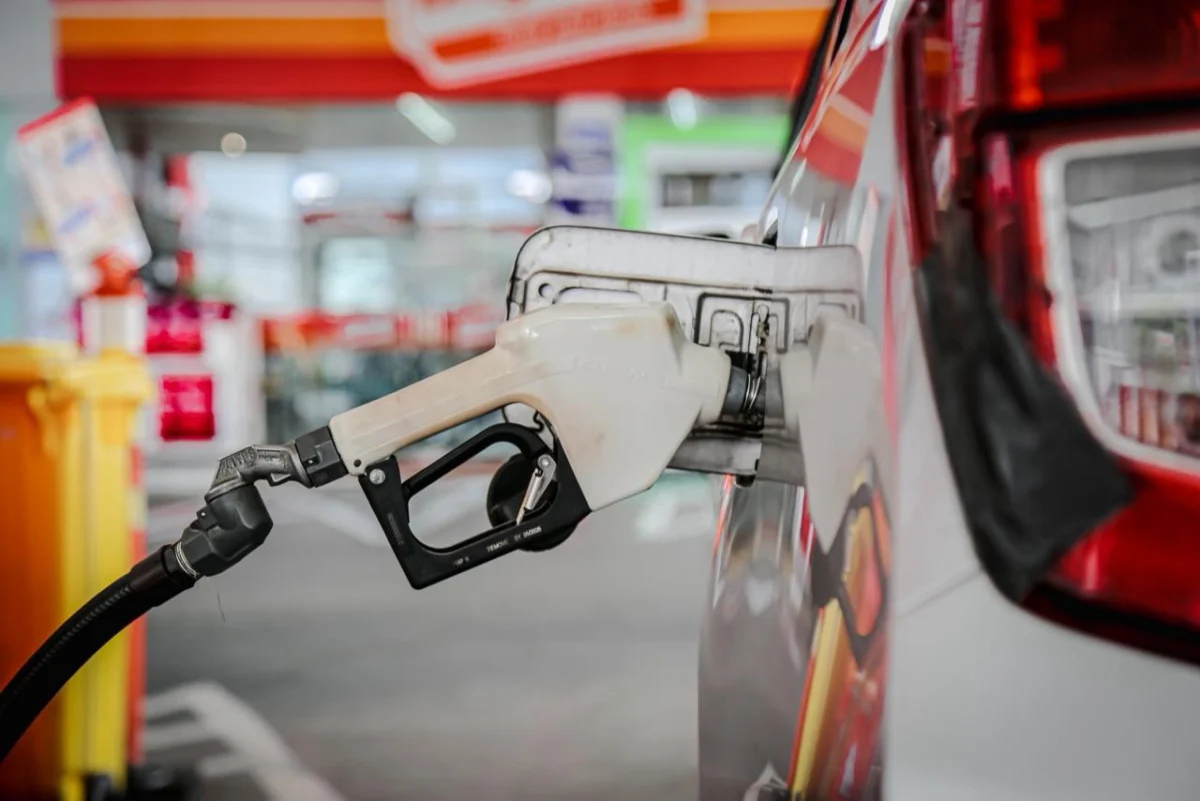
As of September 2026, PT Pertamina Patra Niaga has finalized its latest fuel pricing adjustments for the Jakarta, Bogor, Depok, Tangerang, and Bekasi (Jabodetabek) region. While the energy landscape remains volatile due to shifting global geopolitical tensions and fluctuating crude oil markets, the Indonesian state-owned enterprise has opted for a selective price adjustment strategy. Notably, while high-performance fuel products have seen significant price hikes, the government has maintained its commitment to price stability for subsidized fuel products, specifically Pertalite and Biosolar, which remain unchanged for the remainder of the calendar year.
The Landscape of Fuel Adjustments in September 2026
The pricing structure for September 2026 reflects a bifurcated approach by Pertamina. On one hand, non-subsidized, high-octane products have been subjected to upward revisions to align with the escalating costs of global crude oil and the subsequent impact on refining and distribution expenses. On the other hand, the government has prioritized the protection of the broader economy by keeping subsidized fuels at their current levels, effectively shielding the purchasing power of the average consumer.
The adjustments implemented in early September saw a substantial rise in the costs of premium fuels. Pertamax Turbo, favored by high-compression engines, saw its price climb from Rp18,300 to Rp19,600 per liter. The commercial sector, which heavily relies on diesel variants, was similarly impacted. Dexlite experienced a sharp increase, rising from Rp19,700 to Rp23,700 per liter, while Pertamina Dex saw an even steeper hike, moving from Rp21,150 to Rp25,200 per liter. Furthermore, the environmentally conscious Pertamax Green 95, which had been priced at Rp16,600, was adjusted upward to Rp19,150 per liter.
Maintaining the Status Quo for Subsidized Commodities
Despite the upward pressure on global energy prices, Pertamina has maintained the retail price of Pertamax at Rp15,950 per liter. More critically, the government has reaffirmed its policy to keep subsidized fuel prices fixed until December 31, 2026. Pertalite remains at Rp10,000 per liter, and Biosolar remains at Rp6,800 per liter.
This decision is rooted in a deliberate socio-economic policy aimed at maintaining domestic inflation within a manageable range. By insulating the price of subsidized fuels, the government aims to prevent a ripple effect that would typically see transportation and logistics costs spike, which would eventually manifest as higher prices for basic goods and services. For the average Indonesian citizen, this provides a predictable economic buffer during a period of global uncertainty.
The Rationale Behind Pricing Volatility
The pricing mechanism adopted by Pertamina is not arbitrary; it is governed by a rigorous formula mandated by the Ministry of Energy and Mineral Resources. According to Kitty Andhora, Vice President of Corporate Communication at Pertamina Patra Niaga, several key variables are integrated into this calculation.
The primary driver is the Mean of Platts Singapore (MOPS), which represents the average price of refined petroleum products. Additionally, the exchange rate of the Indonesian Rupiah against the United States Dollar plays a critical role, as oil transactions are conducted in USD. Other factors include regional tax structures, logistics costs, and the need for capital expenditure to ensure supply chain reliability. "The adjustment is a necessary response to the current economic reality, ensuring that Pertamina remains capable of delivering high-quality fuel across the archipelago without compromising the structural integrity of the national supply chain," Andhora noted.
Chronology of Market Shifts
The trend of rising prices began in earnest at the dawn of the month. On September 1, 2026, the first wave of adjustments hit the premium sector, targeting Pertamax Turbo, Pertamina Dex, and Dexlite. This was followed by a subsequent adjustment for Pertamax Green 95 on September 2, 2026.
The delay in adjusting the Green 95 variant compared to other premium products reflects the complexity of the supply chain for biofuels, which require specialized blending infrastructure. Since the start of 2026, global crude oil prices have been under pressure due to production cuts from major oil-exporting nations and increased demand in emerging markets, leading to this current cycle of volatility that has forced state energy companies worldwide to recalibrate their retail price points.
Economic Implications and Consumer Response
The decision to exempt subsidized fuels from the current price hike has been met with relief by logistics associations and transportation unions, which were bracing for a potential increase in operational costs. However, the increase in premium fuel prices has led to a noticeable shift in consumer behavior. Many vehicle owners, in an attempt to mitigate their own rising living costs, have begun to optimize their driving habits or, in some cases, consider more fuel-efficient transit alternatives.
Economists observe that while the stability of subsidized fuel protects the poor, the rising cost of premium fuels creates a "price floor" that influences the middle and upper-middle classes, who are the primary consumers of Pertamax Turbo and Dex products. This creates a two-tiered market environment where the state subsidizes the essentials of the lower-income bracket while allowing market forces to dictate the costs for discretionary or high-performance fuel consumption.
Operational Commitment and Quality Assurance
Despite the price fluctuations, Pertamina Patra Niaga has emphasized that the adjustment does not signify a reduction in service quality. The company remains committed to maintaining a robust supply chain, ensuring that fuel stations across the nation remain stocked despite the logistical challenges posed by Indonesia’s geographic complexity.
"The price adjustment is not just about revenue; it is about sustainability. By aligning our prices with market realities, we ensure the long-term viability of our operations, allowing us to continue investing in cleaner, more efficient fuel technologies," Andhora stated. The company has also intensified its public awareness campaigns, urging motorists to consult their vehicle manuals to ensure they are using the correct fuel grade. Using fuel that does not match an engine’s compression specifications can lead to long-term mechanical damage, increased maintenance costs, and reduced engine efficiency.
Looking Ahead: The Energy Outlook for Late 2026
As Indonesia heads into the final quarter of 2026, the focus remains on inventory management and price stability. The government has signaled that the fiscal budget for energy subsidies is being monitored closely. Should global oil prices exceed the thresholds assumed in the state budget (APBN), the government will have to navigate a difficult path between increasing the fiscal burden and potentially passing costs to the consumer.
For now, the government’s stance is firm: the stability of the national economy is the primary objective. However, market analysts warn that the volatility of the geopolitical environment—specifically in the Middle East and Eastern Europe—could mean that the current price ceiling is subject to review as the new year approaches.
Conclusion
The latest fuel price update in Jakarta provides a snapshot of the delicate balance the Indonesian government and Pertamina must maintain. By allowing market-driven price increases for premium, non-subsidized fuels, the company manages its operational costs and fiscal health, while the retention of subsidized fuel prices ensures that the most vulnerable segments of society remain protected from immediate inflation. As consumers continue to monitor these developments, the emphasis for both the state and the public remains on efficiency, responsible energy consumption, and long-term economic resilience. For motorists, the takeaway remains clear: while some prices have risen, the essential fuel that powers the nation’s core infrastructure is set to remain stable, providing a predictable foundation for the months ahead.