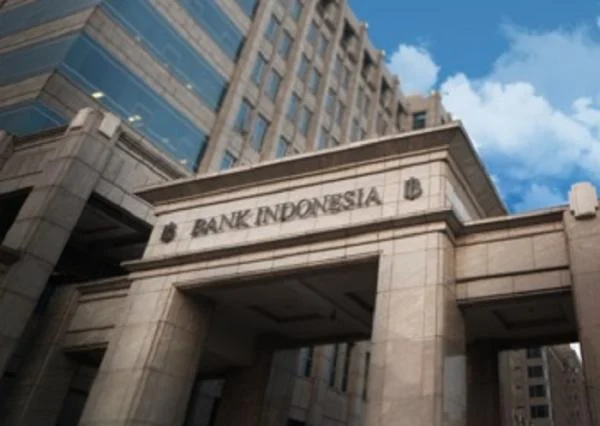
JAKARTA — In a significant shift in fiscal management policy, the Indonesian Ministry of Finance has officially altered the placement strategy for the government’s budget surplus, known locally as Saldo Anggaran Lebih (SAL). Under a newly enacted regulatory framework, excess state cash will no longer be stationed exclusively at the central bank, Bank Indonesia (BI). Instead, the government is expanding its financial placement channels to include commercial banking institutions and sovereign debt instruments.
This structural policy adjustment is formally codified under Regulation of the Minister of Finance (PMK) Number 67 of 2026. The new ministerial decree governs the overarching strategies and tactical implementations for managing both excess and deficient cash reserves within the central government. PMK 67/2026 effectively supersedes and replaces the preceding regulation, PMK Number 44 of 2024, signaling a modernized approach to optimizing state treasury assets amid evolving macroeconomic conditions.
Restructuring State Cash Management: Core Provisions of PMK 67/2026
According to explicit stipulations outlined in Article 11, paragraphs 1 through 3, of the newly minted PMK 67/2026, the management of excess government cash is no longer confined to traditional central bank depositories. The framework establishes two primary operational pathways for deploying surplus funds that exceed minimum operational liquidity thresholds.
The first pathway authorizes the placement of state funds into commercial banks, encompassing both conventional and Sharia-compliant banking institutions. This mechanism allows the government to maintain liquidity within the broader financial sector while potentially securing returns that benefit the state treasury. The second pathway involves direct deployment through the acquisition of Sovereign Securities, commonly known as Surat Berharga Negara (SBN).
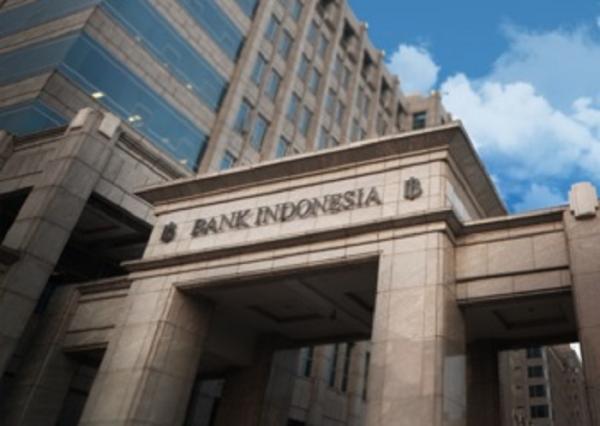
To execute SBN transactions smoothly, the Ministry of Finance has outlined a comprehensive suite of financial instruments and operational schemes. These include outright purchases within the secondary market, Reverse Repo SBN transactions, Sharia-compliant Reverse Repo SBSN (Surat Berharga Syariah Negara), and Wakalah Bi Al-Istitsmar SBSN structures. By diversifying these mechanisms, the government aims to enhance flexibility in managing state liquidity while supporting domestic financial market depth.
Background and Evolution of Treasury Surplus Policies
To fully comprehend the gravity of the shift introduced by PMK 67/2026, it is essential to examine the historical trajectory of Indonesia’s cash management policies. For decades, the central bank served as the primary repository for the government’s operational balances and budget surpluses. However, as Southeast Asia’s largest economy expanded, the Ministry of Finance recognized the need for a more dynamic treasury single account system integrated with active cash management practices.
In recent years, particularly under previous regulations such as PMK 44/2024, the government began experimenting with placing excess funds into state-owned commercial banks—frequently referred to as the Himbara group (Bank Mandiri, BRI, BNI, and BTN). These placements were designed to stimulate liquidity in the national banking system, particularly during periods of economic tightening or when commercial credit growth required targeted stimulus.
The transition codified in the 2026 regulation represents a maturation of these practices. By moving away from rigid, central-bank-centric storage models toward a diversified portfolio approach, the Ministry of Finance is institutionalizing a strategy where idle cash actively generates revenue while simultaneously supporting national economic stability.
Chronology of Implementation and Existing Placements
The rollout of the new cash management framework has been carefully synchronized with existing treasury commitments to prevent any sudden disruptions to national banking liquidity. Prior to the formalization of PMK 67/2026, substantial portions of the government’s budget surplus had already been strategically allocated to support key national banking institutions.

Earlier statements from the Ministry of Finance’s Directorate General of Treasury indicated that significant government balances—such as a notable SAL allocation of approximately Rp299 trillion—were securely maintained within the Himbara banking network. Ministry officials, including Director General of Treasury Astera Primanto Bhakti, previously confirmed that these substantial placements would remain anchored within state-owned banks under structured timelines stretching through July 2027.
This transitional chronology ensures that commercial banks, particularly state-owned lenders, retain adequate liquidity buffers while adjusting to the new statutory guidelines. The phased implementation allows the Ministry of Finance to monitor market absorption capacity and calibrate its SBN purchasing programs without inducing sudden shocks to domestic bond yields or interbank interest rates.
Financial and Economic Implications
The shift away from Bank Indonesia as the sole depository for the Saldo Anggaran Lebih carries profound implications for both the state budget and the broader financial architecture of Indonesia. Financial analysts and economists have pointed out several anticipated impacts stemming from the implementation of PMK 67/2026:
-
Revenue Optimization: By actively deploying surplus cash into yielding assets such as SBNs and interest-bearing commercial placements, the government transforms idle fiscal reserves into productive revenue-generating streams. This additional non-tax state revenue can provide crucial fiscal padding amidst global economic uncertainties.
-
Banking Sector Liquidity Support: Permitting the placement of state funds in both conventional and Sharia commercial banks provides a vital liquidity cushion. This is particularly beneficial during periods of monetary policy tightening when commercial deposit growth may lag behind credit demand.

-
Deepening the Domestic Capital Market: The authorization for the government to engage in outright secondary market purchases and various repo mechanisms involving SBNs enhances secondary market liquidity. This active participation helps stabilize government bond prices and supports efficient yield curve formation.
-
Enhanced Coordination with Monetary Policy: While funds are no longer exclusively concentrated at Bank Indonesia, the Ministry of Finance maintains close coordination with the central bank to ensure that cash management operations harmonize seamlessly with national monetary policy objectives, inflation targeting, and foreign exchange stability.
Expert Perspectives and Official Stance
Financial market participants have generally reacted favorably to the structured clarity provided by PMK 67/2026. Treasury experts note that modern public financial management requires a departure from passive cash hoarding toward active, risk-managed treasury operations. By establishing clear legal parameters for commercial placements and SBN acquisition, the Ministry of Finance demonstrates a commitment to transparency and fiscal prudence.
Although the government retains substantial discretion over the exact timing and volume of these placements, the overarching mandate remains clear: excess kas negara must serve a dual purpose of safeguarding state liquidity while actively contributing to macroeconomic resilience. As the Ministry of Finance proceeds with the execution of PMK 67/2026 through the remainder of 2026 and into 2027, market observers will closely monitor the balance between commercial bank placements and sovereign debt market operations to gauge the long-term efficacy of Indonesia’s modernized fiscal strategy.