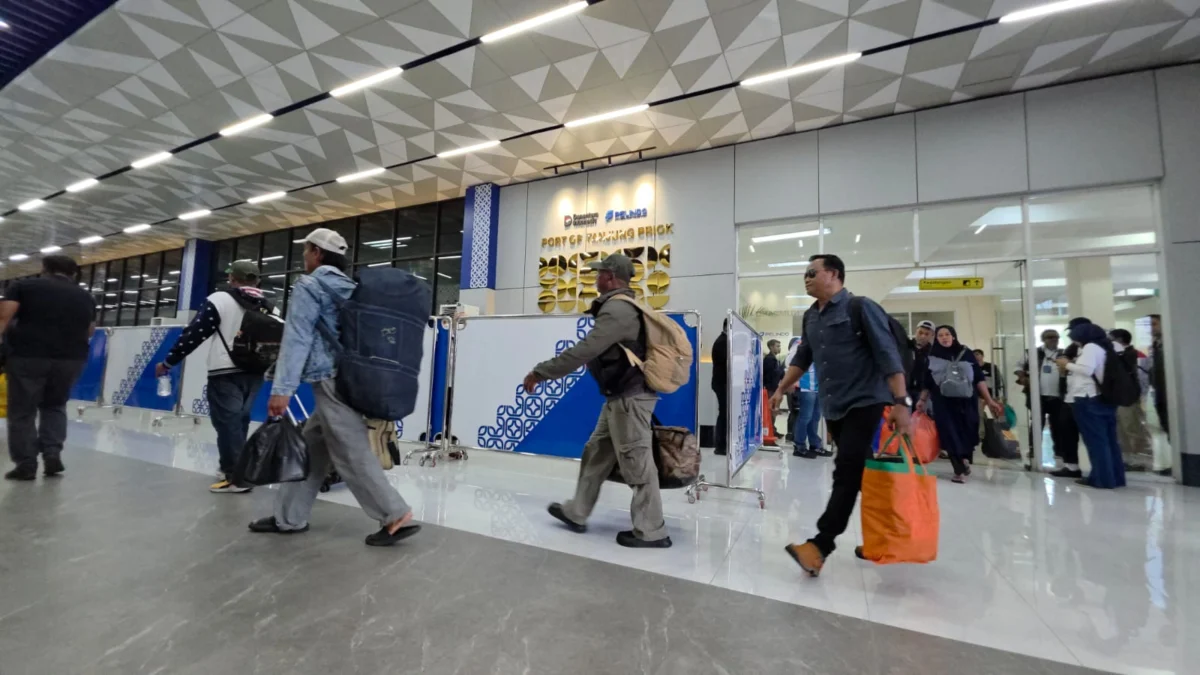
PT Pelabuhan Indonesia (Persero), widely known as Pelindo, has officially announced its comprehensive preparations for the upcoming Christmas 2026 and New Year 2027 (Nataru) holiday season. As Indonesia braces for a surge in holiday mobility and year-end tourism, the state-owned port operator projects that it will handle approximately 2.2 million passengers across its vast network of maritime hubs. This forward-looking projection underscores the critical role that maritime transportation plays in archipelagic connectivity, especially during peak holiday seasons when millions of citizens travel back to their hometowns or visit tourist destinations across the archipelago.
To seamlessly manage this projected influx of travelers, Pelindo has mobilized 67 dedicated passenger terminals strategically positioned throughout the country. These terminals have undergone rigorous evaluations to ensure that their operational capabilities, passenger amenities, and safety protocols meet the high demands of the festive period. The anticipated traffic highlights a steady upward trajectory in domestic sea travel, reflecting both growing public confidence in maritime transport safety and an overall increase in regional mobility following years of post-pandemic normalization.
Statistical Projections and Comparative Analysis of Passenger Growth
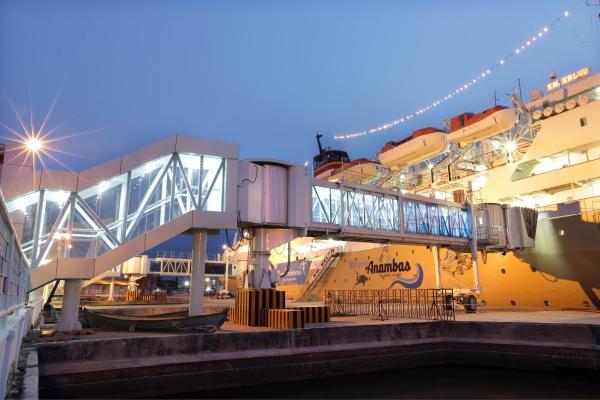
The newly released projections indicate a notable 5 percent increase in passenger volume compared to the previous Nataru operational period. During the prior holiday season, Pelindo successfully recorded a total of 2,095,314 passengers moving through its port infrastructure. In addition to the rise in pedestrian travelers, the company anticipates a parallel surge in vehicular traffic, with private cars, motorcycles, and commercial transport vehicles projected to increase by approximately 6 percent.
This steady rise in both passenger and vehicle numbers requires meticulous operational planning. Ports serving major inter-island routes—particularly those connecting Java to Sumatra, Bali, Kalimantan, and various eastern Indonesian islands—are expected to experience the highest concentration of traffic. Port authorities are keenly aware that vehicular congestion within port perimeters can severely disrupt boarding schedules, making the simultaneous management of pedestrian queues and vehicle staging areas a top priority for terminal operators.
Comprehensive Operational Strategy and Technological Integration
To effectively handle the anticipated logistical challenges, Pelindo has rolled out a multi-layered operational strategy. This approach focuses heavily on strengthening operational readiness, upgrading terminal infrastructure, integrating modern security technologies, and fostering tight synergy with external stakeholders.

Among the key technological upgrades being implemented across major hubs are advanced digital ticketing verification systems, streamlined check-in procedures, and enhanced CCTV monitoring networks to oversee crowd density in real-time. By utilizing digital tools, Pelindo aims to reduce processing times at terminal gates, minimize physical bottlenecks, and improve the overall flow of passengers from the drop-off zones to the vessel boarding bridges. Furthermore, security protocols have been elevated in coordination with the port police, harbor masters, and search-and-rescue agencies to guarantee a secure environment for all travelers.
Critical Timeline and Peak Travel Windows
Understanding travel patterns is vital for mitigating congestion, and Pelindo’s operational calendar has pinpointed two distinct peak periods during the Nataru 2026/2027 holiday window. The first wave of heavy mobility is projected to occur between December 23 and December 27, 2026, coinciding with the start of school holidays and the immediate lead-up to Christmas Day.
The second wave is anticipated to stretch from December 31, 2026, through January 5, 2027, driven by New Year celebrations and the subsequent return migration of travelers heading back to their respective cities for work and school. By identifying these critical windows well in advance, Pelindo can deploy maximum staffing levels, extend terminal operating hours, and ensure that medical posts and customer service desks are fully manned during the most demanding days of the season.

Official Statements and Commitment to Service Excellence
Addressing the media regarding the company’s nationwide preparedness, Pelindo Deputy Chief Executive Officer Drajat Sulistyo emphasized that passenger safety, comfort, and service reliability remain the organization’s utmost priorities. He noted that the seamless execution of the Nataru transport plan relies heavily on proactive coordination across all operational tiers.
"Pelindo has meticulously prepared its facilities, deployed necessary personnel, and readied operational equipment across all 67 passenger terminals under our management. Crucially, we have also reinforced our coordination with all relevant stakeholders, including transportation ministries, local governments, shipping lines, and security forces," Drajat stated. "Our ultimate objective is to ensure that operations run smoothly, safely, and comfortably, delivering a positive travel experience for every member of the public who chooses maritime transport during this festive season."
Broader Economic Implications and Inter-Agency Coordination

The smooth operation of Indonesia’s ports during the high-demand Nataru season carries profound economic and social implications. Beyond facilitating leisure travel and family reunions, efficient port operations ensure the unhindered distribution of essential goods, logistics, and foodstuffs across the country. Historically, periods of high passenger mobility can place immense pressure on supply chains if passenger and cargo vessels compete for berth space. Consequently, Pelindo’s coordinated efforts help maintain price stability for basic commodities by keeping maritime supply routes clear and predictable.
In tandem with Pelindo’s port-side preparations, other government bodies and industry regulators are taking synchronized measures. Agencies responsible for trade and consumer protection are closely monitoring staple food prices and logistics costs to protect consumer purchasing power ahead of the holidays. Meanwhile, transportation safety committees are conducting random ramp inspections on passenger vessels to verify that life-saving appliances, navigation gear, and vessel seaworthiness comply strictly with national and international maritime standards.
Looking ahead, the successful management of the Nataru 2026/2027 transport season will serve as an important benchmark for Indonesia’s ongoing maritime infrastructure development. As Pelindo continues to standardize services across its regional branches, the lessons learned from handling these high-volume peak periods will directly inform future modernization initiatives, cementing the nation’s maritime sector as a reliable, safe, and efficient backbone of national connectivity.